



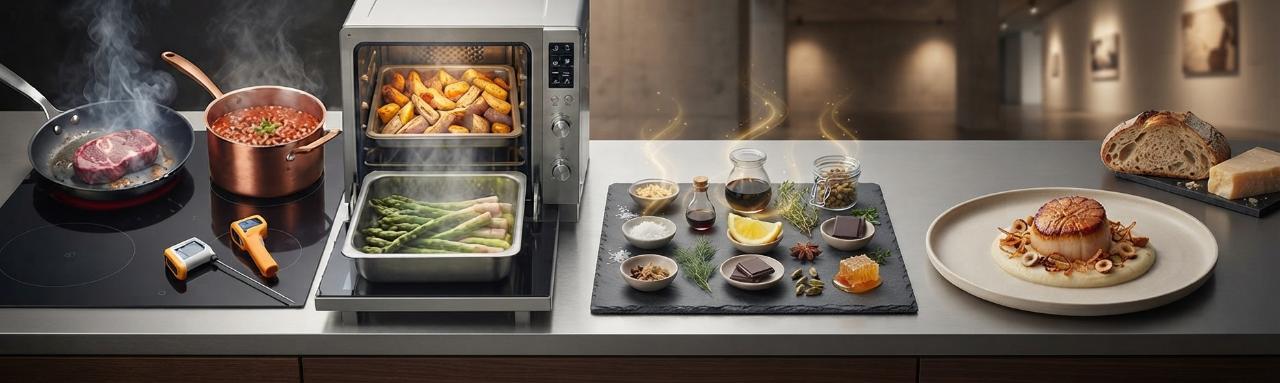
In the realm of cooking, a recipe often serves as our initial guide. It’s a roadmap, detailing the necessary ingredients and the steps to combine them. However, to truly master the culinary arts and elevate our dishes from mere sustenance to memorable experiences, we must look beyond the recipe itself. The true essence of cooking lies in understanding the foundational principles that govern flavor, texture, and aroma. These are the building blocks that allow us to not only follow a recipe with precision but also to innovate, adapt, and create our own unique culinary expressions.
The Alchemy of Heat
Heat is perhaps the most powerful tool in the kitchen. The way we apply it dictates the transformation of raw ingredients into delicious meals. Searing, braising, roasting, steaming, and sautéing are not just words in a recipe; they are distinct processes that yield vastly different results. Understanding the science behind each technique is crucial. For instance, the Maillard reaction, responsible for the browning and rich flavor of seared meats and roasted vegetables, occurs at specific temperatures. Similarly, the gentle, moist heat of steaming preserves delicate flavors and nutrients in fish and vegetables. By grasping these fundamental techniques, we can learn to control the outcome of our cooking, ensuring tender meats, perfectly cooked grains, and vibrant vegetables every time. It’s about understanding how high heat creates crispiness while low, slow heat develops depth and tenderness.
The Symphony of Taste and Aroma
A recipe lists spices, but true culinary artistry lies in understanding how these individual components create a harmonious symphony of flavors. The five basic tastes – sweet, sour, salty, bitter, and umami – are the primary notes, but their complexity is amplified by aroma. Herbs and spices contribute not only taste but also intricate aromatic compounds that engage our sense of smell, a significant part of our perception of flavor. Learning to balance these elements is key. A dish that is too salty can be mellowed with a touch of sweetness or acidity. A lack of depth can be remedied with umami rich ingredients like mushrooms or soy sauce. Understanding the natural flavor profiles of ingredients – the earthiness of root vegetables, the sweetness of ripe fruit, the brininess of seafood – allows us to build layers of taste that are both complex and comforting. This knowledge empowers us to adjust seasonings, substitute ingredients, and create dishes that are perfectly balanced and deeply satisfying.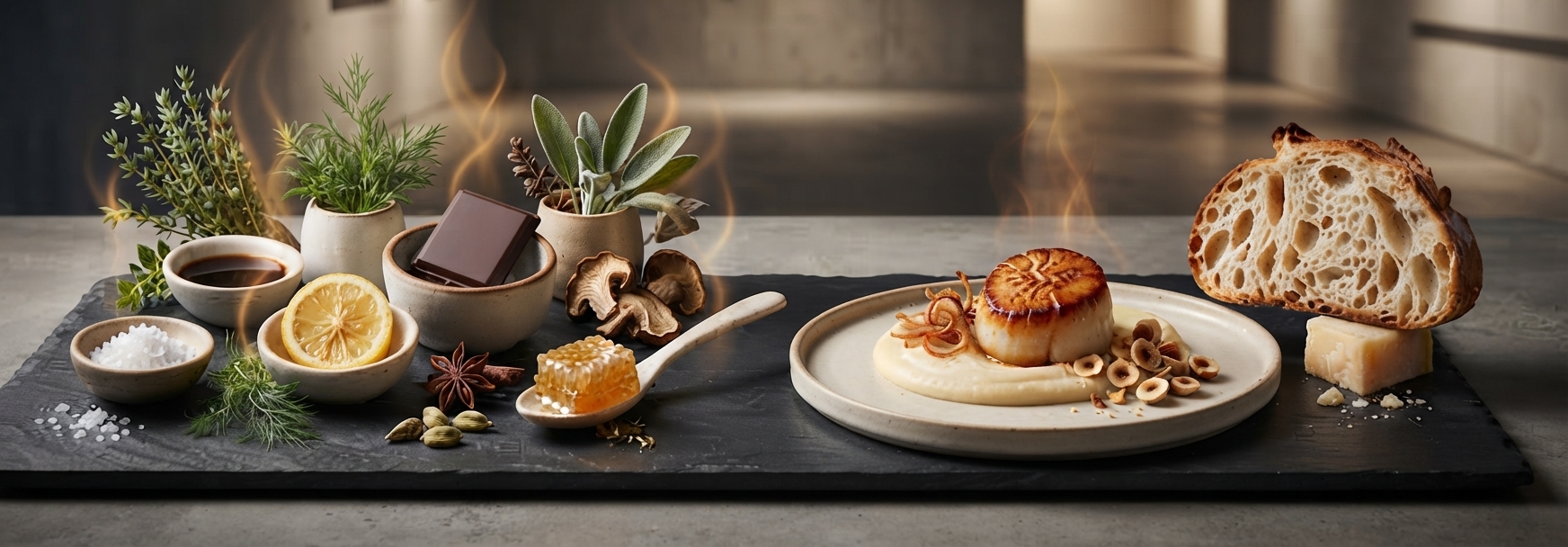
The Unsung Hero of Culinary Delight
While taste and aroma often take center stage, texture plays an equally vital role in our enjoyment of food. The contrast between creamy and crunchy, tender and firm, or smooth and rough can elevate a dish from ordinary to extraordinary. A perfectly crisp crust on a piece of bread, the satisfying chew of al dente pasta, the velvety smoothness of a puréed soup, or the delightful crunch of toasted nuts all contribute to the overall sensory experience. Achieving desirable textures involves understanding ingredient properties and cooking methods. For example, overcooking vegetables can lead to a mushy texture, while undercooking can leave them unpleasantly hard. The fat content of meat influences its tenderness and juiciness. Even the way we cut ingredients can affect the final texture. Mastering texture is about intentionality, about creating a dynamic interplay of sensations that keeps the palate engaged and delighted.
The Art of Adaptation
Recipes are valuable, but they are not immutable laws. True culinary confidence comes from the ability to adapt and improvise. Understanding the core principles of cooking allows us to troubleshoot when things go awry, to substitute ingredients based on availability or preference, and to create entirely new dishes. If a recipe calls for an ingredient you don’t have, knowing its flavor and textural contribution allows you to select a suitable alternative. If a dish seems to be missing something, a foundational understanding of flavor balancing will guide you to add the right element – a pinch more salt, a squeeze of lemon, a dash of spice. This journey beyond the recipe is an ongoing process of learning, experimentation, and discovery, transforming cooking from a chore into a creative and rewarding passion.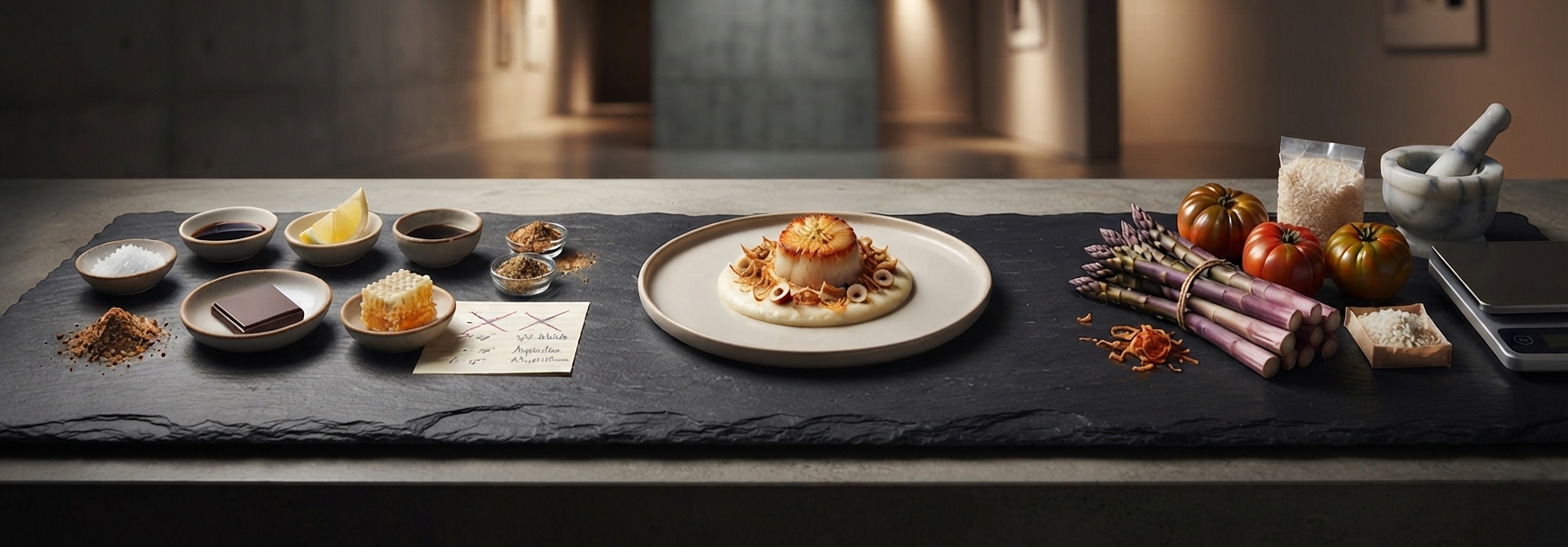
Embracing the Culinary Journey
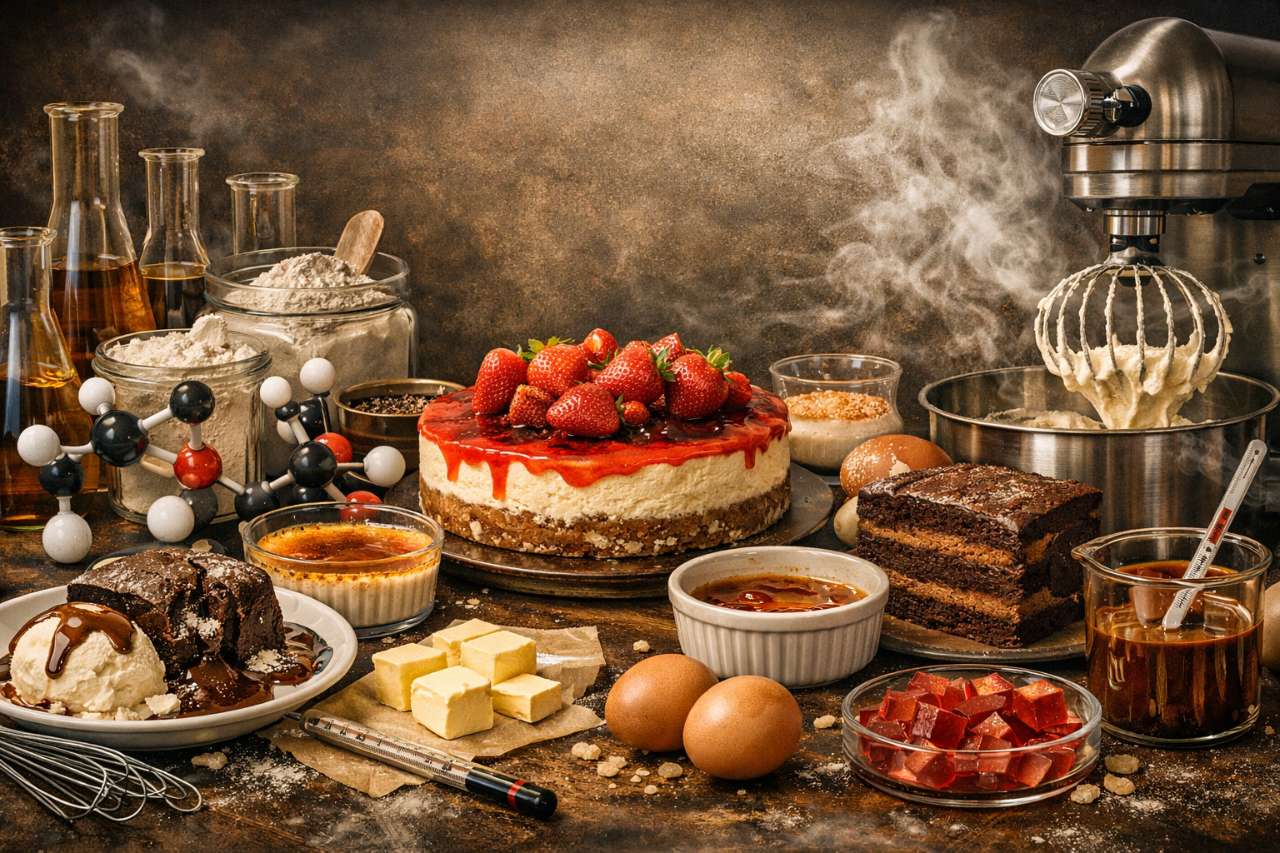
The kitchen is a laboratory of flavors, textures, and aromas, and the recipe is merely the starting point. By delving deeper into the fundamental techniques, flavor profiles, and textural dynamics, we unlock a world of culinary possibilities. This understanding not only makes us more adept cooks but also fosters creativity and confidence. So, the next time you stand before a recipe, remember that it’s an invitation to explore. Embrace the principles, experiment with the elements, and embark on your own delicious journey beyond the written word.
Most Popular











Anaya
comment1