




In the grand tapestry of culinary evolution, certain utensils have played pivotal roles, silently shaping how we interact with our food. Among these, the humble fork, often taken for granted, boasts a surprisingly rich and often overlooked history. Its journey from an exotic curiosity to an indispensable dining tool is a tale woven with threads of culture, religion, and evolving social norms. Today, we delve into the fascinating origins of the fork and unearth some forgotten tales surrounding its adoption.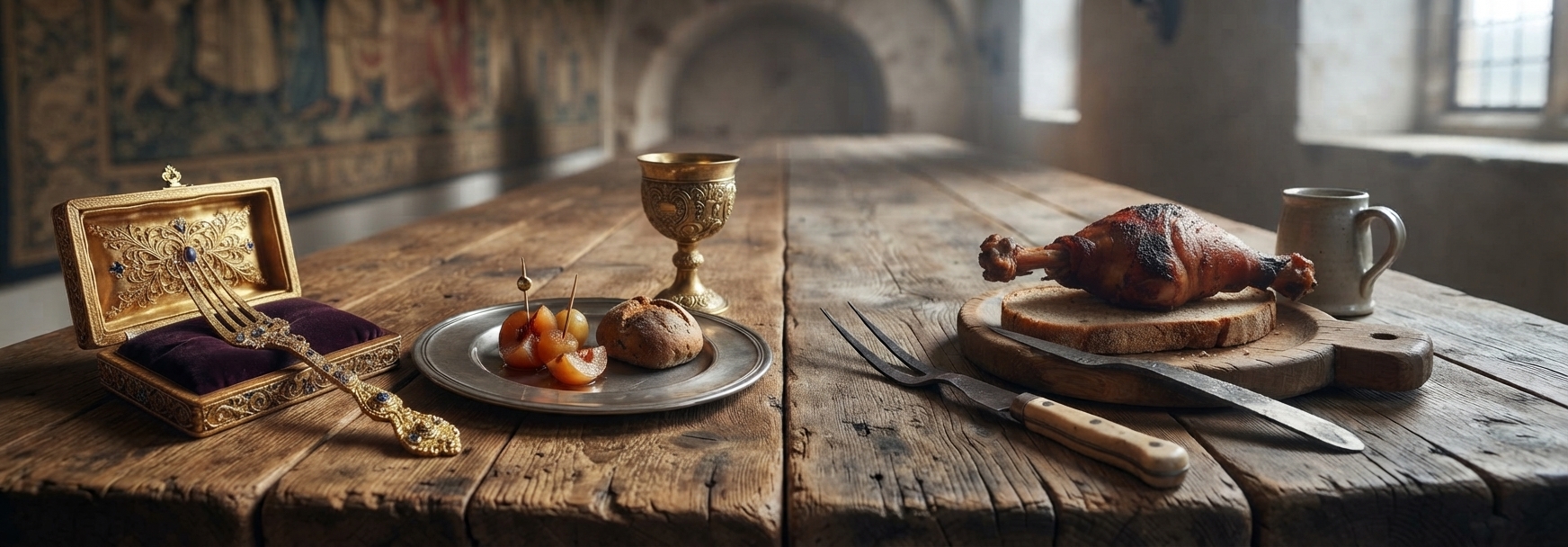
From Byzantine Courts to European Tables
The earliest ancestors of the modern fork were not the elegant instruments we know today. Simple, two or three pronged tools, likely used for spearing food, have been found in ancient Egyptian and Greek civilizations. However, the fork as a personal eating utensil gained traction much later, within the opulent courts of the Byzantine Empire. Legend has it that a Byzantine princess, upon her marriage to a Venetian doge in the 11th century, brought with her a golden fork, shocking the more utilitarian Europeans who primarily relied on knives and their hands.
This initial introduction was met with widespread skepticism, even condemnation. In many parts of Europe, particularly in religious circles, the fork was viewed with suspicion. Its perceived effeminacy and the very act of using a separate utensil to convey food to the mouth were seen as an affront to God and nature. Some clergy even branded it a sinful instrument, associating its prongs with the devil's pitchfork. This religious opposition significantly slowed its adoption, relegating it to the fringes of society for centuries.
The Fork's Slow Ascent
Despite the initial backlash, the fork's practicality gradually chipped away at societal resistance. Italian nobility, particularly in Venice and Florence, began to embrace it, appreciating its ability to handle delicate or hot foods with greater ease and cleanliness. Figures like Catherine de' Medici are credited with further popularizing its use in France during the Renaissance, influencing the French court and, by extension, other European aristocracies. The fork's association with refined dining and social status began to solidify.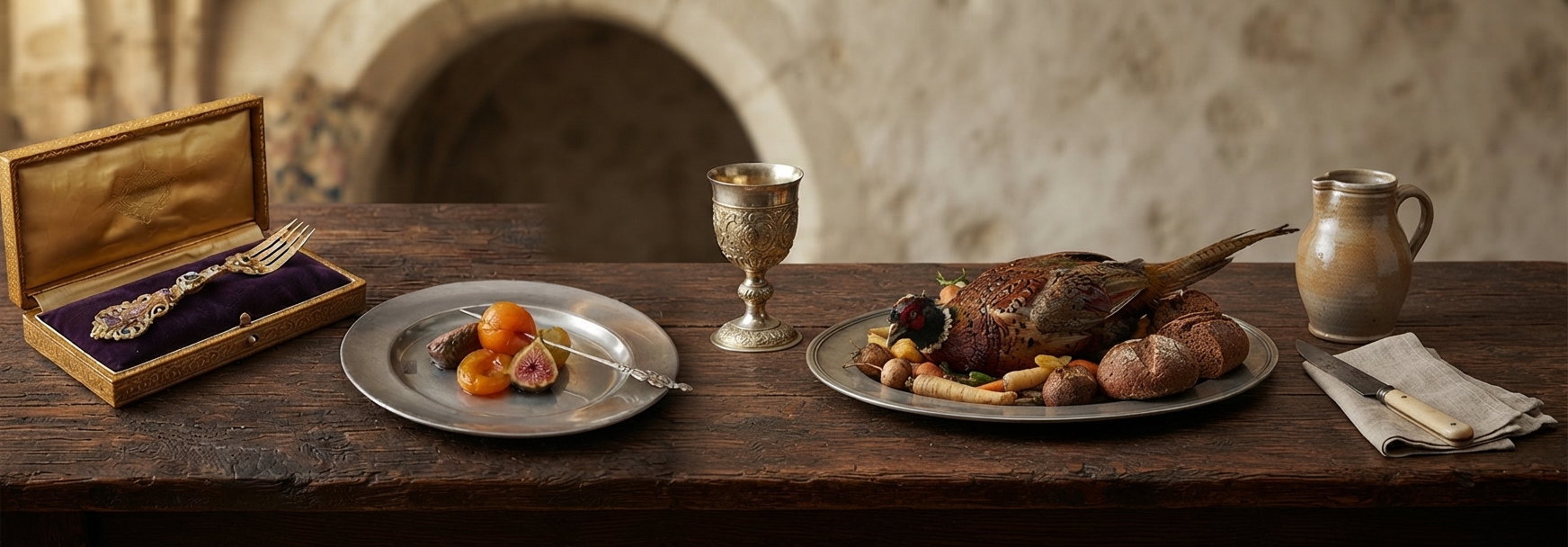
However, its widespread adoption was a slow burn. For the common folk, the knife remained the primary eating implement for a long time. The fork was often seen as a luxury, a symbol of the elite, and its use was confined to formal dining settings. Public perception slowly shifted as the benefits of a more hygienic and efficient way of eating became apparent. The fork allowed for better control over food, reducing mess and enabling more intricate preparation and presentation.
Forgotten Tales and Cultural Quirks
The journey of the fork is punctuated by fascinating cultural quirks and forgotten anecdotes. In some regions, the way forks were used or even their design varied. For instance, the two-pronged fork, initially more common, was often criticized for its inability to properly hold food, leading to spills. This led to the evolution of three and then four prongs, offering greater stability.
There's also the curious case of its delayed arrival in some parts of the world. In England, for example, the fork was not widely adopted until well into the 17th and 18th centuries, long after its presence in Italy and France. Early proponents were often ridiculed, and its use was seen as a foreign affectation. Samuel Pepys, the famous diarist, only began using a fork in the mid 17th century, noting it as a novelty.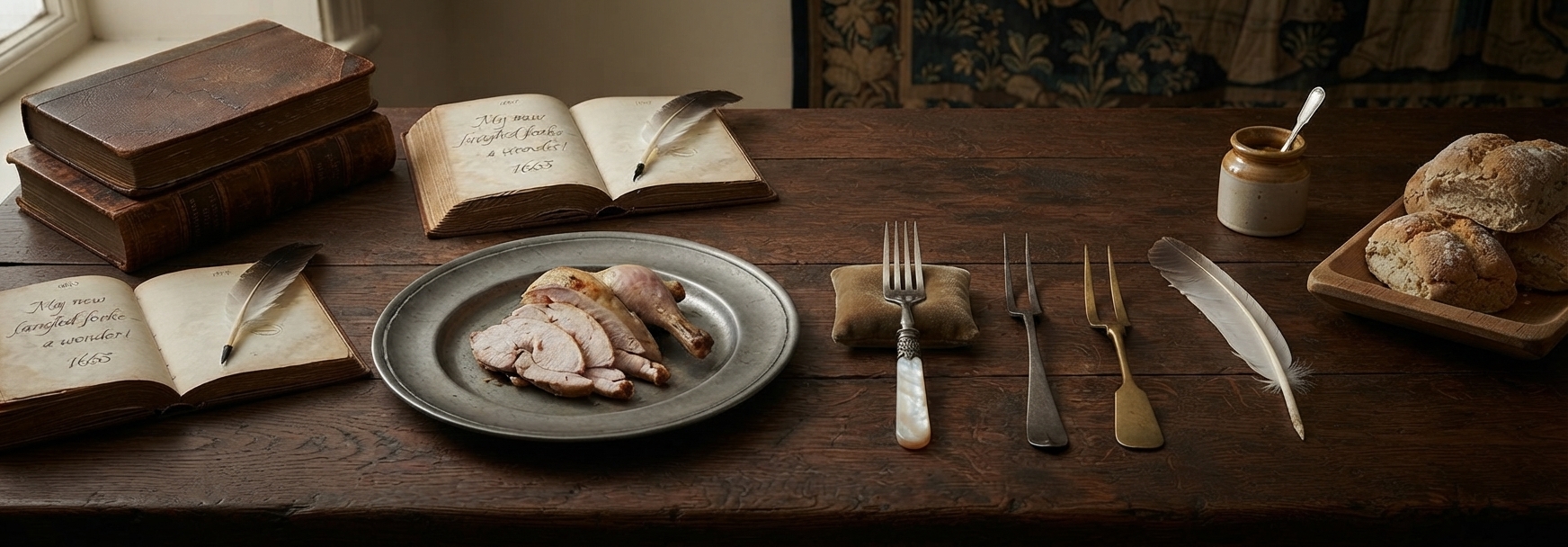
The Modern Fork: An Everyday Essential
Today, the fork is an unquestioned part of our daily lives, a symbol of civilized dining. From delicate pastries to hearty stews, it has proven its versatility and indispensability. Its evolution from a controversial tool to a universal utensil reflects broader societal changes, shifts in etiquette, and the relentless march of culinary innovation. The next time you pick up a fork, take a moment to appreciate its long and storied past, a testament to how even the simplest of tools can carry a weight of history and forgotten tales.

Most Popular













Anaya
comment1