



The kitchen is a place of constant evolution. While cherished family recipes and historical culinary traditions offer a comforting taste of the past, the modern culinary landscape is brimming with innovation, new ingredients, and exciting techniques. This dynamic interplay between the classic and the contemporary is what makes cooking so endlessly fascinating. It’s about honoring heritage while embracing the future, creating dishes that are both familiar and thrillingly new.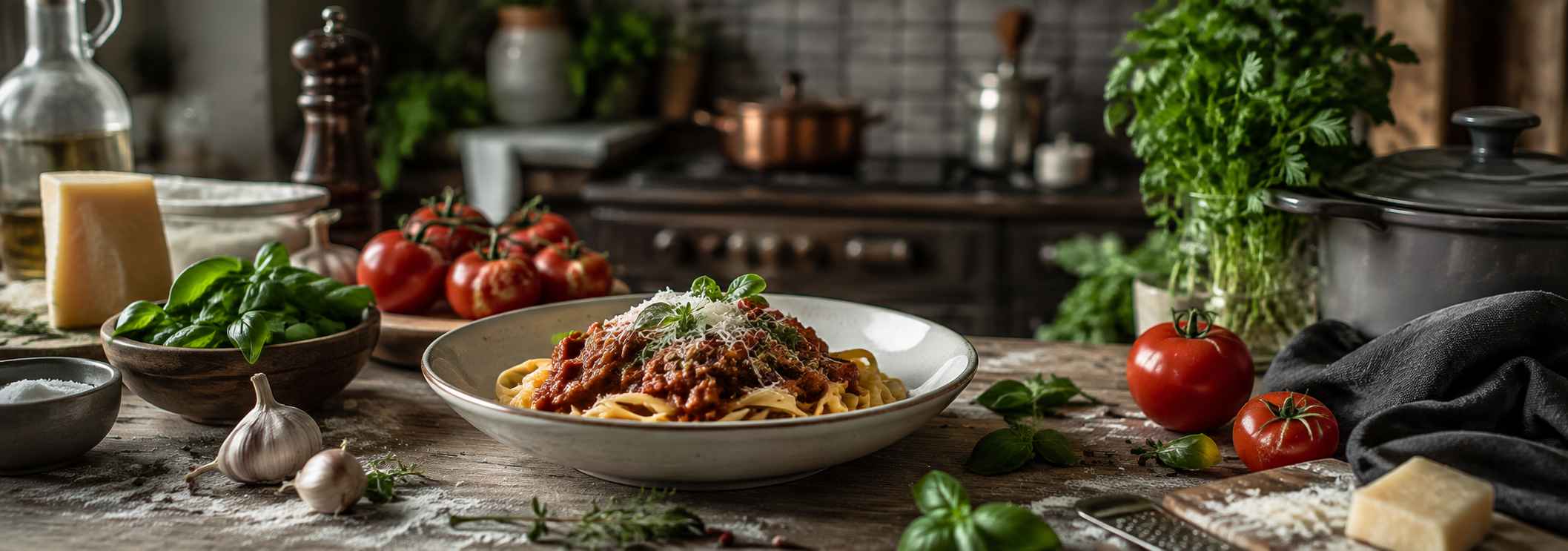
At its core, a classic recipe is a foundation. It embodies time tested flavor combinations and cooking methods that have been refined over generations. Think of the rich depth of a slow braised ragu, the delicate balance of a perfectly executed coq au vin, or the simple elegance of a homemade pasta. These are dishes that have stood the test of time for good reason. They offer a sense of comfort, connection, and culinary history.
The Allure of the Familiar with a Fresh Twist
However, the culinary world doesn't stand still. Modern chefs and home cooks alike are constantly experimenting, pushing boundaries, and seeking novel ways to enhance familiar flavors. This often involves incorporating global ingredients, adopting sustainable cooking practices, or simply reinterpreting traditional dishes with a lighter, more contemporary approach. For instance, a classic French onion soup might be updated with a richer, artisanal bread and a less processed cheese blend. A traditional shepherd's pie could see its lamb filling infused with subtle Asian spices, or its potato topping swapped for a vibrant sweet potato mash.
One of the most exciting aspects of modernizing classic recipes is the opportunity to address contemporary dietary needs and preferences. Gluten free, vegan, or lower calorie adaptations of beloved dishes are now not only possible but also increasingly sophisticated. This allows a wider audience to enjoy the essence of classic cooking without compromising their health or lifestyle choices. For example, a traditional lasagna can be reimagined with layers of zucchini or eggplant instead of pasta, and a hearty lentil bolognese taking the place of meat sauce.
Embracing New Techniques and Ingredients
Technology also plays a significant role in this culinary evolution. Sous vide cooking, for instance, allows for unparalleled precision in tenderizing meats, which can then be incorporated into classic stews or roasts, offering a new level of texture and consistency. The availability of exotic spices, fermented products, and diverse plant-based ingredients from around the globe also provides a vast palette for experimentation. A simple roast chicken can be transformed with a rub of za'atar and preserved lemon, or a classic apple pie might gain an unexpected complexity from the addition of cardamom and ginger.
The beauty of this approach lies in its flexibility. It’s not about discarding the old in favor of the new, but rather about finding a harmonious blend. It's about understanding the principles behind a classic recipe and then artfully applying modern knowledge and creativity. This can lead to surprisingly delightful results, breathing new life into dishes that might otherwise be relegated to infrequent appearances on our tables.
Finding Your Own Culinary Balance
Whether you are a seasoned chef or an enthusiastic home cook, the prospect of blending classic recipes with modern ideas offers a rewarding culinary journey. Start by selecting a recipe you love, one that holds a special place in your heart or your family’s history. Then, consider what elements you might want to update. Perhaps it's a lighter preparation, a bolder flavor profile, or an adaptation for dietary needs. Researching contemporary variations of similar dishes can offer inspiration and practical guidance.
Ultimately, the goal is to create something delicious that respects its origins while reflecting the present. This fusion of past and present in the kitchen is a testament to the enduring power of food to connect us, to nourish us, and to inspire us to continually explore and innovate. It’s a delicious dialogue between generations, served on a plate.
Most Popular







Anaya
comment1