




In a world that's constantly evolving, with new culinary trends emerging at breakneck speed, there's one category of food that consistently remains a beloved staple: comfort food. These dishes, often simple yet deeply satisfying, possess an almost magical ability to evoke feelings of warmth, security, and nostalgia. But what is it about comfort food that makes it so timeless? Why does it continue to hold such a special place in our hearts and on our plates?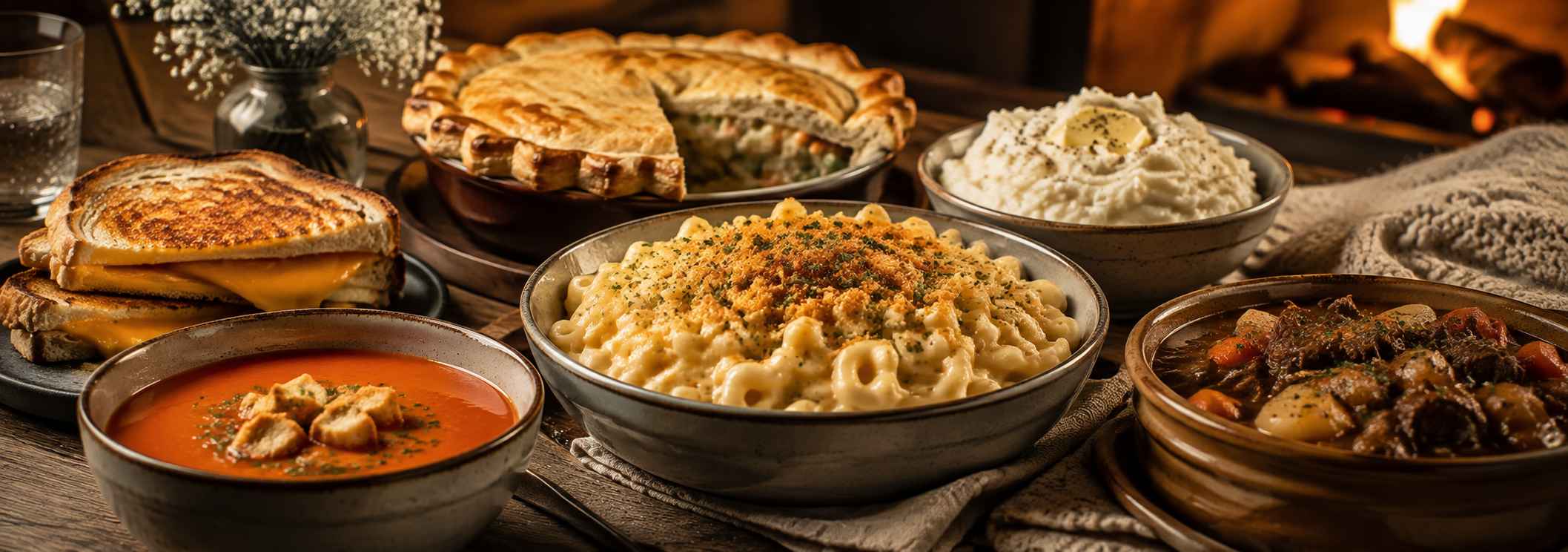
More Than Just a Meal
At its core, comfort food is deeply intertwined with our emotional well-being. It's not just about the taste or the ingredients; it's about the memories and associations we attach to these dishes. Think about your favorite childhood meal, a dish prepared by a loved one, or something you craved during a challenging time. These culinary experiences often become ingrained in our personal histories, serving as a tangible link to happier moments and familiar surroundings.
The act of preparing and consuming comfort food can be a form of self-care. In times of stress, sadness, or even overwhelming joy, reaching for a familiar, nurturing meal can provide a sense of grounding and reassurance. It's a way to tap into a feeling of being looked after, a culinary hug that soothes the soul.
The Science Behind the Satisfaction
Beyond the emotional connection, there are also physiological reasons why comfort foods are so appealing. Many of these dishes are rich in carbohydrates and fats, which can trigger the release of endorphins, the body's natural mood elevators. This can lead to a temporary sense of pleasure and relaxation, contributing to the comforting effect.
Furthermore, the sensory experience of comfort food is crucial. The aroma of baking bread, the rich scent of a simmering stew, or the visual appeal of a perfectly golden mac and cheese can all stimulate our senses and enhance our enjoyment. The textures, too, play a role – the creamy richness of mashed potatoes, the chewy goodness of a hearty pasta, or the crispy crunch of fried chicken all contribute to a satisfying sensory journey.
A Universal Language
While specific comfort foods might vary by culture and individual preference, the concept itself is universal. Whether it's a steaming bowl of pho in Vietnam, a hearty shepherd's pie in the UK, or a comforting plate of pasta in Italy, every culture has its own cherished dishes that provide solace and a sense of belonging.
This shared appreciation for comfort food fosters a sense of connection. Sharing these familiar dishes with family and friends can strengthen bonds and create new memories. It’s a way to celebrate traditions, pass down culinary heritage, and simply enjoy good food in good company.
Comfort Food's Lasting Legacy
In conclusion, comfort food will likely never go out of style because it taps into fundamental human needs for emotional security, sensory pleasure, and social connection. These dishes are more than just sustenance; they are vessels of memory, catalysts for joy, and gentle reminders of the simpler, nurturing aspects of life. As we navigate the complexities of modern living, the enduring appeal of a warm, familiar meal will undoubtedly continue to provide us with the comfort and solace we all seek.

Most Popular












Anaya
comment1