




Have you ever noticed how a comforting bowl of soup can lift your spirits on a gloomy day, or how a sugary treat can provide a fleeting burst of energy? It's not just your imagination. The relationship between what we eat and how we feel is a profound and scientifically supported connection. This intricate interplay between food and mood, also known as nutrition and mental health, plays a significant role in our overall well-being.

Understanding the Food Mood Connection
Our brains are incredibly complex organs, and they rely on a constant supply of nutrients to function optimally. When we consume certain foods, they provide the building blocks and fuel necessary for neurotransmitters to do their job. Neurotransmitters are chemical messengers that regulate our emotions, sleep, appetite, and more. For instance, serotonin, often called the "feel good" neurotransmitter, is largely produced in the gut, and its production is influenced by the foods we eat.

The Impact of Different Nutrients
Certain nutrients have a more direct impact on our mood than others. Let's explore some key players:
- Omega-3 Fatty Acids: Found in fatty fish like salmon and mackerel, as well as in flaxseeds and walnuts, these healthy fats are crucial for brain health. Studies suggest they can help reduce symptoms of depression and anxiety.
- B Vitamins: Particularly B6, B12, and folate, these vitamins are essential for the synthesis of neurotransmitters. Deficiencies can lead to fatigue, irritability, and even depression. You can find them in leafy greens, eggs, whole grains, and lean meats.
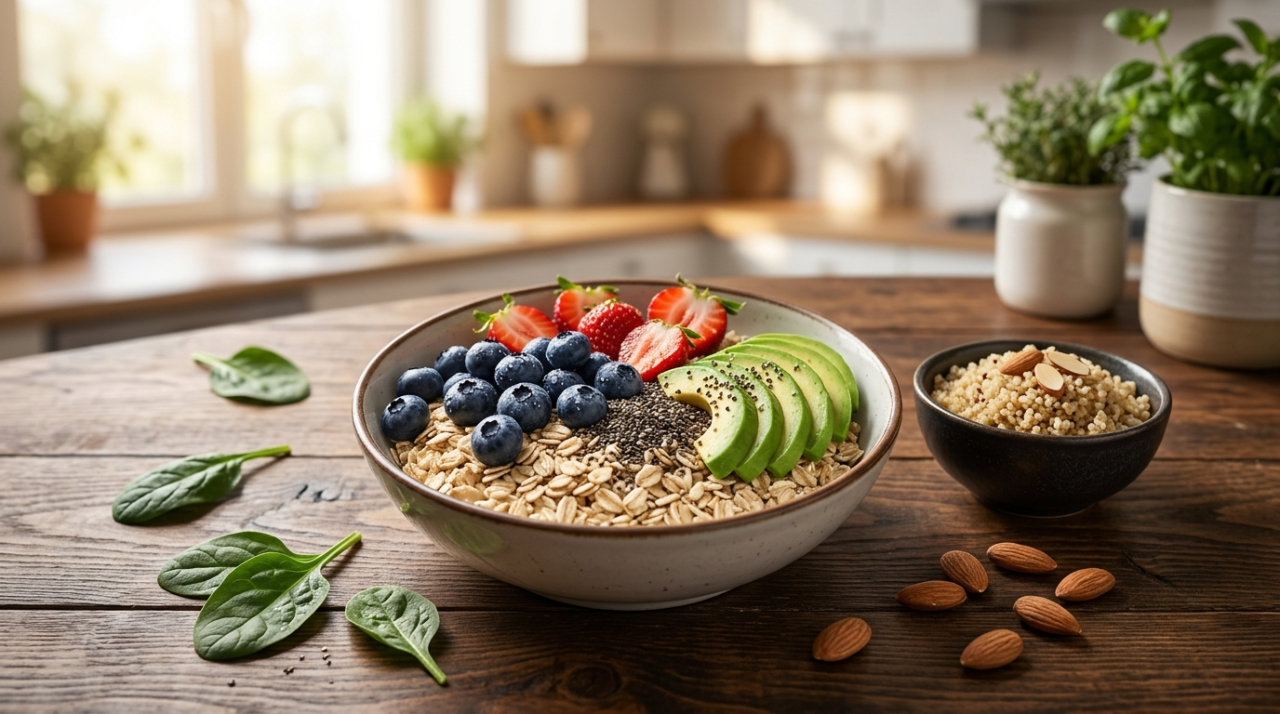
- Magnesium: This mineral plays a role in stress regulation and can help calm the nervous system. Good sources include dark chocolate, nuts, seeds, and spinach.
- Tryptophan: This amino acid is a precursor to serotonin. Foods rich in tryptophan include turkey, eggs, dairy products, and nuts.

Foods That Can Boost Your Mood
Incorporating mood-boosting foods into your diet doesn't have to be complicated. Focus on a balanced and varied intake of whole, unprocessed foods.
The Benefits of a Balanced Diet
A diet rich in fruits, vegetables, whole grains, lean proteins, and healthy fats provides your brain with the sustained energy and nutrients it needs. This can lead to more stable moods, improved focus, and reduced feelings of anxiety and fatigue. Think colorful salads, hearty lentil soups, baked salmon with roasted vegetables, and a handful of almonds for a snack.
The Downside of Processed Foods and Sugar
On the flip side, diets high in processed foods, refined sugars, and unhealthy fats can have a detrimental effect on our mood. These foods often lead to rapid spikes and crashes in blood sugar levels, which can manifest as irritability, fatigue, and mood swings. While a small treat now and then is perfectly fine, relying on these foods for comfort can create a cycle of emotional distress.

Creating a Healthier Food and Mood Relationship
Making conscious choices about what you eat can be a powerful tool for managing your emotional well-being. Here are some practical tips:
- Prioritize Whole Foods: Aim to fill your plate with fruits, vegetables, lean proteins, and whole grains.
- Stay Hydrated: Dehydration can lead to fatigue and poor concentration, impacting your mood.
- Mindful Eating: Pay attention to your body's hunger and fullness cues. Eat slowly and savor your food.
- Plan Your Meals: Having healthy meals and snacks readily available can prevent impulsive, less healthy choices when you're feeling stressed or tired.
- Limit Sugar and Processed Foods: Reduce your intake of sugary drinks, refined carbohydrates, and highly processed snacks.

The connection between food and mood is undeniable. By understanding how different nutrients affect our brain chemistry and making informed dietary choices, we can harness the power of food to cultivate a more positive and stable emotional state. Embracing healthy eating is not just about physical health; it's a vital component of nurturing our mental and emotional well-being, paving the way for a happier, more balanced life.
Most Popular











Anaya
comment1