



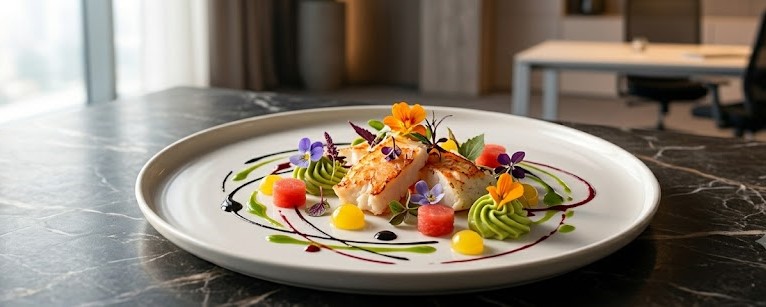
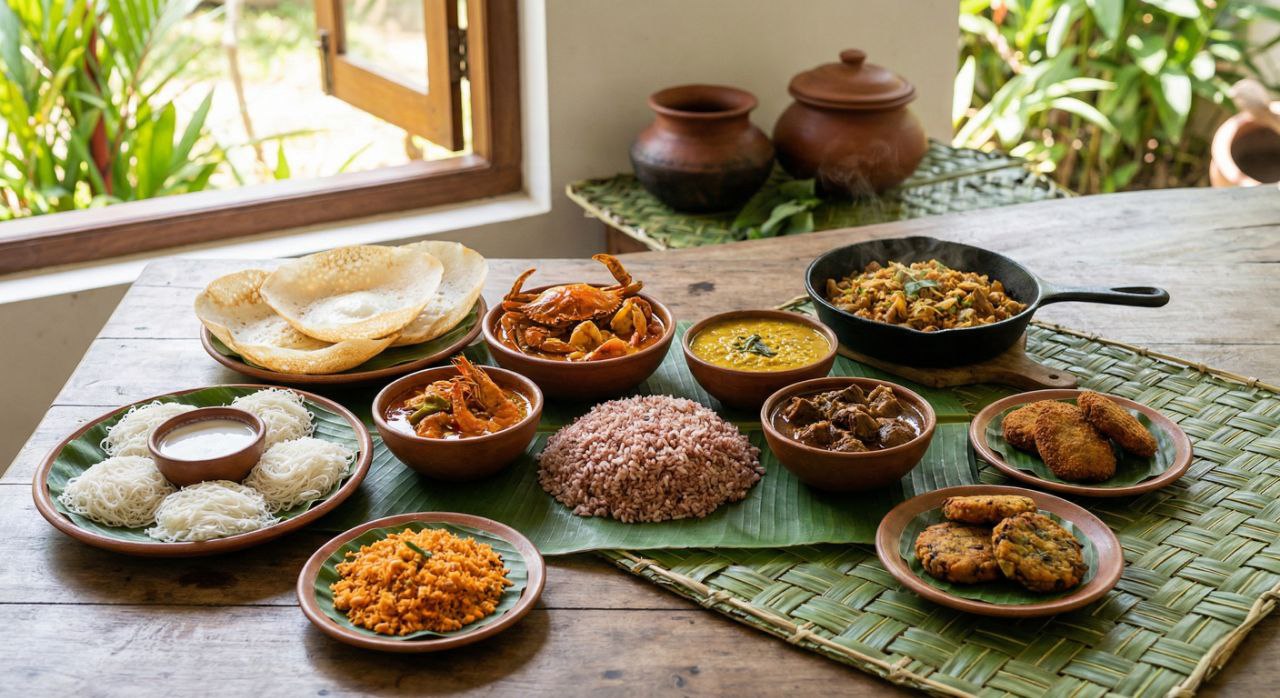
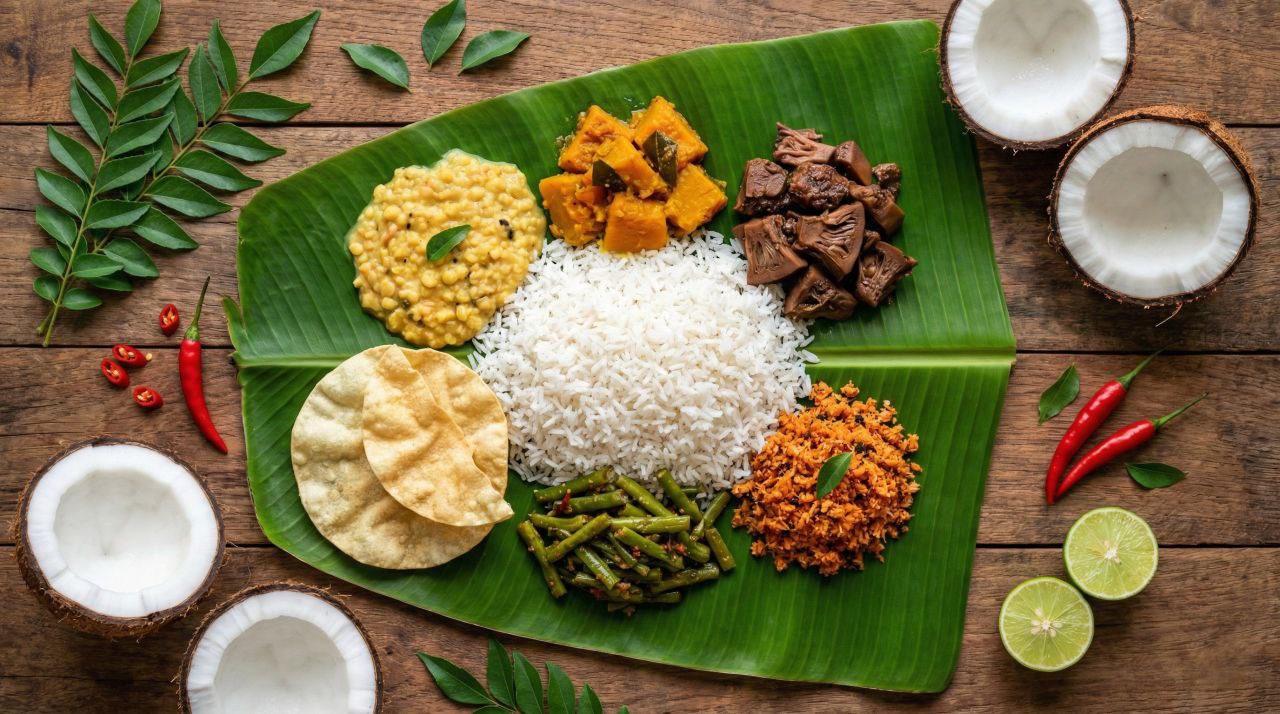
In today’s fast-paced digital world, food has evolved far beyond its basic purpose of nourishment. It is now a form of expression, storytelling, and visual art. The rise of culinary aesthetics has completely transformed how food is prepared, presented, and perceived. From high-end restaurants to home kitchens, food is being designed not just to taste good, but to look stunning enough to be shared online.At the heart of this movement is the idea that presentation matters as much as flavor. Culinary aesthetics focus on the visual harmony of a dish—color balance, texture contrast, plating techniques, and creative arrangement. Chefs are now treating plates like canvases, carefully designing each element to create a visually appealing masterpiece. A drizzle of sauce becomes a brushstroke, a garnish becomes a finishing touch, and the plate itself becomes part of the artwork.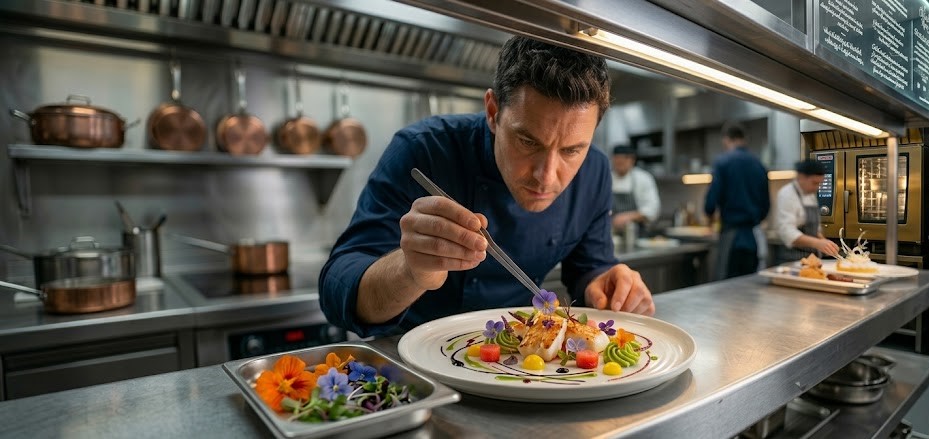
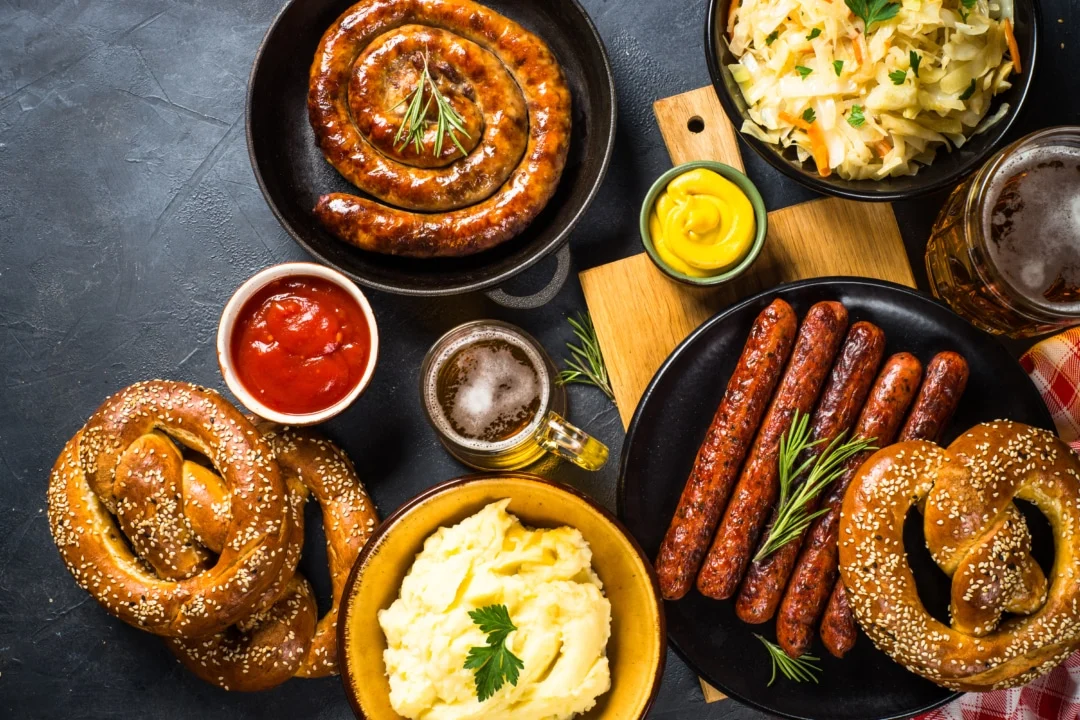
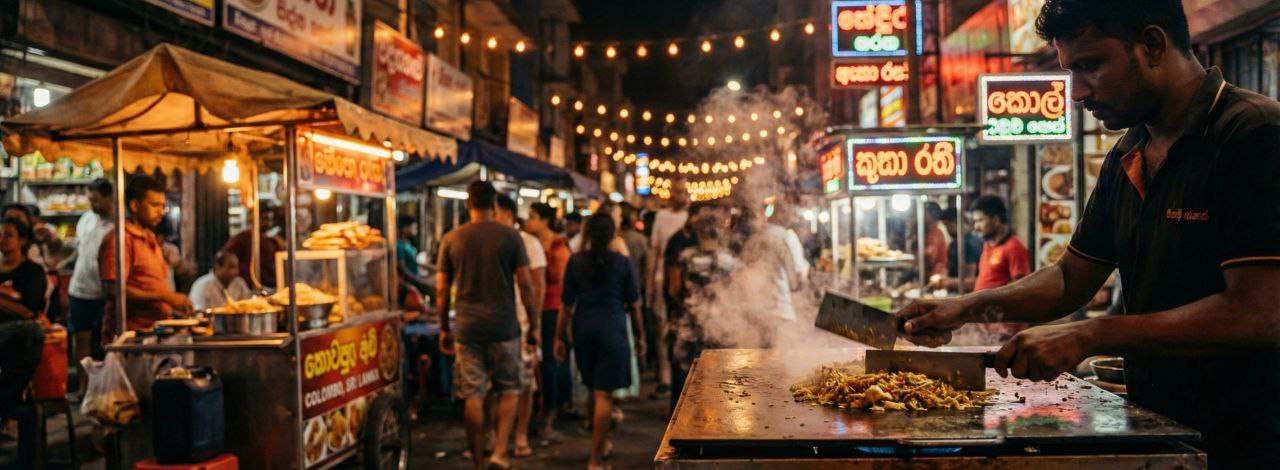
Social media has played a massive role in driving this transformation. Platforms like Instagram, TikTok, and Pinterest have made food a highly shareable visual experience. A beautifully plated dish can gain global attention within minutes, influencing food trends across the world. As a result, restaurants are increasingly designing menus with “camera appeal” in mind. Neon desserts, pastel-colored lattes, mirror-glazed cakes, and minimal Japanese-inspired plating are all examples of food crafted for both taste and visual impact.This trend is not limited to fine dining. Street food culture has also embraced culinary aesthetics in surprising ways. Food trucks and casual eateries are elevating simple dishes into visually striking creations. Burgers are stacked with precision, fries are served in aesthetic containers, and even traditional dishes are being reimagined with modern presentation styles. The goal is to create an experience that feels unique, memorable, and visually engaging.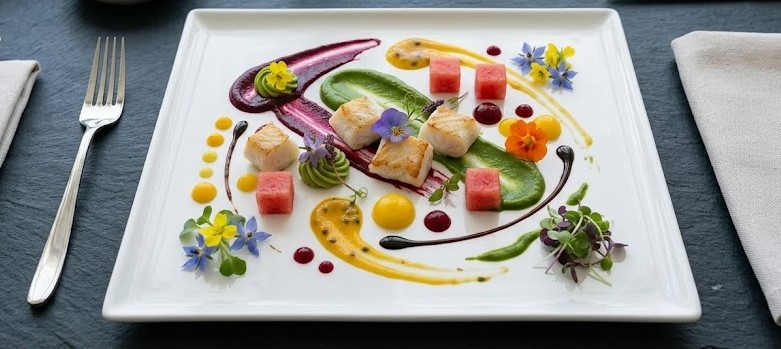
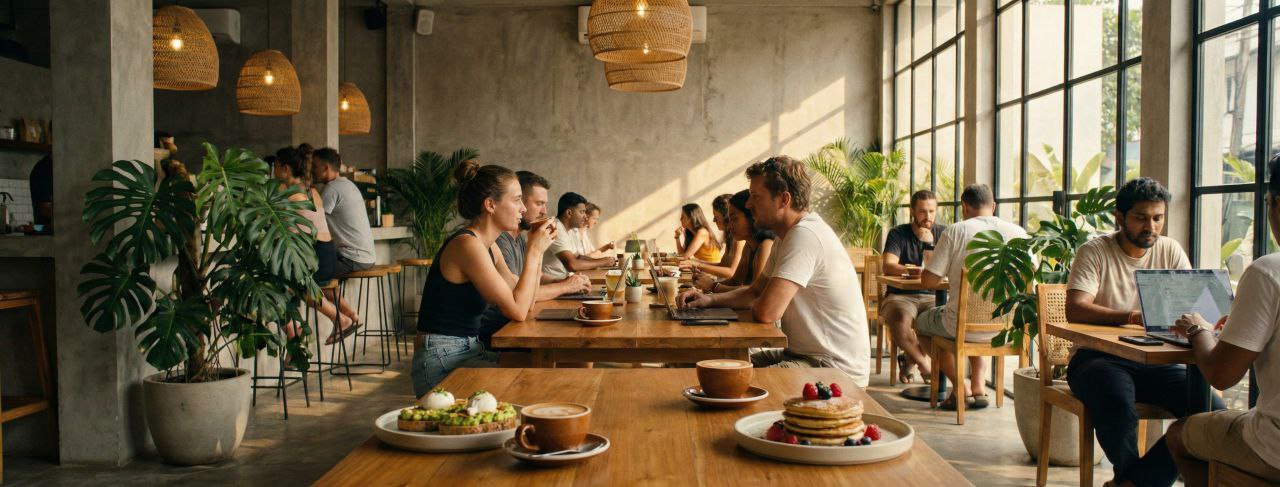
Home cooking has also been influenced by this movement. More people are experimenting with plating techniques, color combinations, and food styling in their everyday meals. Even a simple breakfast like avocado toast or oatmeal is often arranged with care and creativity. Cooking is no longer just a routine task—it has become a form of self-expression and creativity, similar to painting or photography.However, the rise of culinary aesthetics has also sparked debate. Some critics argue that focusing too much on appearance can sometimes overshadow taste, authenticity, and cultural traditions. There is concern that food may become more about social media performance than genuine culinary value. Despite this, many chefs believe that beauty and flavor can coexist, enhancing the overall dining experience rather than competing with each other.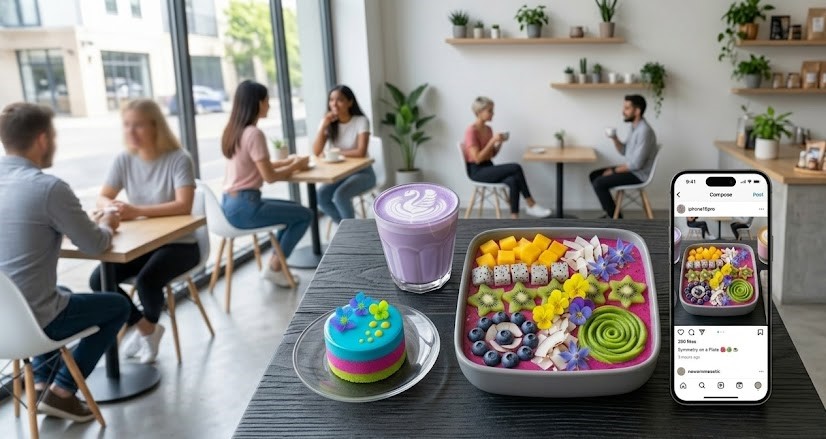
Ultimately, culinary aesthetics represent a broader cultural shift in how people experience food. In a world driven by visuals and digital storytelling, food has become more than something we eat—it has become something we see, share, and feel. A beautifully crafted dish can evoke emotion, spark curiosity, and create lasting memories.Food that feels like art reflects modern creativity at its finest. It blurs the line between cuisine and design, turning everyday meals into extraordinary experiences. As this trend continues to grow, one thing is clear: the future of food is not just delicious—it is beautifully artistic, deeply expressive, and endlessly inspiring.
Most Popular





Anaya
comment1