



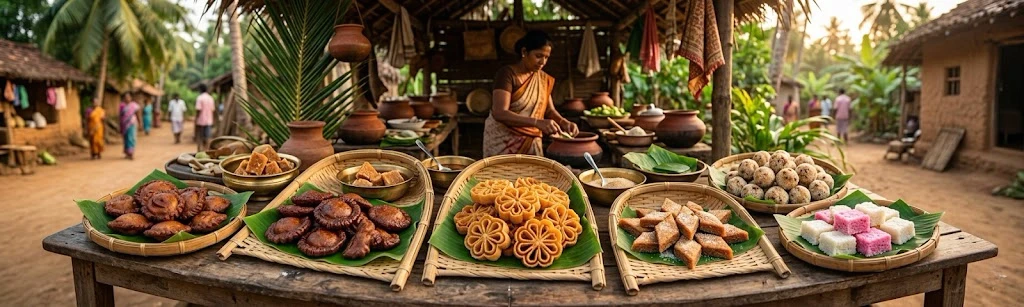
In the heart of Sri Lanka's verdant landscapes, far from the bustling city centers, lies a rich culinary heritage deeply rooted in tradition. This heritage is nowhere more evident than in the preparation of handmade sweet treats, recipes passed down through generations, each imbued with the essence of rural life and local bounty. These are not just desserts; they are edible stories, evoking warmth, community, and a profound connection to the land.
The Allure of Rural Sri Lankan Desserts
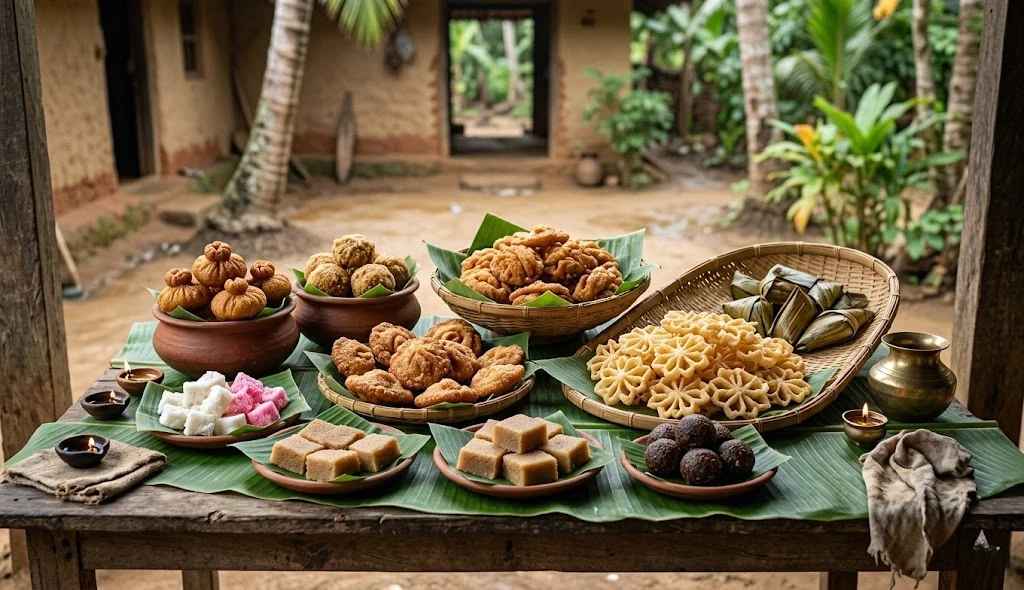
The charm of rural Sri Lankan sweets lies in their simplicity and their reliance on fresh, locally sourced ingredients. Think of the sun-ripened fruits, the fragrant jaggery derived from coconut or kithul palm sap, and the aromatic spices that grow abundantly on the island. These elements are masterfully combined by skilled hands, transforming humble ingredients into exquisite delights. Unlike mass produced confections, these homemade treats possess an unparalleled depth of flavor and a unique texture, a testament to the care and passion invested in their creation.
Among the most beloved traditional Sri Lankan sweets are kovul and kavum. Kovul, often made with rice flour and coconut milk, is a delicate, crispy fritter that shatters with the slightest bite. Its subtle sweetness and airy texture make it a delightful accompaniment to any meal or a perfect standalone snack. Kavum, on the other hand, is a richer, more substantial treat. Typically made from rice flour and jaggery, it is deep fried to a beautiful golden brown, offering a satisfying chewiness and a robust caramel flavor. These are not just everyday sweets; they are central to Sri Lankan festivals and celebrations, symbolizing prosperity and joy.

Another iconic Sri Lankan dessert, particularly popular in Muslim communities but enjoyed by all, is watalappan. This steamed custard pudding is a symphony of flavors and textures. Made with rich coconut milk, palm jaggery, eggs, and an aromatic blend of spices like cardamom and nutmeg, watalappan is baked or steamed until it achieves a silken smooth consistency. Toasted cashews are often sprinkled on top, adding a delightful crunch. The deep, complex sweetness of the jaggery combined with the warmth of the spices creates a truly unforgettable dessert experience that perfectly embodies the essence of homemade Sri Lankan treats.
For those seeking a taste of pure, unadulterated sweetness, aggala is a revelation. These small, bite sized balls are a staple in many Sri Lankan households. Primarily made from roasted rice flour and jaggery, their preparation is remarkably straightforward, yet the result is incredibly satisfying. The toasted rice flour lends a subtle nutty flavor, while the jaggery provides a natural, earthy sweetness. Aggala are often enjoyed as a quick energy boost or as a simple indulgence, showcasing how basic ingredients can be transformed into something truly special with skillful preparation.
Preserving a Culinary Legacy
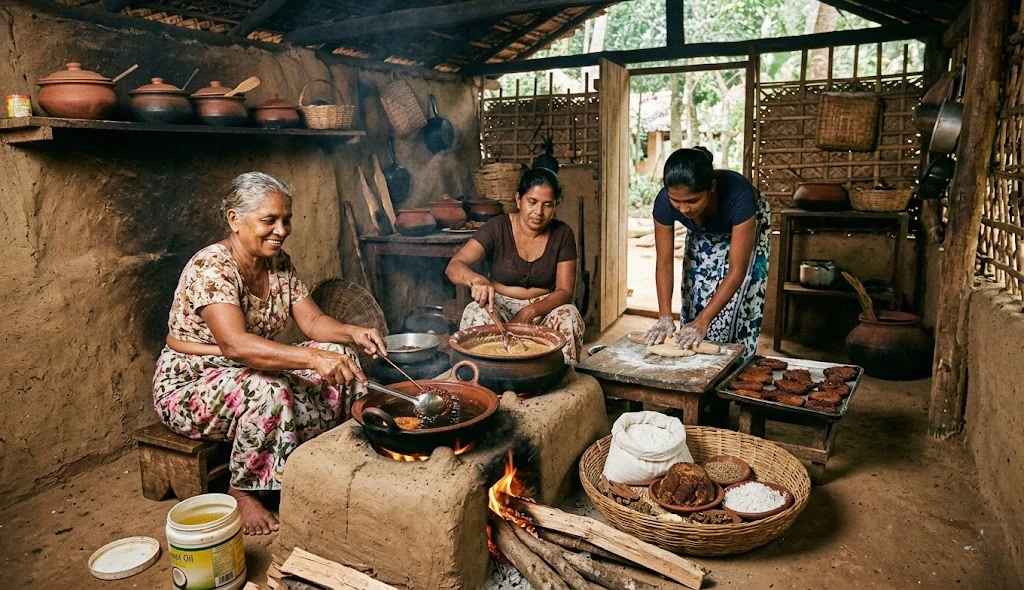
The creation of these handmade sweet treats is more than just cooking; it is an act of cultural preservation. In an era of rapid globalization and industrialized food production, the continued existence of these village sweet recipes is vital. They connect younger generations to their ancestral roots, fostering an appreciation for traditional foodways. The process often involves gathering specific ingredients, communal cooking sessions, and the sharing of knowledge, strengthening the social fabric of rural communities.
A Taste of Authenticity
Experiencing handmade sweet treats from rural Sri Lanka is an invitation to a more authentic and slower pace of life. It is an opportunity to savor flavors that are as rich and vibrant as the island itself. Whether you are a seasoned traveler or a culinary enthusiast, seeking out these traditional Sri Lankan sweets offers a unique window into the soul of Sri Lanka. Each bite is a reminder of the enduring power of tradition, the beauty of simplicity, and the unparalleled joy of food made with love and skill.
Most Popular









Anaya
comment1