



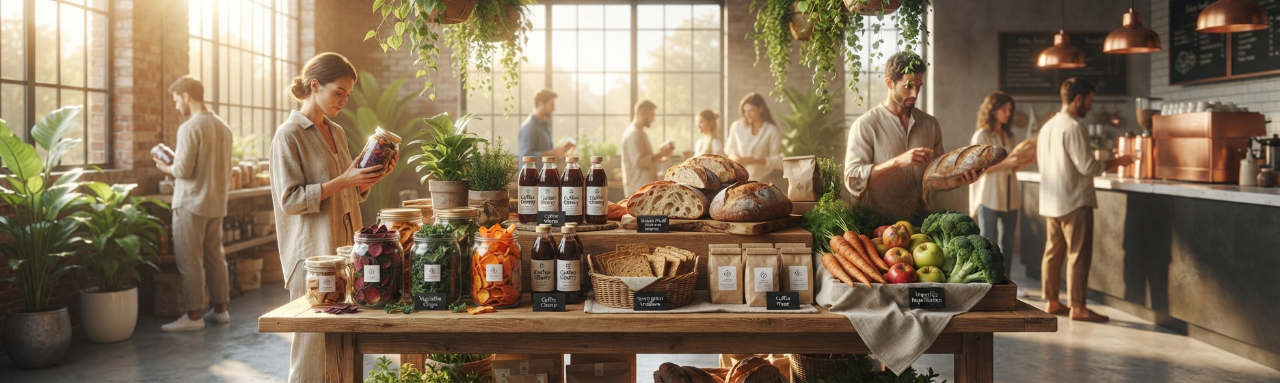
Every year, millions of tons of perfectly edible food are wasted around the world. Surprisingly, much of this waste isn't spoiled food—it includes fruit peels, vegetable stems, coffee cherries, surplus grains, and imperfect produce that never reaches consumers.
The good news? A new movement is transforming these overlooked ingredients into innovative, delicious, and nutritious foods.
Welcome to the world of upcycled foods.
Rather than throwing valuable ingredients away, food innovators are creating snacks, beverages, flours, chocolates, sauces, cereals, and even gourmet meals from ingredients that would otherwise become waste.
In 2026, upcycled foods aren't just an environmental trend—they're becoming one of the smartest ways to eat sustainably without sacrificing taste.
What Are Upcycled Foods?
Upcycled foods are made using ingredients that would normally be discarded but are still completely safe, nutritious, and flavorful.
Instead of becoming landfill waste, these ingredients are transformed into high-quality food products.
Examples include:
- Fruit pulp from juice production
- Brewing grains from beer making
- Coffee fruit
- Vegetable stems and leaves
- Imperfect fruits and vegetables
- Bread nearing its sell-by date
- Broken rice
- Whey from cheese production
This process reduces waste while making better use of natural resources.
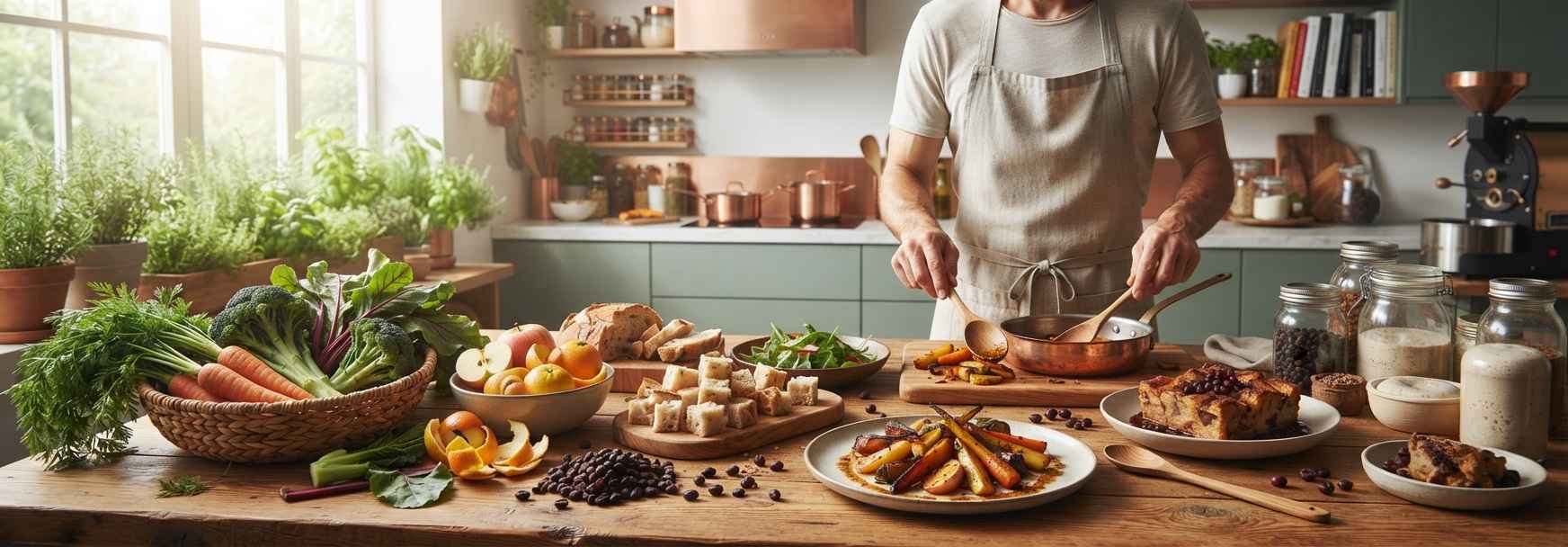
Why Upcycled Foods Matter
Food waste contributes significantly to greenhouse gas emissions and unnecessary use of water, land, and energy.
Choosing upcycled foods helps:
- Reduce food waste
- Lower carbon emissions
- Support sustainable agriculture
- Save natural resources
- Encourage food innovation
- Create new income opportunities for farmers
Every purchase helps keep edible ingredients in the food system instead of the trash.
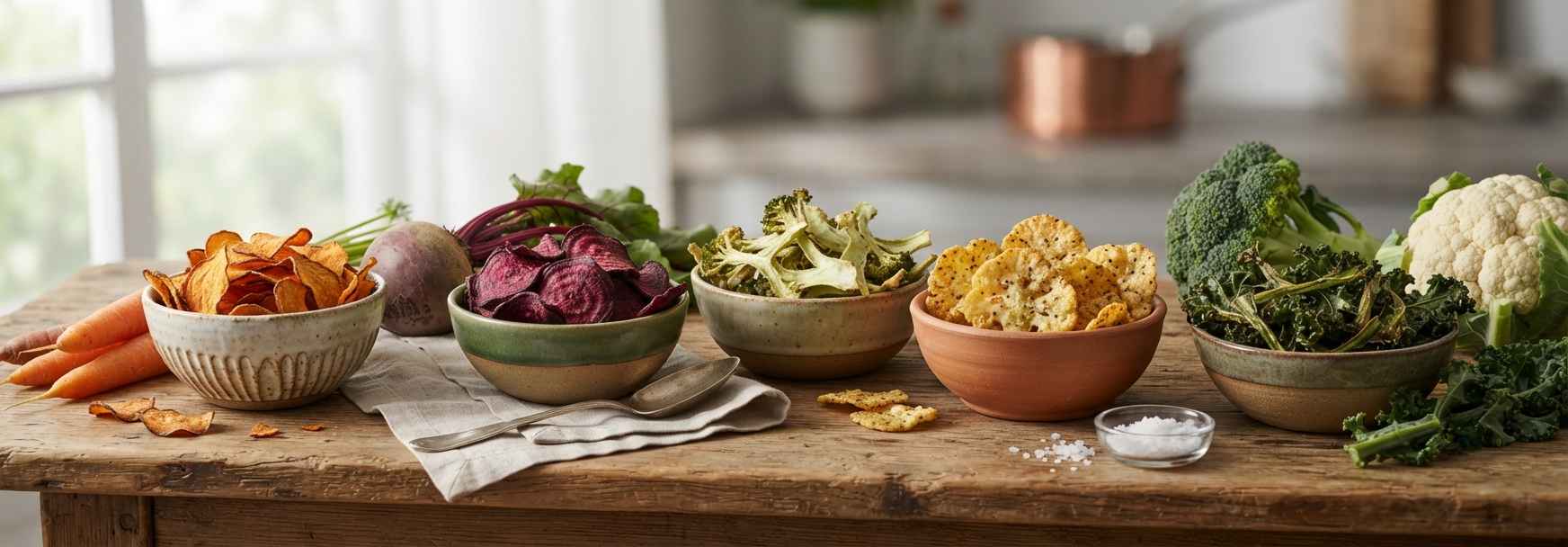
1. Snacks Made from Vegetable Scraps
Fresh vegetables often lose perfectly edible skins, stems, and leaves during processing.
Instead of wasting them, companies transform these leftovers into crispy chips, crackers, and crunchy snacks.
Popular examples include:
- Carrot chips
- Beetroot crisps
- Broccoli stem chips
- Cauliflower crackers
They're rich in fiber, vitamins, and surprisingly flavorful.
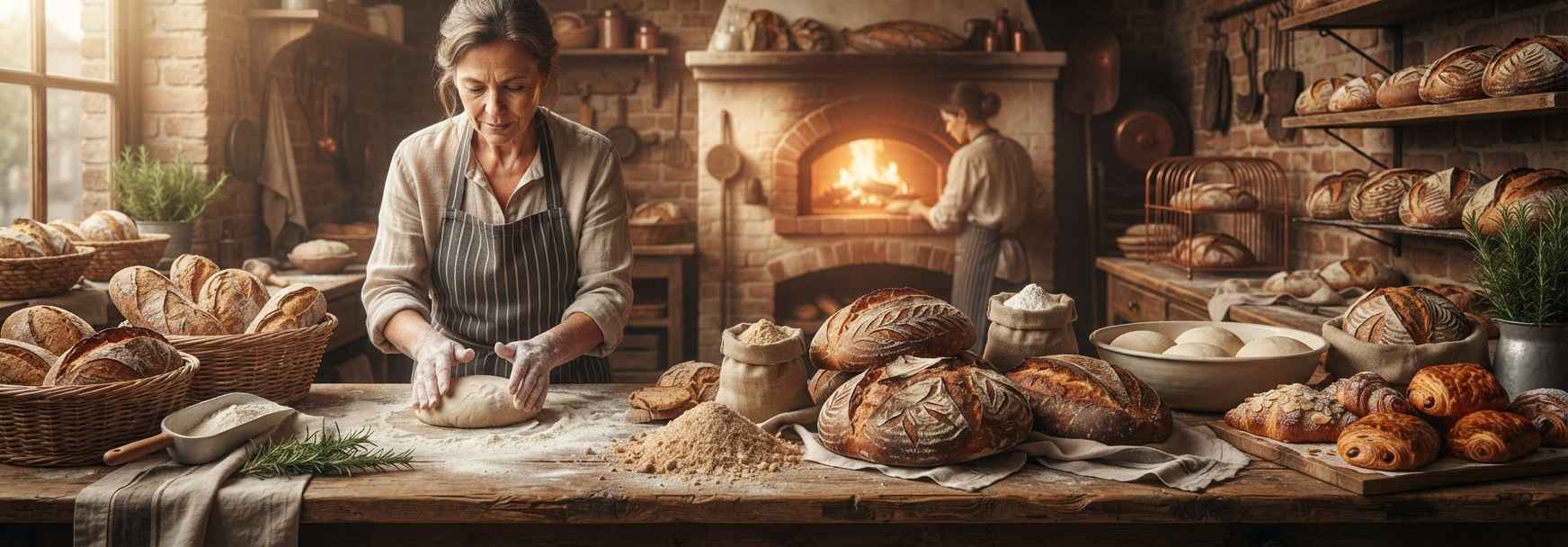
2. Bread Made from Surplus Bakery Products
Millions of loaves of bread are discarded daily.
Innovative bakeries now grind surplus bread into flour, creating fresh loaves, pizza dough, cookies, and breadcrumbs.
This simple idea dramatically cuts bakery waste while producing delicious baked goods.
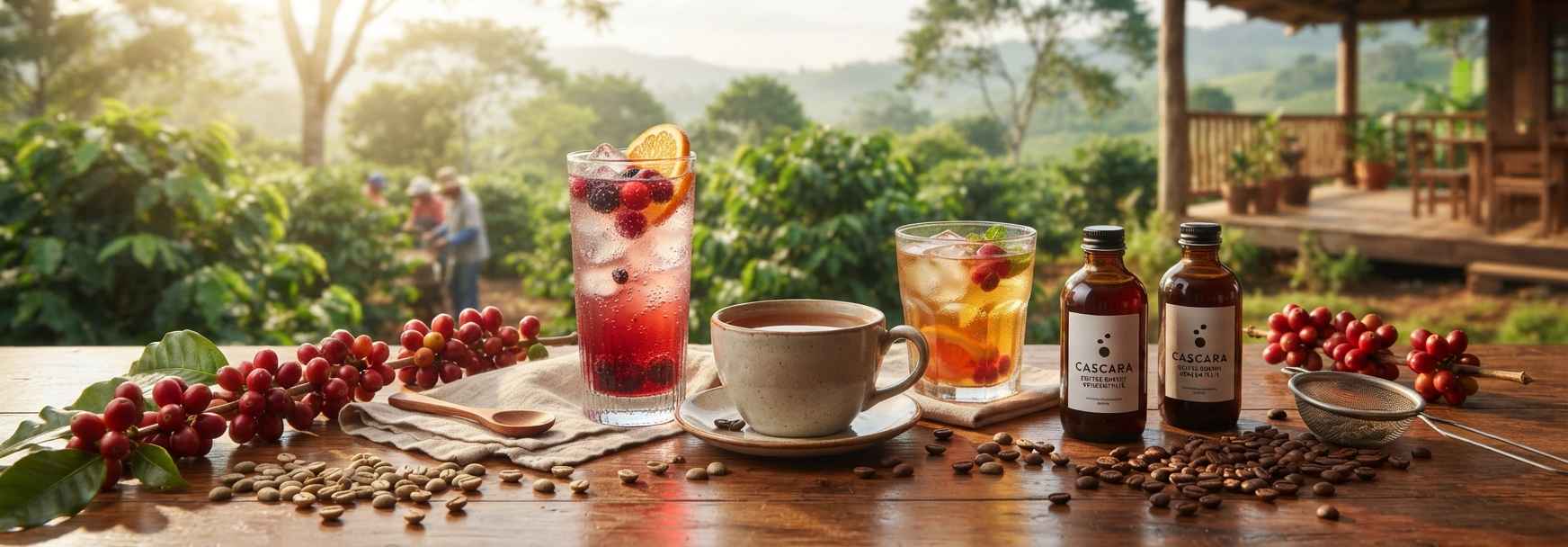
3. Coffee Cherry Drinks
Most people know coffee beans.
Few realize the colorful fruit surrounding the bean is usually discarded.
That fruit, known as the coffee cherry, is naturally sweet and packed with antioxidants.
Today it's transformed into:
- Sparkling drinks
- Herbal teas
- Fruit concentrates
- Energy beverages
The result is refreshing, fruity, and sustainable.
Upcycled foods prove that innovation and sustainability can go hand in hand. What was once considered waste is now becoming gourmet ingredients, nutritious snacks, and exciting culinary creations.
Whether you're sipping a refreshing coffee cherry drink, enjoying crackers made from vegetable stems, or baking with spent grain flour, every bite helps reduce food waste and supports a more sustainable food system.
In 2026, trying upcycled foods isn't just a food trend—it's a meaningful step toward protecting the planet while discovering surprisingly delicious flavors.
Most Popular







Anaya
comment1