




Every destination has its famous landmarks, but some of the world's greatest treasures aren't found in museums or castles—they're waiting inside local bakeries, family kitchens, mountain villages, and centuries-old cafés.
These rare traditional desserts represent generations of craftsmanship, local ingredients, and cultural heritage. Unlike globally famous treats such as macarons or tiramisu, these sweets remain authentic regional specialties that travelers often discover only by venturing off the beaten path.
If you're planning your next culinary adventure, these extraordinary desserts deserve a place on your travel bucket list.
1. Kakigōri (Japan)
Although shaved ice is common worldwide, authentic Japanese Kakigōri is a masterpiece.
The ice is shaved so finely that it melts instantly on your tongue, creating a cloud-like texture unlike any ordinary snow cone.
Traditional flavors include:
- Matcha
- Yuzu citrus
- Sakura cherry blossom
- Sweet red bean
- Black sesame
Many family-run dessert shops still use recipes passed down through generations.

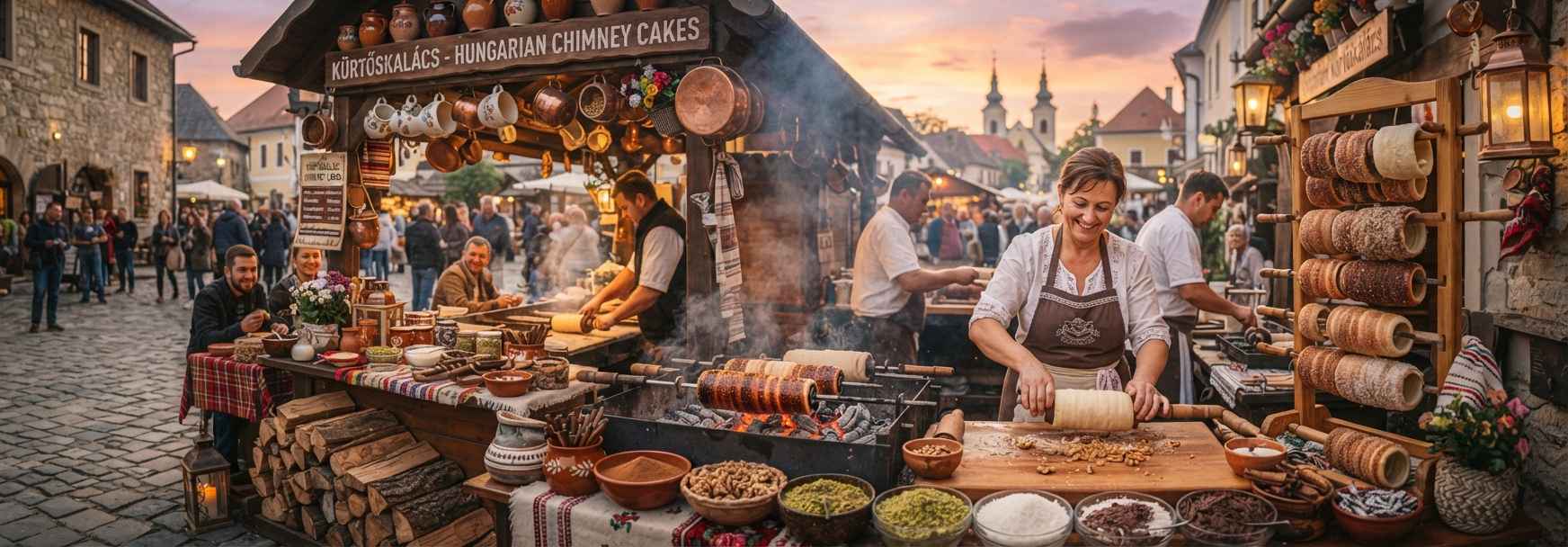
2. Kürtőskalács (Hungary)
Often called Chimney Cake, Kürtőskalács originated centuries ago in Transylvania.
Fresh dough is wrapped around wooden cylinders, slowly roasted over charcoal, and coated in caramelized sugar.
Modern toppings include:
- Cinnamon
- Walnuts
- Vanilla
- Coconut
- Pistachios
- Chocolate
The crispy outside and soft interior make it unforgettable.
3. Qatayef (Middle East)
Traditionally prepared during Ramadan, Qatayef are stuffed pancakes filled with:
- Sweet cheese
- Walnuts
- Pistachios
- Cream
They are folded, fried or baked, and finished with fragrant rosewater syrup.
Every region prepares them differently, making each destination unique.

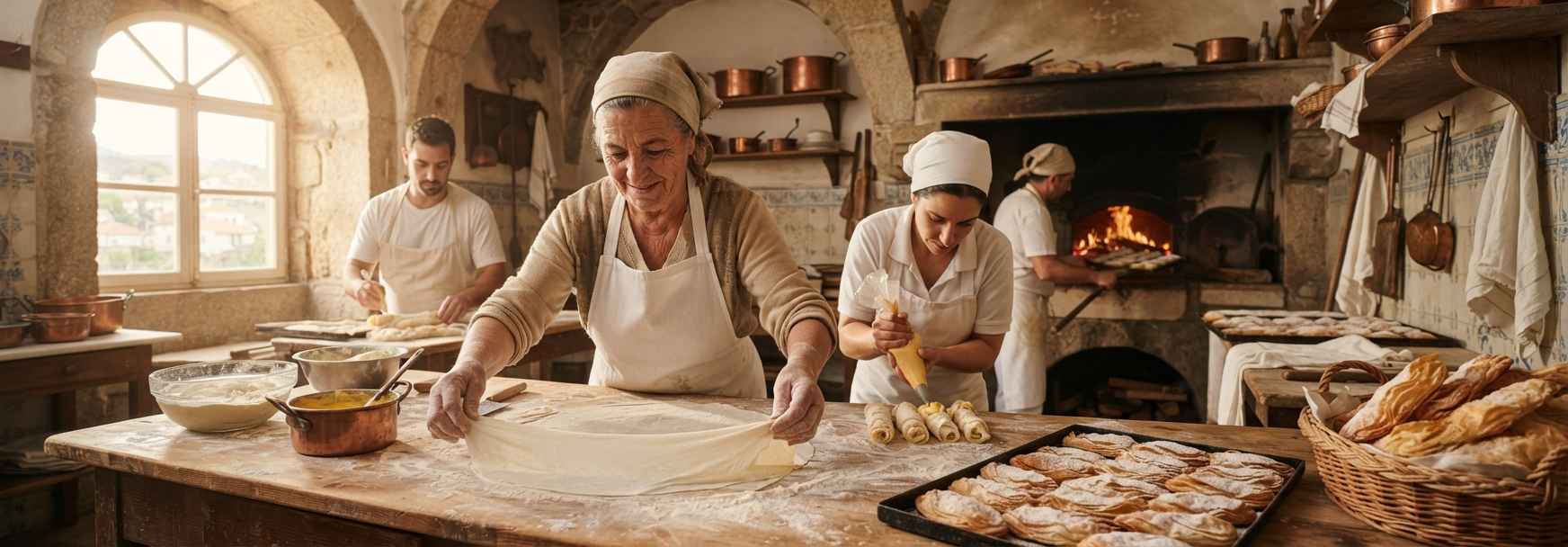
4. Pasteis de Tentúgal (Portugal)
Unlike the famous custard tart, this lesser-known Portuguese treasure comes from the small village of Tentúgal.
The pastry contains incredibly thin layers of dough filled with rich egg yolk cream.
Its recipe dates back to convent kitchens hundreds of years ago.
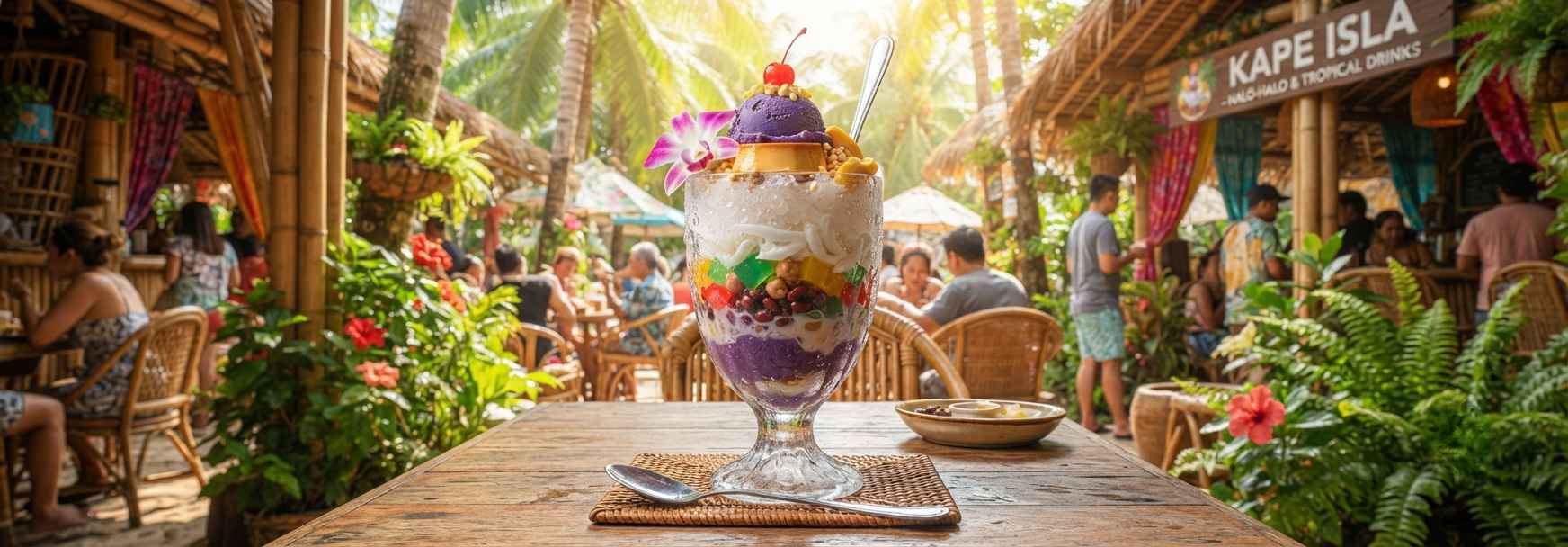
5. Halo-Halo (Philippines)
Meaning "mix mix," Halo-Halo combines colorful ingredients into one refreshing dessert.
Typical ingredients include:
- Ube
- Sweet beans
- Coconut strips
- Palm fruit
- Leche flan
- Purple yam ice cream
- Crushed ice
- Evaporated milk
Every region offers its own special version.
Why Dessert Tourism Is Growing
Food has become one of the biggest reasons people travel.
Rather than simply visiting famous attractions, travelers now seek authentic culinary experiences that tell the story of local traditions. Rare desserts offer a unique glimpse into regional history, seasonal ingredients, religious celebrations, and family recipes that have survived for centuries.
These hidden sweets create memories that last far longer than photographs, making dessert tourism one of the fastest-growing trends in culinary travel.
Tips for Finding Authentic Traditional Desserts
- Visit local markets instead of tourist restaurants.
- Ask residents where they buy desserts.
- Explore historic bakeries with decades of tradition.
- Attend local festivals featuring regional sweets.
- Try seasonal specialties available only during certain celebrations.
- Support family-owned businesses preserving traditional recipes.
The world's rare traditional desserts are more than delicious treats—they are edible pieces of history. Whether you're savoring silky Wattalappam in Sri Lanka, enjoying freshly baked Chimney Cake in Hungary, or cooling off with authentic Kakigōri in Japan, each dessert tells a story that connects travelers with local culture.
If you're planning your next adventure in 2026, don't just chase famous landmarks. Follow the scent of fresh pastries, the warmth of local bakeries, and the traditions hidden in every sweet bite. Some of the world's most unforgettable travel memories begin with dessert.
Most Popular








Anaya
comment1