



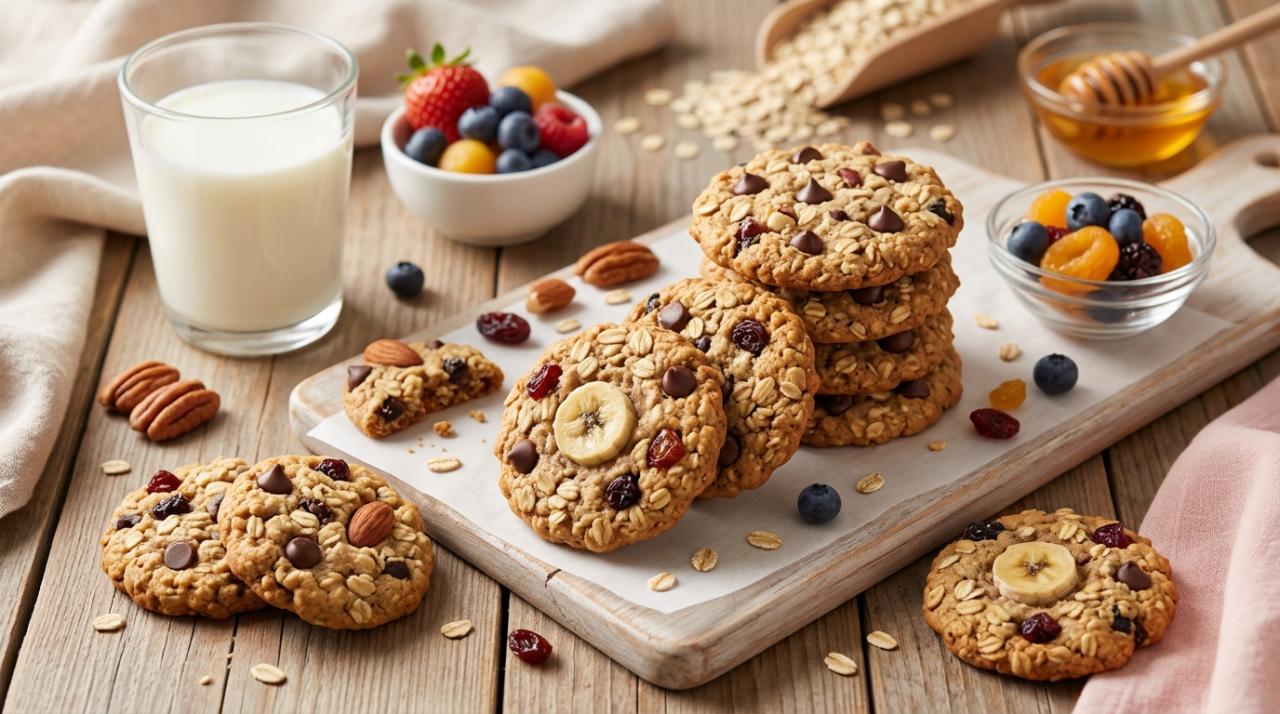
In the realm of childhood joys, few treats rival the simple pleasure of a freshly baked cookie. For parents and guardians, the desire to provide these delightful moments often intertwines with the crucial need for nutritious options. Balancing the appeal of a sweet treat with wholesome ingredients can seem like a culinary challenge, but it is an achievable and rewarding endeavor. This guide explores the art of creating cookies for children that are not only delicious and appealing to young palates but also packed with beneficial nutrients.
The Foundation of Healthy Baking 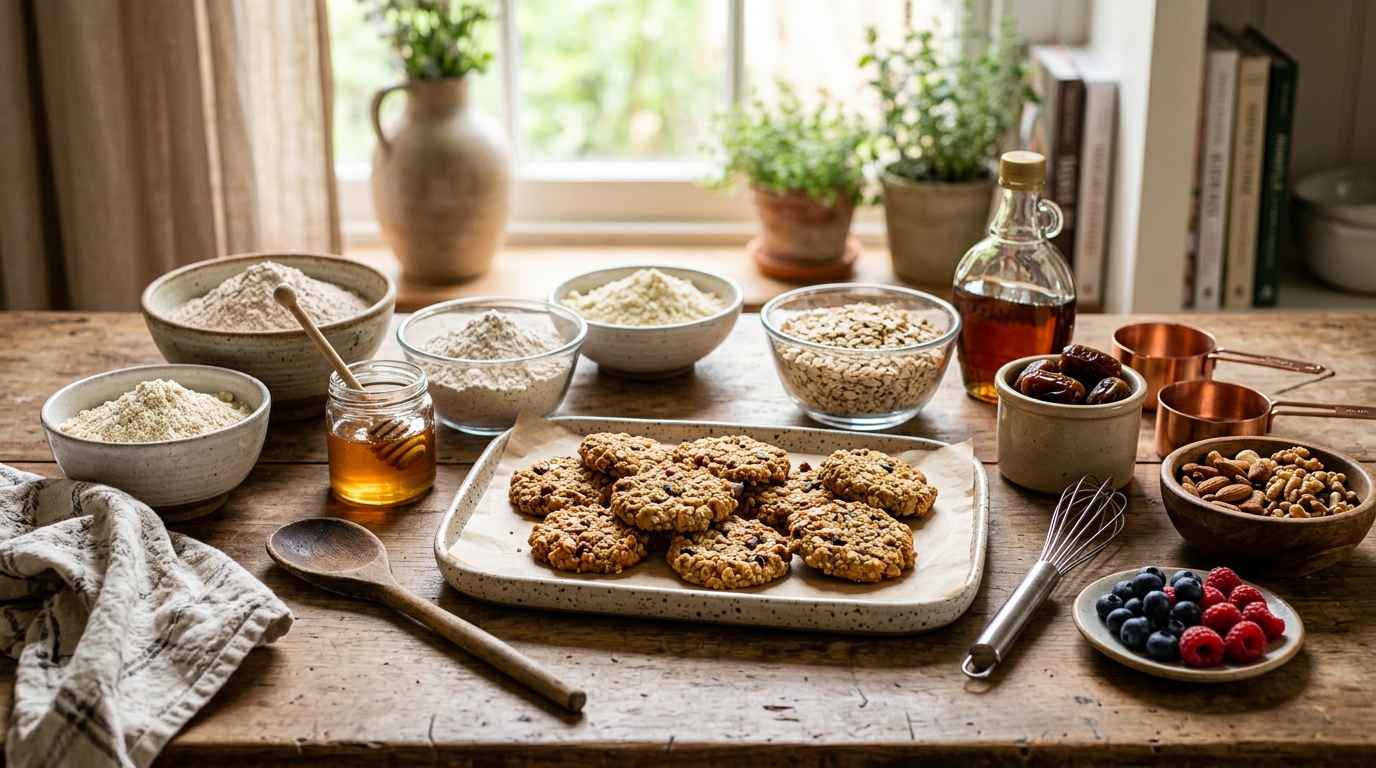
When embarking on the journey of baking child friendly cookies, the selection of ingredients forms the bedrock of success. Moving beyond the standard white flour and refined sugar opens up a world of healthier possibilities. Whole wheat flour, oat flour, or even almond flour can be incorporated to boost fiber content and provide essential minerals. Similarly, natural sweeteners like honey, maple syrup, or date paste offer a more nuanced flavor profile and a gentler impact on blood sugar levels compared to refined white sugar.
Incorporating Hidden Goodness 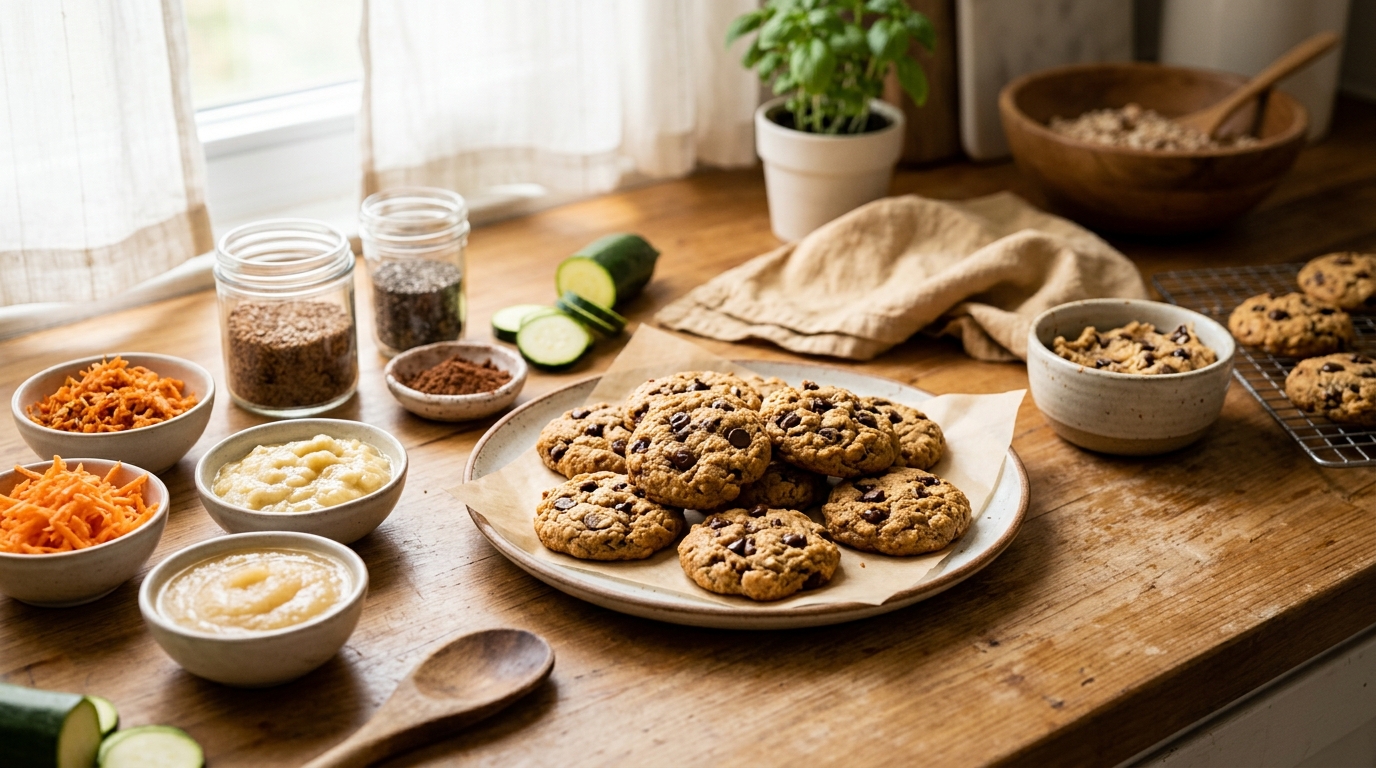
One of the most ingenious aspects of baking for children is the ability to artfully conceal nutrient rich ingredients. Finely grated vegetables such as carrots or zucchini can add moisture and a subtle sweetness without altering the cookie's primary flavor. Pureed fruits like applesauce or mashed bananas are excellent substitutes for some of the fat and can contribute to a tender crumb. Seeds like chia or flax, when ground, can be a fantastic source of omega 3 fatty acids and fiber. Even a small addition of unsweetened cocoa powder can provide antioxidants while appealing to a child's love for chocolate.
Flavor and Texture Appeal 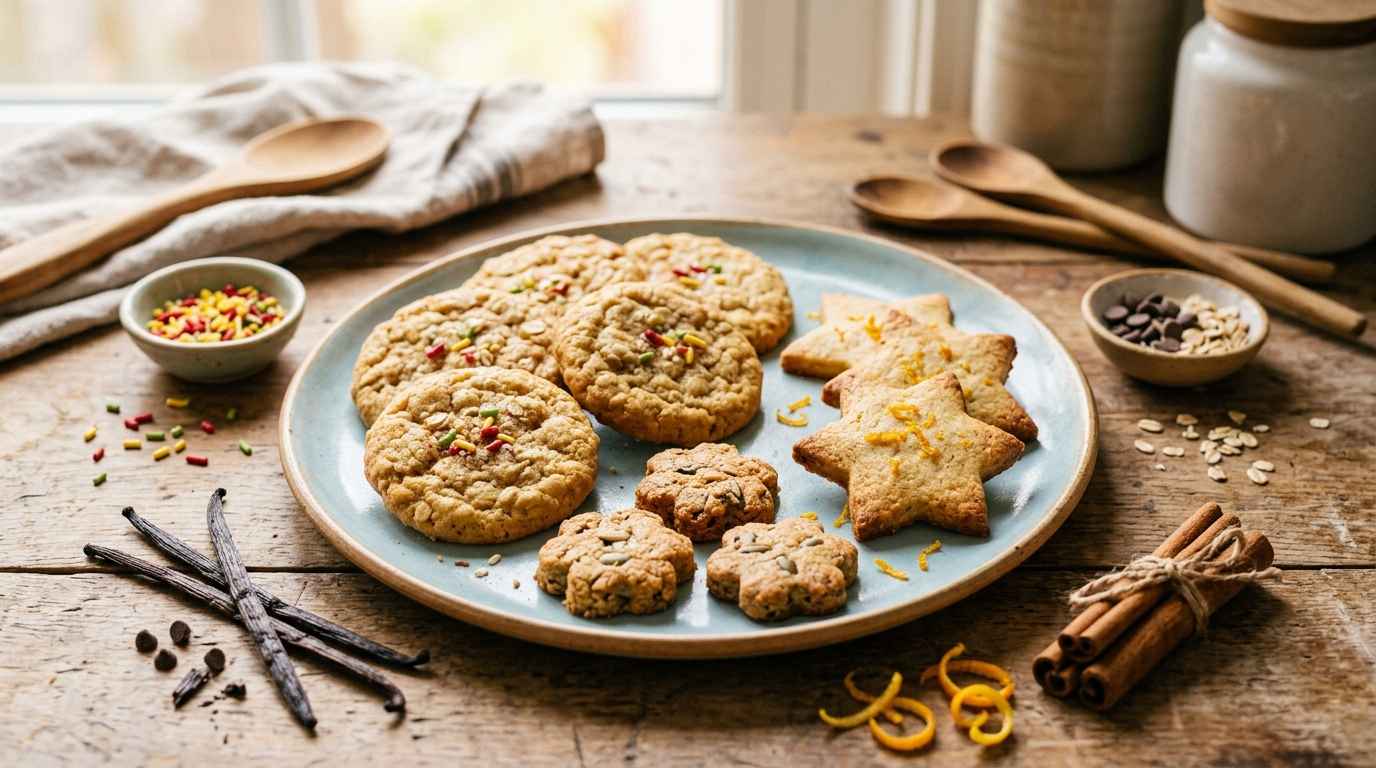
Beyond nutrition, the sensory experience of a cookie is paramount for its acceptance by young eaters. The right balance of sweetness, a pleasant texture, and an appealing appearance can make all the difference. For texture, aim for cookies that are slightly chewy or delightfully crisp, depending on preference. Avoid overly hard or crumbly cookies that can be difficult for little ones to manage. Flavorings like vanilla extract, cinnamon, or a hint of citrus zest can elevate the taste without relying solely on sugar. Visual appeal can be enhanced with fun shapes, colorful (natural) sprinkles, or simple decorative touches.
Creative Cookie Ideas 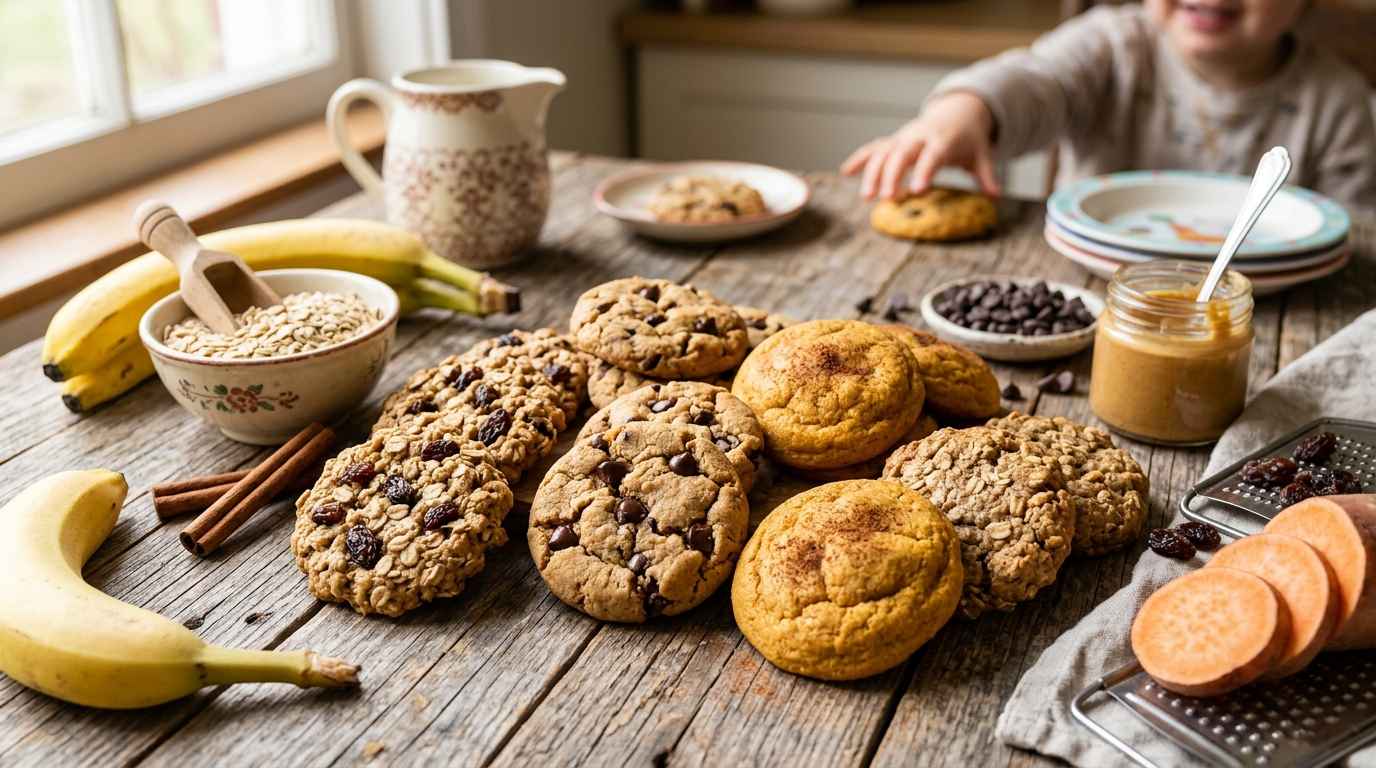
Consider a range of cookie types to keep things exciting. Oatmeal Raisin Cookies, for instance, are a classic for a reason. Using whole rolled oats and swapping some sugar for mashed banana or apple sauce makes them a more wholesome choice. Peanut Butter Chocolate Chip Cookies can be made with natural peanut butter and dark chocolate chips for added antioxidants. For a vibrant option, try Sweet Potato and Cinnamon Cookies, where the sweet potato provides moisture, sweetness, and beta carotene. Another popular choice is Banana Oat Cookies, which are naturally sweetened by ripe bananas and packed with fiber from oats.
Tips for Success 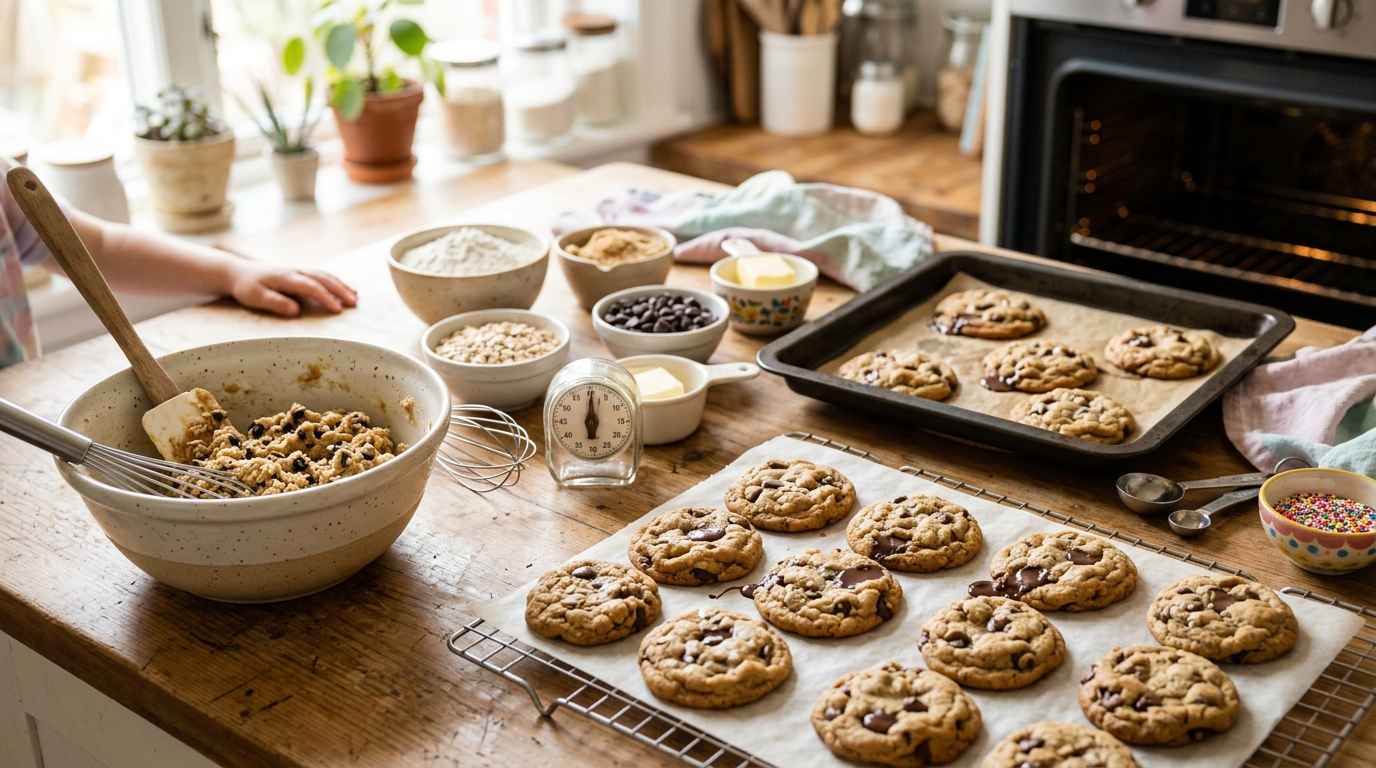
When baking with or for children, remember that consistency is key. Ensure your ingredients are measured accurately. Overmixing the dough can lead to tough cookies, so gentle mixing is advisable. Baking times can vary, so keep an eye on the cookies to prevent burning. Allowing cookies to cool completely on a wire rack will help them achieve the desired texture.
Most Popular












Anaya
comment1