



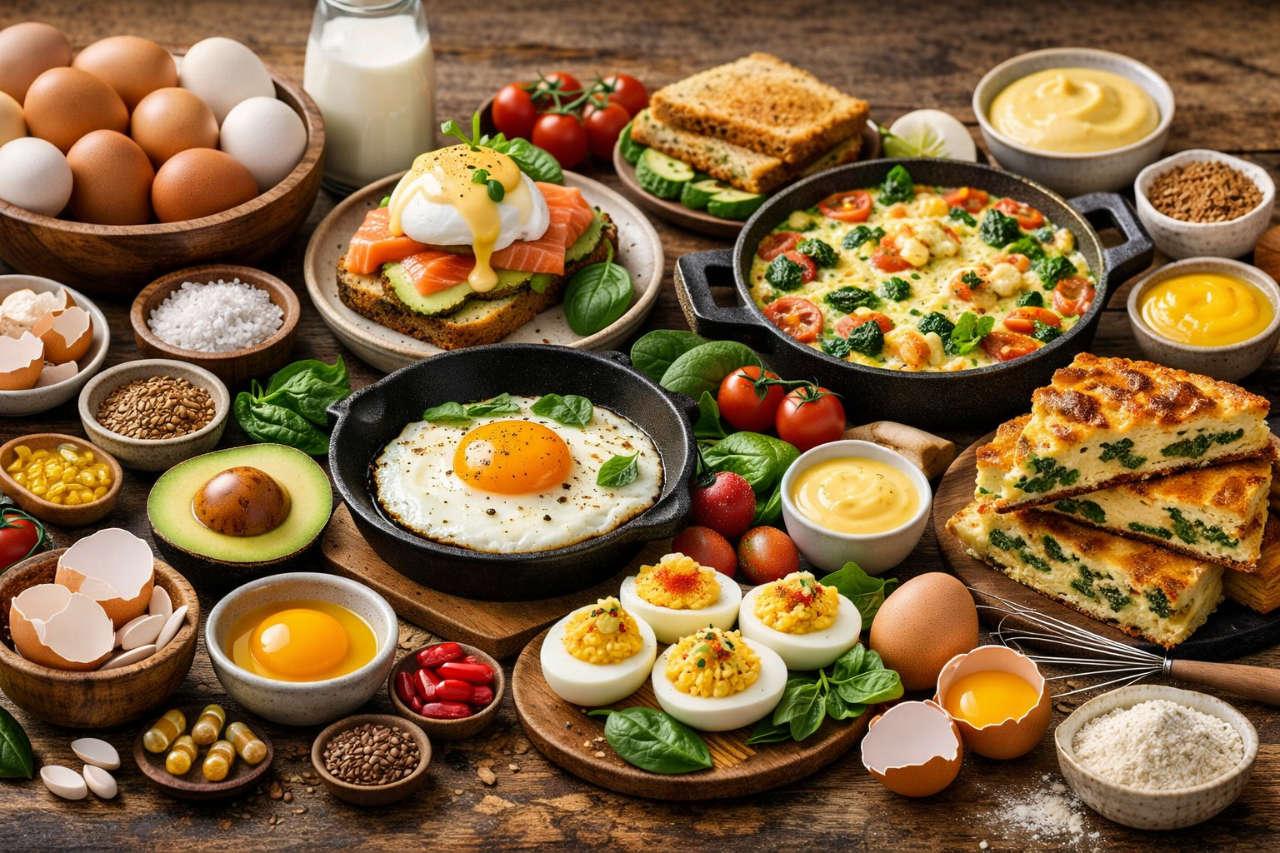
In the vast and diverse world of food, few ingredients boast the versatility, affordability, and nutritional punch of the humble egg. Often overlooked as a breakfast staple, the egg is a culinary chameleon, effortlessly transforming from a simple fried delight to a sophisticated component in complex dishes. Beyond its widespread appeal, the egg is also a nutritional powerhouse, packed with essential vitamins, minerals, and high quality protein. This exploration delves into the multifaceted nature of eggs, examining their nutritional benefits, diverse culinary applications, and the simple yet profound role they play in global diets.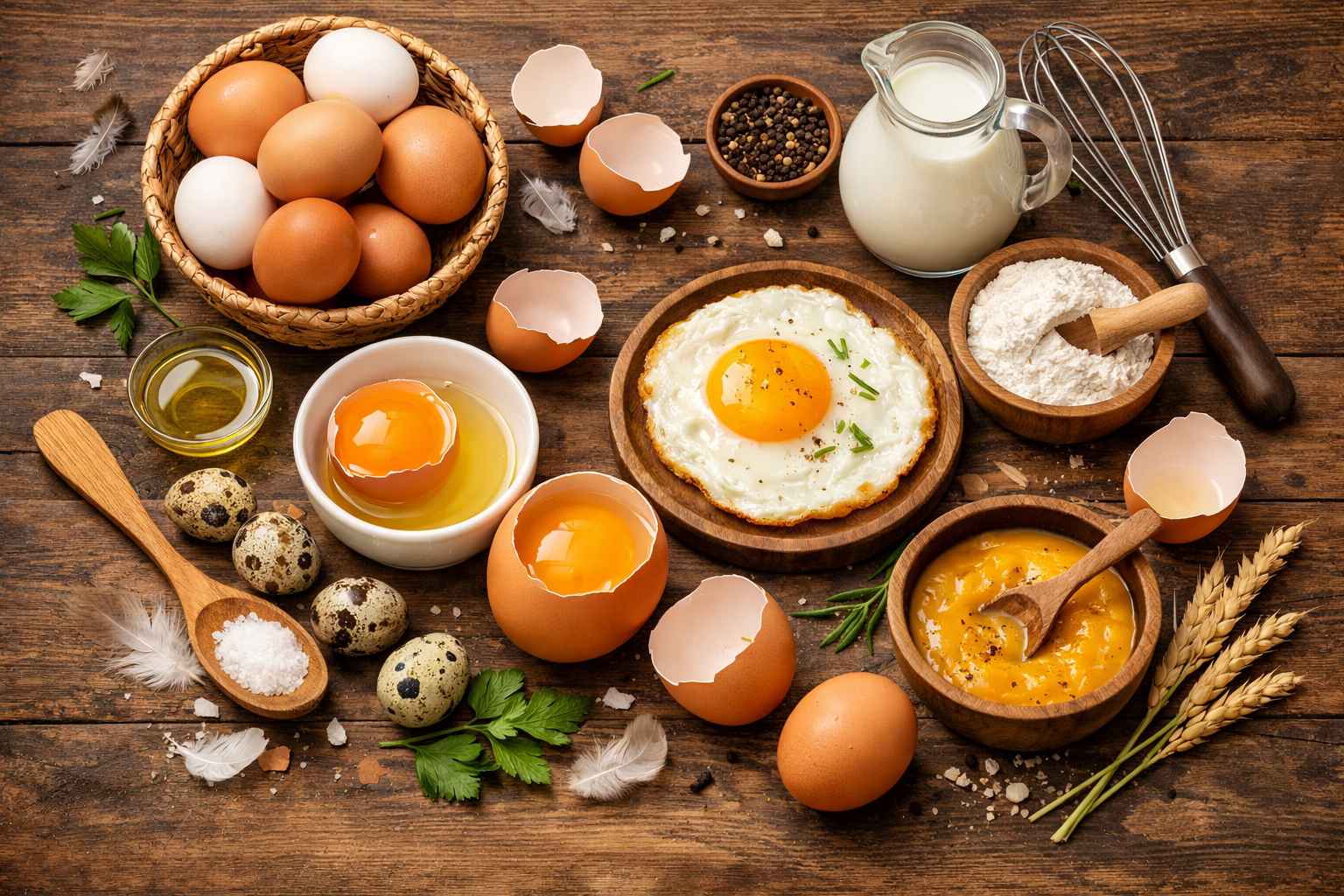
Nutritional Excellence: More Than Just Protein
When discussing the nutritional value of eggs, protein is often the first aspect that comes to mind, and rightly so. Eggs are an excellent source of complete protein, meaning they contain all nine essential amino acids that our bodies cannot produce on their own. This makes them invaluable for muscle repair, growth, and overall bodily function. However, the nutritional story of eggs extends far beyond protein.
Eggs are a rich source of vitamins, including vitamin D, vitamin B12, riboflavin (B2), and folate (B9). Vitamin D, crucial for bone health and immune function, is one of the few natural food sources. Vitamin B12 is vital for nerve function and the formation of red blood cells, while riboflavin plays a key role in energy metabolism. The yolk, in particular, is a concentrated source of these vitamins and minerals.
Furthermore, eggs contain essential minerals such as selenium, an antioxidant important for thyroid health, and phosphorus, which contributes to strong bones and teeth. They are also a good source of choline, a nutrient critical for brain health, memory, and liver function. For a long time, concerns about cholesterol in eggs were prevalent. However, modern dietary science recognizes that for most healthy individuals, dietary cholesterol has a minimal impact on blood cholesterol levels. The benefits of the nutrients found in eggs generally outweigh these concerns.
A Culinary Canvas: The Egg's Remarkable Versatility
The true magic of the egg lies in its incredible adaptability in the kitchen. Its ability to bind, emulsify, leaven, and add richness makes it an indispensable ingredient in countless recipes. From the breakfast table to the dinner plate and even into desserts, eggs perform a variety of functions with ease.
Consider the simple act of breakfast. A fried egg, scrambled egg, poached egg, or omelet offers a quick, satisfying, and nutritious start to the day. But its culinary journey doesn't end there. Eggs are the foundation of baked goods, providing structure and tenderness in cakes, muffins, and breads. In sauces and dressings, egg yolks act as emulsifiers, creating smooth and creamy textures in mayonnaise, hollandaise, and vinaigrettes. Custards, quiches, and frittatas showcase the egg's ability to set and form a cohesive dish.
Even in seemingly non-egg dishes, the egg often plays a supporting role. It can be used as a binder in meatballs and burgers, as a glaze for pastries, or as a wash to give bread a golden sheen. The sheer number of dishes that rely on eggs, either as a primary ingredient or a crucial supporting element, is staggering, highlighting its global culinary significance.
Choosing and Storing Eggs Wisely
With various types of eggs available, understanding the differences can be helpful. While the nutritional profiles are largely similar across conventional, cage free, free range, and organic eggs, the farming practices vary. Consumers may choose based on ethical considerations, environmental impact, or personal preference.
Proper storage of eggs is crucial for food safety and freshness. Eggs should be stored in their original carton in the coldest part of the refrigerator, typically on a middle shelf, not in the door where temperatures fluctuate. Keeping them in the carton protects them from absorbing odors and prevents accidental cracking.
The egg, in its unassuming form, is a testament to nature's efficiency and a cornerstone of global cuisine. Its exceptional nutritional profile, offering a wealth of protein, vitamins, and minerals, makes it a vital component of a healthy diet. Coupled with its unparalleled versatility in the kitchen, the egg proves to be an ingredient that is both fundamental and endlessly inspiring. Whether enjoyed simply or incorporated into elaborate culinary creations, the humble egg continues to nourish and delight palates worldwide, solidifying its status as an enduring food hero.

Most Popular













Anaya
comment1