



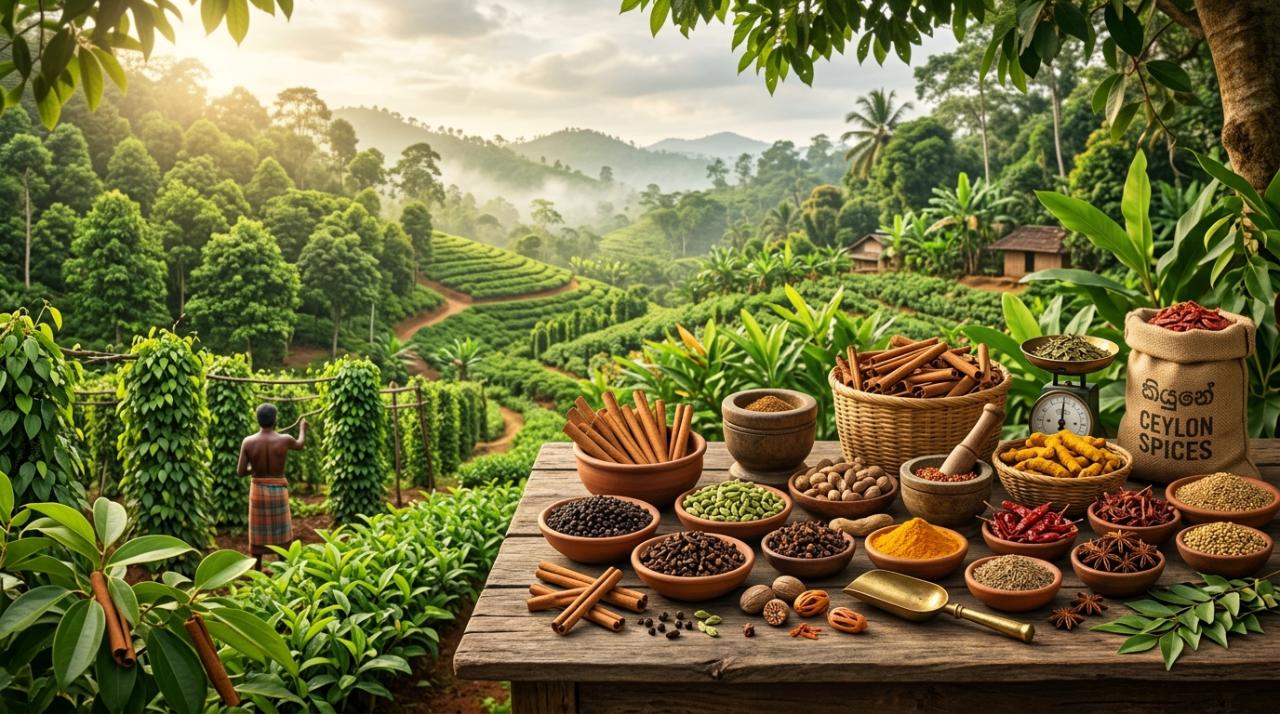
Embark on a Scented Adventure
Get ready to awaken your senses, because today we're taking a delightful journey through the heart of Sri Lanka, a land where spices aren't just ingredients, they're the very soul of its culture and cuisine. For centuries, this teardrop-shaped island has been a coveted treasure trove, its fertile lands producing some of the world's most aromatic and potent spices. From the bustling spice markets of Colombo to the verdant plantations nestled in the hill country, Sri Lanka's spice story is as rich and vibrant as its vibrant landscapes.
The Crown Jewel
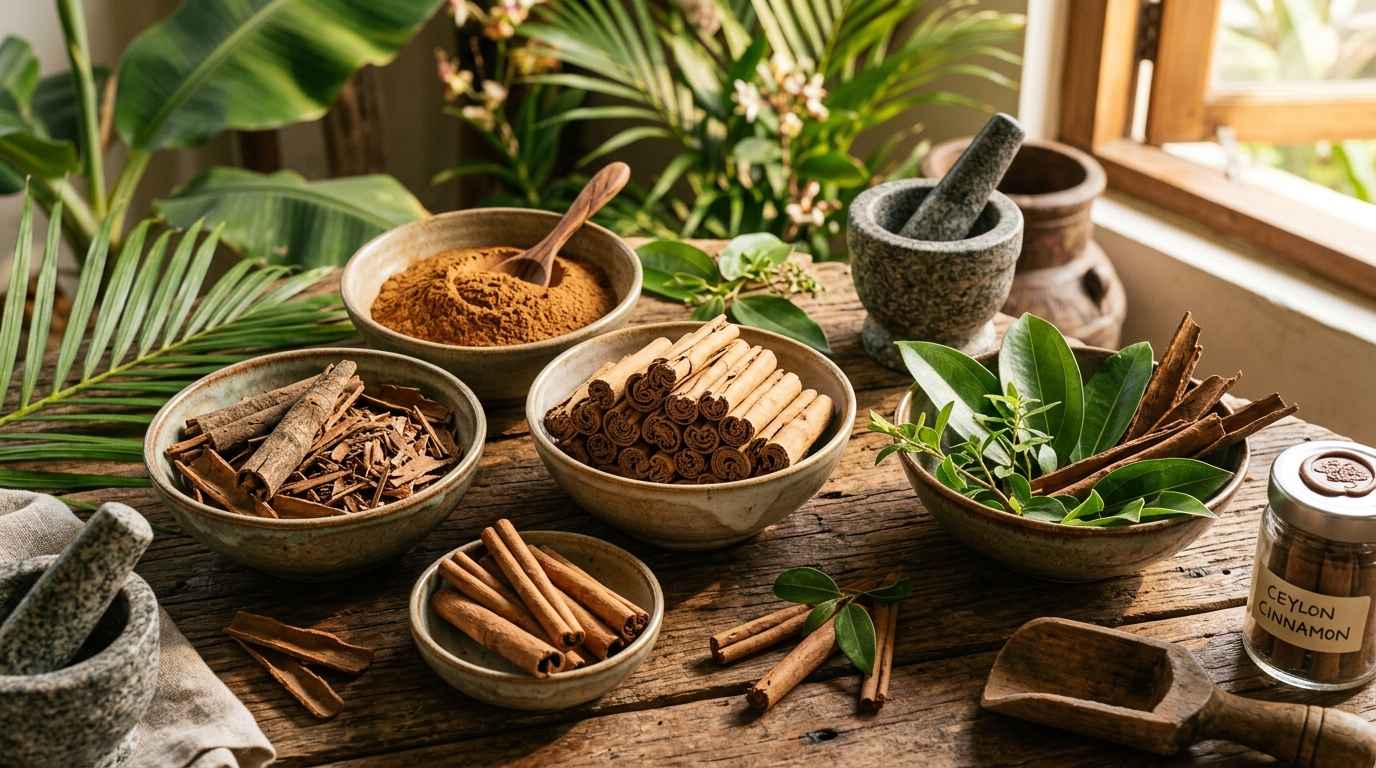
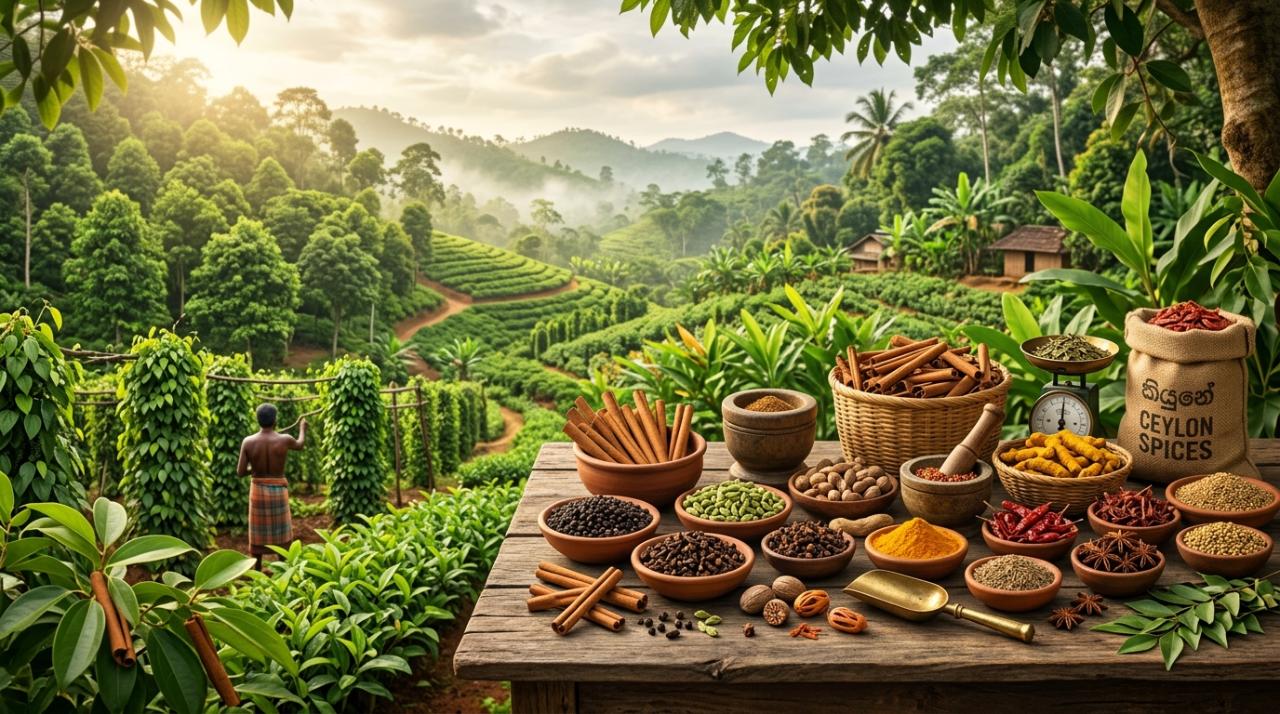
When we talk about Sri Lankan spices, one stands head and shoulders above the rest: Ceylon cinnamon. Often hailed as 'true cinnamon,' it's a far cry from the cassia variety you might find elsewhere. Ceylon cinnamon boasts a delicate, sweet, and complex flavor with subtle citrus notes. Its aroma is intoxicating, and its bark, rolled into thin quills, is a testament to the meticulous craftsmanship involved in its harvesting. Imagine sprinkling this fragrant magic onto your morning oatmeal, or infusing it into a warm mulled wine – it instantly elevates any dish. Sri Lanka is the world's leading producer of this prized spice, and its cultivation is deeply intertwined with the island's history and economy.
A Symphony of Flavors
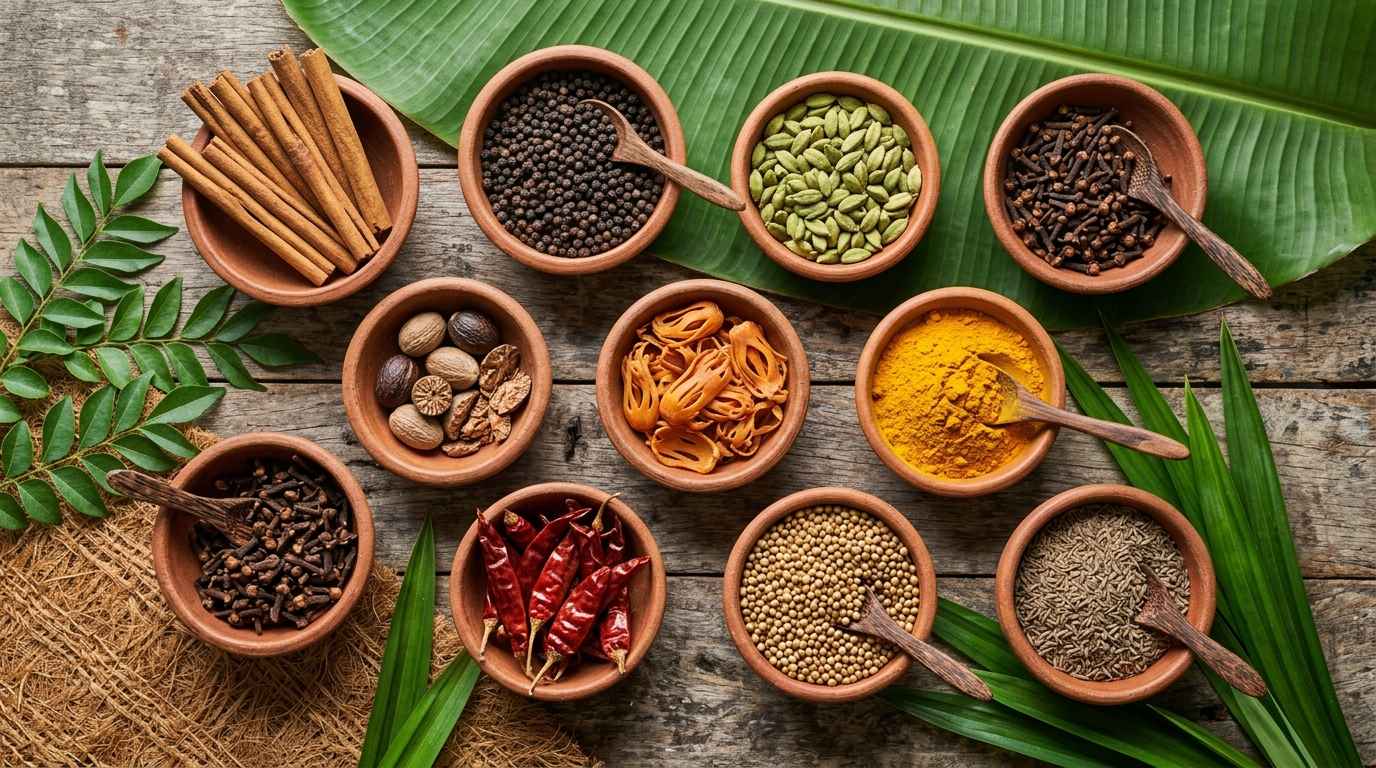
While Ceylon cinnamon might be the superstar, Sri Lanka's spice collection is a veritable orchestra of deliciousness. Let's delve into some other essential players:
The King of Spices
Sri Lankan black pepper is renowned for its pungent aroma and fiery kick. Grown in the lush, humid regions, these peppercorns pack a flavorful punch that adds depth and warmth to everything from curries to marinades. Did you know that pepper was once so valuable it was used as currency?
Green Gem of Aroma
The fragrant pods of green cardamom are a staple in Sri Lankan kitchens. Their sweet, slightly floral, and intensely aromatic flavor is a key component in many rice dishes, desserts, and of course, that quintessential cup of Ceylon tea. The pods are often lightly crushed to release their essential oils, infusing dishes with an unmistakable fragrance.
Pungent Powerhouses
With their strong, sweet, and pungent flavor, cloves are used sparingly but effectively in Sri Lankan cuisine. They lend a warming essence to rich meat dishes, curries, and traditional sweets. Their distinct aroma also makes them a popular ingredient in mulling spices and potpourri.
Cousins of Warmth
These two often go hand in hand. Nutmeg, the seed of the nutmeg tree, offers a warm, nutty, and slightly sweet flavor. Mace, its lacy outer covering, has a similar but more delicate and peppery profile. Both are used in sweet and savory dishes, adding a comforting depth.
The Golden Healer
More than just a vibrant coloring agent, turmeric has been revered for centuries for its medicinal properties. In Sri Lankan cooking, it imparts a beautiful golden hue to curries and rice dishes, along with a mild, earthy flavor. Its anti-inflammatory benefits are well documented, making it a beloved spice for both culinary and health purposes.
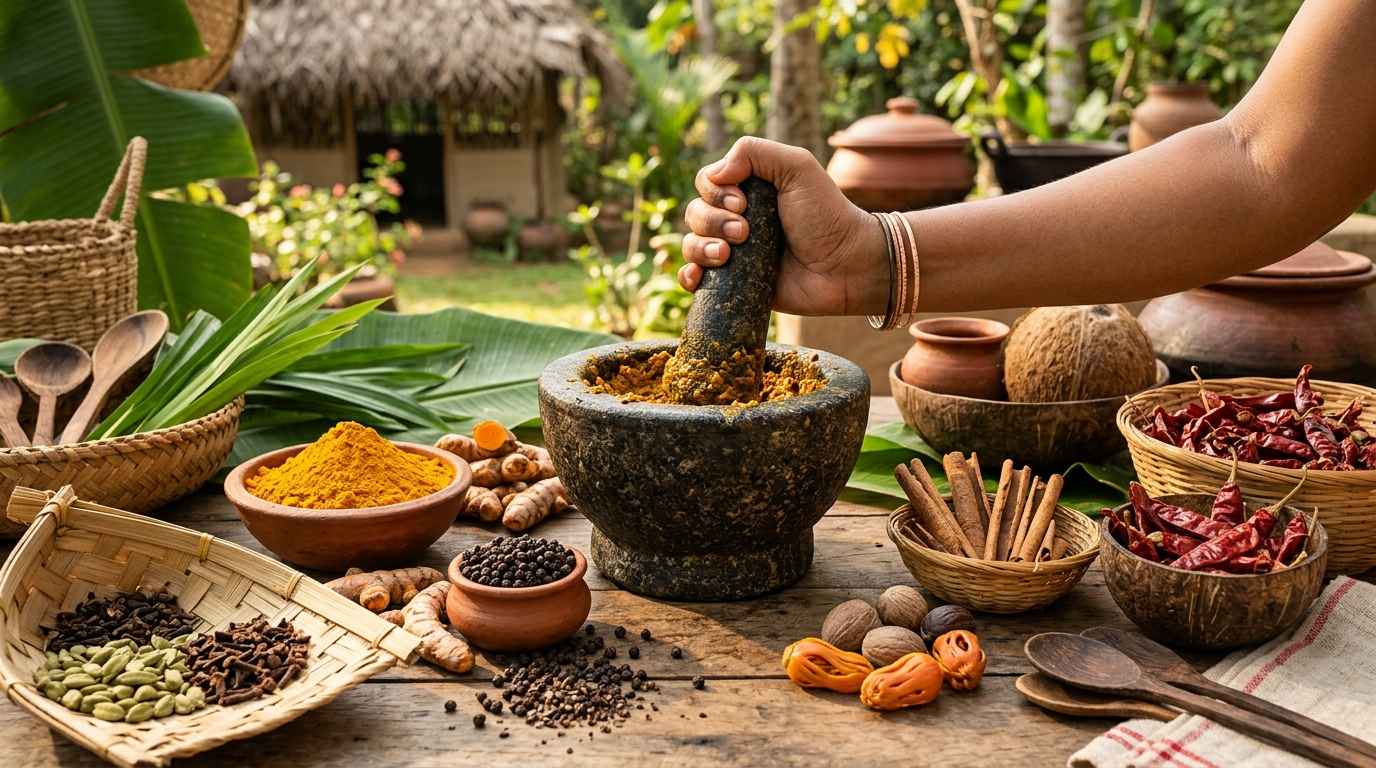
Sri Lankan Spice Culture
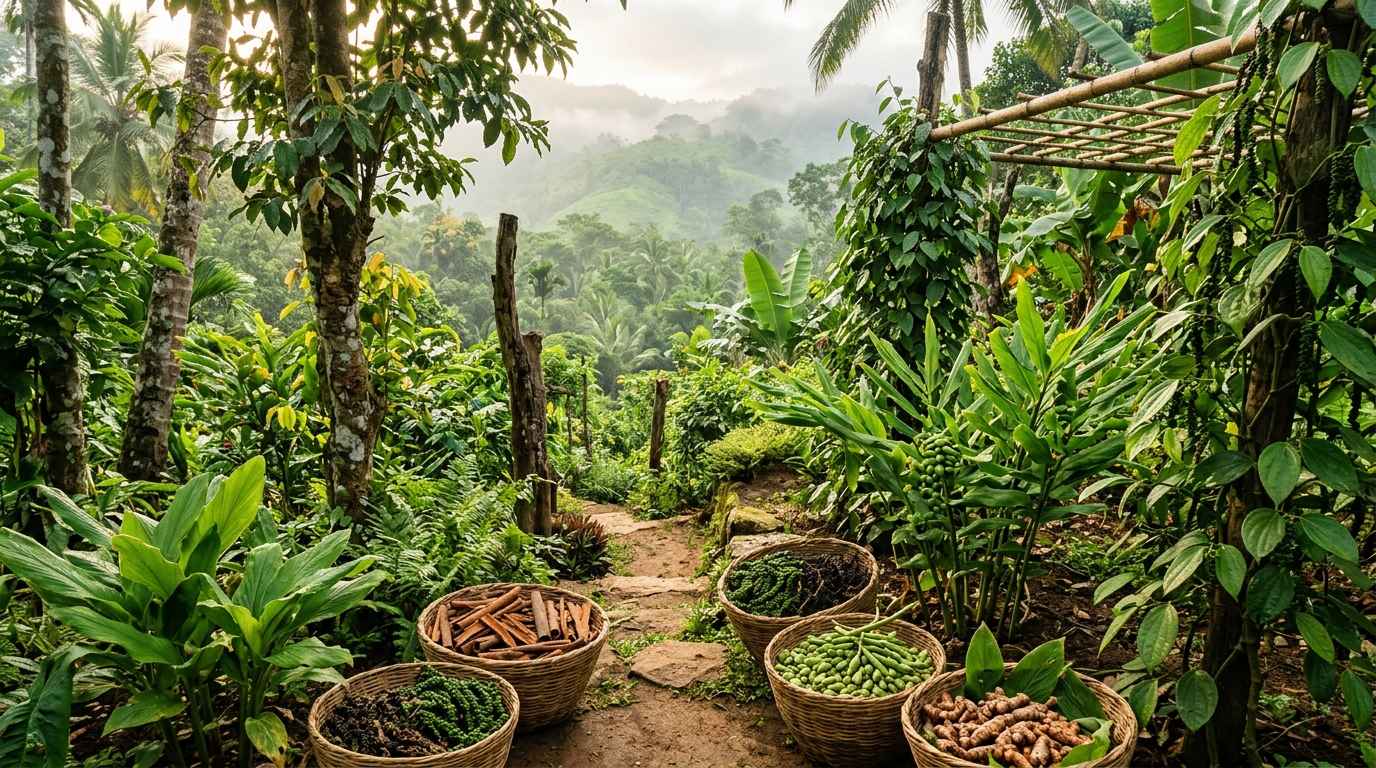
The importance of spices in Sri Lanka extends far beyond the kitchen. Spice gardens are popular tourist attractions, offering visitors a chance to learn about the cultivation, harvesting, and medicinal uses of these precious commodities. It's an immersive experience, where you can see, smell, and even taste the freshness of spices straight from the source. This deep connection to spices is woven into the fabric of Sri Lankan life, influencing trade, culture, and even traditional medicine.
A Taste of Tradition
Exploring Sri Lanka's spices is a sensory delight, an invitation to connect with a rich heritage. Whether you're a seasoned chef or a curious home cook, incorporating these authentic Sri Lankan spices into your meals will transport you to this tropical paradise with every fragrant bite. So, next time you reach for your spice rack, remember the journey of these incredible flavors from the heart of Sri Lanka to your plate.
Most Popular






Anaya
comment1