



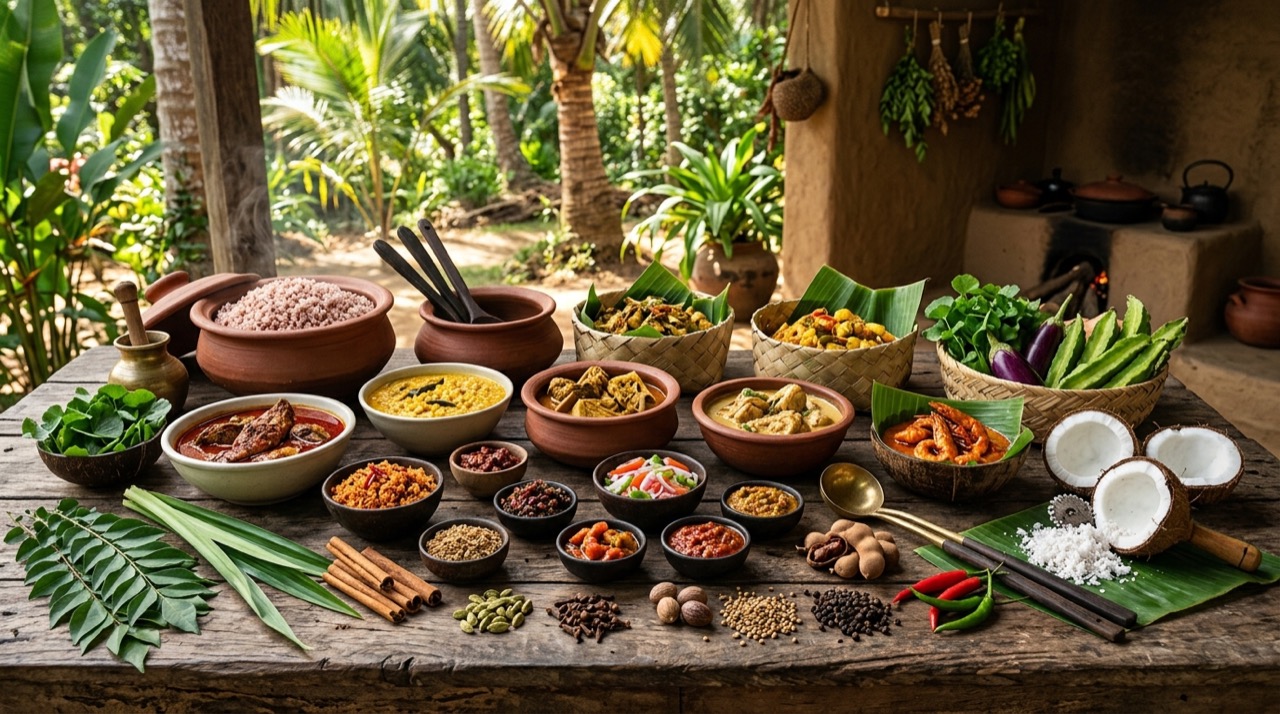
What Makes Sri Lankan Food So Special?
Ever taken a bite of a Sri Lankan dish and found yourself transported? That vibrant explosion of flavors, the comforting warmth, and that unmistakable aroma – there's something truly magical about authentic Sri Lankan food. It's more than just a meal; it's an experience, a journey through a rich culinary heritage. But what are those elusive ingredients that weave such a tapestry of taste? Let's dive into the heart of Sri Lankan kitchens and uncover the secrets.
The Spice Symphony
When you think of Sri Lankan food, spices are likely the first thing that comes to mind, and for good reason! Sri Lanka, often called the "Pearl of the Indian Ocean," has been a hub for spice trade for centuries, and this history is deeply embedded in its cuisine. But it’s not just about adding heat; it’s about creating complex, aromatic, and layered flavors.
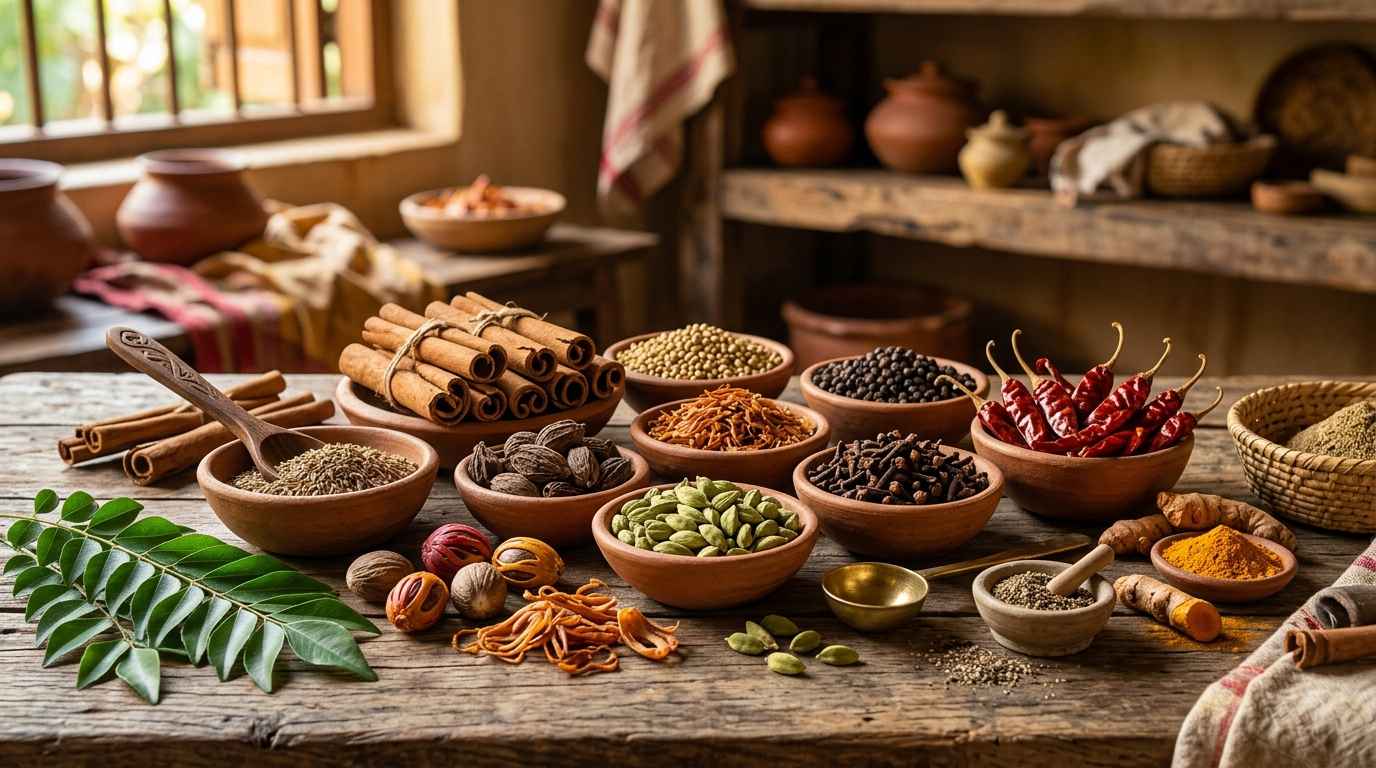
Essential Spices You'll Find Everywhere:
Cinnamon: Sri Lankan cinnamon, also known as "true cinnamon," is distinctively different from the cassia variety. It's sweeter, more delicate, and offers a warm, woody fragrance that forms the base of many curries and desserts. You’ll find it in its quills, ground form, and even infused into oils.
Cardamom: Both green and black cardamom play crucial roles. Green cardamom adds a bright, citrusy, and aromatic note, often used in rice dishes and desserts. Black cardamom, with its smoky, camphoraceous flavor, is typically used in heartier meat curries and lentil preparations.
Cloves: These tiny powerhouses bring an intense, pungent, and sweet aroma. A little goes a long way, adding depth and warmth to everything from curries to mulled drinks.
Nutmeg and Mace: While often used interchangeably, they offer slightly different profiles. Nutmeg provides a warm, slightly sweet, and nutty flavor, perfect for both sweet and savory dishes. Mace, the lacy covering of the nutmeg seed, is more delicate and peppery.
Coriander and Cumin Seeds: These are the workhorses of many spice blends. Roasted and ground, they offer earthy, citrusy, and slightly smoky notes that create the foundation for countless Sri Lankan curries. The roasting process is key to unlocking their full flavor potential.
Black Peppercorns: Sri Lanka is renowned for its high-quality black pepper, known for its sharp, pungent heat. It’s used liberally to add a kick and complexity to dishes.
Beyond the Spices
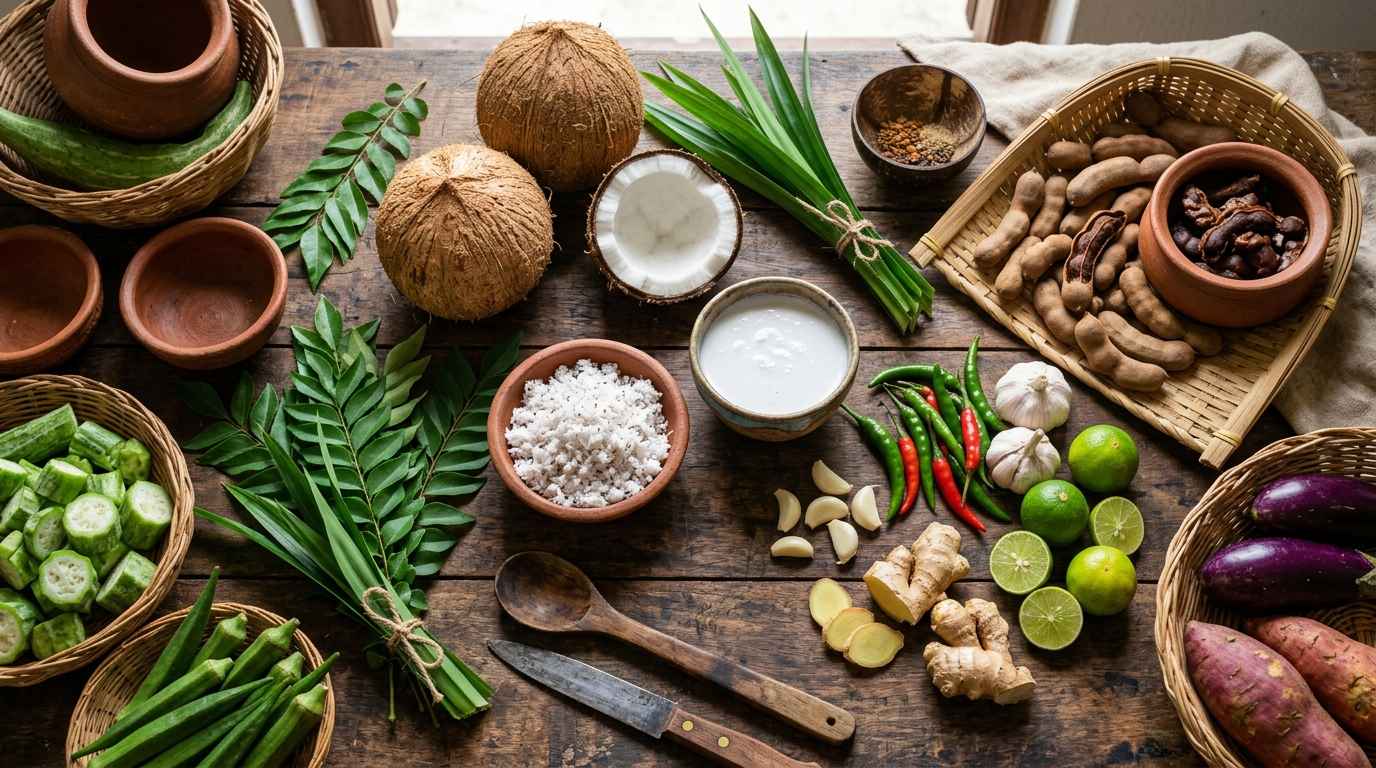
While spices get a lot of the glory, several other ingredients are crucial for authentic Sri Lankan flavors.
The Creamy Goodness of Coconut
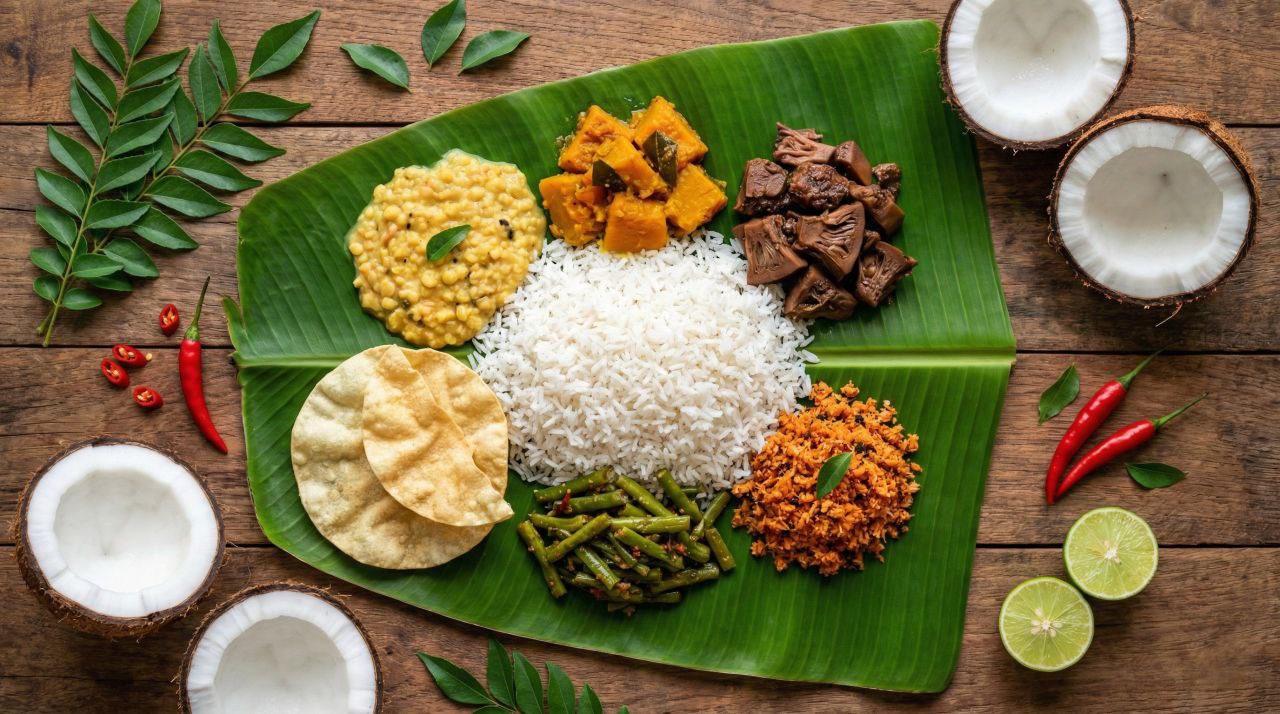
Coconut is king in Sri Lanka, and its versatility is astounding. From coconut milk and cream that lend richness and body to curries, to grated coconut used in sambols and baked goods, it's an indispensable ingredient. Coconut oil is also the preferred cooking medium for many traditional dishes, adding a subtle, nutty sweetness.
The Tangy Zing of Tamarind
Tamarind provides that signature sour and tangy note that balances the richness of coconut milk and the heat of spices. Whether it's the pulp simmered into curries (like the famous fish ambul thiyal) or used in chutneys, tamarind is essential for that characteristic Sri Lankan tang.
The Aromatic Foundation
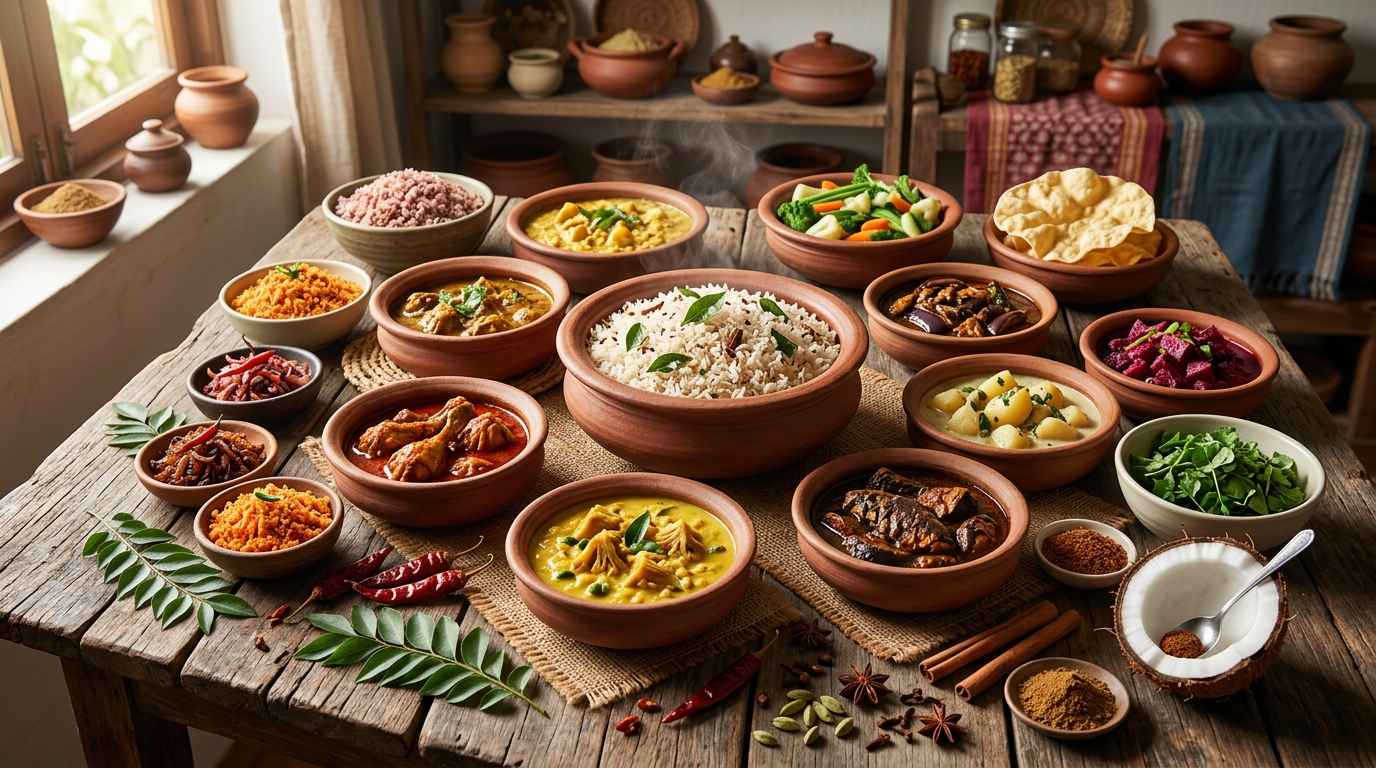
Curry Leaves: These fragrant leaves, distinct from the curry powder we often think of, impart a unique, slightly nutty, and citrusy aroma when tempered in hot oil. They are a non-negotiable element in almost every savory Sri Lankan dish.
Pandan Leaves: Also known as "screwpine leaves," these aromatic leaves are often tied into knots and added to rice or desserts to infuse them with a subtle, sweet, and fragrant aroma reminiscent of vanilla and almonds.
The Heat Makers
Chilies, in various forms – fresh, dried, and ground – are essential for bringing the heat. The type and amount of chili used can dramatically alter the flavor profile and spice level of a dish, allowing for a wide spectrum of taste experiences.
Traditional Cooking Techniques
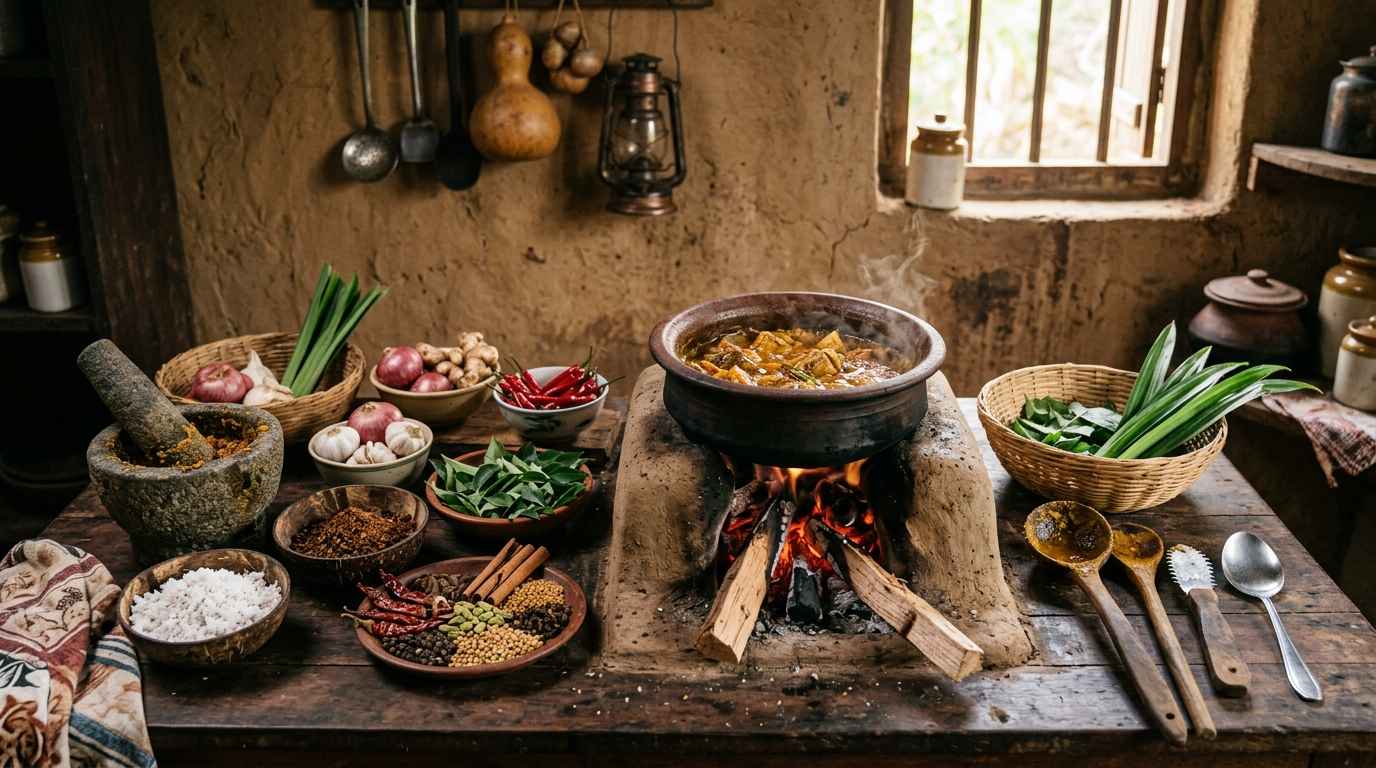
The way these ingredients are combined and cooked is just as vital. Slow simmering, tempering spices in hot oil (a process called "tālikā") to release their aromas, and the artful layering of flavors are hallmarks of traditional Sri Lankan cooking. The emphasis is on developing depth and balance, ensuring each component contributes to the overall harmony of the dish.
A Taste of Sri Lanka's Soul
Authentic Sri Lankan food is a testament to the island's rich history, diverse influences, and abundant natural resources. It’s a cuisine that celebrates the intricate dance of spices, the comforting embrace of coconut, and the bright zest of local produce. So next time you savor a Sri Lankan meal, take a moment to appreciate the secret ingredients and the culinary artistry that go into creating such an unforgettable gastronomic adventure.
Most Popular









Anaya
comment1