



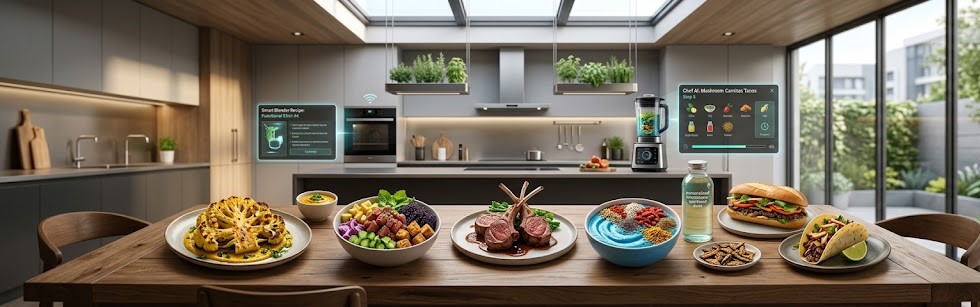
Food in 2026 is no longer just about eating—it’s about experience, health, sustainability, and global connection. Across restaurants, home kitchens, and social media platforms, new food trends are reshaping how people cook, eat, and think about meals. From innovative ingredients to futuristic cooking methods, this year’s food scene is more exciting than ever.One of the biggest trends dominating 2026 is plant-forward eating. While vegetarian and vegan diets are not new, they have evolved into something more flexible and creative. People are no longer strictly removing meat but instead focusing on adding more plants into their meals. Chefs are experimenting with vegetables as the main attraction, using ingredients like jackfruit, mushrooms, and lentils to create dishes that feel just as rich and satisfying as traditional meat-based meals. Even fast-food chains are introducing plant-based burgers, wraps, and snacks to meet rising demand.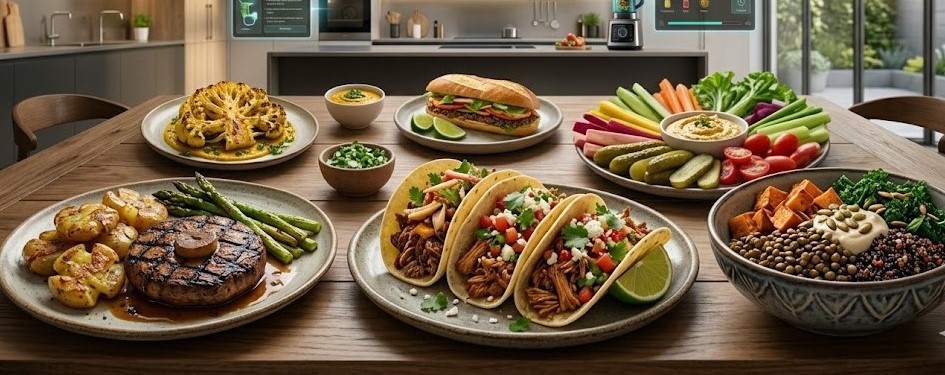
Another major shift is the rise of functional foods. Consumers are now looking for meals that do more than just satisfy hunger—they want food that improves health. Ingredients like probiotics, adaptogens, collagen, and superfoods such as chia seeds and turmeric are becoming everyday staples. Smoothies, energy bowls, and even desserts are being enriched with ingredients that support immunity, digestion, and mental clarity.Technology is also playing a huge role in food innovation. AI-powered cooking and smart kitchens are becoming increasingly common. Smart appliances can now suggest recipes based on available ingredients, adjust cooking times automatically, and even track nutritional intake. Meanwhile, AI-generated recipes are helping chefs create unique flavor combinations that were never imagined before.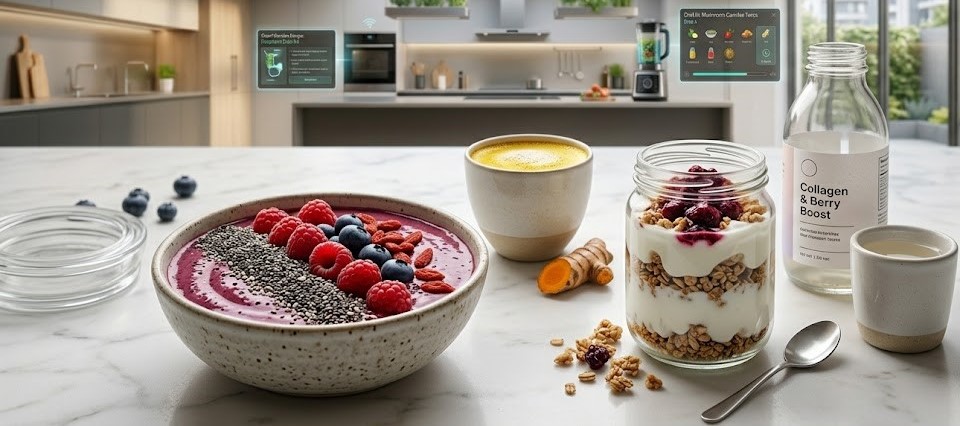
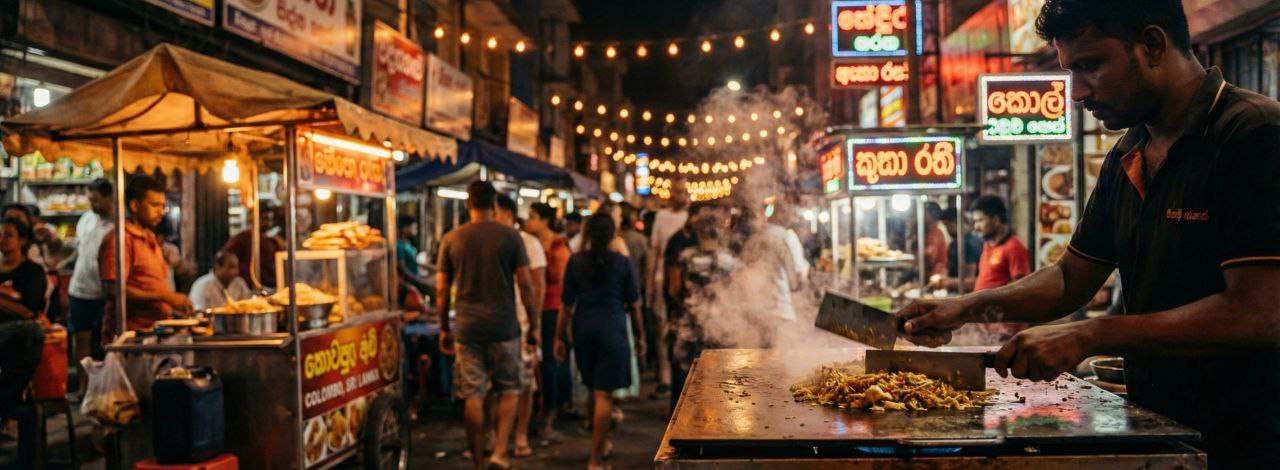
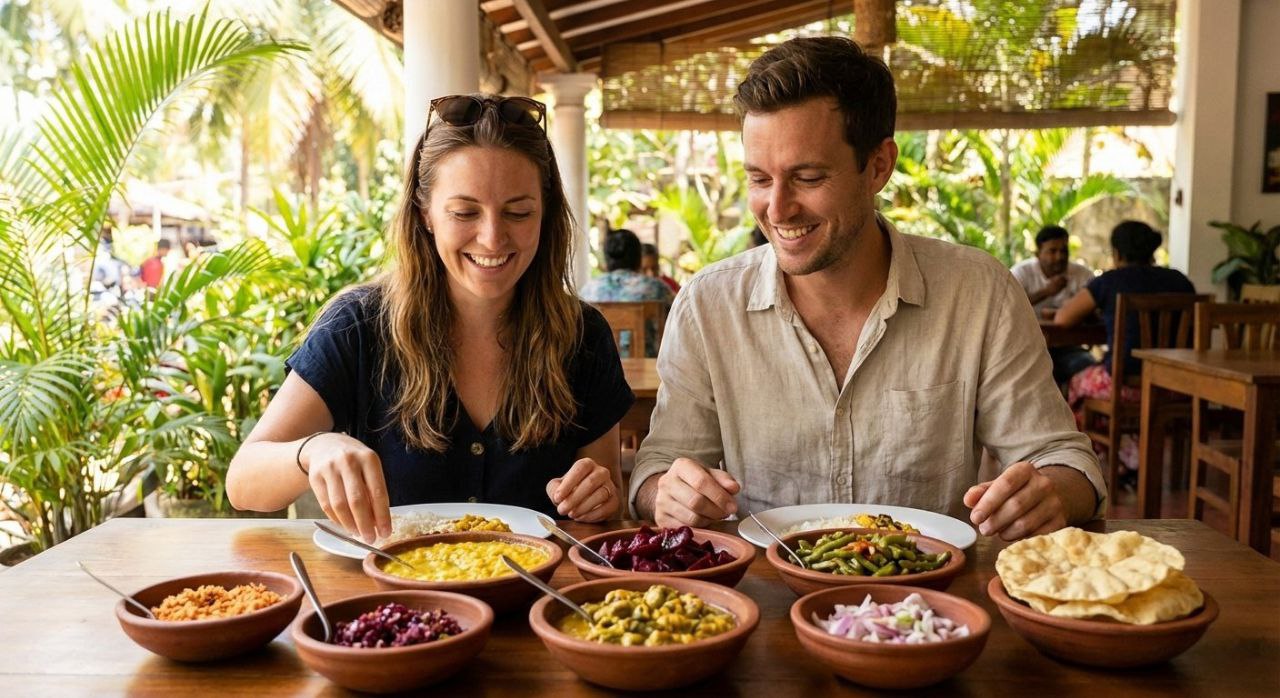
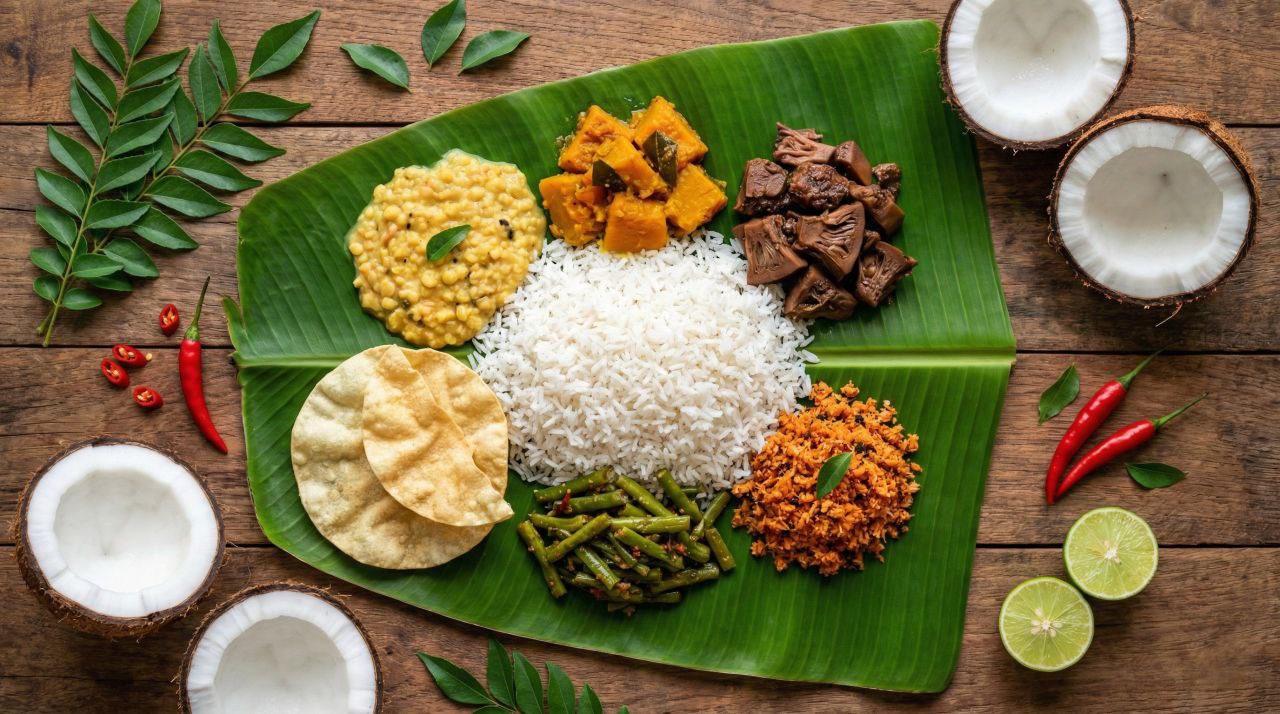
At the same time, global street food influence continues to grow. Dishes inspired by Asian, Middle Eastern, African, and Latin American cuisines are gaining massive popularity worldwide. Food lovers are seeking bold flavors like Korean spicy noodles, Mexican street tacos, and Middle Eastern shawarma bowls. This cultural mix is making everyday meals more diverse and exciting.Sustainability remains at the heart of food innovation in 2026. Zero-waste cooking and eco-friendly packaging are becoming standard practices. Restaurants are focusing on reducing food waste by using every part of an ingredient, from root to stem. Consumers are also choosing locally sourced and seasonal produce to reduce their environmental impact.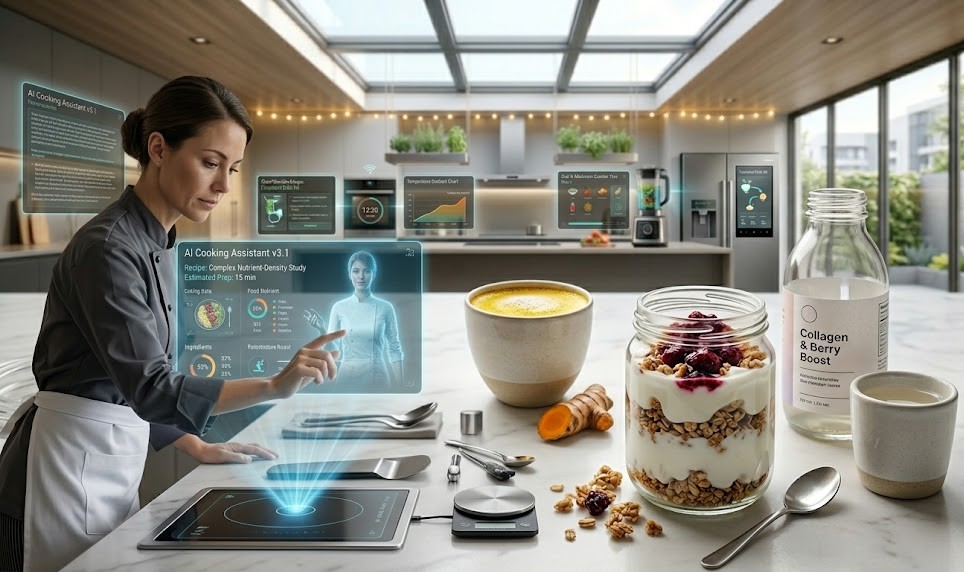
Finally, dessert trends are getting a futuristic twist with low-sugar indulgence. Natural sweeteners like monk fruit and dates are replacing refined sugar, allowing people to enjoy treats without guilt. Desserts are becoming lighter, healthier, and more creative than ever. 2026 is shaping up to be a revolutionary year for food. With a blend of health-conscious choices, global inspiration, and smart technology, the way we eat is evolving rapidly. Whether you’re a foodie, chef, or casual eater, there has never been a more exciting time to explore what’s cooking in the world of food.
Most Popular







Anaya
comment1