



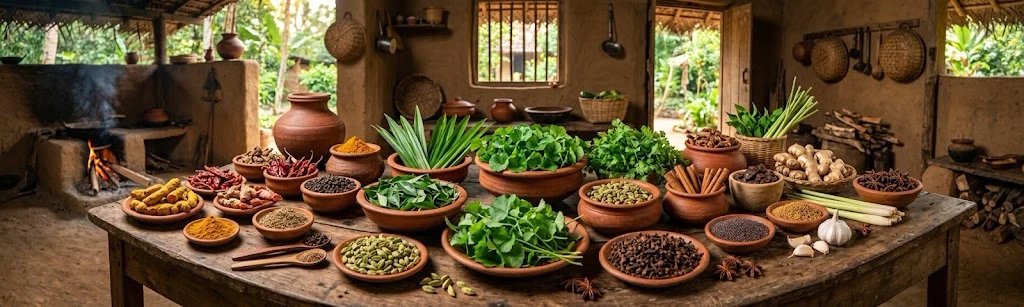
Sri Lankan cuisine is a vibrant tapestry woven with a rich history of influences and a profound respect for natural ingredients. Beyond the well-known spices like cinnamon and turmeric, a vast array of fresh herbs plays a pivotal role in infusing dishes with distinctive aromas, complex flavors, and significant health benefits. These humble yet powerful herbs are not merely seasonings; they are integral to the very soul of traditional Sri Lankan cooking, passed down through generations.
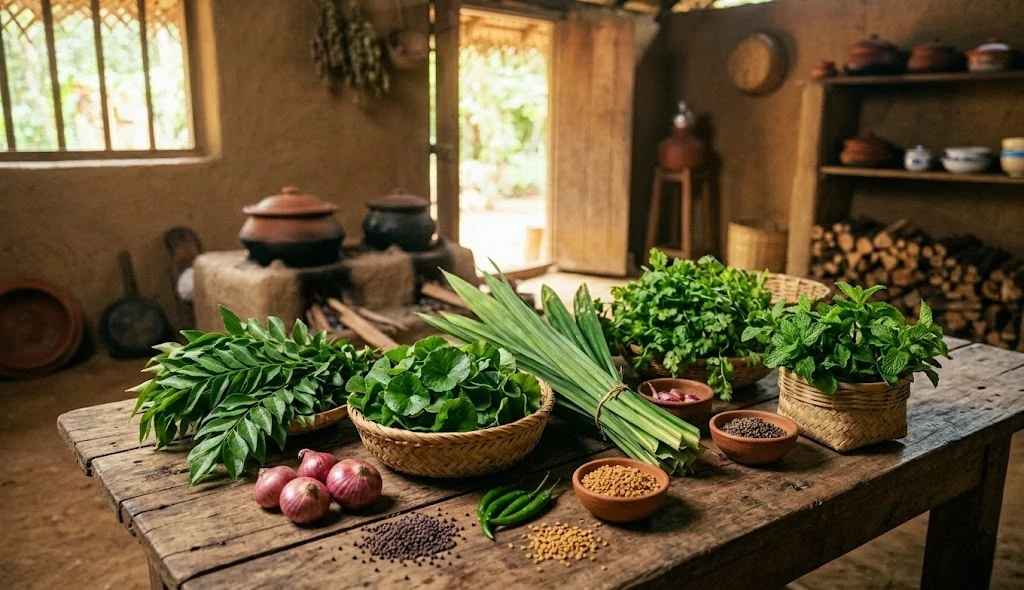
The Ubiquitous Curry Leaf A Fragrant Foundation
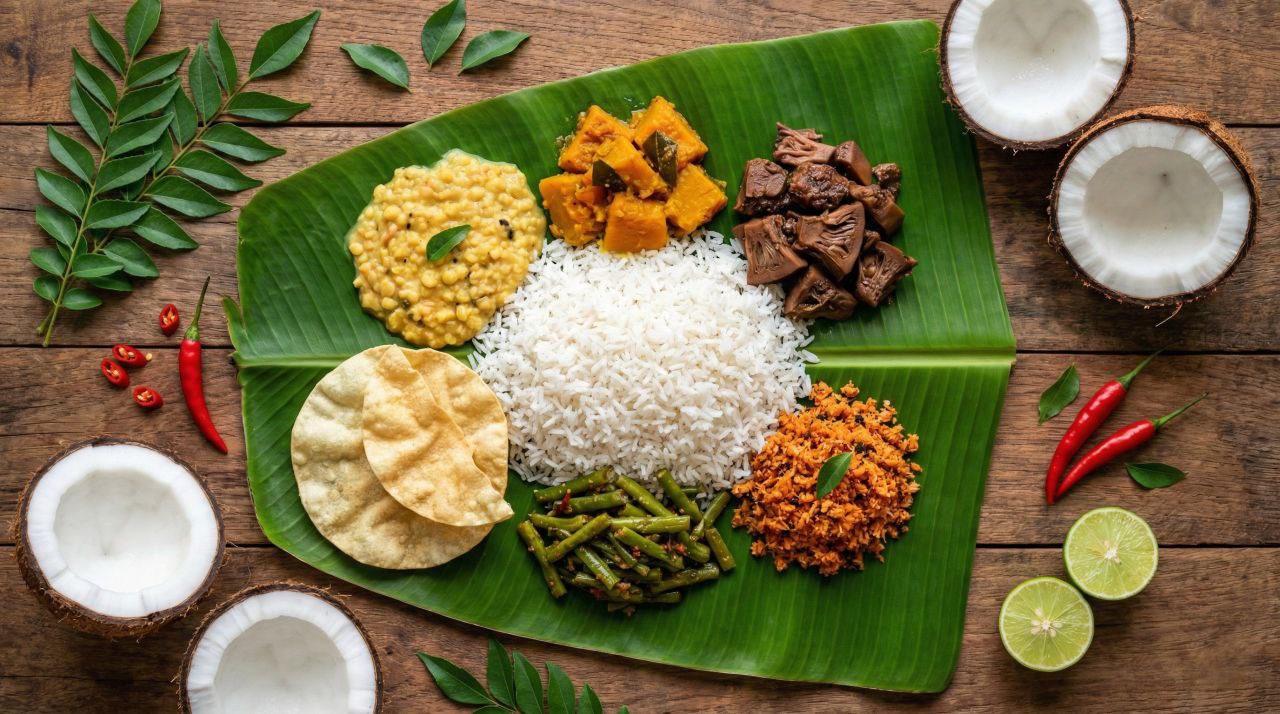
Perhaps the most iconic herb in Sri Lankan kitchens is the curry leaf (Murraya koenigii). Its potent, slightly citrusy aroma is unmistakable, and it forms the aromatic base for countless curries, stir-fries, and sambols. Fried briefly in hot oil, curry leaves release their essential oils, imparting a unique depth of flavor that is difficult to replicate. Beyond its culinary contribution, curry leaves are traditionally believed to aid digestion and possess antioxidant properties.
Pandan Leaves The Sweet Aroma of Serenity
Pandan leaves (Pandanus amaryllifolius), often referred to as the 'vanilla of Asia,' lend a subtly sweet, floral fragrance to rice dishes, desserts, and certain savory preparations. The leaves are typically bruised or tied into knots before being added to cooking liquids, allowing their aroma to infuse. This gentle, calming scent is a hallmark of many traditional Sri Lankan sweets and is also used to mask unpleasant odors in some dishes. Pandan is also thought to have mild antiseptic qualities.
Lemongrass and Galangal Zesty and Pungent Notes
Lemongrass (Cymbopogon citratus) brings a bright, zesty, and citrusy dimension to Sri Lankan food. Its tough stalks are often bruised and added whole to curries and marinades, infusing a refreshing tang. Similarly, galangal (Alpinia galanga), a rhizome related to ginger, offers a sharper, more peppery, and slightly medicinal flavor profile. Both lemongrass and galangal are valued not only for their taste but also for their digestive properties and ability to enhance the overall balance of complex Sri Lankan dishes.
Gotukola and Mukunuwanna Leafy Greens with a Healthful Punch
When focusing on the health aspects, leafy greens like gotukola (Centella asiatica) and mukunuwanna (Alysicarpus vaginalis) stand out. Gotukola, often eaten raw in salads (mallum) or lightly cooked, is celebrated for its cognitive benefits and is considered a powerful tonic for the body. Mukunuwanna, with its slightly bitter taste, is also prepared as a mallum and is known for its iron content and digestive properties. These greens are a testament to how traditional Sri Lankan cuisine emphasizes the medicinal properties of food.
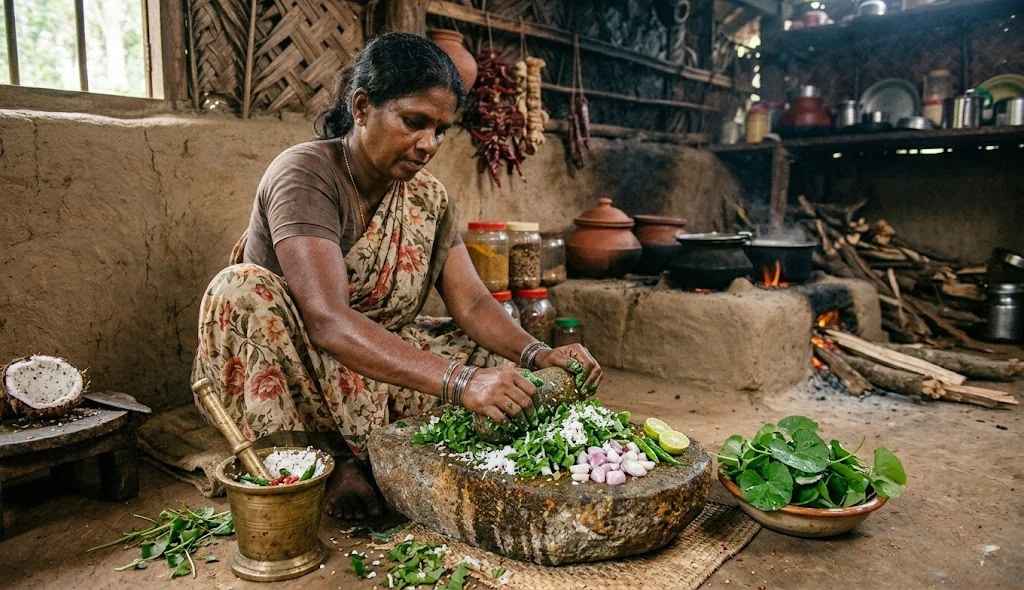
Other Notable Herbs and Their Contributions
The repertoire of herbs extends further. Mint (Pudina) adds a cooling freshness, often found in chutneys and alongside grilled meats. Coriander leaves (Koththamalli), with their bright, herbaceous flavor, are used as a garnish and in pastes. Basil leaves (known locally by various names) can add a slightly peppery or anise like note depending on the variety. The strategic use of these herbs elevates Sri Lankan dishes from simple meals to aromatic and healthful experiences.
The integration of fresh herbs into everyday Sri Lankan cooking is a practice rooted in centuries of culinary wisdom and a deep understanding of nature's bounty. These ingredients are not just about flavor; they are about holistic well being, contributing to the distinctive character and the healthful reputation of this beloved cuisine. Exploring the herbal landscape of Sri Lanka offers a delicious journey into a tradition that nourishes both the body and the soul.
Most Popular










Anaya
comment1