



The Sizzle, the Chop, the Soul: Tracing Kottu's Incredible Journey
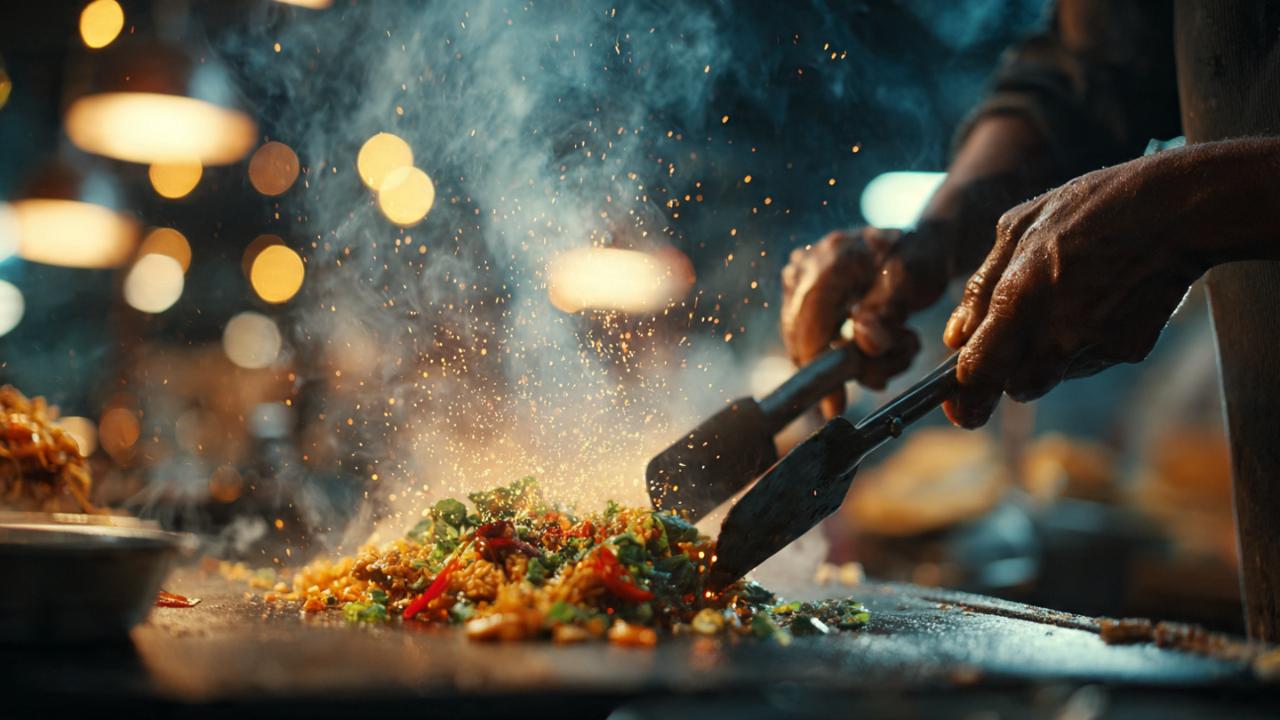
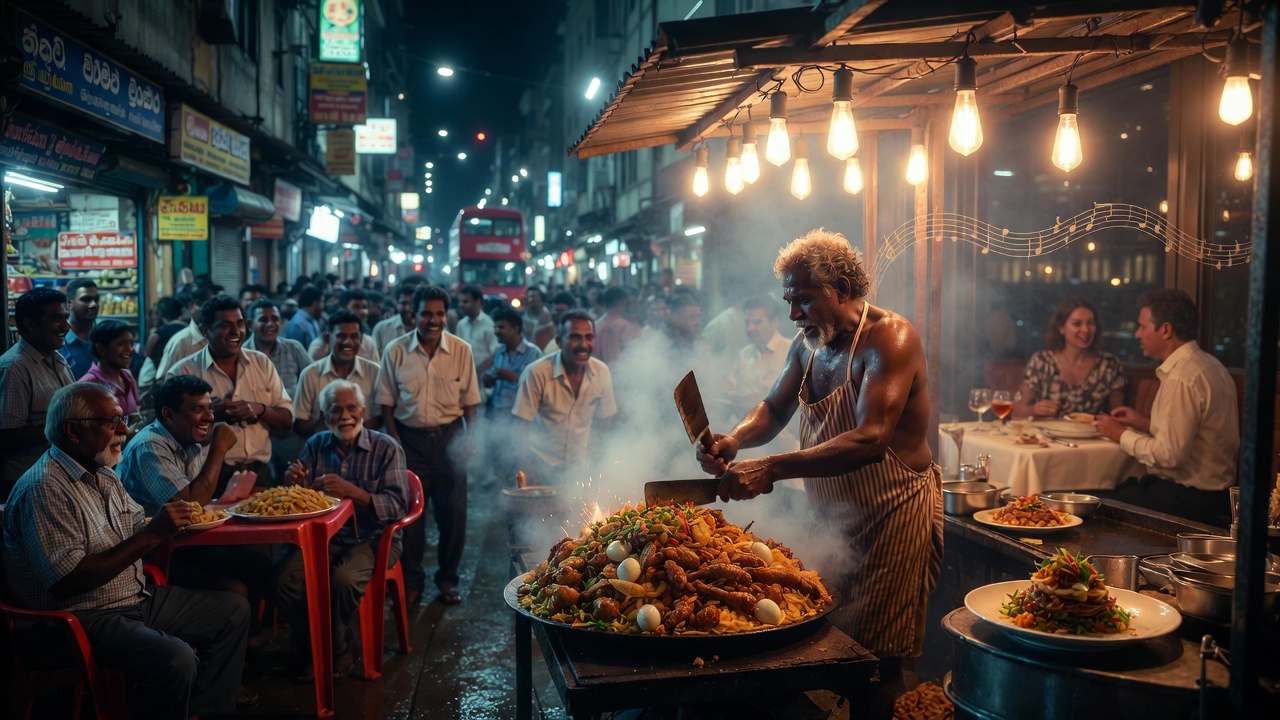
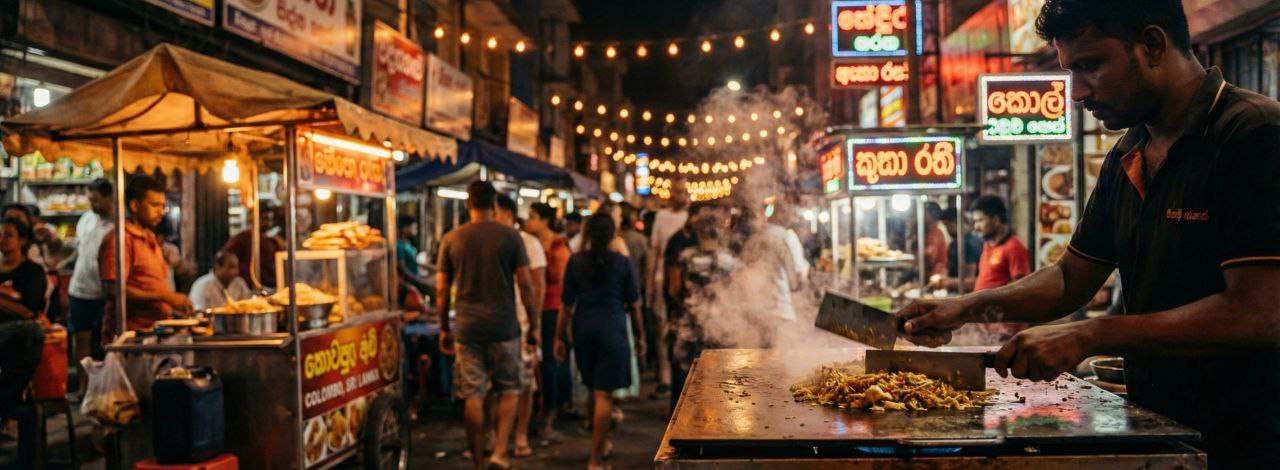
Close your eyes and imagine this: the rhythmic clang of metal on metal, a symphony of sizzling onions and garlic, and the irresistible aroma of spices filling the air. This, my friends, is the sound and smell of kottu. For many, it's the ultimate comfort food, a late-night savior, or a hearty lunch that packs a punch. But have you ever stopped to wonder where this beloved Sri Lankan dish came from? Its journey is as rich and layered as its flavors, a testament to culinary innovation and cultural fusion. We're not just talking about a meal; we're talking about an evolution, a story that begins in the bustling streets of Batticaloa and reaches its modern-day zenith on the trendy rooftops of Colombo.
The Humble Beginnings: A Culinary Repurposing
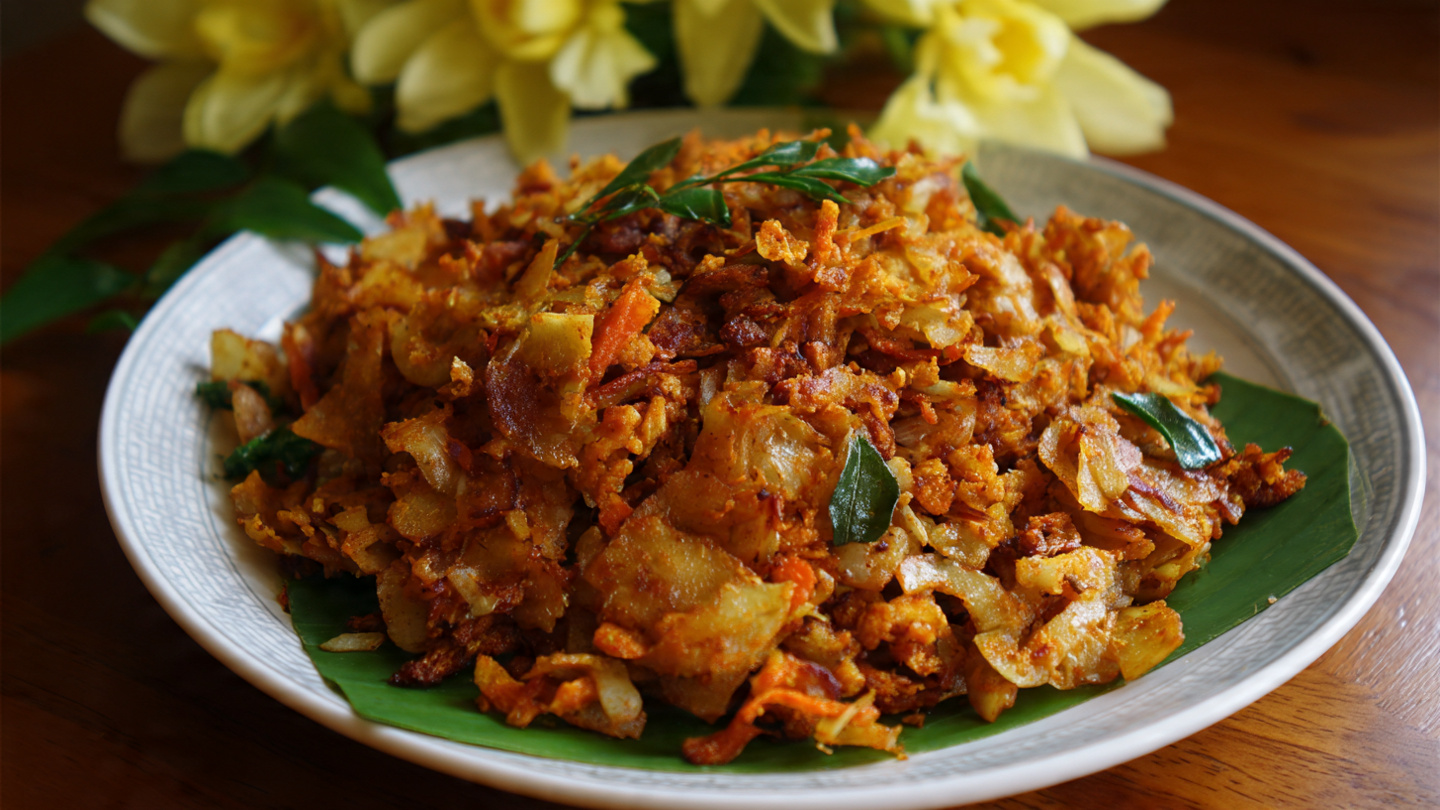
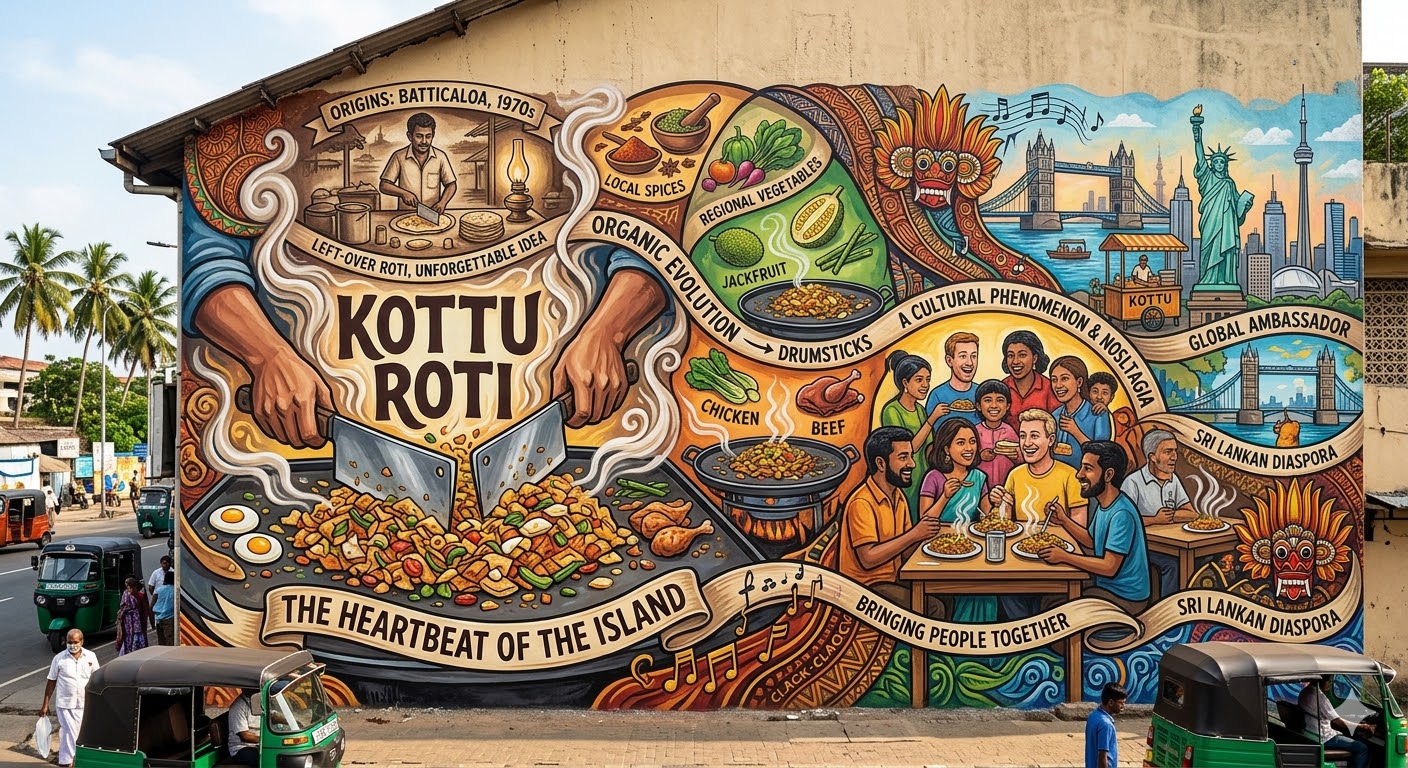
The story of kottu isn't one of ancient lineage or royal decree. Instead, it's a tale of practicality and resourcefulness, born from the kitchens of working-class Sri Lankans. Its origins are often traced back to the eastern coast, specifically areas like Batticaloa. Back in the day, kottu roti, the very foundation of the dish, was created as a way to use up leftover flatbreads. Instead of letting them go stale, cooks would chop them up into smaller pieces, making them easier to rehydrate and incorporate into a new dish. This wasn't about creating a gourmet experience; it was about ensuring no food went to waste, a principle that resonates deeply in many cultures.
The initial kottu was likely a simpler affair, a straightforward stir-fry of chopped roti with vegetables, perhaps some egg, and a few basic spices. It was street food at its finest, affordable, filling, and incredibly delicious. The sound of the roti being chopped on a flat metal griddle, often an old discarded car part or a repurposed piece of machinery, became its signature. This percussive sound, often referred to as the 'kottu beat,' is as much a part of the dish as its taste.

The Spice of Life: Regional Variations and Early Adaptations
As kottu moved inland and spread across the island, it began to absorb the local flavors and preferences. In different regions, the spice levels, the types of vegetables used, and the addition of proteins evolved. In some areas, it was spicier, reflecting a preference for heat. In others, it might have featured more regional vegetables like jackfruit or drumsticks. The addition of meat, primarily chicken or beef, became more common as the dish gained popularity beyond its initial humble origins.
This early evolution was organic. It wasn't driven by chefs in Michelin-starred restaurants but by home cooks and roadside vendors experimenting and adapting. The beauty of kottu lies in its inherent flexibility. It's a blank canvas, ready to be infused with whatever deliciousness the cook has on hand. This adaptability is a key reason for its widespread appeal and its ability to find a place on almost any Sri Lankan table.
The Colombo Comeback: From Street Stall to Rooftop Sensation
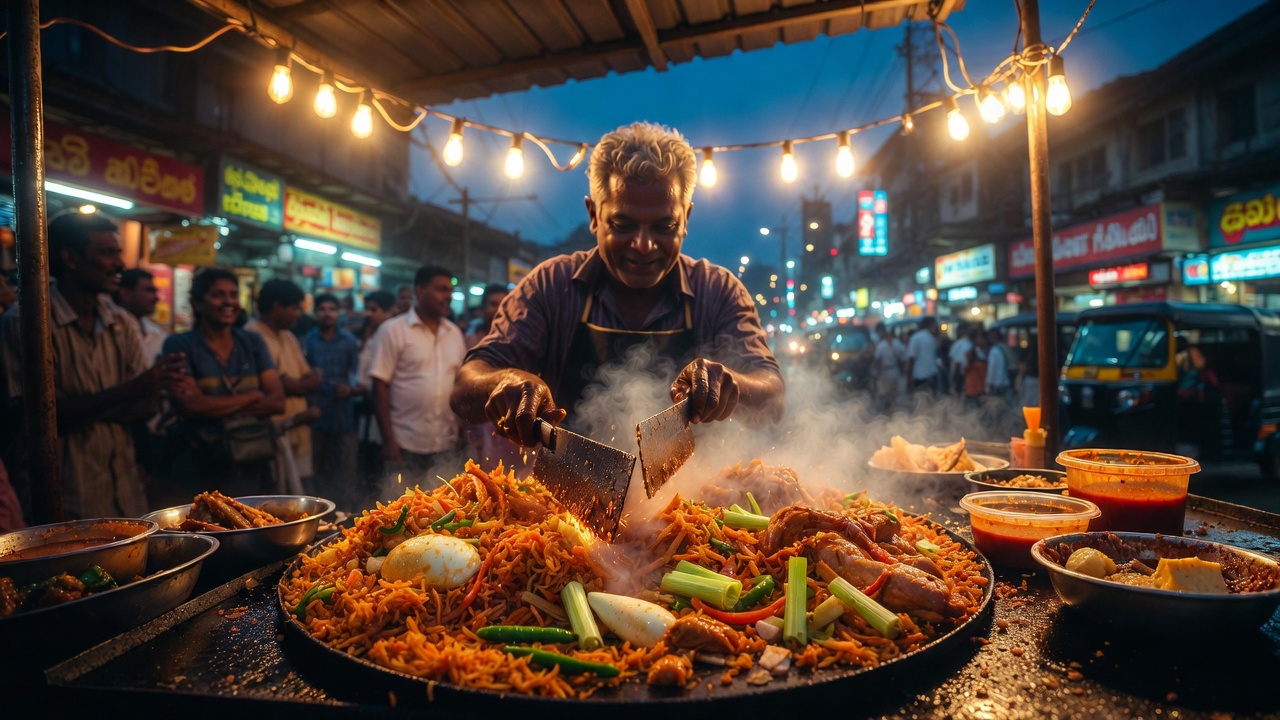
Fast forward to the modern era, and kottu has undergone a remarkable transformation, especially in the capital city of Colombo. While it remains a beloved street food, it has also ascended to a new level of culinary sophistication. Colombo's dynamic food scene, with its fusion of traditional flavors and international trends, has embraced kottu with open arms, giving it a modern makeover.
What we're seeing now is kottu being served in more upscale establishments, on rooftop restaurants with panoramic views, and even in trendy cafes. The basic principles remain the same: chopped roti, stir-fried ingredients, and a symphony of flavors. However, the ingredients and presentation have been elevated. You'll find gourmet versions featuring premium cuts of meat, an array of exotic vegetables, artisanal cheeses, and even innovative sauce pairings. Some chefs are experimenting with different types of roti, like godamba roti or even thin parathas, to create unique textures and tastes.
The 'kottu beat' is still there, often performed with more finesse and in a more controlled environment. But the essence of the dish, its soul, remains. It's still about that satisfying chew of the roti, the burst of savory flavors, and the comforting warmth. The evolution has been about refinement and reimagining, not about abandoning its roots. It's a testament to how a simple, humble dish can be reimagined and celebrated in diverse settings.
Beyond the Plate: Kottu as a Cultural Icon
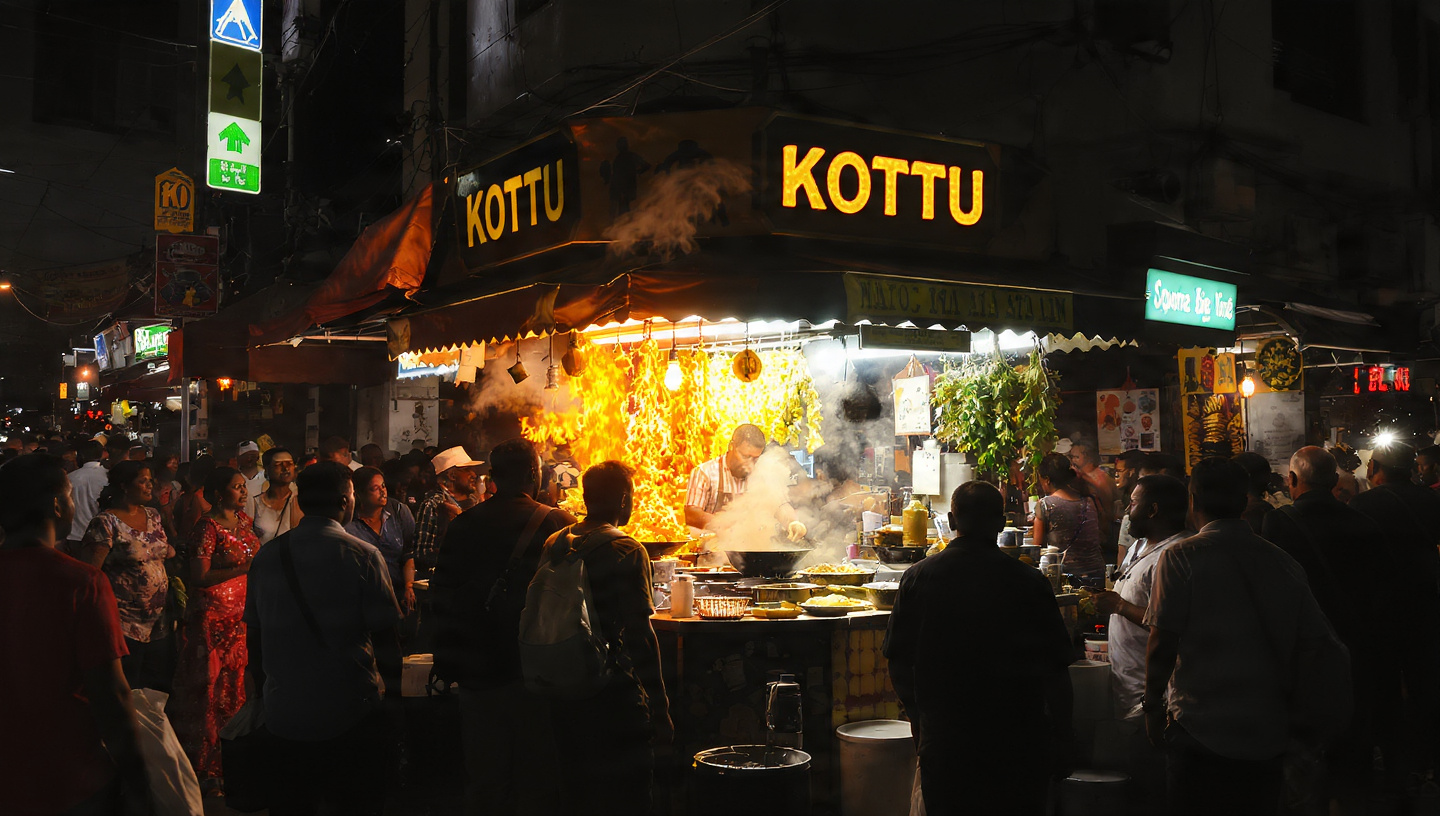
Kottu is more than just food; it's a cultural phenomenon in Sri Lanka. It's a dish that brings people together, transcends social boundaries, and evokes a sense of nostalgia and belonging. The act of sharing a plate of steaming hot kottu with friends or family is a cherished experience for many.
Its popularity has also extended beyond Sri Lanka, with kottu stalls and restaurants popping up in various parts of the world, thanks to the Sri Lankan diaspora. This global spread further cements kottu's status as an international culinary ambassador. Each version, whether it's the authentic street-side kottu in a bustling Colombo alley or a gourmet interpretation in a faraway city, carries a piece of its rich history and its journey from simple beginnings to global recognition.
The Future of Kottu: A Never-Ending Story
As culinary landscapes continue to evolve, the story of kottu is far from over. We can expect to see even more innovative interpretations and exciting new directions for this beloved dish. Perhaps we'll see plant-based versions that cater to a growing vegan population, or fusion creations that blend kottu with other global cuisines in unexpected ways.
One thing is certain: the spirit of kottu, its adaptability, its deliciousness, and its ability to bring joy, will continue to thrive. From the backstreets of Batticaloa where it was born out of necessity, to the glittering rooftops of Colombo where it's celebrated as a culinary masterpiece, kottu's evolution is a delicious reminder of how food can tell stories, connect communities, and constantly reinvent itself. So, the next time you hear that rhythmic chop, chop, chop, remember the incredible journey this iconic dish has taken, and savor every flavorful bite.
Most Popular








Anaya
comment1