



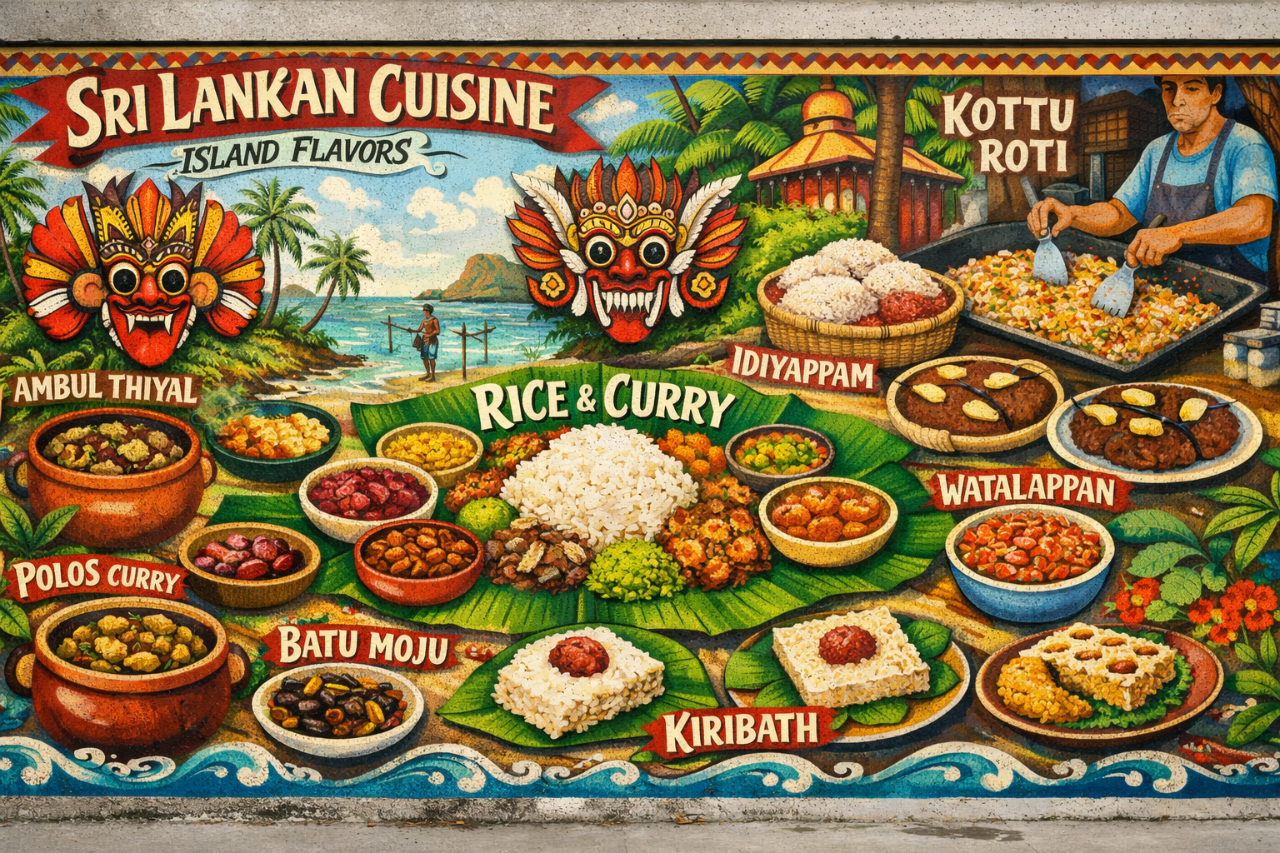
Sri Lanka, the Pearl of the Indian Ocean, is a destination that tantalizes all the senses, and perhaps none more so than taste. If you're a self proclaimed foodie, or even just someone who enjoys a good meal, then Sri Lanka should be at the very top of your travel bucket list. This vibrant island nation boasts a culinary landscape as diverse and rich as its history and landscapes, influenced by centuries of trade, cultural exchange, and its own unique tropical bounty. From fragrant curries that simmer with spices to crispy, savory snacks and sweet, comforting desserts, Sri Lankan food is an adventure for your palate. So, pack your bags and your appetite, because we're about to embark on a delicious journey through the island flavors of Sri Lanka.
The Heart of Sri Lankan Cuisine Rice and Curry
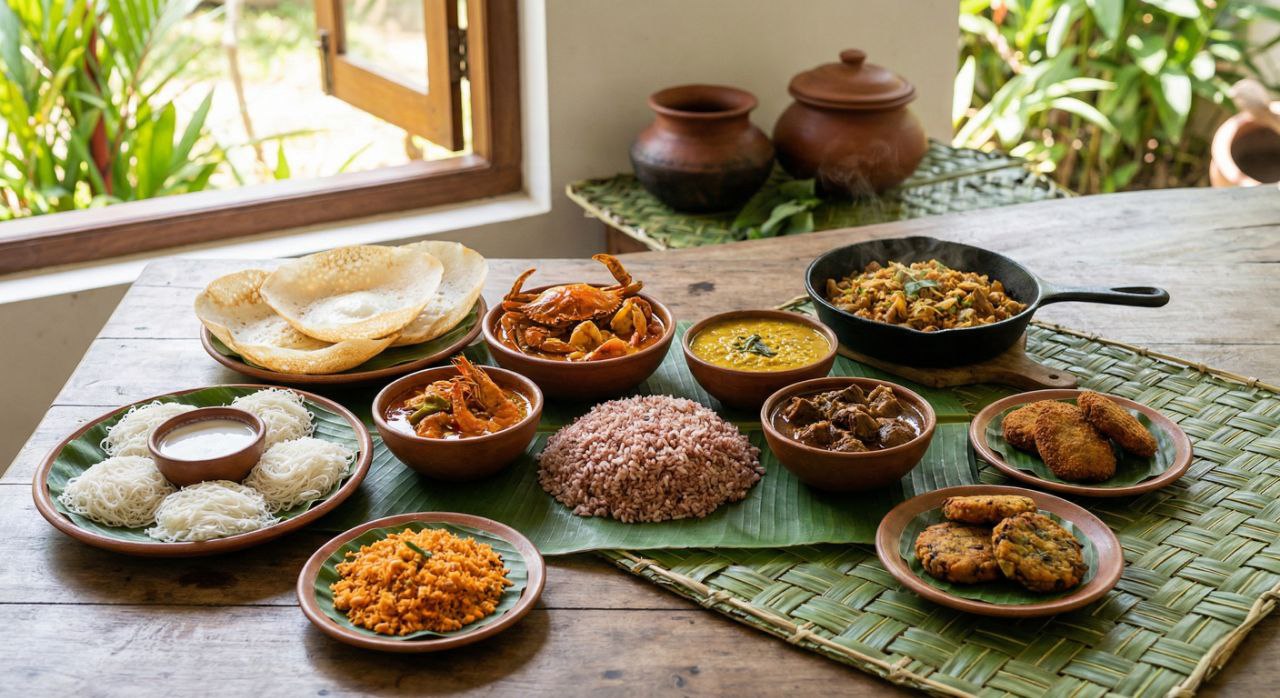
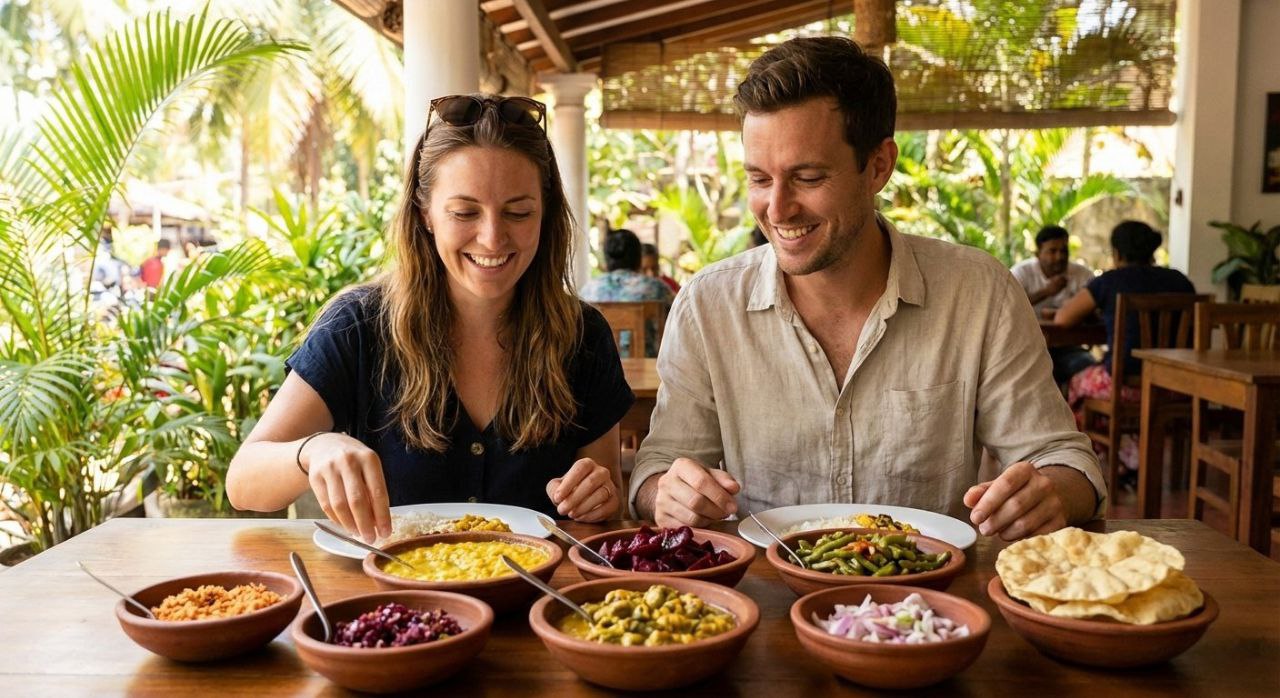
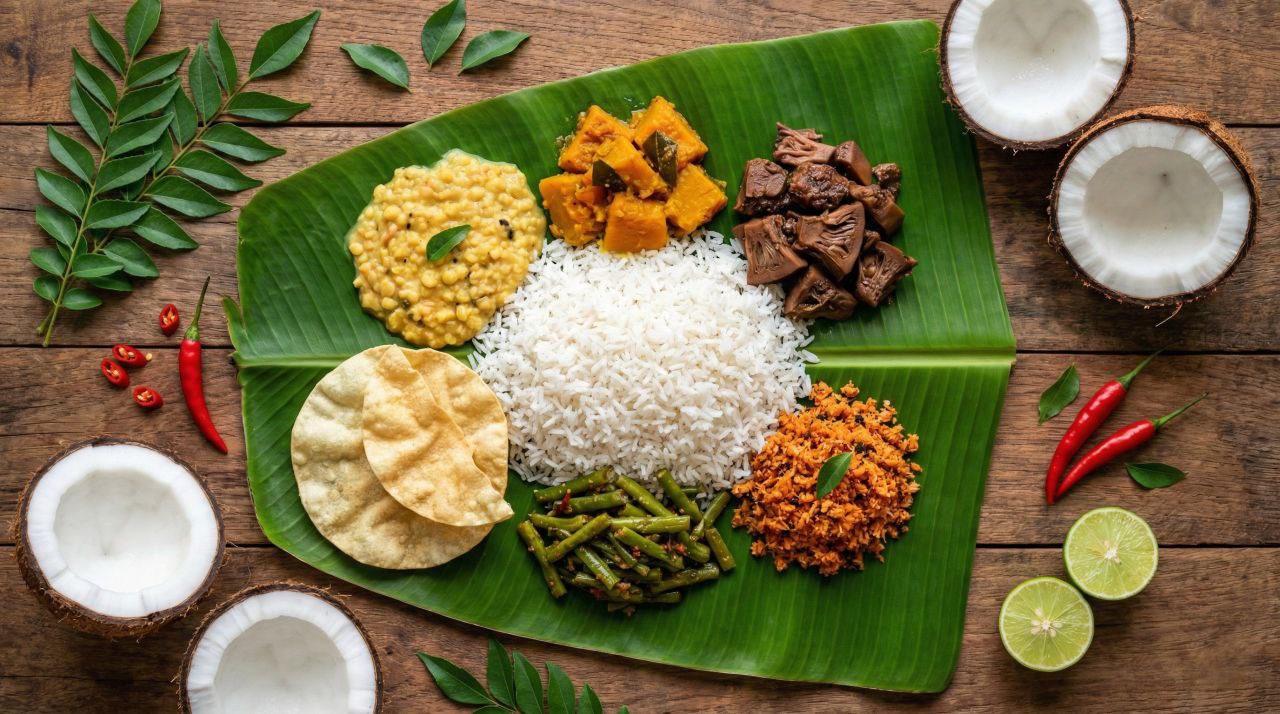
When you think of Sri Lankan food, the first thing that often comes to mind is 'Rice and Curry'. But don't let the simplicity of the name fool you. This is not just a dish; it's an experience, a philosophy, and the very soul of Sri Lankan dining. A typical Rice and Curry meal consists of a generous serving of fluffy, steamed rice accompanied by a symphony of different curries. These aren't just any curries; they are carefully crafted dishes, each with its own distinct flavor profile and texture.
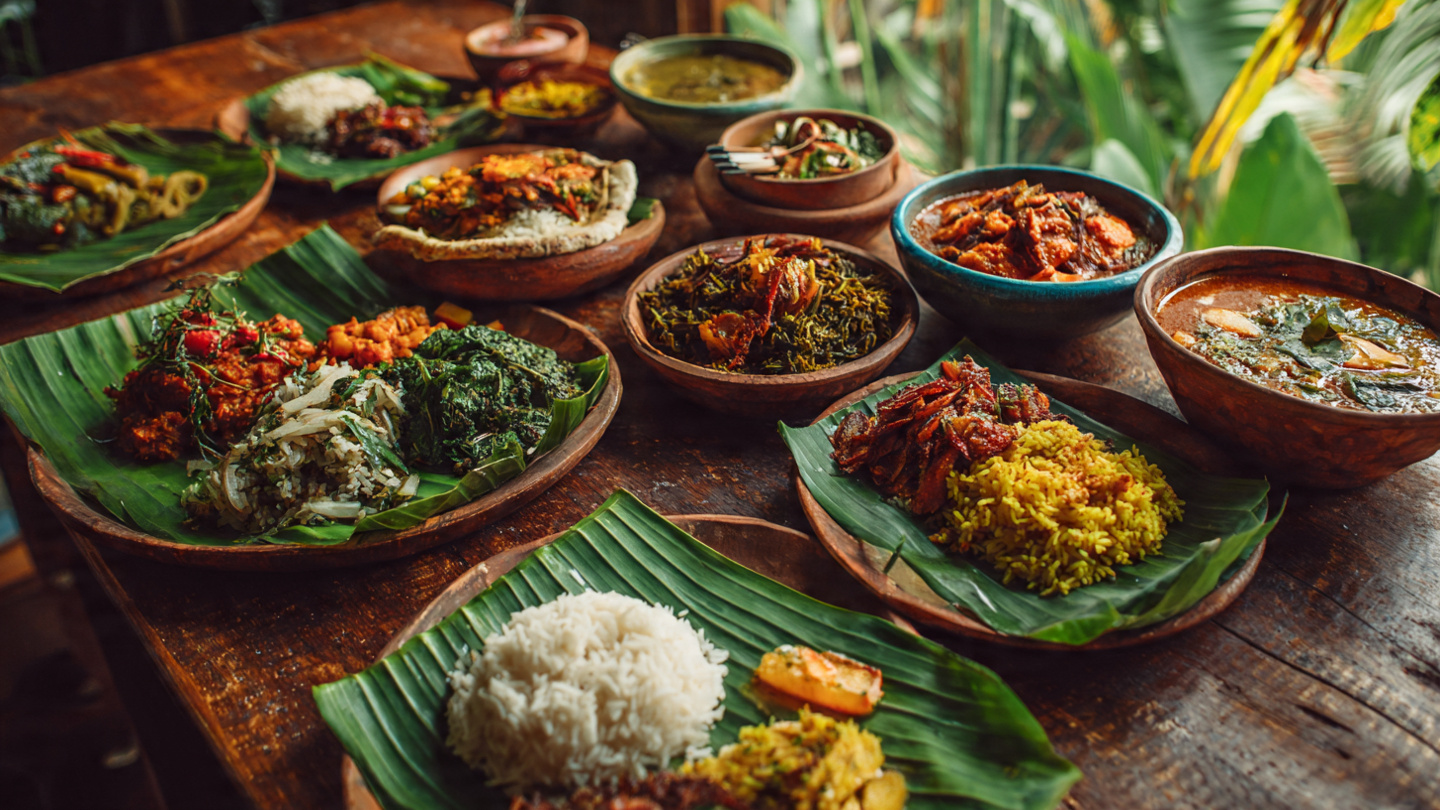
You'll often find a spicy dhal curry, creamy and comforting, made from lentils. Then there might be a vibrant vegetable curry, perhaps featuring beetroot or jackfruit, cooked in coconut milk with aromatic spices. A fish or meat curry, like a succulent chicken or a fiery beef, is usually a centerpiece, bursting with the warmth of turmeric, chili, and coriander. And no Rice and Curry is complete without the ubiquitous Pol Sambol, a zesty and slightly spicy condiment made from grated coconut, red onions, chilies, and lime juice. The beauty of Rice and Curry lies in its versatility; every household and every restaurant will offer a slightly different combination, making each meal a unique discovery.
Must Try Curries
- Polos Curry: This is a vegetarian delight made from young, green jackfruit. Cooked in coconut milk with a blend of spices, it has a wonderfully meaty texture and a flavor that absorbs all the deliciousness of the curry.
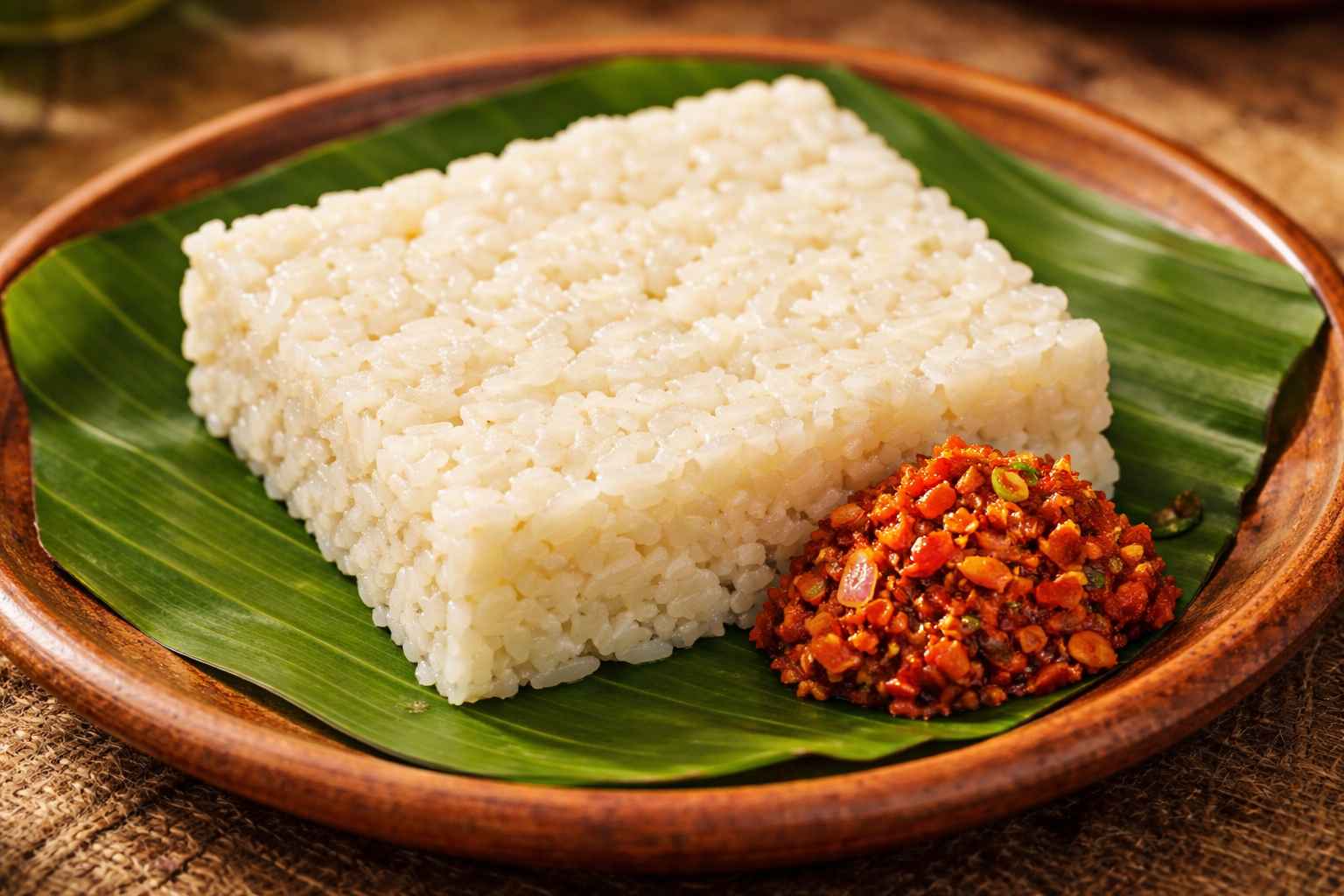
- Kiribath: Often translated as 'milk rice', Kiribath is a traditional dish made by cooking rice in coconut milk until it's thick and creamy. It's typically shaped into squares and served with a spicy sambol or a sweet treacle (honey like syrup). Kiribath is often eaten for breakfast, especially on auspicious occasions, symbolizing prosperity and purity.
Street Food Sensations and Snacks
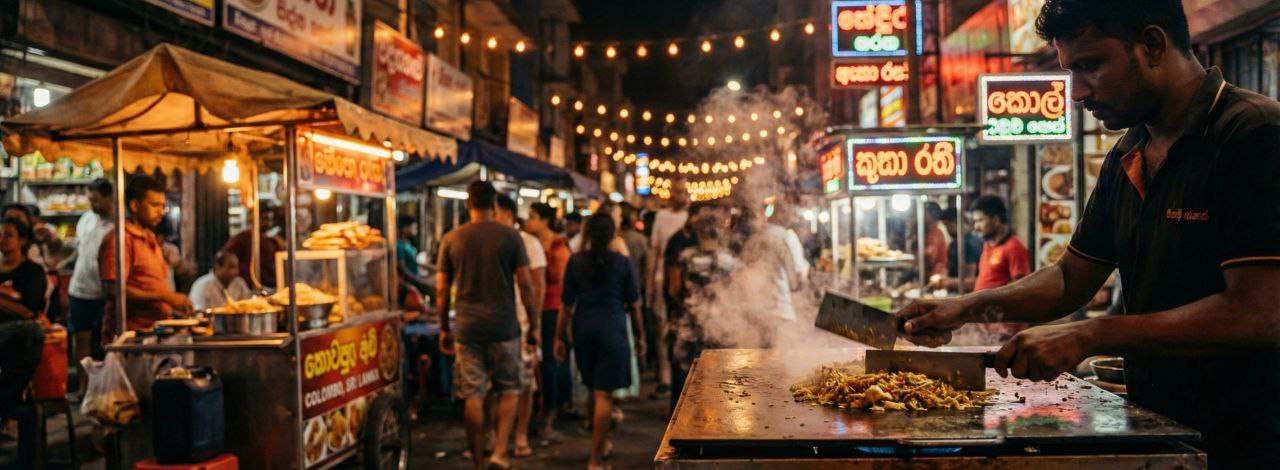
Beyond the comforting embrace of Rice and Curry, Sri Lanka's streets are a vibrant hub of culinary activity. If you want to experience the pulse of local life and discover some of the most exciting flavors, then diving into the street food scene is an absolute must.
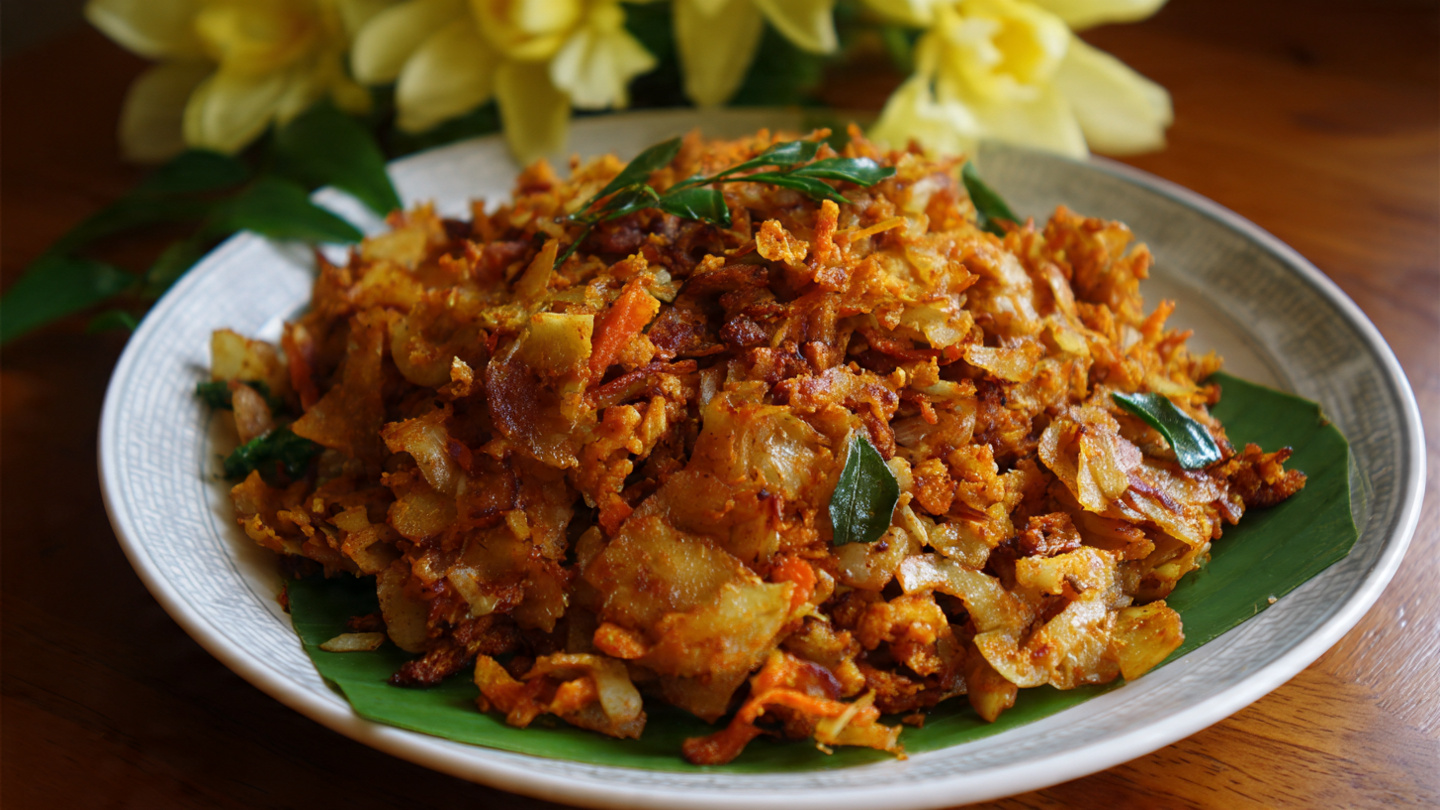
Kottu Roti is undoubtedly the king of Sri Lankan street food. Imagine this: finely chopped rotti (a type of flatbread), stir fried with vegetables, egg, and your choice of meat or cheese, all pounded and chopped together on a hot griddle with two metal blades. The rhythmic 'chopping' sound is as iconic as the dish itself. It’s savory, spicy, and incredibly satisfying – the perfect late night snack or a hearty meal on the go.
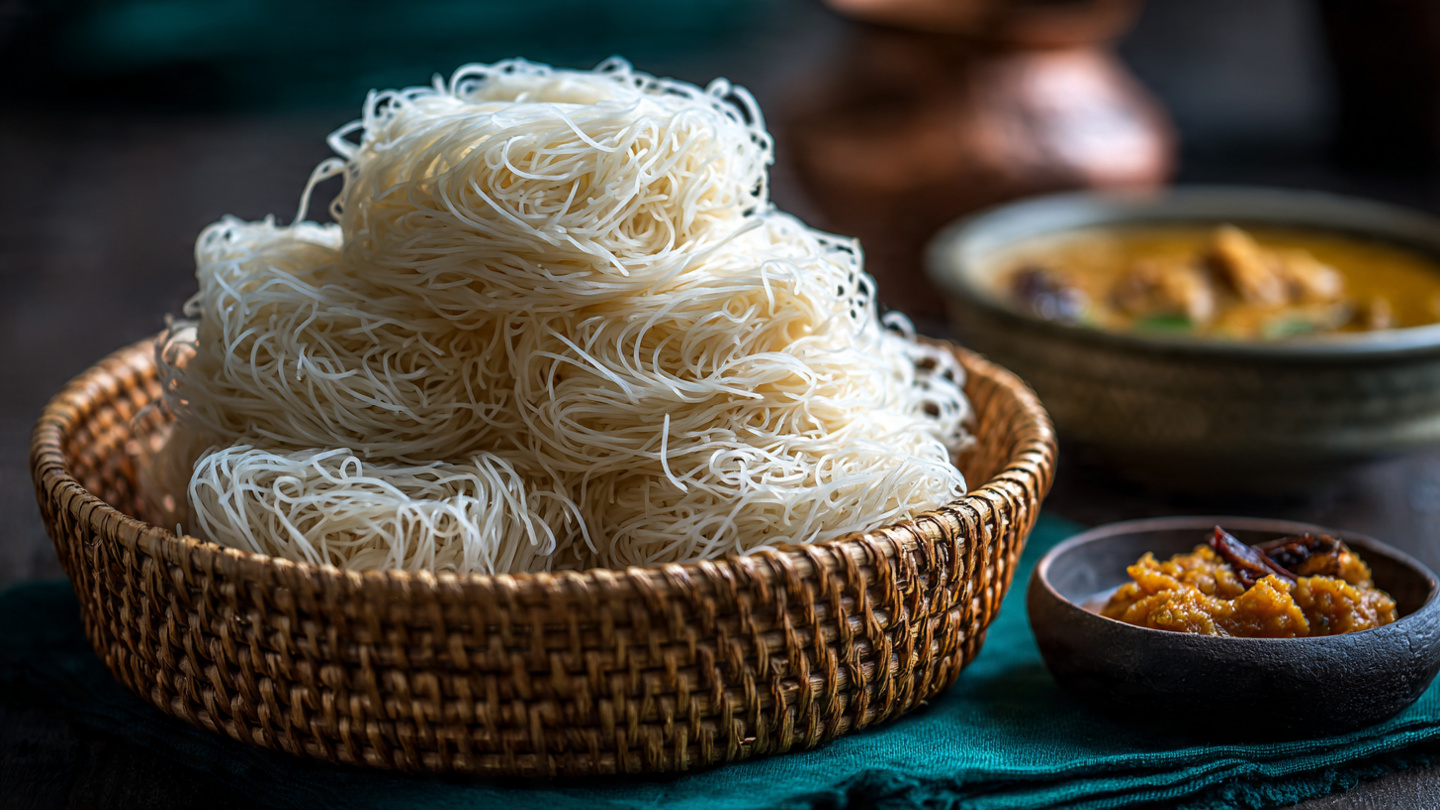
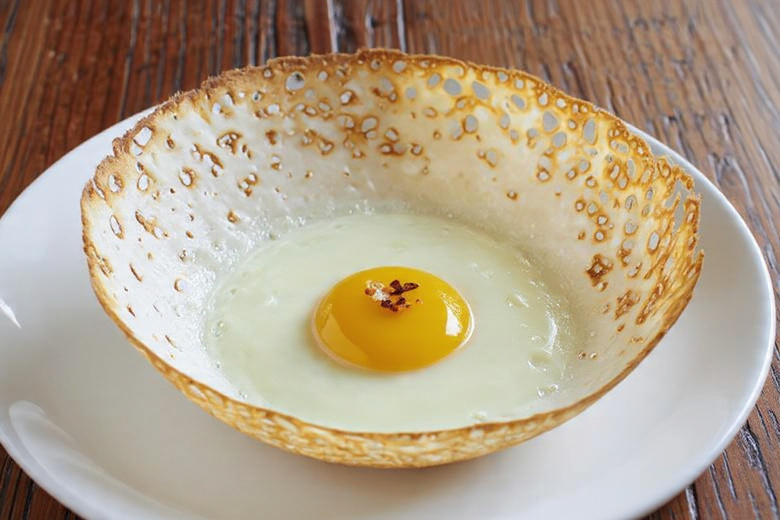
Another delightful street food find is Idiyappam (String Hoppers). These delicate, lace like noodles are made from rice flour and water, extruded into thin strands and then steamed. They are incredibly light and can be enjoyed with a variety of accompaniments, from savory fish curries to sweet coconut milk and palm sugar. For a more substantial option, look out for crispy, golden Wade, lentil fritters often spiced with herbs and served with chutneys.
A Taste of Sweetness Desserts and Treats
No culinary exploration is complete without indulging in the sweet offerings, and Sri Lanka has plenty to satisfy your sweet tooth. The island's tropical abundance of fruits and the widespread use of coconut milk and palm sugar give its desserts a distinct and delightful character.
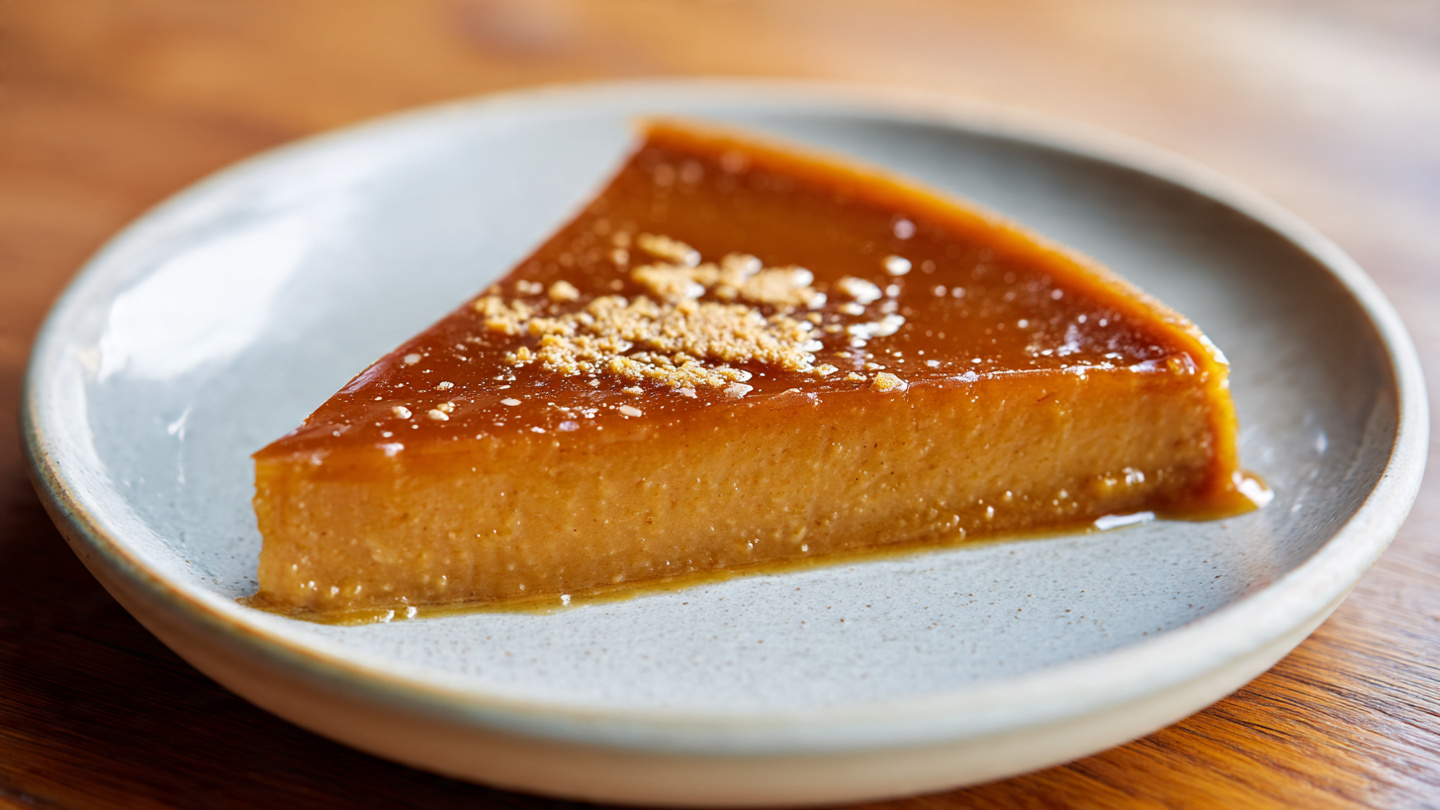
The undisputed star of Sri Lankan desserts is Watalappan. This rich, creamy, and fragrant custard is made from coconut milk, jaggery (unrefined palm sugar), eggs, and a generous amount of spices like cardamom, nutmeg, and cinnamon. Often topped with cashews, it's a dessert that is both deeply comforting and exquisitely flavored, a perfect end to any meal.
For a lighter, refreshing option, try Kithul Pani, a sweet syrup derived from the sap of the Kithul palm tree. It has a unique caramel like flavor and is often drizzled over curd (a type of yogurt) or used as a sweetener in various desserts and drinks.
Pickled Delights and Tangy Touches
Sri Lankan cuisine also excels in its ability to create complex flavors through pickles and relishes. These add a zesty and tangy counterpoint to the richer dishes.
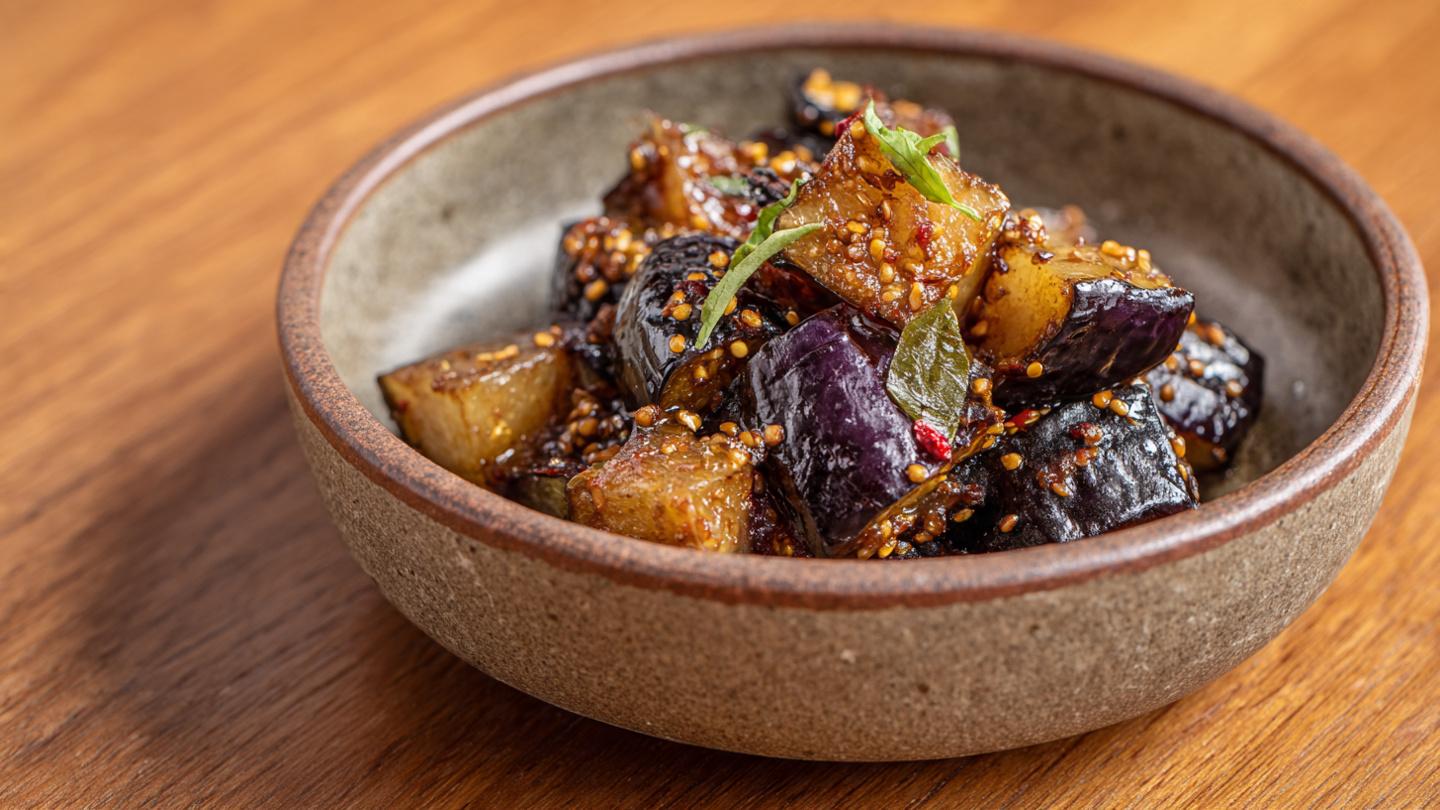
Batu Moju (Brinjal Moju) is a fantastic example. Tender pieces of eggplant are fried and then pickled in a sweet and sour mixture of vinegar, sugar, chilies, and onions. It's a burst of flavor that's both sweet and spicy, with a delightful tang that cuts through the richness of curries. It's often served as a side dish and is a true testament to the island's inventive use of its produce.
Regional Variations and Influences
Sri Lankan cuisine is not monolithic. Due to its diverse geography and history, you’ll find regional nuances that add even more depth to its culinary landscape. The coastal regions, naturally, are famous for their incredible seafood. Freshly caught fish, prawns, and crab are prepared in a myriad of ways, often infused with the briney essence of the ocean.
The mountainous regions, on the other hand, might lean more towards hearty vegetable dishes and unique grains. Sri Lanka's colonial past, particularly Dutch and Portuguese influences, can be seen in some of the dishes, like the beloved 'Lamprais', a packet of rice and curries baked in a banana leaf. Indian influences, particularly from South India, are also evident, especially in the prevalence of vegetarian dishes and the use of spices.
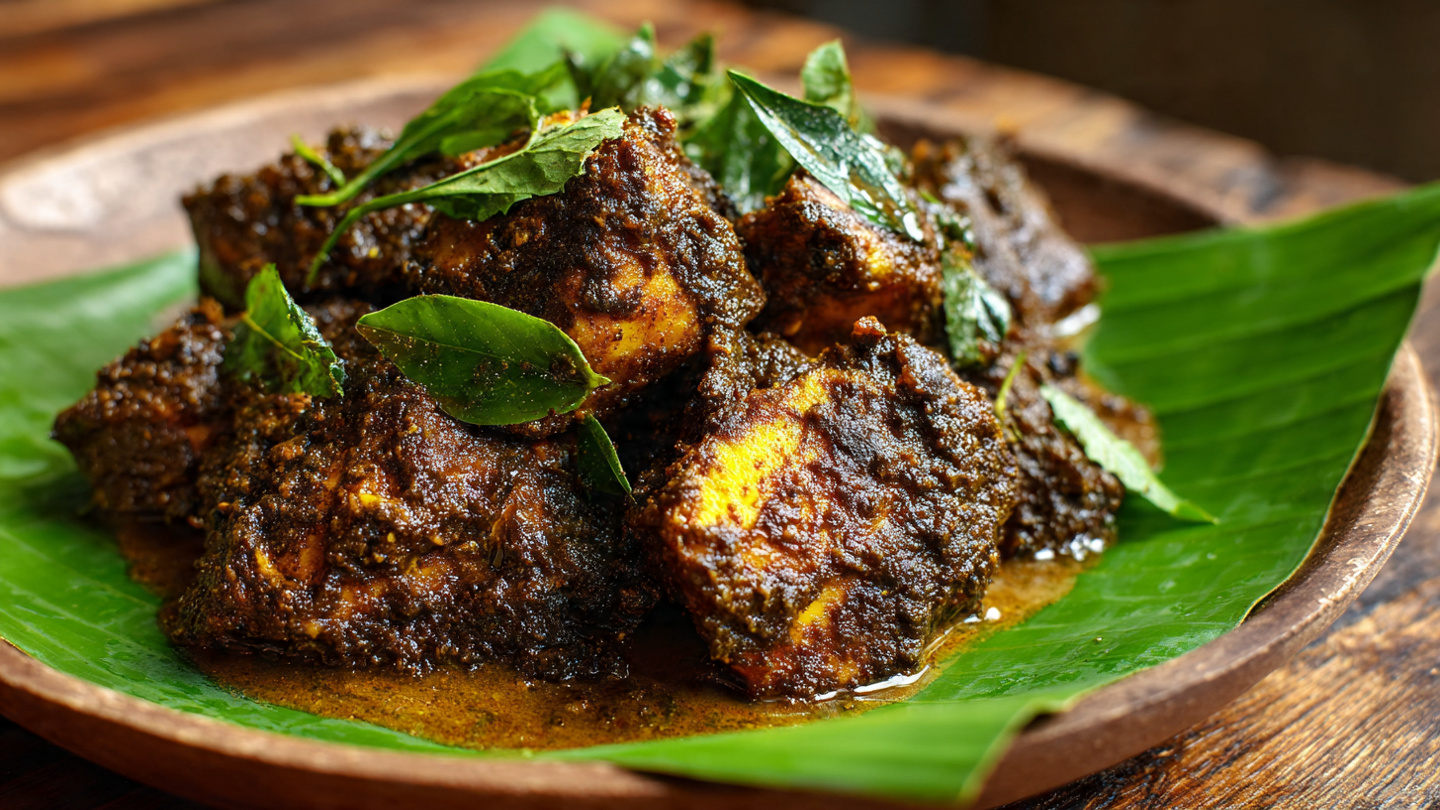
A standout dish that showcases a unique blend of these influences, particularly maritime and spice, is Ambul Thiyal. This is a sour fish curry, often made with tuna, that is cooked in a dark, rich gravy flavored with goraka (a sour fruit), black pepper, cinnamon, and curry leaves. It's a dish that is intensely flavorful and quite unlike any other fish curry you might have tasted.
Conclusion
Sri Lanka is a food lover's paradise, a place where every meal is an adventure and every bite tells a story. From the comforting embrace of a traditional Rice and Curry to the electrifying crunch of Kottu Roti and the sweet, spicy embrace of Watalappan, the island's flavors are as vibrant and diverse as its landscapes. The generous use of fresh, local ingredients, the masterful blend of spices, and the deep-rooted culinary traditions make Sri Lankan food a truly unforgettable experience. So, as you plan your next getaway, remember to pack your curiosity and an empty stomach. Sri Lanka awaits, ready to delight your taste buds and leave you with a culinary journey you'll be savoring long after you've returned home.
Most Popular








Anaya
comment1