



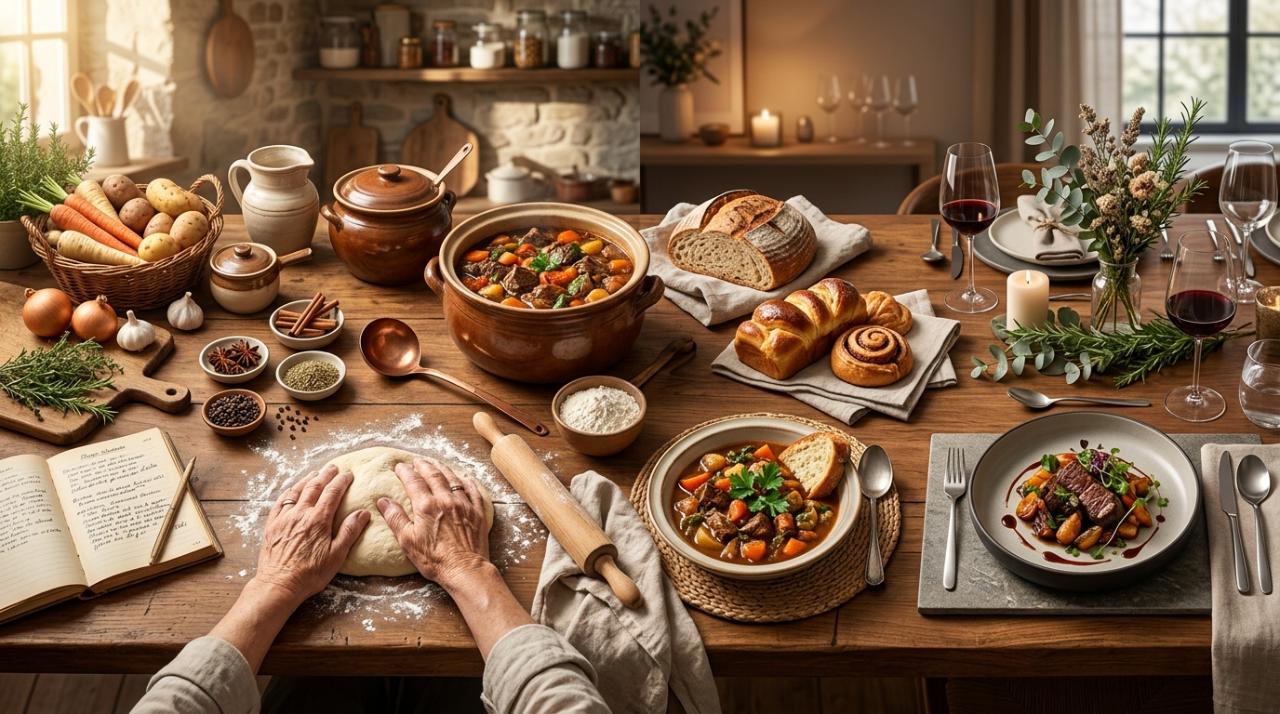
In today's fast-paced world, where convenience often dictates our culinary choices, there's a profound and enduring comfort found in the familiar flavors of our past. The scent of a dish simmering on the stove, the taste that instantly transports us back to cherished memories – these are the hallmarks of family recipes. These culinary heirlooms, passed down through generations, represent more than just ingredients and instructions; they are woven into the very fabric of our identities and family traditions.
The Heart of the Home
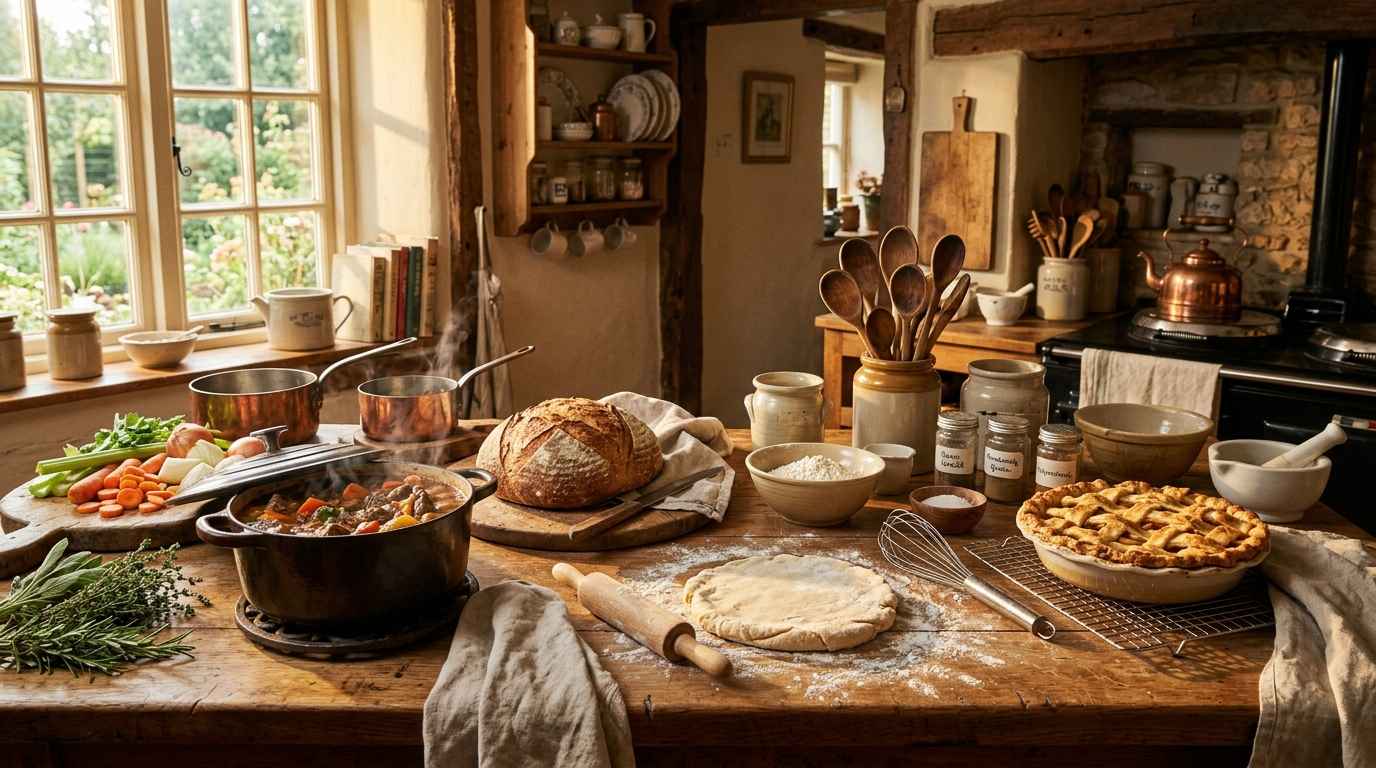
Grandmother's kitchen was often the epicenter of family life. It was a place where laughter mingled with the aroma of slow-cooked stews, freshly baked bread, and time-honored dishes. These traditional cooking methods, honed over years of practice, imbued each meal with a unique character and warmth. From the careful selection of fresh, local ingredients to the patient unfolding of complex flavors, traditional cooking is a labor of love. It's in the precise folding of dough for a pie crust, the gentle stirring of a rich sauce, or the patient marination of meat that the true essence of these generational recipes is preserved. These practices are not merely about sustenance; they are about connection, about imparting knowledge, and about fostering a sense of belonging that transcends time.
A Legacy of Love
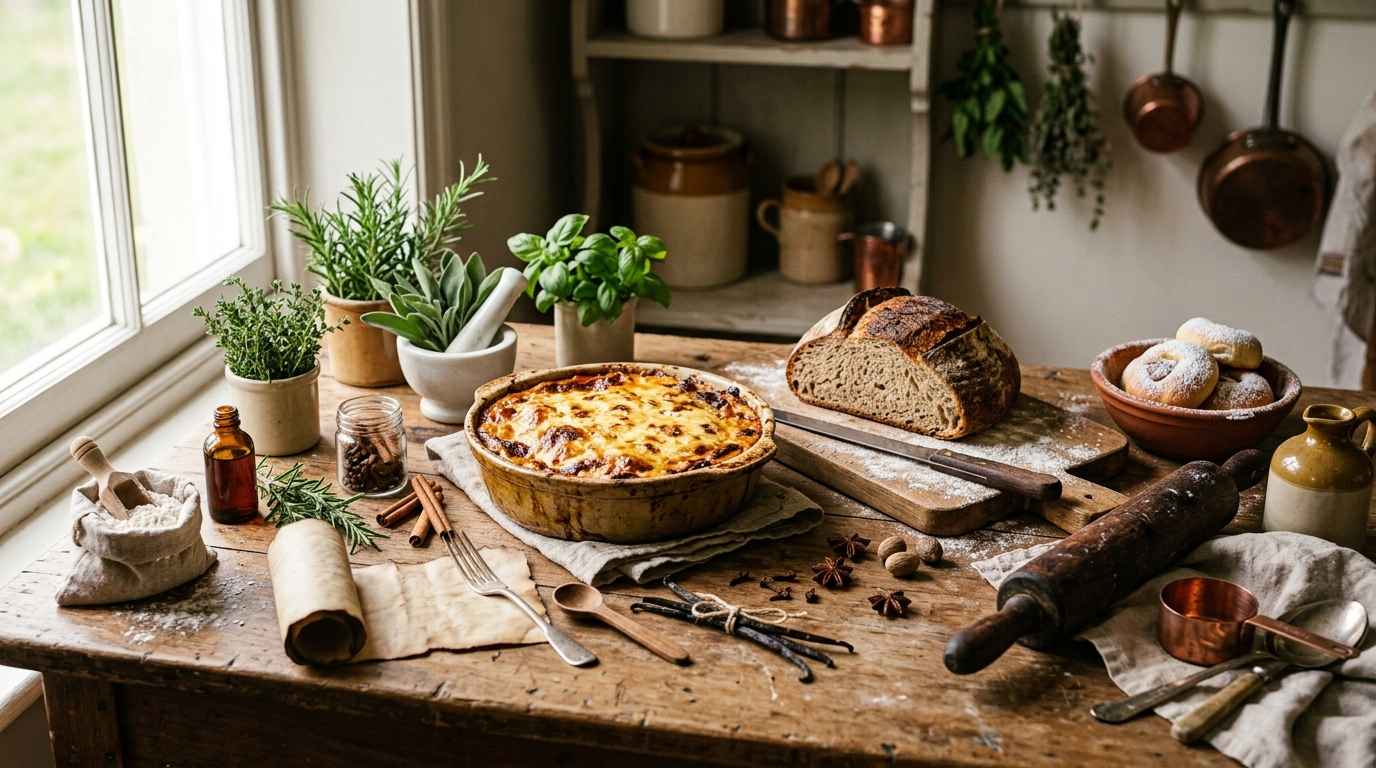
The recipes that survive the test of time are often those that carry the most emotional weight. They are the dishes served at every birthday, holiday gathering, and significant life event. A handwritten card, stained with flour and perhaps a hint of vanilla, becomes a treasured artifact. These generational recipes are a tangible link to our ancestors, allowing us to experience their culinary heritage firsthand. They tell stories of resourcefulness, of adapting to available ingredients, and of love expressed through food. When we recreate these dishes, we are not just following a recipe; we are participating in a living history, keeping the memory and spirit of those who came before us alive. This act of cooking and sharing these recipes strengthens family bonds and creates new memories for future generations to cherish.
Integrating the Past with the Present
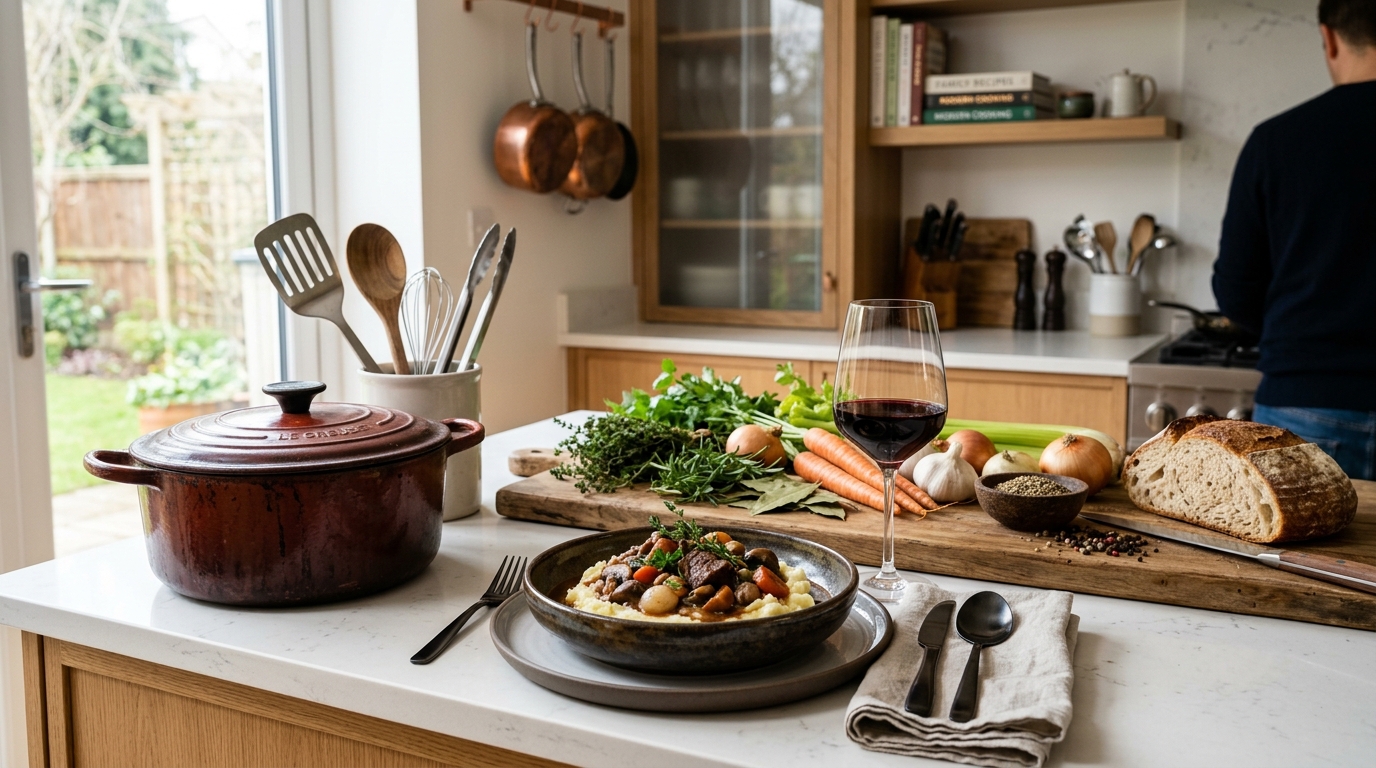
While modern food culture offers an unprecedented array of global cuisines and innovative cooking techniques, the appeal of traditional family recipes remains undeniable. Many home cooks today seek to blend the authenticity of their culinary heritage with contemporary trends. This might involve adapting a beloved family recipe with healthier ingredients, experimenting with new plating styles, or incorporating a traditional dish into a modern dinner party menu. The rise of food blogs, social media platforms, and cooking shows dedicated to heritage cooking further highlights the enduring interest in these time-tested dishes. This integration allows us to celebrate our roots while embracing the evolving landscape of food. It's about honoring the past while creating a vibrant and flavorful future for our kitchens, ensuring that these cherished recipes continue to be a source of joy and connection for years to come.
Preserving the Flavor, Sharing the Story
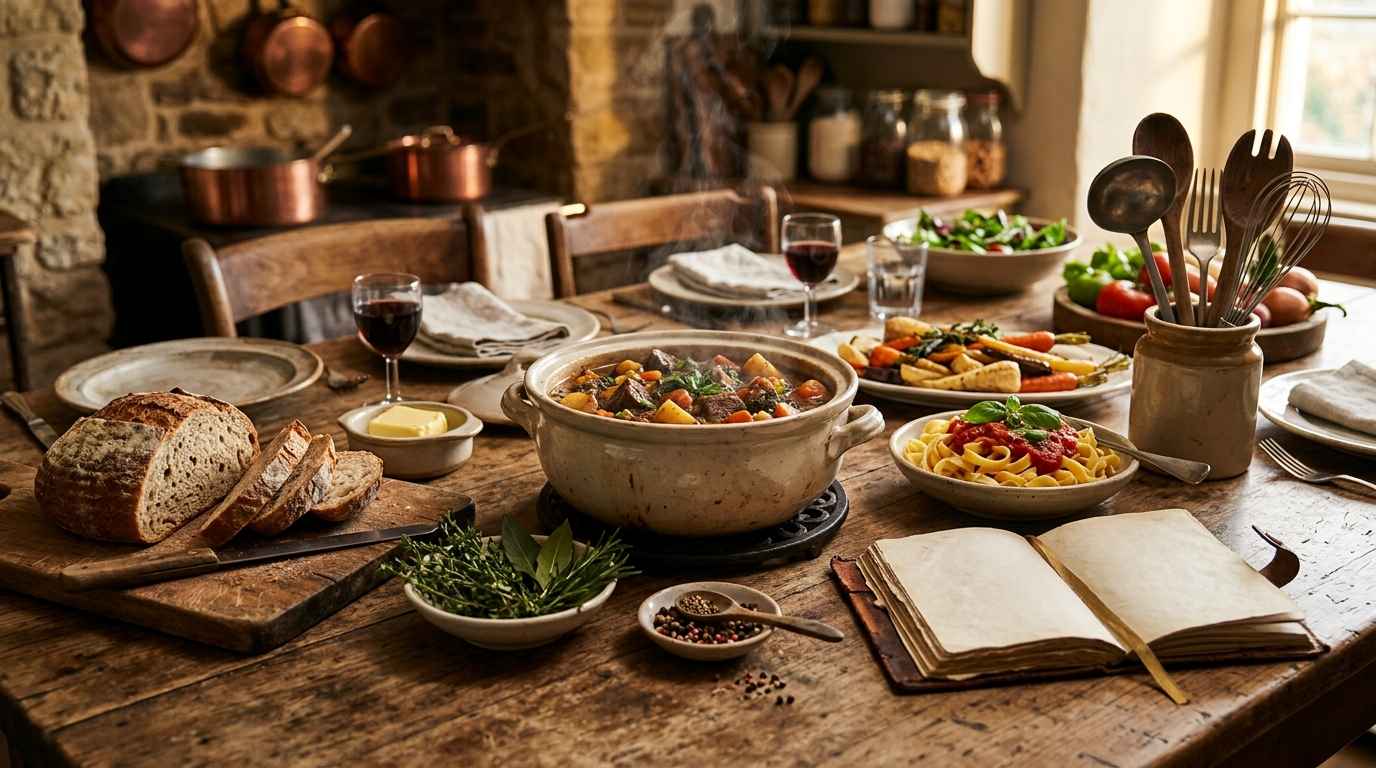
In essence, the journey of family recipes from grandmother’s kitchen to our modern tables is a testament to the power of food to connect us to our past, our families, and ourselves. It's an invitation to slow down, to savor the process, and to appreciate the enduring legacy of love and tradition that each dish represents. By continuing to cook, share, and adapt these cherished recipes, we ensure that the flavors and stories of our heritage are not lost, but rather continue to enrich our lives and the lives of those around us.
Most Popular








Anaya
comment1