Curry. Just the word conjures up images of vibrant colors, tantalizing aromas, and a symphony of flavors. Whether you're a seasoned home cook or just starting your culinary journey, mastering the art of making the perfect curry is a rewarding endeavor. It’s more than just a dish; it’s an experience, a celebration of spices, and a gateway to diverse cultures. From the fiery depths of a Sri Lankan curry to the subtle complexities of other Asian cuisines, this guide will walk you through the essential elements to create your own unforgettable curry masterpiece.
The Foundation
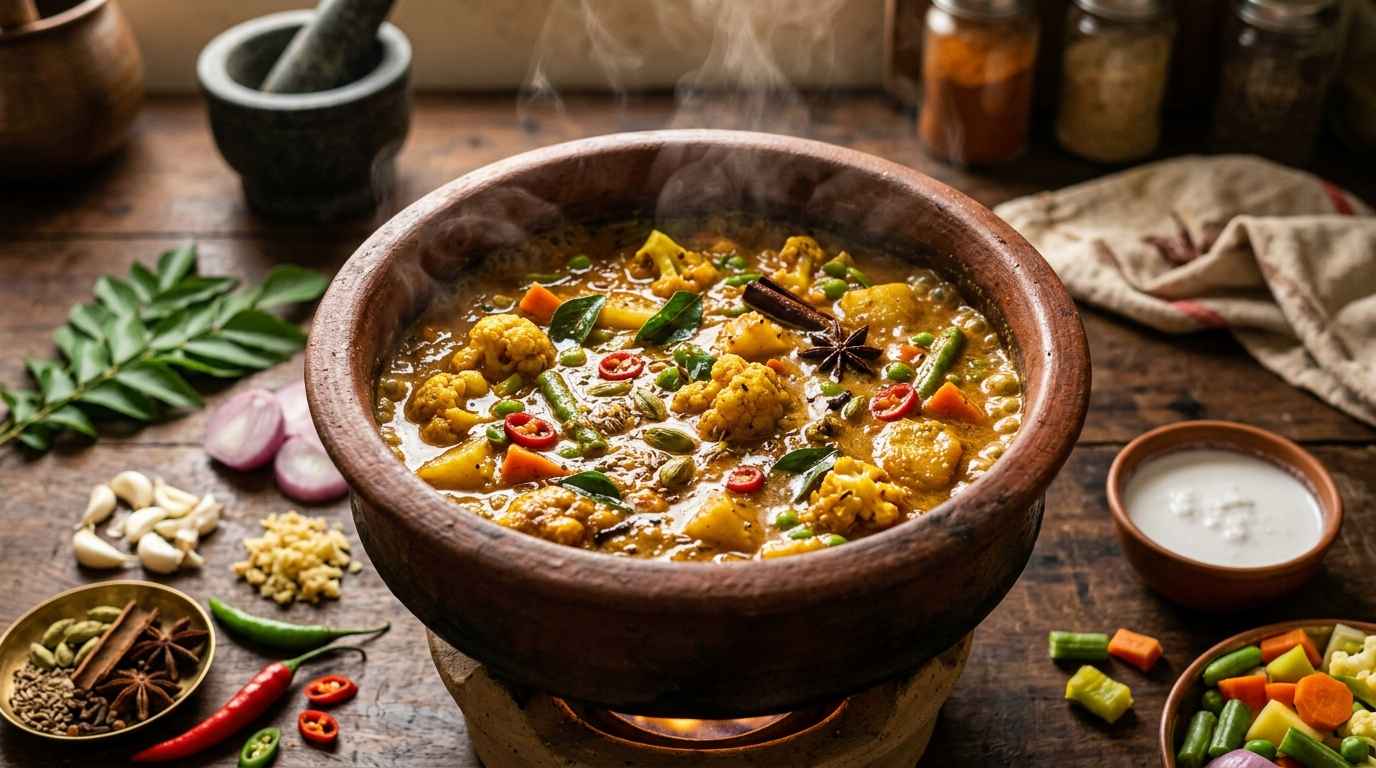
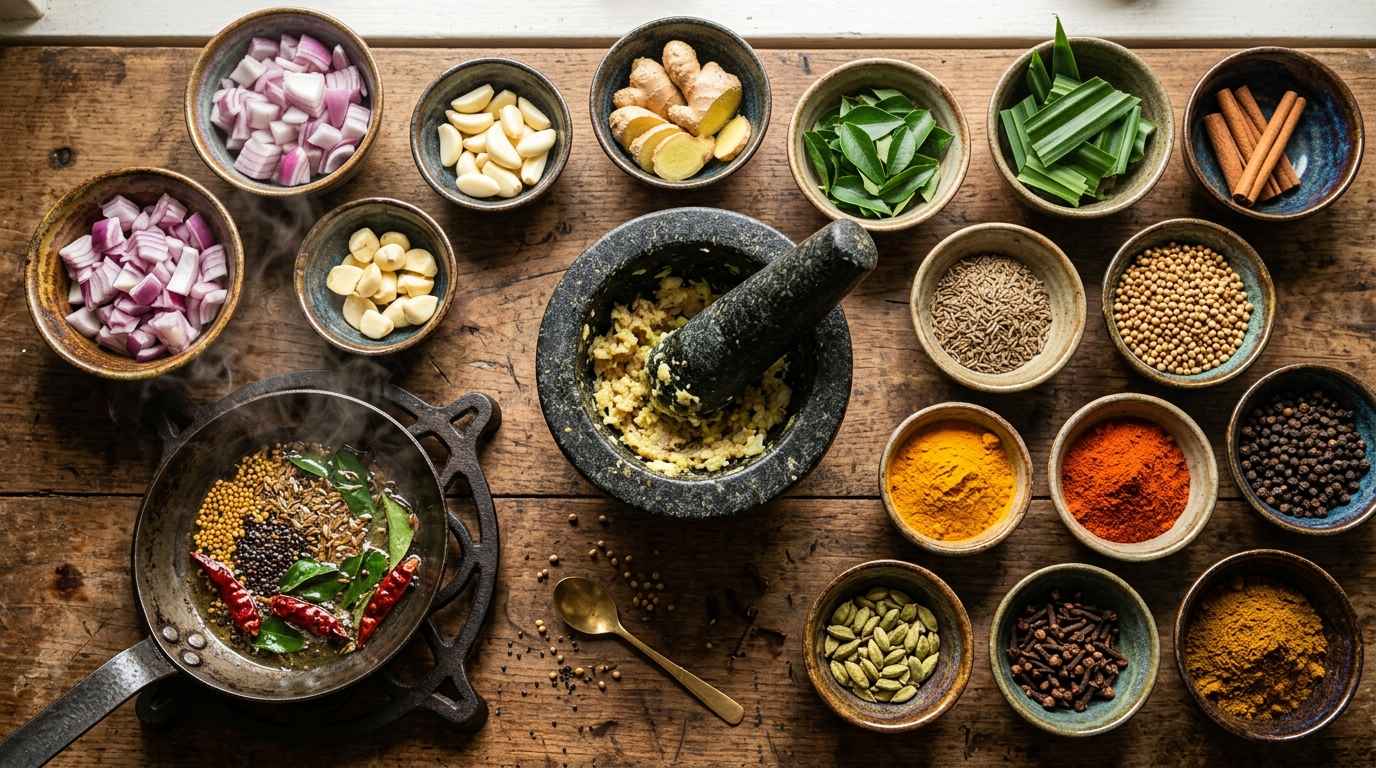
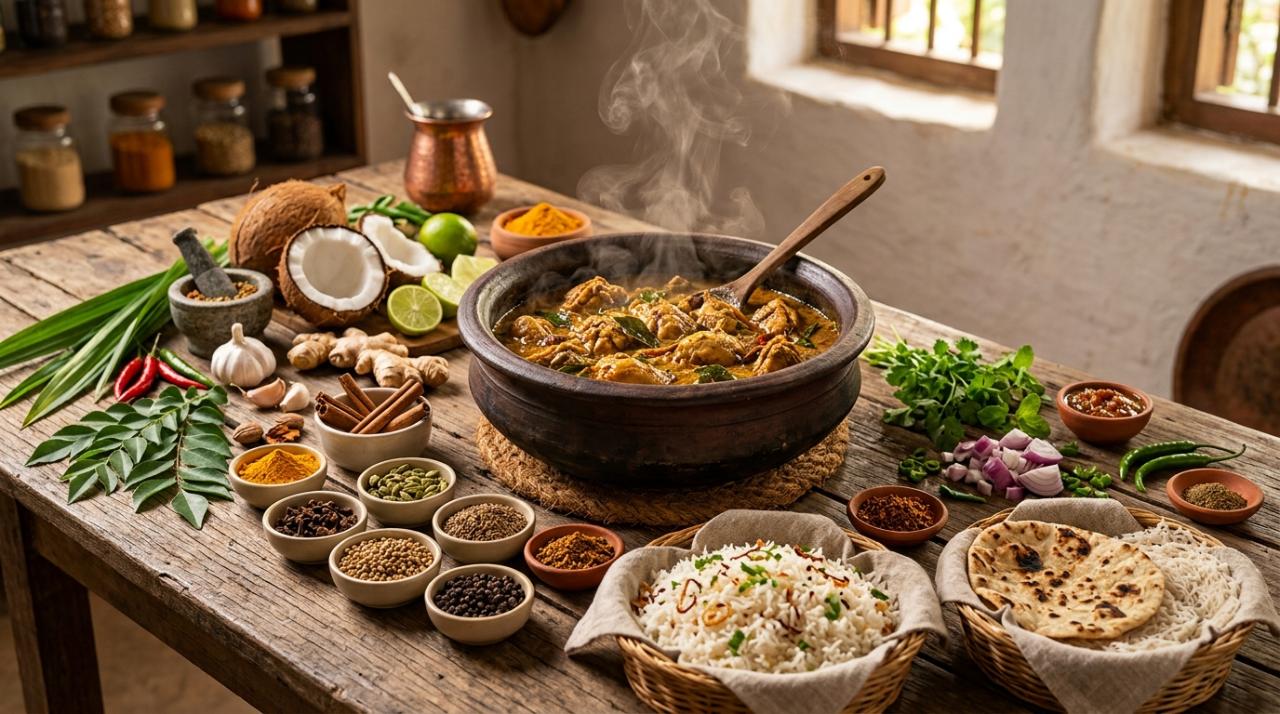
At the heart of any great curry lies a masterful blend of spices and aromatics. Think of these as your building blocks. A typical curry base often starts with onions, garlic, and ginger. Sautéing these until softened and fragrant releases their sweet and pungent notes, creating a rich foundation for your dish. But the real magic happens with the spices.
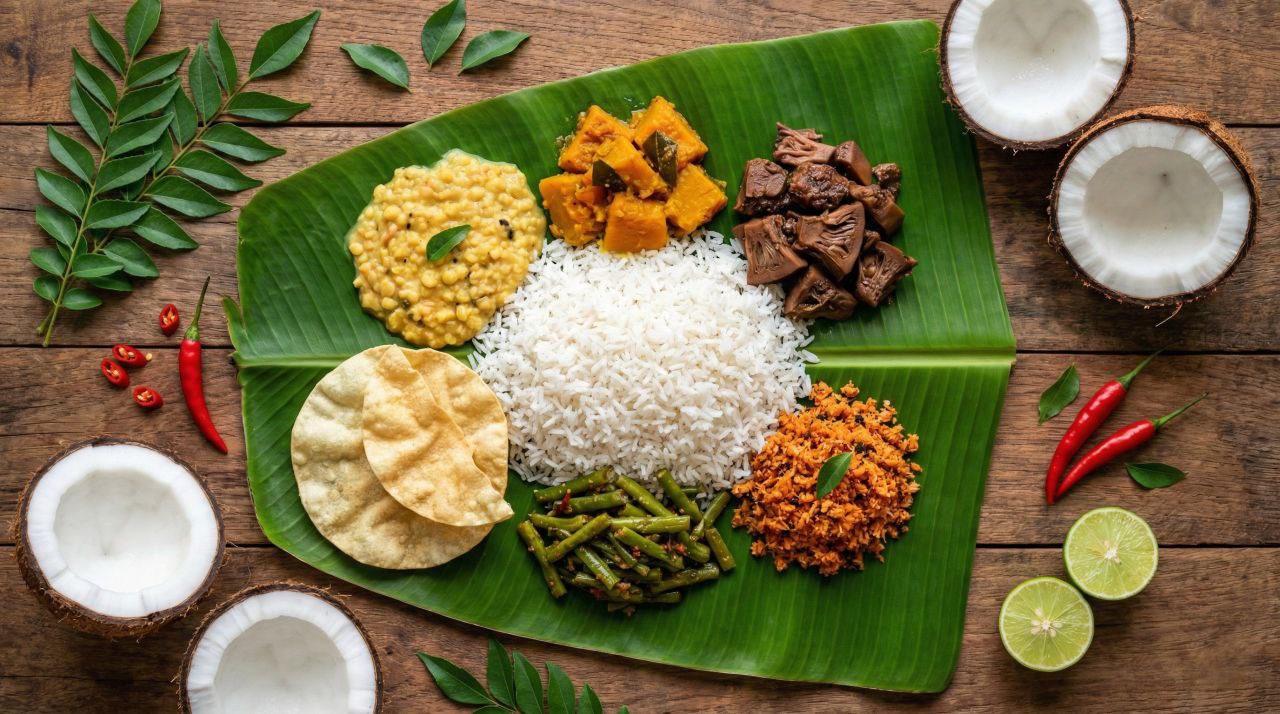
Understanding individual spices is key. Cumin offers earthy warmth, coriander provides a citrusy, floral note, turmeric lends its vibrant yellow hue and subtle bitterness, and chili powder brings the heat. For a truly authentic Sri Lankan curry, you might encounter ingredients like curry leaves, pandan leaves, and roasted curry powder, which adds a unique depth. Don't be afraid to experiment! Start with classic combinations and then begin to play. Toasting whole spices before grinding them can unlock even more intense flavors. A good spice blend is a personal journey; there's no single 'right' answer, only what tastes delicious to you.
The Technique
Making a perfect curry is an art of layering. Once your aromatics are softened and your spices are bloomed (cooked briefly in oil to release their flavors), it’s time to add your main ingredients. Whether you’re working with chicken, lamb, fish, or vegetables, consider how they interact with the spice base.
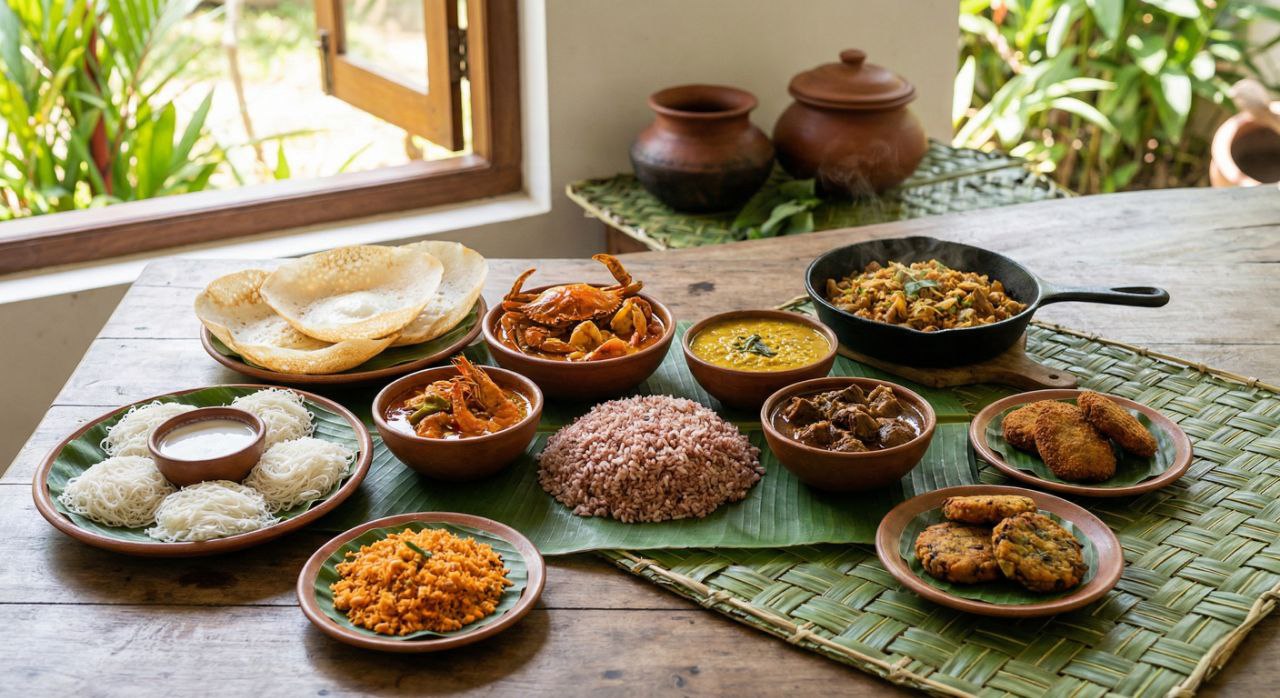
For meats, searing them first can add a delicious depth and texture. Vegetables can be added at different stages depending on their cooking time. Don't rush the process. Allowing your curry to simmer gently is crucial. This is where the flavors meld and deepen, transforming a collection of ingredients into a cohesive and delicious dish. The liquid base is also vital. Coconut milk is a classic choice for its creamy richness, but you can also use tomatoes, yogurt, or broth depending on the curry style you're aiming for. Sri Lankan curries often use coconut milk extensively, creating a rich and satisfying gravy.
The Finishing Touches
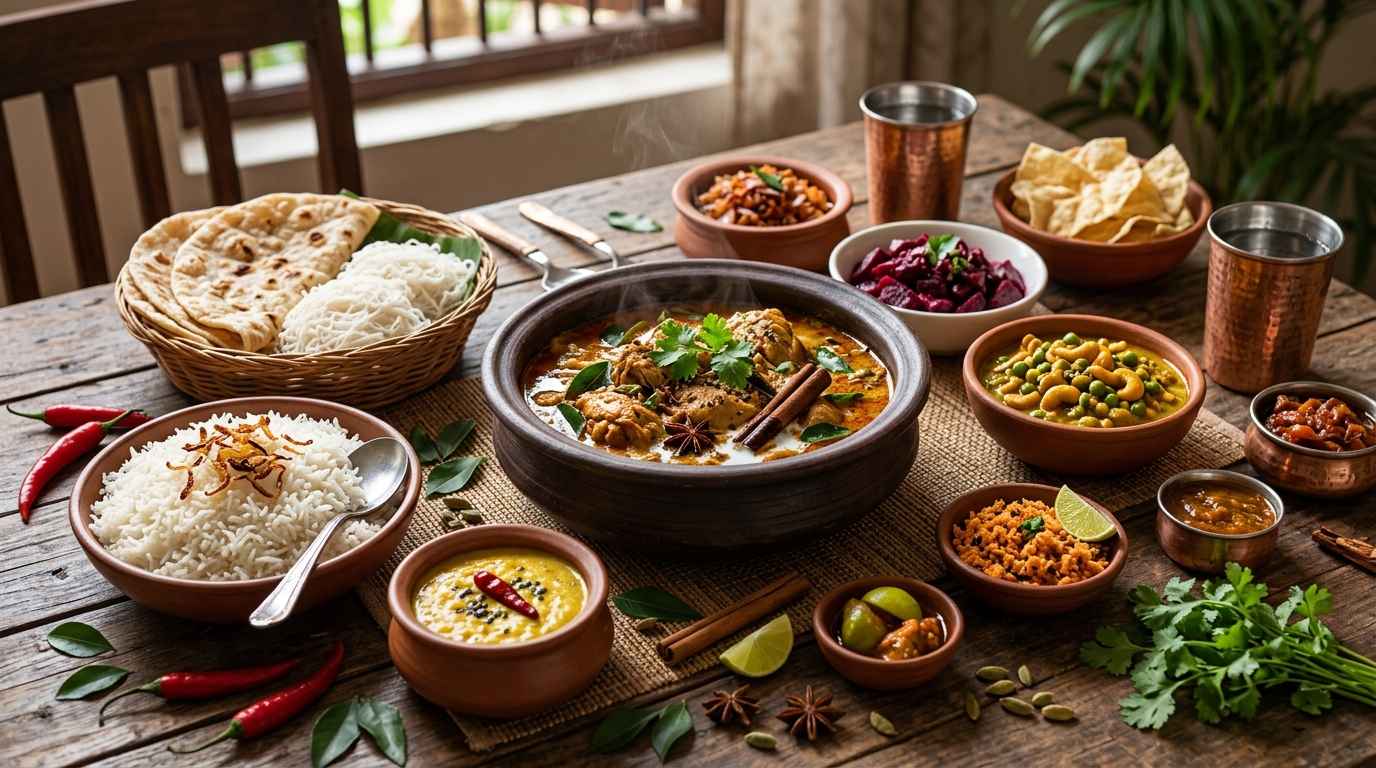
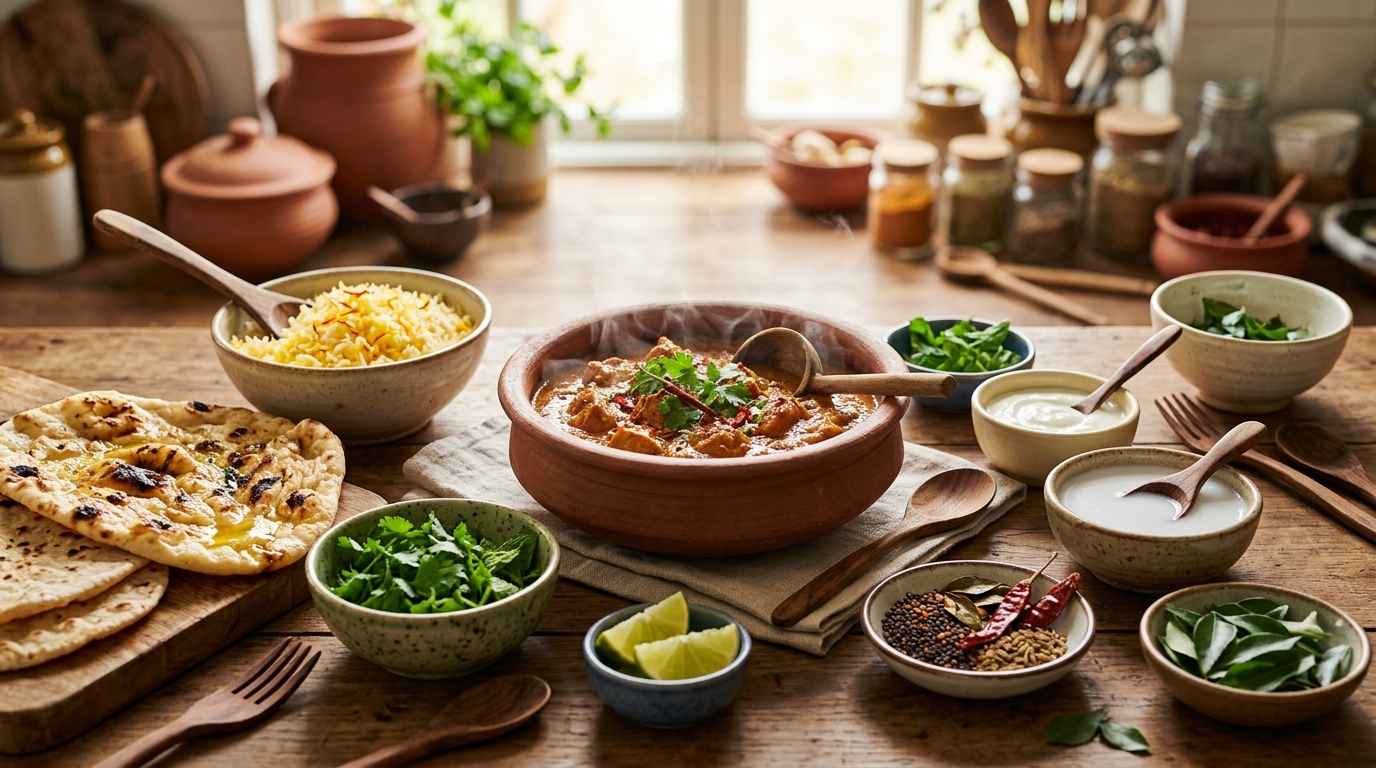
The final steps can elevate your curry from good to spectacular. Fresh herbs like cilantro or mint added at the end bring a burst of freshness. A squeeze of lime or lemon juice can cut through the richness and brighten the flavors. A dollop of plain yogurt or a swirl of cream can add a luxurious finish.
Consider the accompaniments too. Perfectly cooked basmati rice is a classic pairing, absorbing the delicious sauce. Naan bread or roti are also fantastic for scooping up every last drop. Don't forget that many curries taste even better the next day, as the flavors continue to develop and marry. So, feel free to make a larger batch!
The journey to making the perfect curry is one of exploration and enjoyment. It’s about understanding the fundamental ingredients and techniques, but more importantly, it’s about trusting your palate and having fun in the kitchen. Don't be intimidated by the array of spices or the perceived complexity. Start with a simple recipe, understand the role of each component, and gradually build your confidence. The aroma that will fill your home as your curry simmers is a reward in itself, and the taste will be a testament to your culinary creativity. So, gather your spices, embrace the process, and get ready to create a curry that will impress yourself and everyone lucky enough to share it.















Anaya
comment1