




What once started as simple home cooking has now become one of the most powerful forces in the digital food world. “From Home Kitchen to Viral Sensation” is no longer just a catchy phrase—it reflects a real shift in how people discover, share, and experience food in 2026.In the past, culinary fame was reserved for professional chefs, restaurant owners, or food critics. Today, anyone with a smartphone, creativity, and a unique recipe can become a global food influencer. Home kitchens have transformed into content studios where everyday meals are filmed, styled, and shared with millions of viewers across social platforms.
The rise of short-form video content has played a major role in this transformation. Platforms like TikTok, Instagram Reels, and YouTube Shorts have made it possible for a 30-second recipe clip to reach millions overnight. A simple dish like garlic noodles, homemade street-style burgers, or colorful dessert jars can suddenly trend worldwide if it has the right visual appeal and storytelling.But going viral is not just about appearance—it’s about relatability. Viewers are drawn to authentic, imperfect, and personal cooking journeys. When creators show real home kitchens, family recipes, or budget-friendly meals, audiences feel connected. This emotional connection is often what turns a casual viewer into a loyal follower.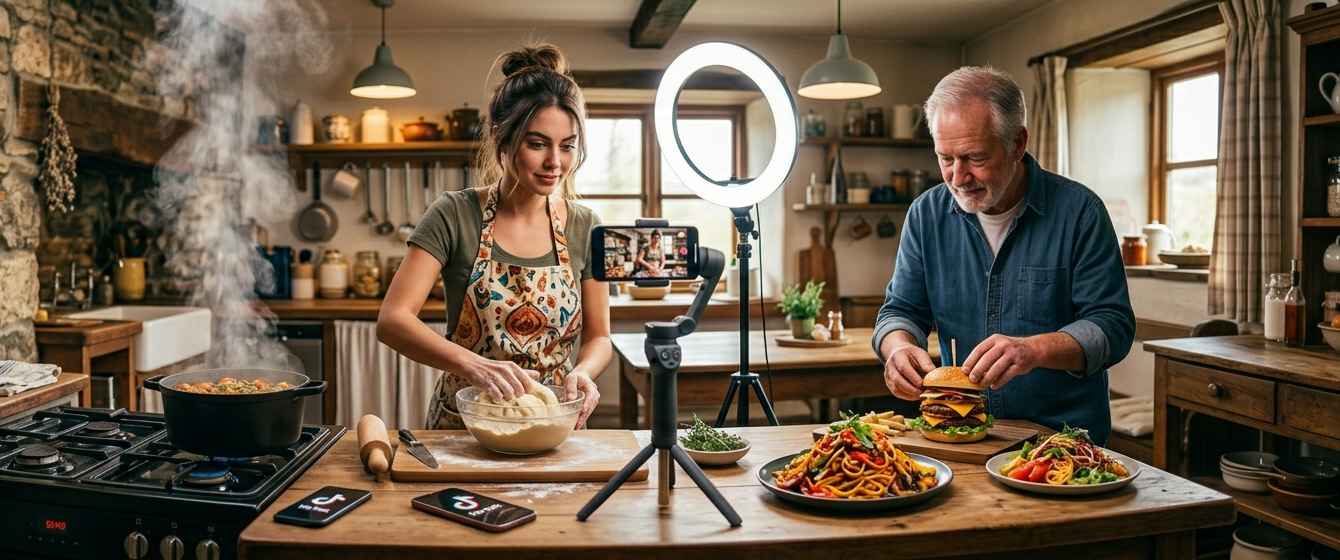
Another major factor is innovation. Home cooks are constantly experimenting by blending cultures, reinventing comfort food, and adding unexpected twists to traditional recipes. A classic dish can become viral when it is reimagined in a creative way—such as fusion street food, aesthetic plating styles, or extreme flavor combinations.Social media algorithms also play a silent but powerful role. Content that gets early engagement—likes, shares, comments—gets pushed to wider audiences. This creates a ripple effect where one small recipe video can turn into a global trend within hours.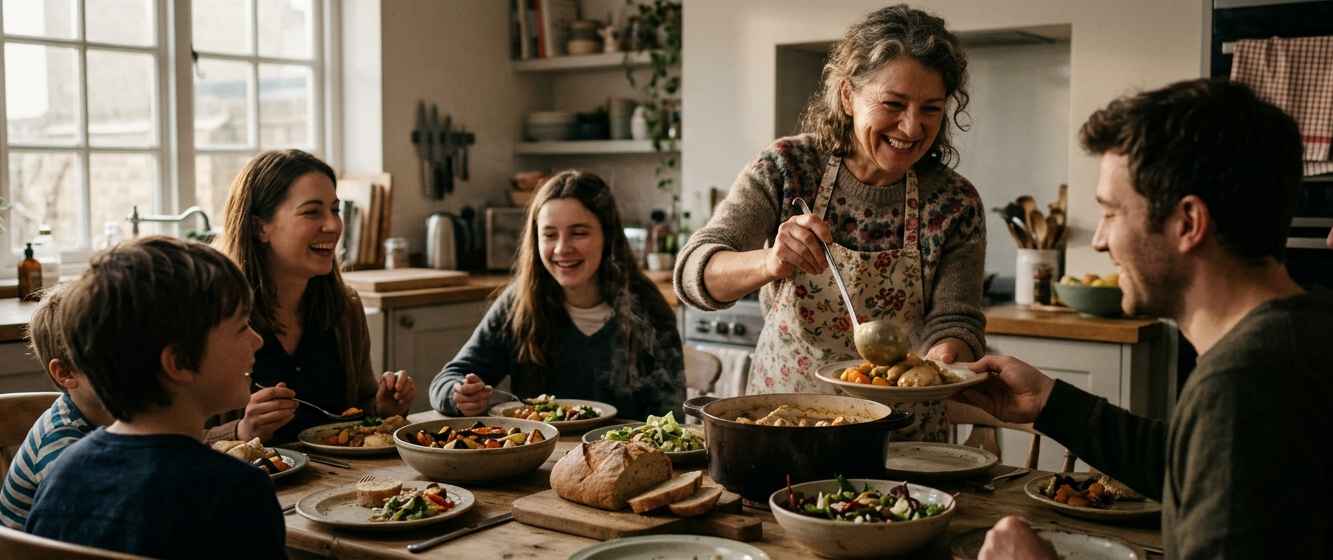
However, behind the glamour of virality lies consistency and effort. Most viral creators don’t succeed overnight. They spend months or even years refining recipes, understanding lighting, learning video editing, and studying audience behavior. Passion and patience remain at the core of every success story.Interestingly, this trend has also reshaped the food industry itself. Restaurants now take inspiration from viral home recipes, and food brands collaborate with home creators to reach younger audiences. The line between professional chef and home cook is becoming increasingly blurred.In the end, the journey from a simple home kitchen to viral sensation is a blend of creativity, timing, and authenticity. It proves that great ideas don’t need fancy equipment or professional studios—sometimes, all they need is a kitchen, a story, and a spark that resonates with the world.
Most Popular







Anaya
comment1