



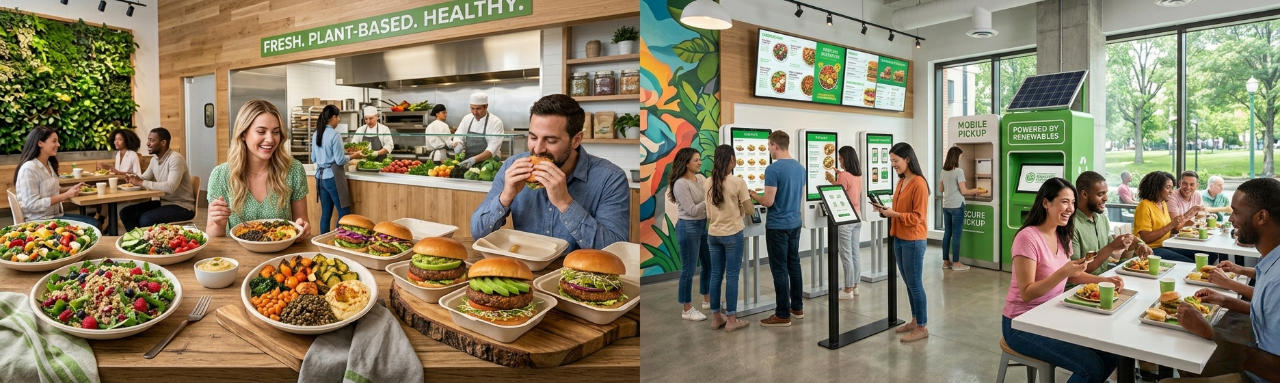
For decades, fast food has been synonymous with convenience and affordability. However, the conversation surrounding these quick meal options is undergoing a significant transformation. Gone are the days when the primary focus was solely on speed and indulgence. Today, consumers are increasingly demanding healthier, smarter, and more sustainable choices, and the fast food industry is responding. This evolution reflects a broader societal shift towards greater health consciousness and environmental responsibility.
From Indulgence to Well being
The initial appeal of fast food was its ability to deliver a quick, satisfying meal. However, as nutritional science has advanced and public awareness of diet related health issues has grown, the demand for healthier alternatives has surged. Many fast food chains are now actively reformulating their menus, offering options that are lower in sodium, unhealthy fats, and added sugars. This includes the introduction of grilled rather than fried options, a wider variety of fresh fruits and vegetables, and plant based protein choices. Furthermore, nutritional information is more readily available, empowering consumers to make informed decisions about their food intake. This move towards transparency and healthier ingredients is not just a trend; it is a fundamental change in how fast food is perceived and consumed.

Innovations in Menu Development
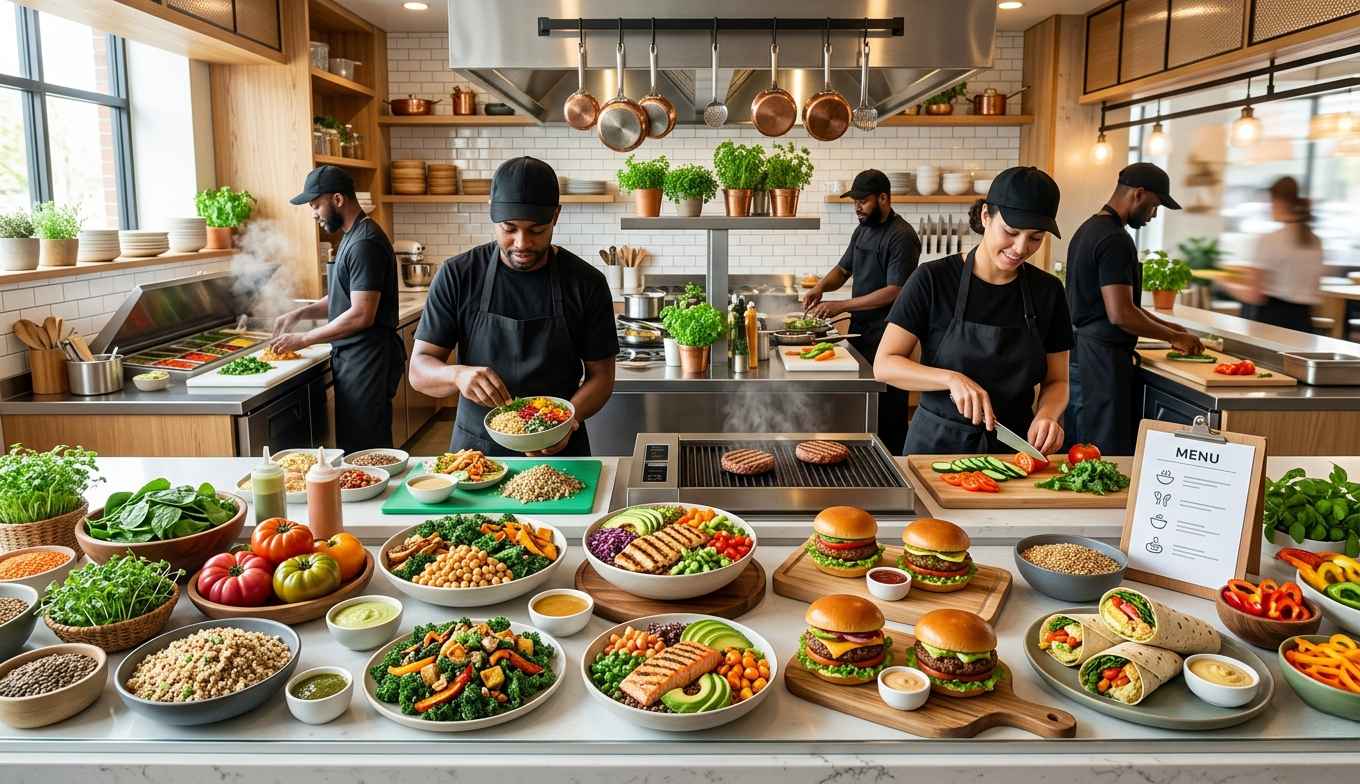
The drive for healthier options has spurred significant innovation in menu development. We are seeing an influx of salads, grain bowls, and wraps that prioritize fresh, whole ingredients. Plant based burgers and chicken alternatives are no longer niche offerings but mainstream staples on many fast food menus. These innovations cater to a growing vegetarian, vegan, and flexitarian population, as well as those simply looking to reduce their meat consumption. The challenge for fast food companies lies in balancing these healthier options with the convenience and taste that customers expect, a challenge they are increasingly meeting with creative culinary solutions.
Smarter Choices and Technological Integration
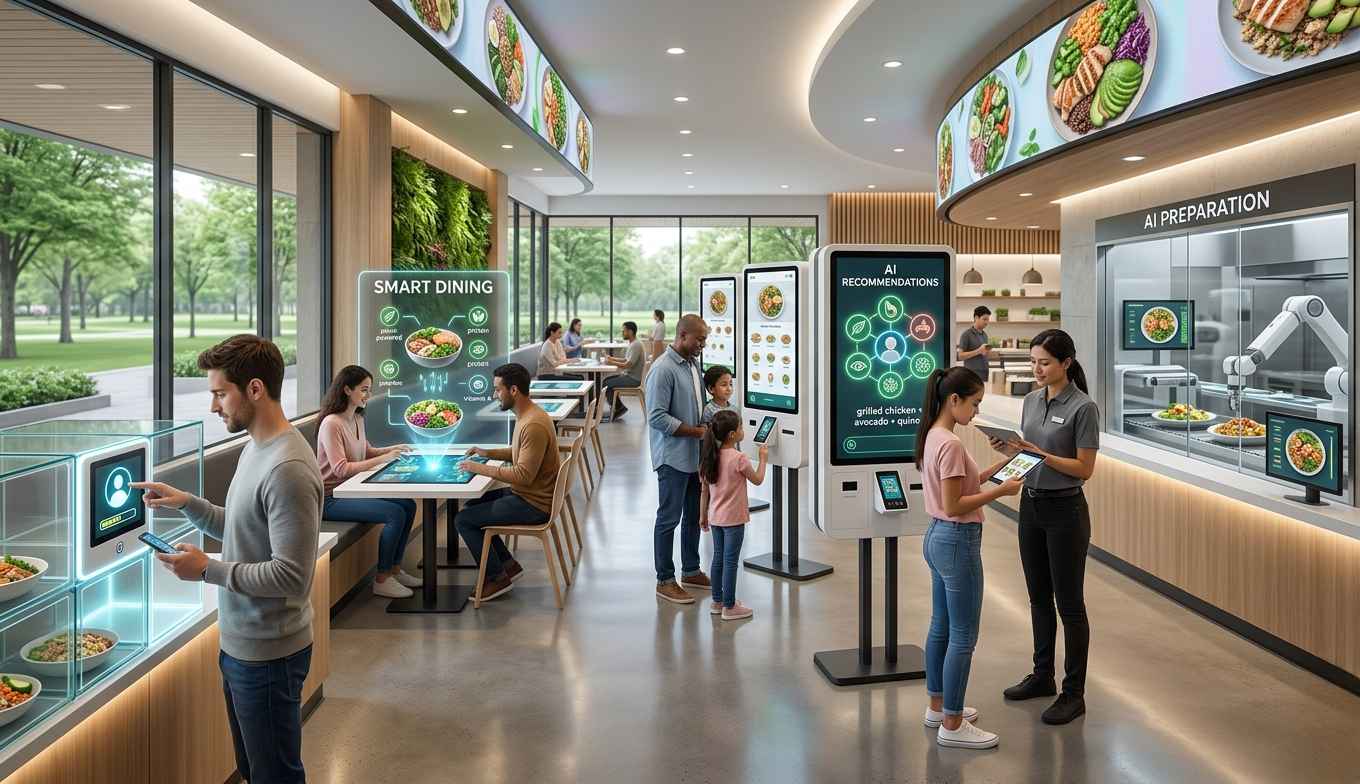
Beyond menu changes, the fast food industry is also becoming smarter through technological advancements. Mobile ordering apps, personalized recommendations based on past purchases, and loyalty programs that reward healthier choices are becoming commonplace. These technologies not only enhance the customer experience but also provide valuable data that helps companies understand and cater to evolving consumer preferences. Some chains are even exploring AI powered tools to optimize ingredient sourcing and reduce food waste, further contributing to a smarter operational model.
The Rise of Transparency and Customization
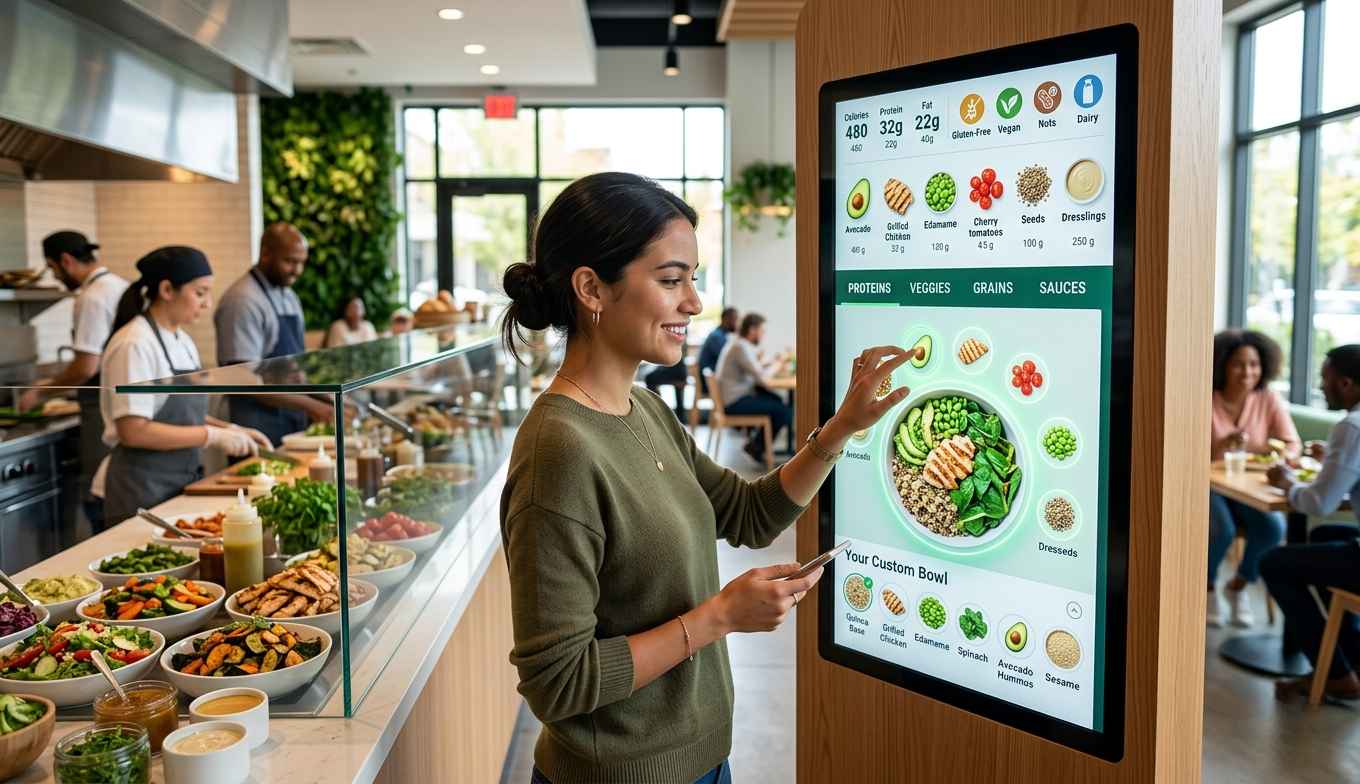
Technology has also enabled greater transparency. Consumers can now easily access detailed ingredient lists, allergen information, and nutritional breakdowns for almost every item on a menu. This empowers individuals with dietary restrictions or specific health goals to navigate fast food options with confidence. Moreover, the ability to customize orders has become a key feature, allowing customers to build meals that align with their personal dietary needs and preferences, further enhancing the 'smarter choice' aspect of modern fast food.
Embracing Sustainability
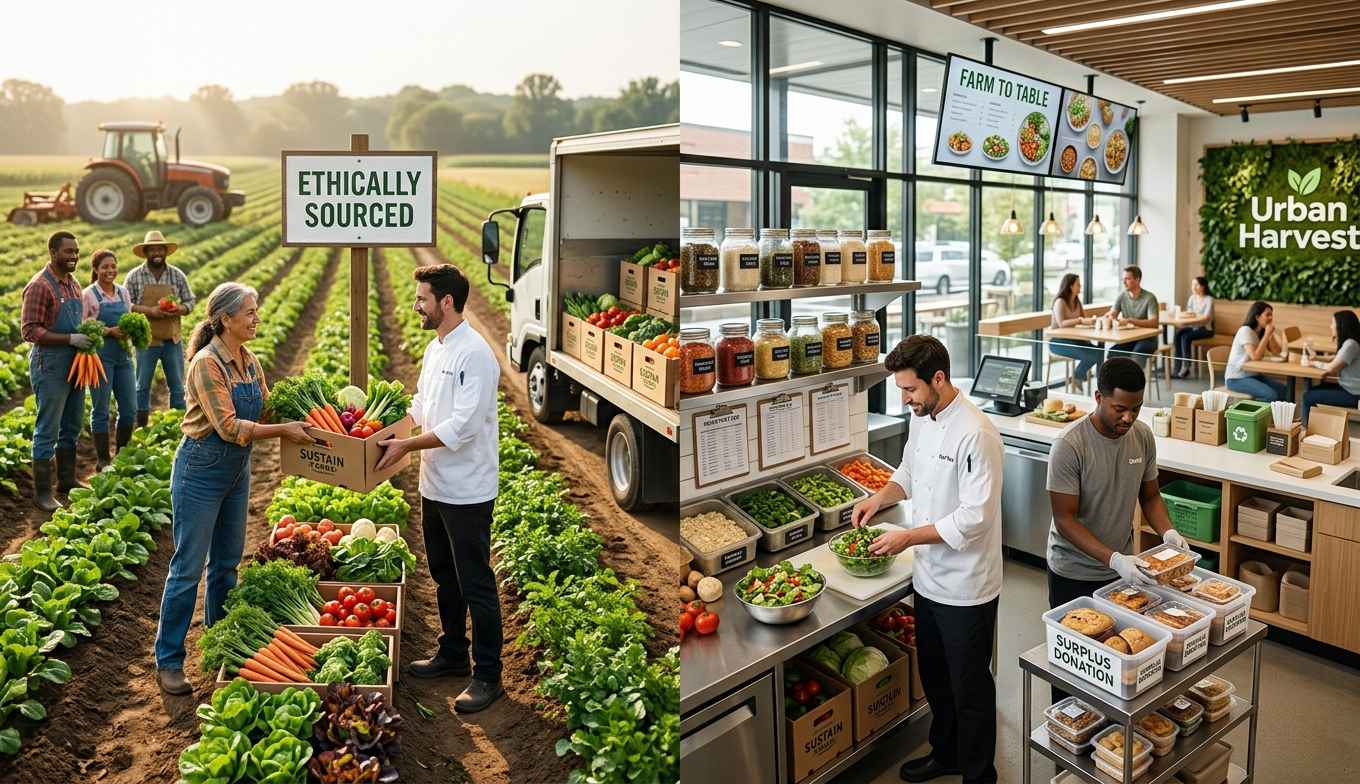
The environmental impact of food production and consumption is a growing concern, and the fast food industry is not immune. Many major players are now investing in sustainable practices. This includes efforts to reduce single use plastics, such as offering reusable or compostable packaging. There is also a greater emphasis on ethical sourcing of ingredients, supporting local farmers, and minimizing the carbon footprint of their supply chains. Some companies are exploring renewable energy sources for their outlets and investing in water conservation initiatives. These sustainability efforts are crucial for maintaining brand reputation and appealing to an increasingly eco conscious consumer base.

Reducing Food Waste and Ethical Sourcing
Food waste is a significant environmental issue, and fast food companies are implementing strategies to combat it. This can involve more accurate forecasting of demand, optimizing inventory management, and donating surplus food to local charities. Furthermore, the ethical sourcing of ingredients, from animal welfare standards to fair labor practices in agriculture, is becoming a critical differentiator. Consumers are increasingly scrutinizing the origins of their food, pushing companies to adopt more responsible and transparent sourcing policies.
The Future of Fast Food
The evolution of fast food is an ongoing narrative. As consumer demands continue to shift and technological capabilities expand, we can expect further innovation in areas of health, customization, and sustainability. The future of fast food is likely to be characterized by a more holistic approach, one that balances convenience with well being, smart technology with human interaction, and profit with planetary responsibility. The once solely indulgent fast food experience is being redefined, offering consumers more choices than ever before to eat well, live better, and contribute to a more sustainable future.

Most Popular













Anaya
comment1