



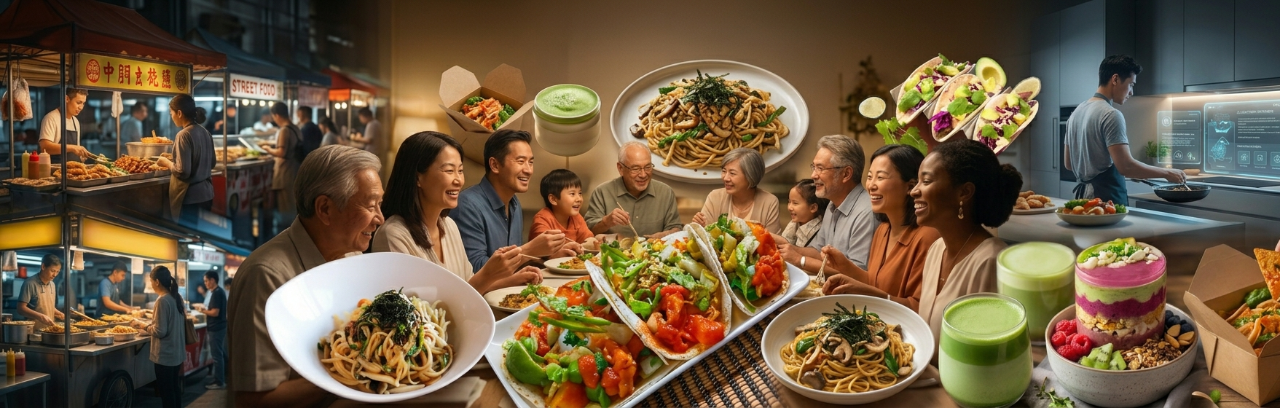
Food in 2026 is more than just nourishment—it is a global experience shaped by technology, culture, sustainability, and social media influence. Around the world, eating habits are rapidly evolving as people become more health-conscious, environmentally aware, and eager to try bold new flavors. From street markets to high-end restaurants, food trends are reflecting a powerful mix of tradition and innovation.One of the biggest global trends is plant-based eating. Vegan and vegetarian diets are no longer niche; they have become mainstream in many countries. Consumers are choosing plant-based meats, dairy alternatives, and protein-rich vegetables as concerns about health and climate impact continue to rise. Even fast-food chains are expanding their menus to include sustainable, plant-powered options.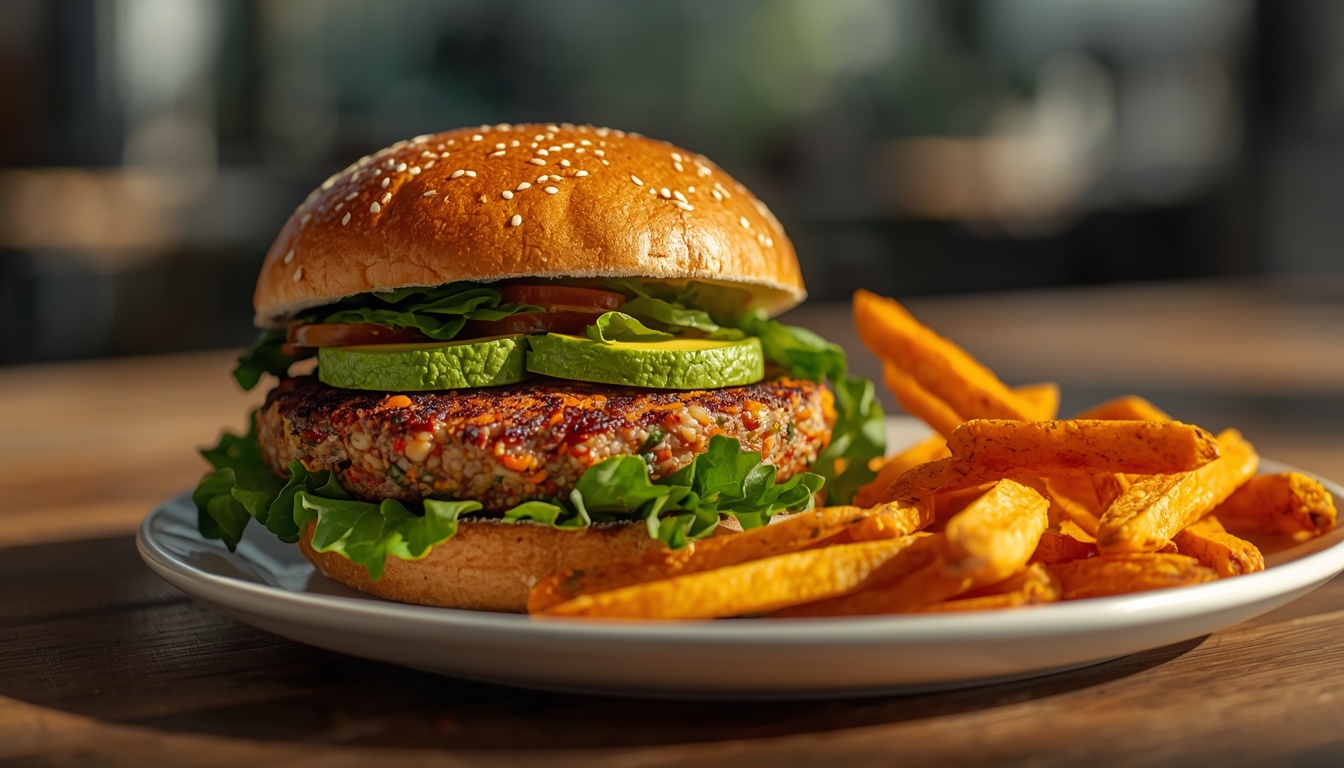
Another major shift is the rise of fusion cuisine. In 2026, chefs are blending flavors from different cultures to create exciting new dishes. Korean-Mexican tacos, Japanese-Italian pasta, and Indian-inspired burgers are just a few examples of how global flavors are merging. This trend is heavily driven by travel, migration, and food content on platforms like TikTok and Instagram, where visually appealing dishes quickly go viral.Functional foods are also gaining popularity. People are no longer eating just for taste—they want food that improves mental clarity, boosts immunity, and increases energy. Ingredients like turmeric, matcha, ginger, and probiotic-rich foods are now common in everyday meals. Smoothie bowls, herbal drinks, and nutrient-packed snacks are becoming lifestyle essentials.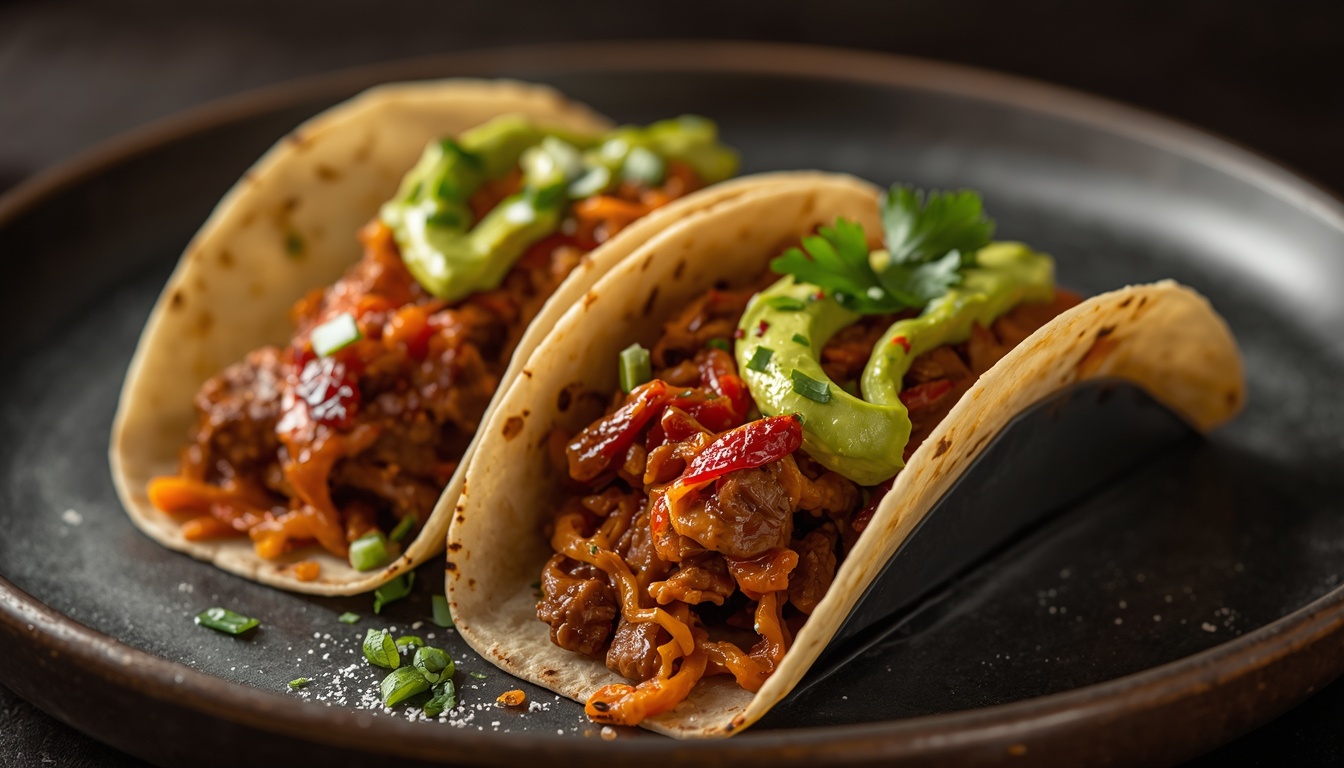
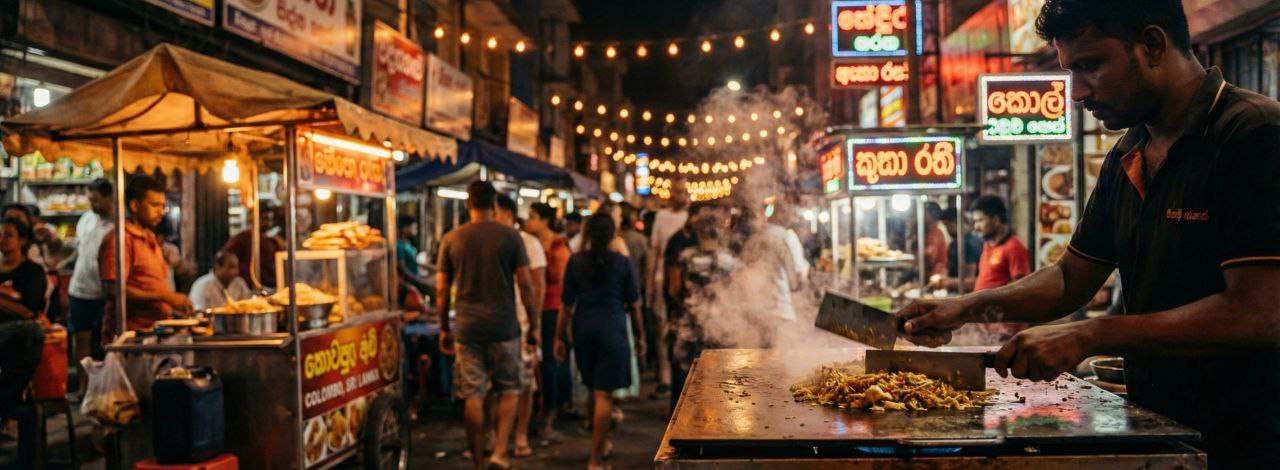
At the same time, street food culture is experiencing a global renaissance. Affordable, flavorful, and authentic, street food continues to dominate urban food scenes. From Asian night markets to European food trucks, these quick meals are now being celebrated in gourmet-style presentations, attracting both locals and tourists.Technology is also reshaping how people eat. AI-powered meal planning and smart kitchens are helping individuals customize diets based on their health goals. Food delivery apps are becoming more advanced, offering personalized recommendations and faster service than ever before.
Sustainability remains at the heart of food innovation. Restaurants and food brands are focusing on zero-waste cooking, eco-friendly packaging, and locally sourced ingredients. Consumers are more aware of where their food comes from and how it impacts the planet.In conclusion, food trends in 2026 reflect a world that is connected, conscious, and creative. Whether it’s plant-based meals, global fusion dishes, or tech-driven dining experiences, people are embracing food in more meaningful ways than ever before. The future of food is not just about eating—it’s about experiencing culture, health, and innovation on every plate.
Most Popular







Anaya
comment1