



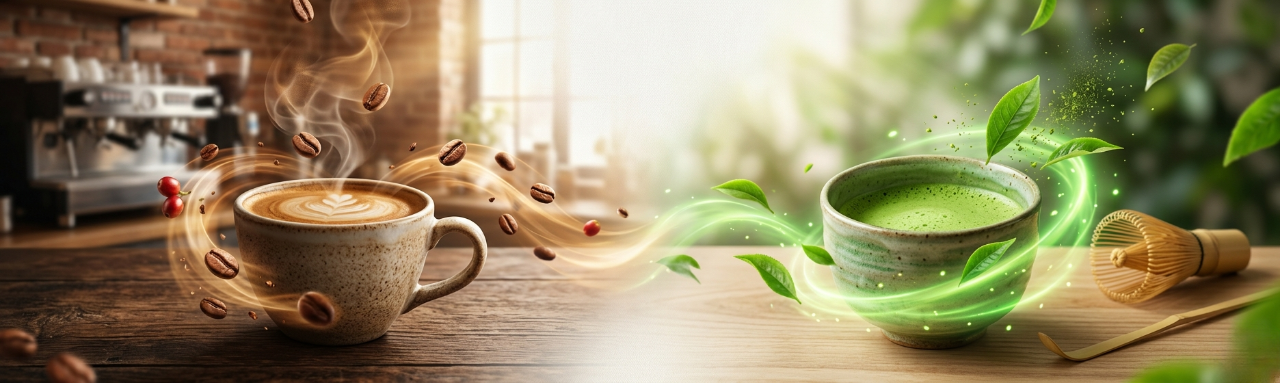
In the ever evolving world of beverages, two titans have consistently battled for our morning (and afternoon) pick me up: coffee and matcha. For years, coffee has held the undisputed crown, fueling productivity and late night study sessions. But in recent times, matcha, with its vibrant green hue and purported health benefits, has been steadily climbing the ranks. As we look ahead to 2026, the question remains: which of these power players is truly the better choice for our energy needs and overall well being?
The Coffee Conundrum: A Familiar Friend
Coffee's appeal is undeniable. Its rich aroma, robust flavor, and immediate jolt of energy are deeply ingrained in our culture. For many, the ritual of brewing coffee is as important as the caffeine itself. The quick release of energy from coffee is attributed to its high caffeine content, which stimulates the central nervous system. This can lead to increased alertness, improved focus, and a temporary boost in physical performance.
However, coffee isn't without its downsides. For some, the caffeine can lead to jitters, anxiety, and a subsequent energy crash. Furthermore, the acidity of coffee can cause digestive issues or heartburn. While black coffee is relatively low in calories, many popular coffee drinks loaded with sugar and cream can quickly turn a healthy beverage into a calorie bomb.

Enter Matcha: The Green Powerhouse
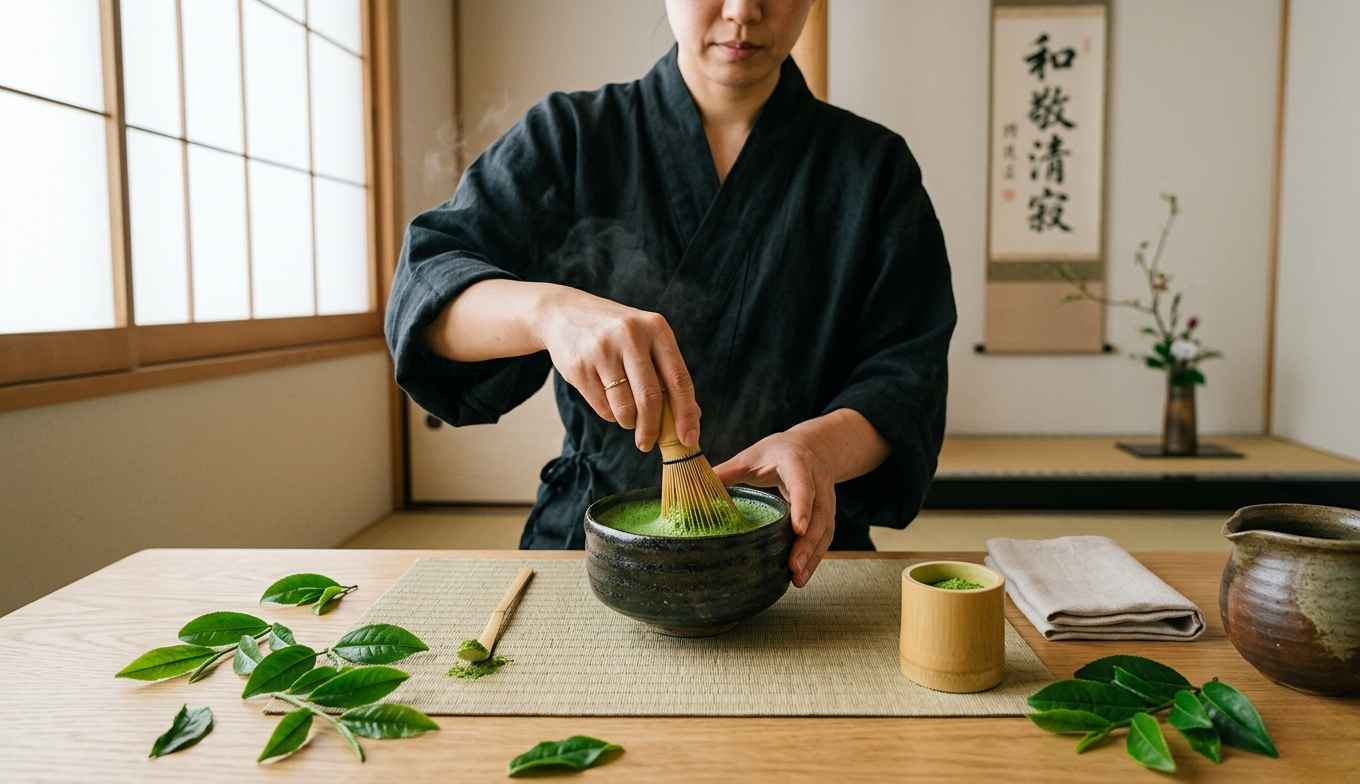
Matcha, a finely ground powder of specially grown and processed green tea leaves, offers a different kind of energy. Unlike regular green tea, where the leaves are steeped and then discarded, with matcha, you consume the entire leaf. This means you get a more concentrated dose of nutrients and antioxidants, including a compound called L theanine.
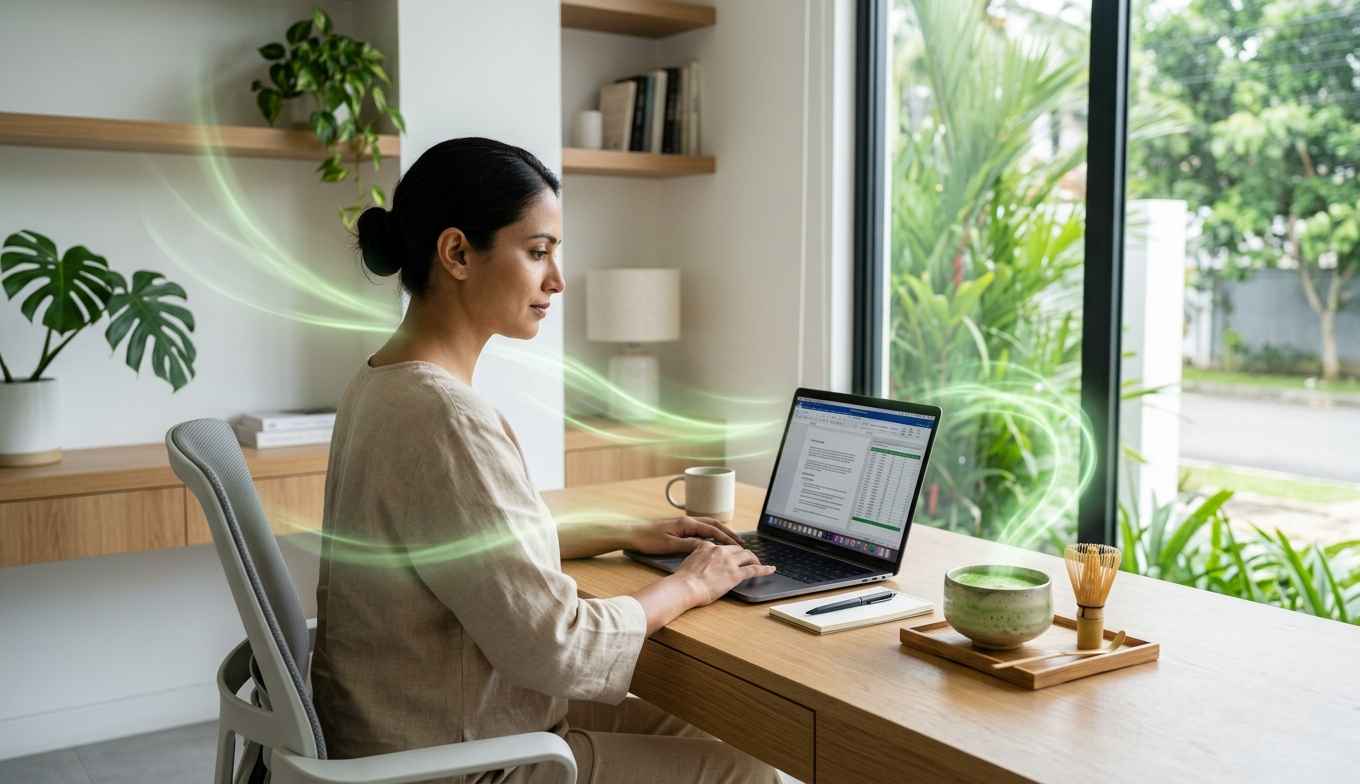
L theanine is the star player here. It works synergistically with caffeine to promote a state of calm alertness. This means you get an energy boost without the jitters often associated with coffee. Matcha is known for providing sustained energy and improved focus, making it an excellent choice for long work sessions or creative endeavors. Beyond energy, matcha is packed with antioxidants, particularly catechins, which are known for their potential health benefits, including supporting metabolism and promoting overall well being.
Matcha's Unique Benefits
One of the key differences lies in how the energy is delivered. Coffee provides a sharp spike, followed by a potential dip. Matcha, on the other hand, offers a more gradual and sustained release of energy, thanks to the L theanine. This can lead to a smoother experience with less of a chance of experiencing that dreaded afternoon slump. Additionally, the antioxidant profile of matcha is exceptionally high, offering a range of potential health advantages that coffee simply cannot match.
The Verdict: What's Your 2026 Go To?
So, which beverage will reign supreme in 2026? The answer, as with most things, is likely not a simple one size fits all. Coffee will undoubtedly retain its loyal following, its comforting familiarity and immediate kick remaining indispensable for many. However, matcha's rise is not just a fleeting trend. Its unique energy profile, coupled with its impressive health benefits, positions it as a strong contender for those seeking a more balanced and sustainable boost.
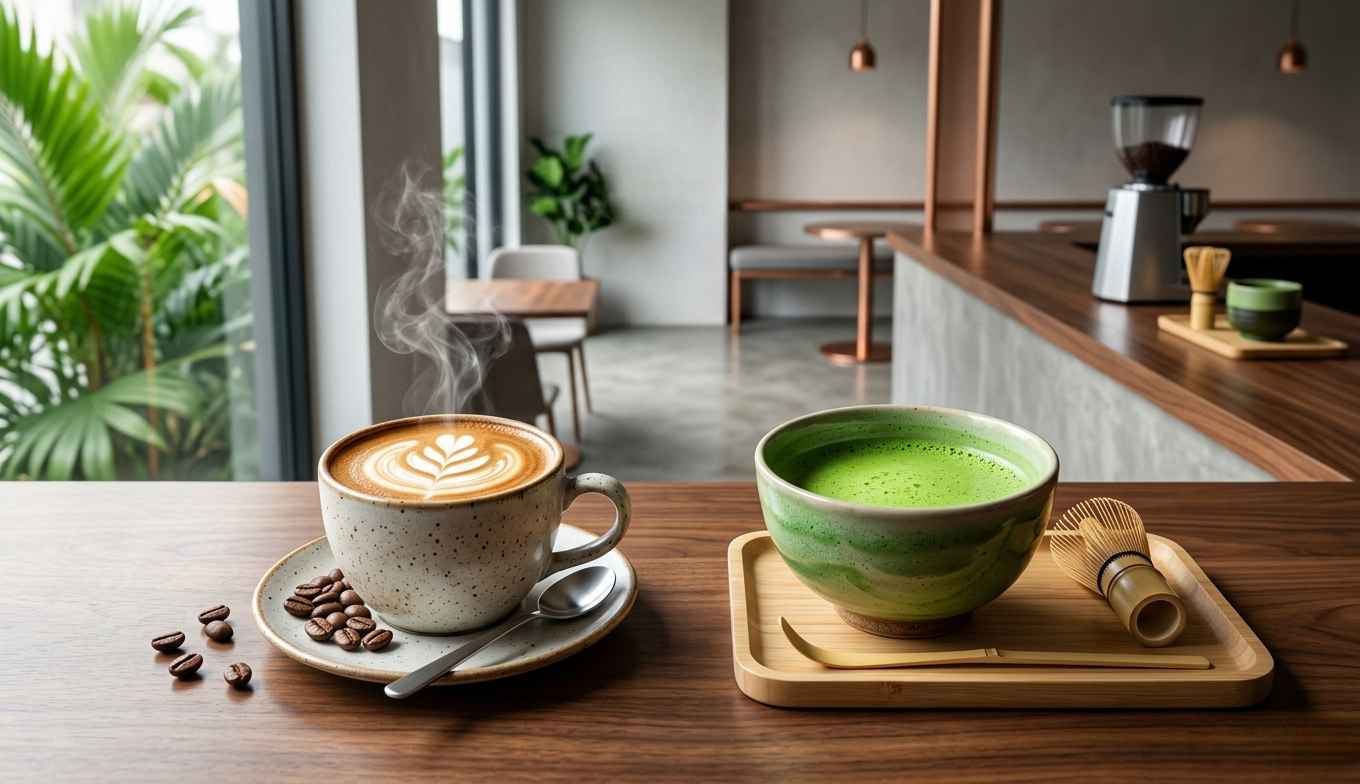
For those who thrive on a quick, intense burst of energy and enjoy the robust taste of coffee, it will likely remain your go to. But if you're looking for sustained focus, a calmer energy, and a healthy dose of antioxidants, matcha might just be the future of your daily ritual. Perhaps the best approach in 2026 is not to choose one over the other, but to embrace both. Enjoy a strong coffee when you need a rapid awakening and opt for a soothing matcha when you desire calm, focused energy. Your body and mind will thank you for it.
Most Popular









Anaya
comment1