



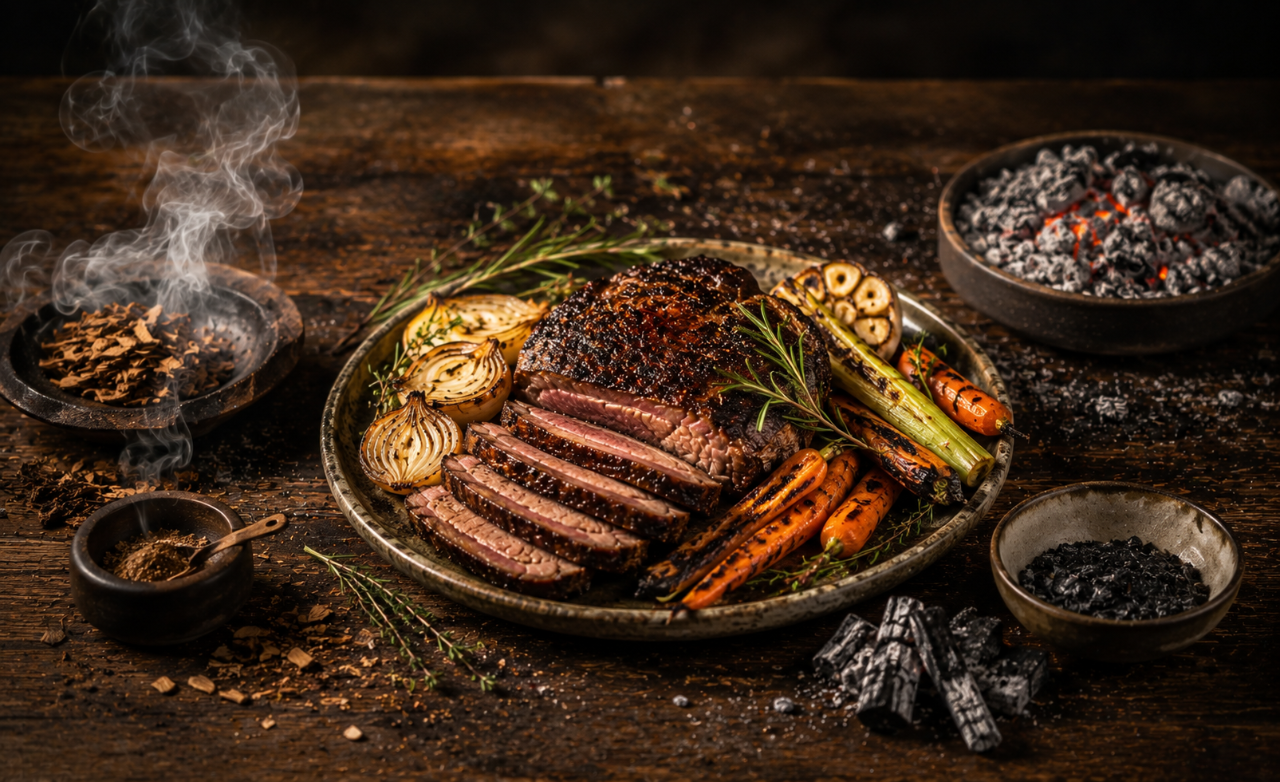
For millennia, humans have harnessed the fundamental forces of nature to transform raw ingredients into sustenance and art. Among these elemental techniques, cooking with steam, smoke, and ash holds a special, almost mystical, place. These methods, far from being relics of the past, are experiencing a renaissance in modern kitchens, offering unparalleled depth of flavor and transformative textures. They connect us to our ancestral roots while pushing the boundaries of culinary innovation. This exploration delves into the fascinating world of steam, smoke, and ash, uncovering their unique properties and how they can elevate your cooking.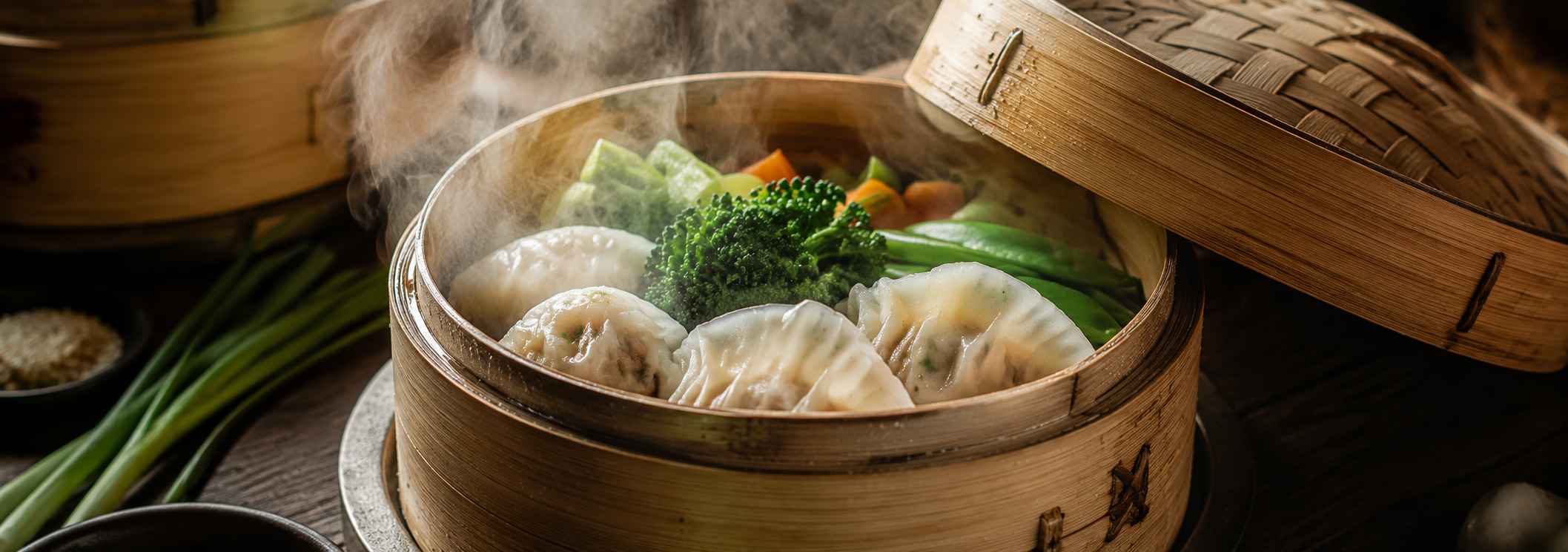
The Gentle Power of Steam
Steam cooking is a testament to subtlety and preservation. It's a method that gently coaxes out the inherent flavors of ingredients without the harshness of direct heat. By surrounding food with hot vapor, steam cooks food evenly and retains its moisture, nutrients, and vibrant colors. This makes it an exceptionally healthy cooking technique, requiring little to no added fat.
Versatility in Practice
The applications of steam are vast. Delicate fish and shellfish are perfectly suited to steaming, emerging tender and flaky. Vegetables retain their crispness and essential vitamins, their natural sweetness amplified. Even desserts can benefit from steaming; think of light, airy custards or moist, fluffy cakes. From specialized steamers and bamboo baskets to the simple addition of a rack in a pot of boiling water, incorporating steam into your routine is remarkably accessible.
The Art of Smoke
Smoke is perhaps the most evocative of these elemental techniques. The process of smoking involves exposing food to smoldering wood, which imparts a complex array of aromas and flavors. The type of wood used – hickory, mesquite, apple, cherry – dramatically influences the final taste, allowing for a personalized culinary signature.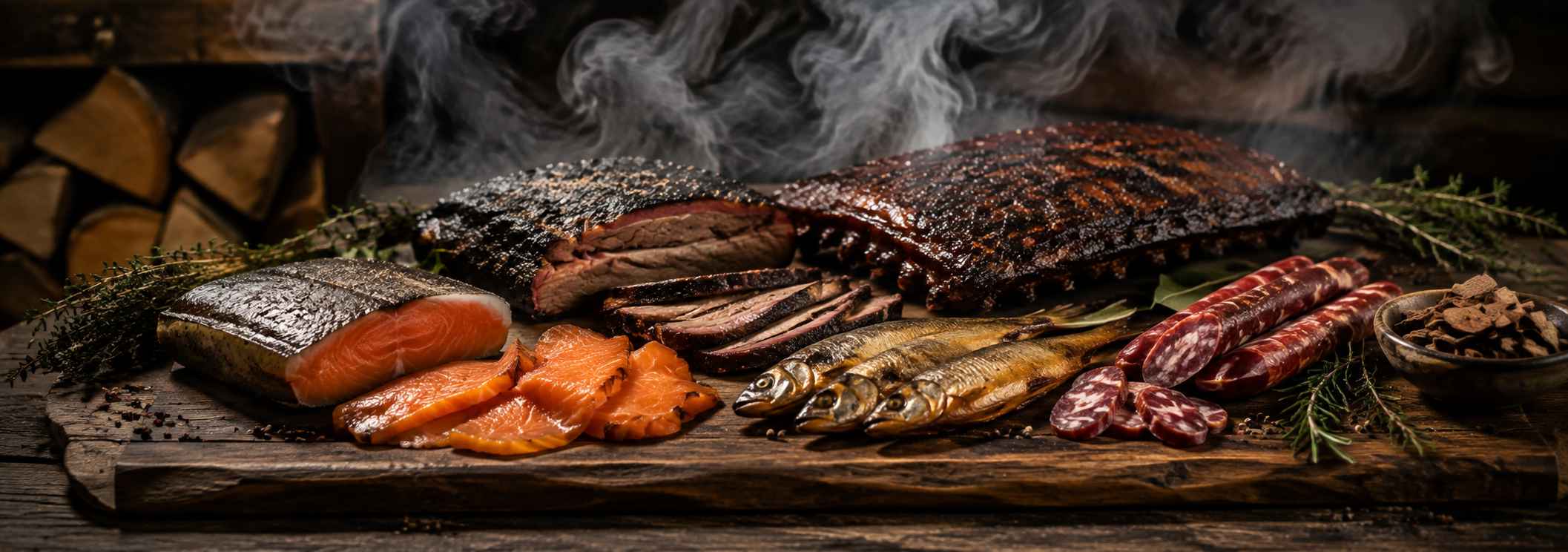
Cold vs. Hot Smoking
There are two primary approaches to smoking: cold smoking and hot smoking. Cold smoking, typically done at temperatures below 85°F (30°C), is primarily for preservation and imparting flavor without cooking the food. Think of smoked salmon or cured meats. Hot smoking, on the other hand, uses higher temperatures to both cook and flavor the food simultaneously, resulting in dishes like smoked ribs or brisket.
Modern Adaptations
While traditional smokers are the classic tools, modern kitchens can achieve smoky notes through various means. Indoor smokers, stovetop smoking guns, or even the addition of a few wood chips to a grill can introduce that sought-after smoky essence. The key is to experiment and find the balance that suits your palate.
The Enigmatic Charm of Ash
Cooking with ash might sound unconventional, even primitive, but it's a technique steeped in history and capable of producing extraordinary results. Ash, particularly from hardwoods, contains alkaline minerals that can subtly alter the texture and flavor of food. It provides a gentle, even heat and a unique, earthy character.
Direct and Indirect Applications
Historically, ash was used to directly wrap foods like root vegetables or fish before being placed in embers. The ash acts as an insulating layer, protecting the food from burning and creating a moist, steamy environment. In a more controlled setting, purified wood ash can be used as a coating for doughs, such as in certain traditional breads or pizzas, contributing to a unique crust and a hint of minerality.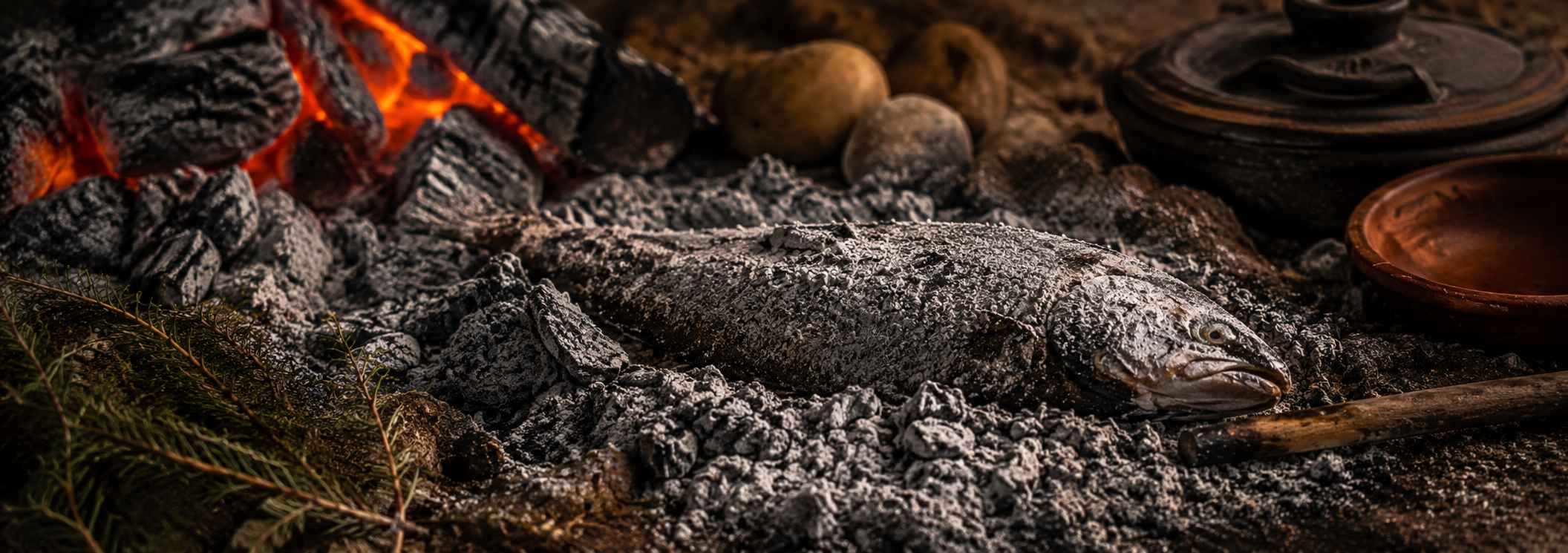
The Science Behind the Flavor
The alkaline nature of ash can also help tenderize tougher cuts of meat and neutralize some of the acidity in ingredients, leading to a smoother, more nuanced flavor profile. While it requires a certain level of culinary bravery, exploring ash cooking can unlock entirely new dimensions of taste.
Embracing the Elements for Culinary Excellence
Cooking with steam, smoke, and ash offers a profound connection to food and its preparation. These elemental techniques are not just about adding flavor; they are about enhancing the natural qualities of ingredients, fostering a deeper understanding of cooking processes, and creating truly memorable culinary experiences. Whether you are a seasoned chef or a curious home cook, incorporating these methods into your repertoire is an invitation to explore the primal, the innovative, and the utterly delicious possibilities that lie within the embrace of nature's most fundamental forces.
Most Popular











Anaya
comment1