



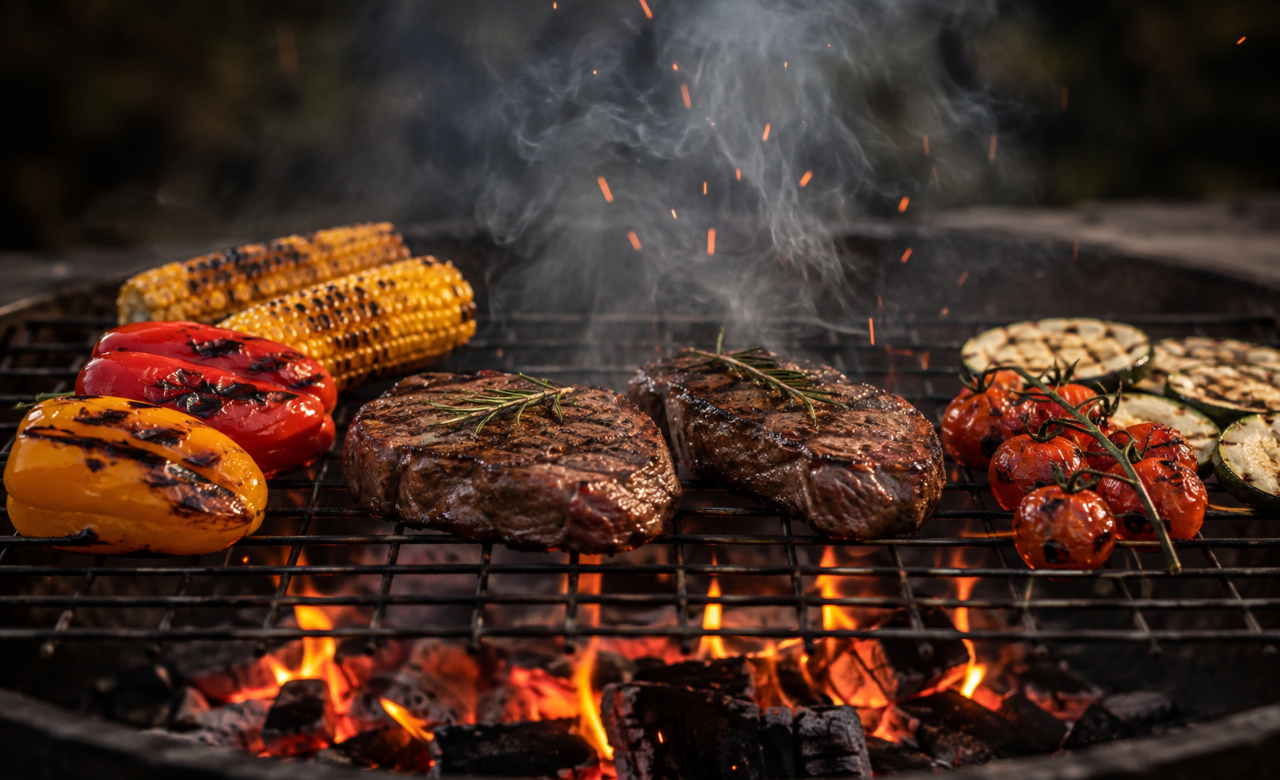
For millennia, humans have gathered around open flames, drawn by the primal power of fire and the transformative magic it brings to food. Cooking over fire is more than just a method; it's an experience, a connection to our ancient past, and a sophisticated culinary art form. While the smoky aroma and charred crust are universally appealing, the true magic lies in the complex scientific processes at play, turning simple ingredients into masterpieces of flavor and texture.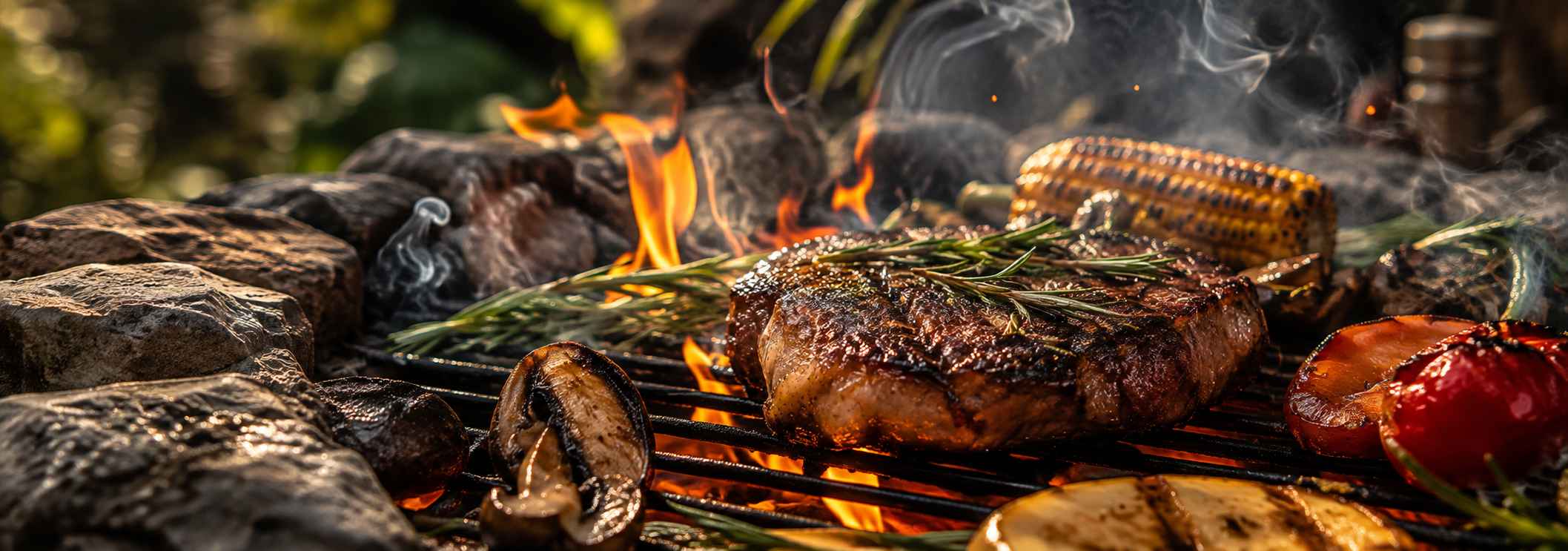
Understanding Maillard Reactions and Caramelization
The distinctive, savory flavors and appealing brown crusts we associate with grilled and roasted foods are primarily the result of two fundamental chemical reactions: the Maillard reaction and caramelization.
The Maillard Reaction
This complex series of reactions occurs between amino acids and reducing sugars when heat is applied. It’s responsible for the browning of meats, the crust on bread, and the rich, nutty, and roasted notes in many cooked foods. The Maillard reaction produces hundreds of different flavor compounds, contributing to the depth and complexity of fire cooked dishes. The higher temperatures achieved with open flames accelerate this process, creating more intense flavor profiles compared to lower temperature cooking methods.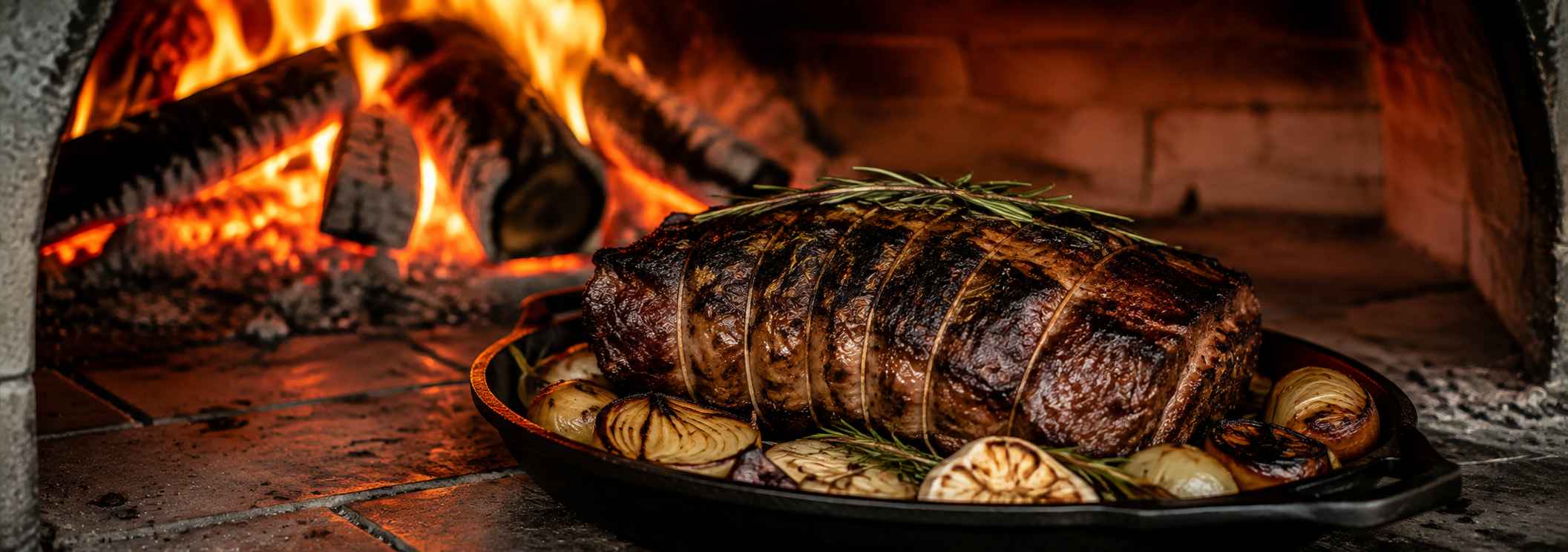
Caramelization
Caramelization is the browning of sugars when heated. While it can occur independently of the Maillard reaction, they often happen simultaneously. As sugars break down and reform, they create hundreds of new aromatic compounds, ranging from sweet and buttery to bitter and nutty. This is why vegetables like onions and peppers become incredibly sweet and flavorful when grilled, and why a good char on a steak can have subtle sweet undertones.
The Role of Pyrolysis and Flavor Infusion
The characteristic smoky flavor of food cooked over fire is a direct result of pyrolysis – the thermal decomposition of organic material in the absence of oxygen. As wood, charcoal, or other fuel sources burn, they release volatile organic compounds. When these compounds come into contact with the food, they impart a distinct smoky aroma and flavor. Different types of wood, such as hickory, mesquite, or fruitwoods, release different chemical profiles, leading to a wide spectrum of smoky nuances. This isn't just superficial; these compounds penetrate the food, creating layers of flavor that are difficult to replicate with other cooking methods.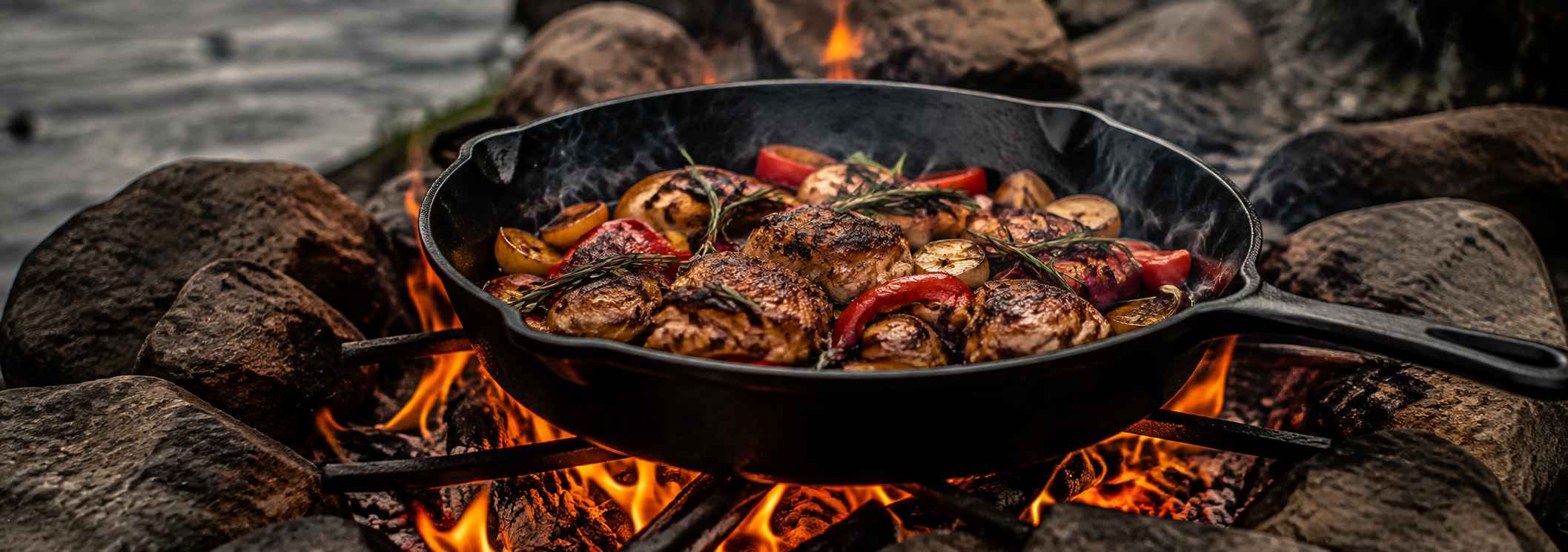
Achieving Texture and Moisture
Cooking over an open fire provides intense radiant heat, which cooks food rapidly and efficiently. This high heat is crucial for developing a desirable crust on meats and vegetables. The exterior sears quickly, locking in moisture and creating a tantalizing texture contrast with the tender interior. The direct contact with heat, or indirect heat from embers and hot coals, cooks food evenly while the intense heat encourages the formation of flavorful crusts. This is a delicate balance that pitmasters and grill masters have perfected over generations, understanding how to manage the heat to achieve the perfect result.
A Timeless Culinary Tradition
The science of cooking over fire is a testament to the ingenuity of human culinary evolution. From the intricate chemical reactions that create irresistible flavors to the primal allure of smoke and radiant heat, every element contributes to a cooking experience that is both deeply satisfying and scientifically fascinating. As we continue to explore and refine these ancient techniques, the art of cooking over fire remains a cornerstone of gastronomy, a delicious bridge connecting us to our heritage and to the fundamental elements of flavor.
Most Popular






Anaya
comment1