



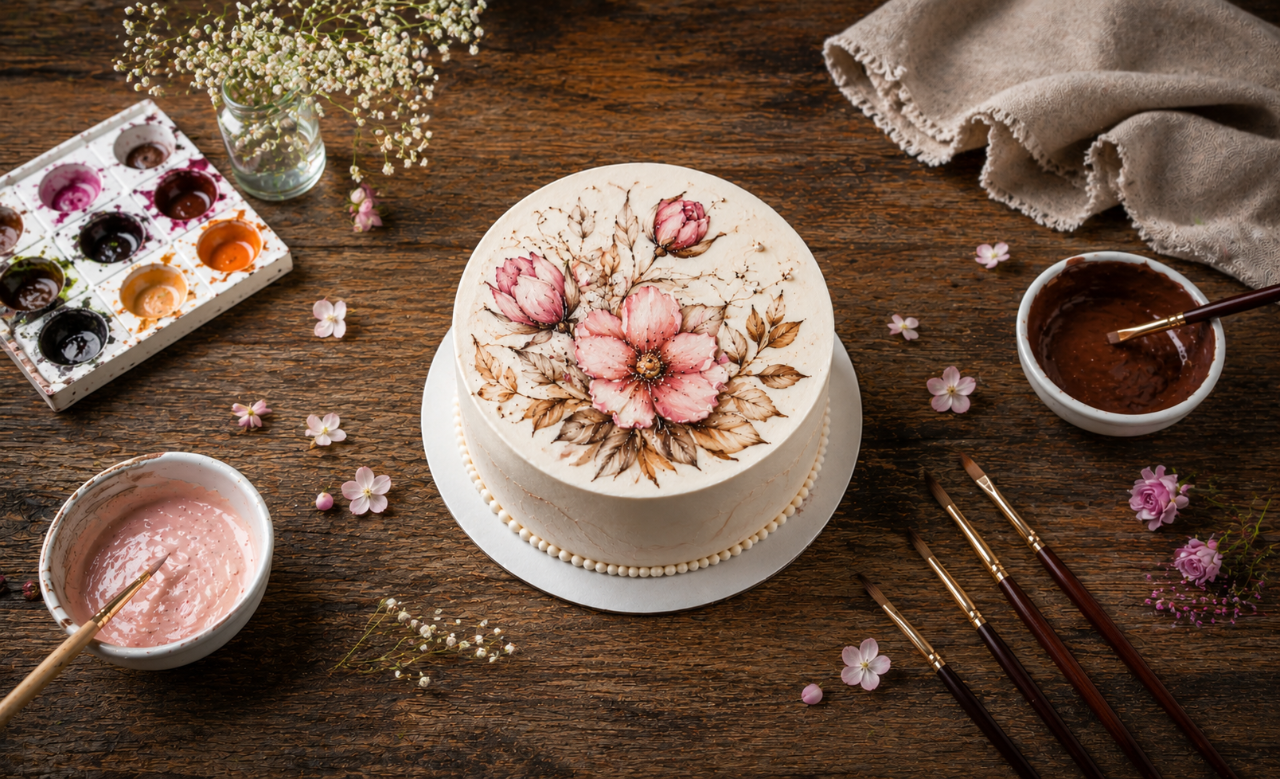
In the intricate world of culinary arts, where flavor and presentation dance in perfect harmony, a unique and captivating discipline has emerged: sugar sketching. Far from the realm of simple frosting and fondant, sugar sketching elevates confectionery to an art form, transforming edible mediums into breathtaking visual narratives. This innovative technique allows bakers and artists to "draw" with sugar, creating intricate designs, delicate illustrations, and stunning portraits that are as delightful to the eye as they are to the palate.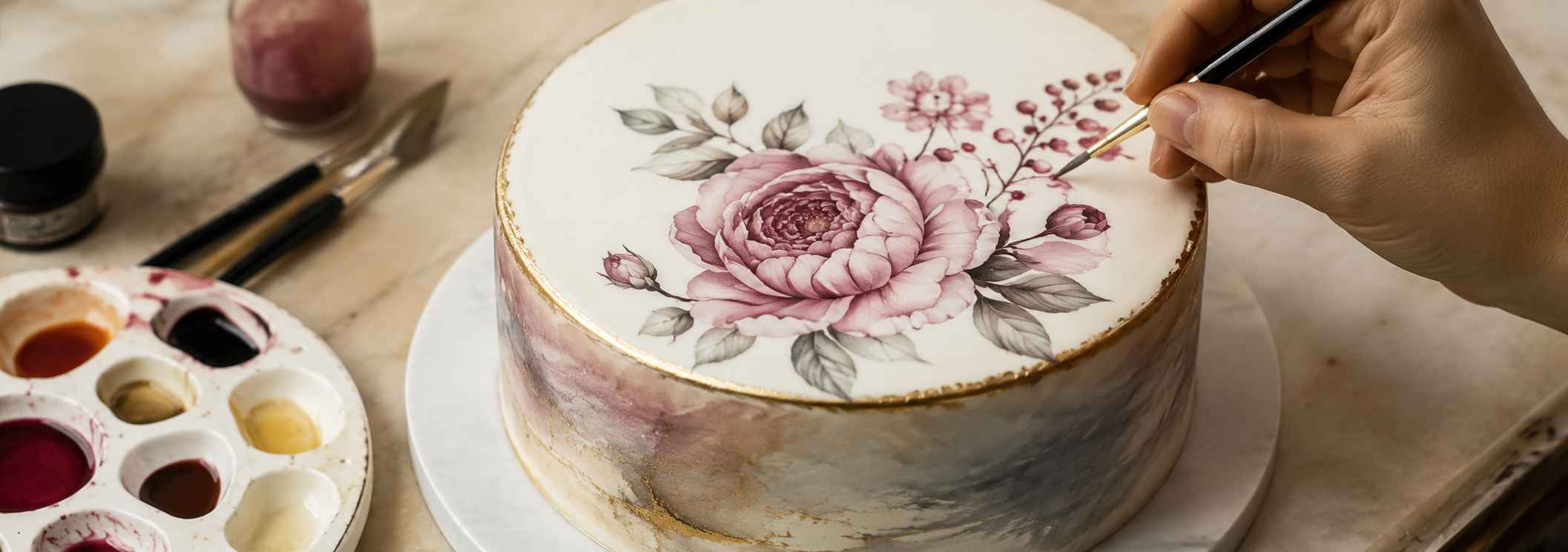
What Exactly Are Sugar Sketches?
At its core, sugar sketching involves the meticulous application of sugary mediums to create detailed images. This can manifest in several ways. One common approach utilizes tempered chocolate, which, when melted and piped with precision, offers a smooth, versatile canvas. Another technique involves creating a sugar paste or icing that is thinned to a paint like consistency. This "sugar paint" can then be applied to a base, such as a smooth layer of royal icing or even a delicate wafer paper, using fine brushes or specialized piping tools. The result is a design that appears as if it has been drawn or painted directly onto the edible surface, often with remarkable depth and nuance.
The Artistry and Skill Behind the Sweetness
The creation of a sugar sketch is a testament to incredible patience, a steady hand, and a keen artistic eye. Unlike traditional cake decorating, which often relies on molds, stencils, or three dimensional sculpting, sugar sketching is fundamentally about two dimensional artistry. Artists must possess a strong understanding of color theory, shading, and line work, translating these principles into the medium of sugar. The process demands meticulous control over temperature, consistency, and application, as mistakes are often difficult to correct without compromising the overall design. The level of detail achievable can be astonishing, with artists creating everything from realistic portraits and floral arrangements to abstract patterns and whimsical characters.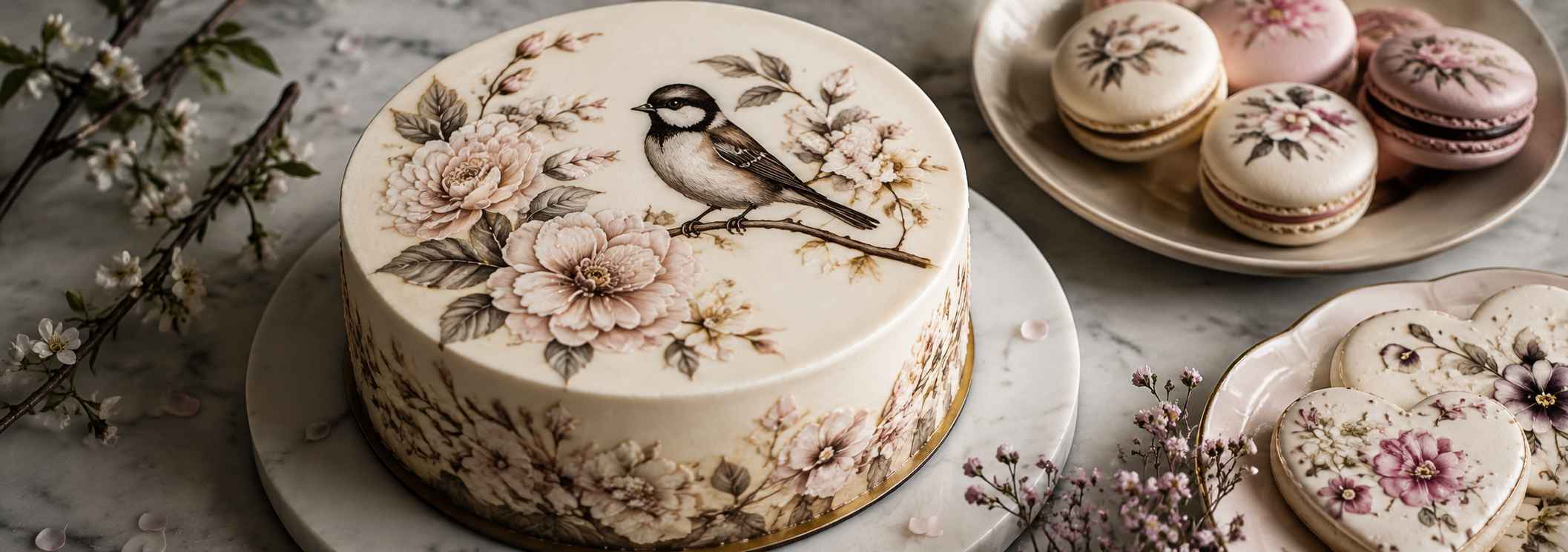
Applications and Innovations in the Culinary World
Sugar sketching is finding its place in a variety of culinary settings. High end patisseries and luxury hotels are increasingly featuring cakes and desserts adorned with these exquisite sugar illustrations, offering guests a truly memorable and visually stunning dining experience. Wedding cakes, in particular, have become a popular canvas for sugar sketches, allowing couples to personalize their special day with edible art that reflects their story or theme. Beyond traditional cakes, this technique is also being explored on cookies, macarons, and even edible art pieces designed for display.
The innovation in sugar sketching is ongoing. New tools, edible pigments, and advanced sugar mediums are constantly being developed, pushing the boundaries of what is possible. The fusion of technology, such as digital design transferred to edible prints as a base, with traditional hand piping techniques is also opening up new avenues for creativity. This evolving art form bridges the gap between the culinary and fine art worlds, proving that food can be both a source of sustenance and a medium for profound artistic expression.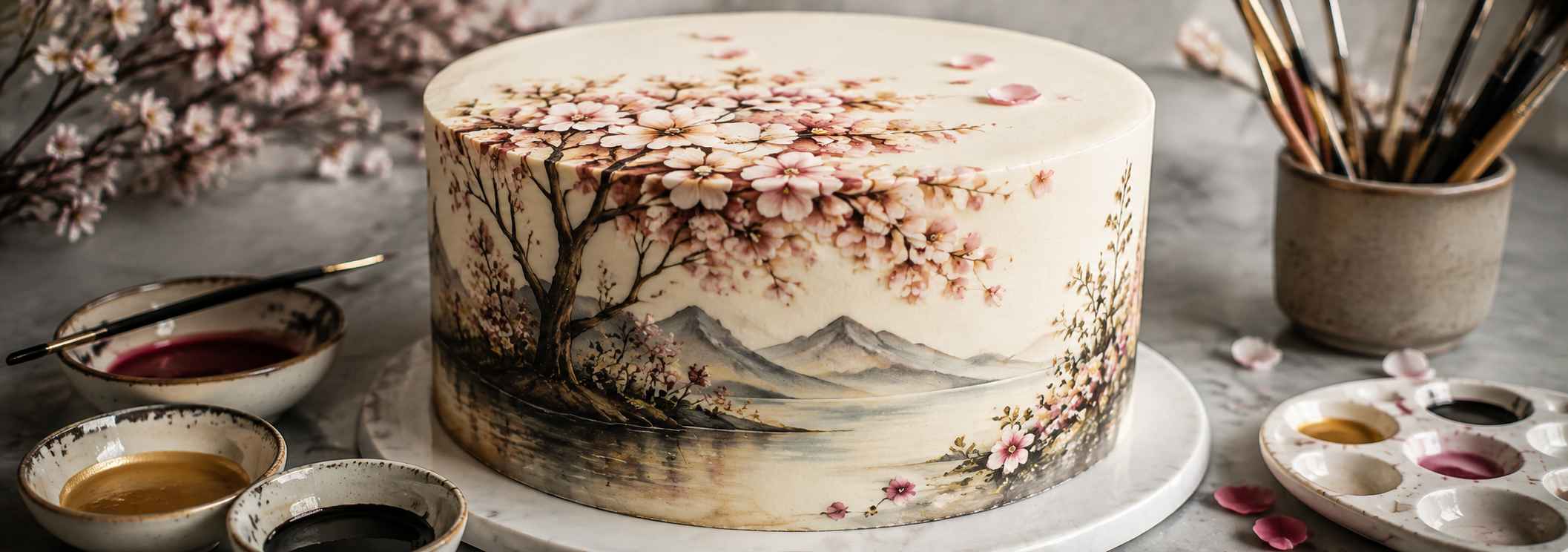
Embracing the Sweetest Canvas
Sugar sketching is more than just a decorating technique; it is a celebration of creativity, precision, and the inherent beauty that can be found in the simplest of ingredients. As this art form continues to mature, we can expect to see even more breathtaking and imaginative sugar creations that challenge our perceptions of what is possible with a sprinkle of sugar and a dash of artistic flair. It is a delightful reminder that in the world of food, the canvas is truly limitless, and the sweetest dreams can indeed be sketched into reality.
Most Popular







Anaya
comment1