



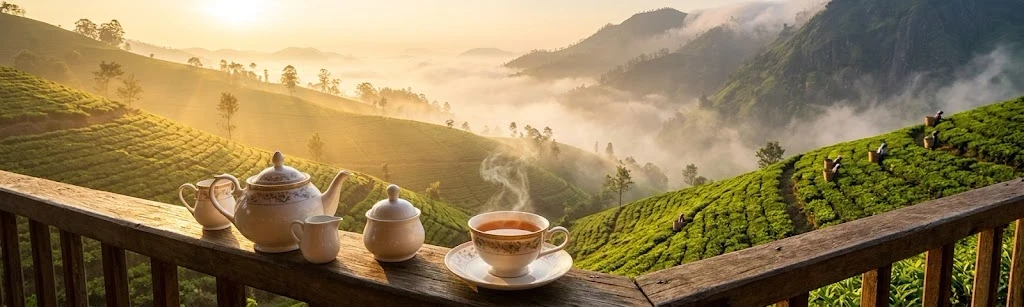
Unveiling the Art of Sri Lankan Tea Preparation
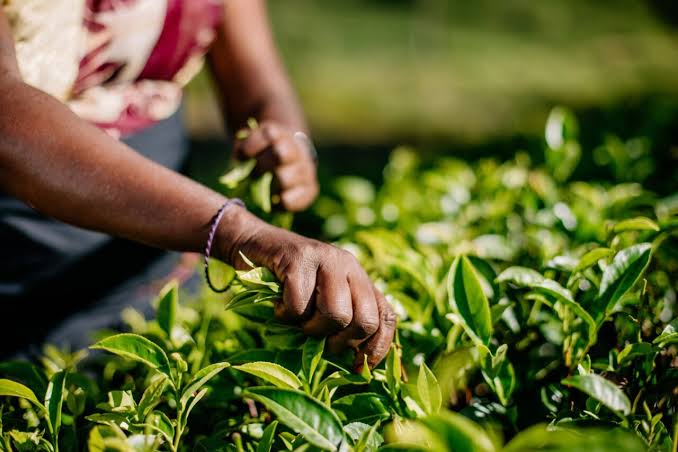
Sri Lanka, formerly known as Ceylon, is globally renowned for its exquisite tea, a legacy that extends far beyond its picturesque plantations. The production of Ceylon tea is an art form, meticulously honed over generations. However, the true magic of Sri Lankan tea is often best appreciated when prepared correctly, unlocking its nuanced flavors and aromatic complexities. This guide delves into the traditional methods and key considerations for preparing an authentic Sri Lankan tea experience right in your own home.
Understanding the Essence of Ceylon Tea
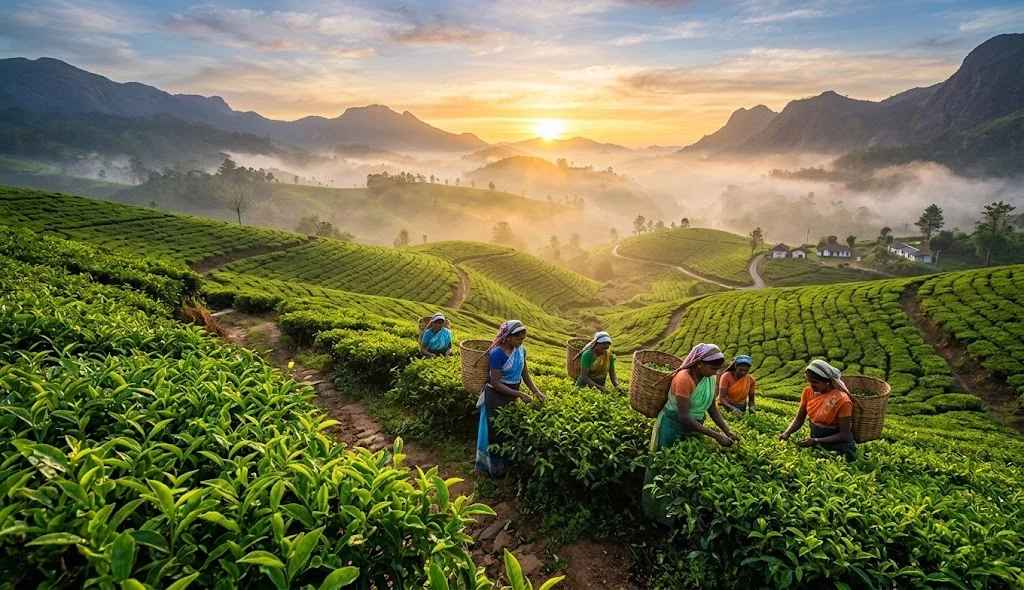
Ceylon tea is celebrated for its distinctive character, which varies depending on the region of cultivation. From the robust, malty notes of Uva to the bright, brisk flavors of Nuwara Eliya, each tea possesses a unique profile. Understanding these nuances is the first step towards preparing a cup that truly honors its origin. Unlike some other tea traditions, Sri Lankan tea preparation often emphasizes simplicity, allowing the inherent quality of the leaf to shine through.
Essential Elements for the Perfect Brew
To achieve an authentic Sri Lankan tea experience, consider these fundamental elements:
The foundation of exceptional tea is, of course, the tea itself. Opt for high-quality, whole-leaf Ceylon tea whenever possible. Look for loose leaf varieties, as they generally offer superior flavor and aroma compared to tea bags, which can sometimes contain tea dust or fannings. The grade of the tea (e.g., Orange Pekoe, BOP, FOP) also plays a role, but for a general appreciation, a good quality Ceylon black tea is an excellent starting point.
The water you use can significantly impact the taste of your tea. Filtered or spring water is ideal, as tap water can often contain minerals or chlorine that can interfere with the delicate flavors of the tea. Avoid using distilled water, as it lacks the necessary minerals to properly extract the tea's essence.
While traditional Sri Lankan tea might be brewed in various vessels, a clean kettle, preferably made of stainless steel or glass, is recommended. For black tea, the ideal water temperature is just off the boil, around 95-100 degrees Celsius (203-212 degrees Fahrenheit). Boiling water can scald the tea leaves, resulting in a bitter taste, while water that is too cool will not extract the full flavor profile.
A ceramic or porcelain teapot is often favored for its ability to retain heat. Before brewing, it's customary to preheat the teapot by swirling a small amount of hot water inside and then discarding it. This ensures that the brewing temperature remains consistent throughout the steeping process.
This is where the art truly comes alive. The general method for brewing Sri Lankan tea involves:
- Measure the Tea: A common starting point is one teaspoon of tea leaves per cup (approximately 8 ounces or 240 ml) of water. Adjust this ratio to your personal preference.
- Add Hot Water: Pour the freshly heated water over the tea leaves in the preheated teapot.
- Steep: Allow the tea to steep for 3 to 5 minutes. The exact steeping time will depend on the specific tea and your desired strength. Shorter steeping times will result in a lighter brew, while longer times will yield a more robust flavor.
- Strain and Serve: Once steeped, strain the tea leaves from the liquor and serve immediately.
Serving Sri Lankan Tea
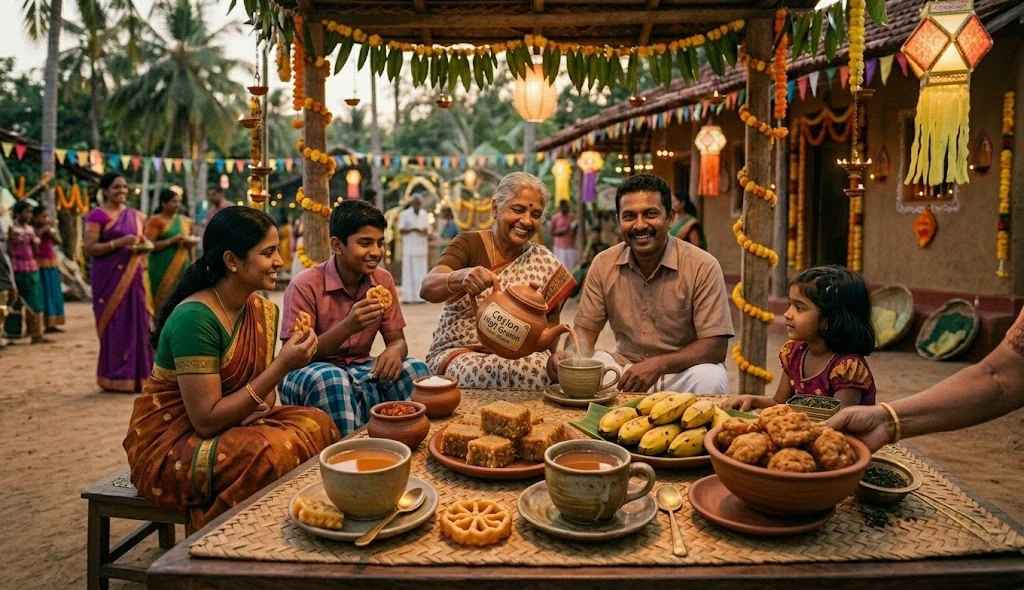
While enjoying Ceylon tea neat is a popular choice, many Sri Lankans also enjoy it with a touch of milk and sugar. If you prefer additions, it is generally recommended to add them after the tea has been brewed and strained, allowing you to control the intensity of sweetness and creaminess. The ritual of preparing and enjoying Sri Lankan tea is as much about the moment as it is about the beverage itself. It’s an invitation to pause, savor, and appreciate a rich cultural heritage.
Embracing the Sri Lankan Tea Experience
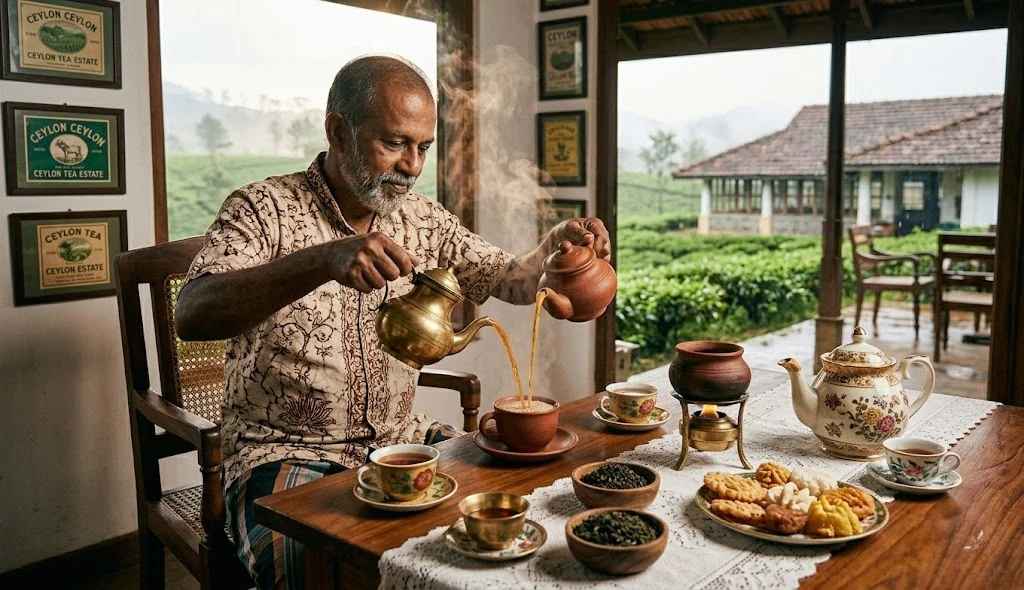
The preparation of Sri Lankan tea is a delightful journey into a world of flavor and tradition. By paying attention to the quality of your ingredients, the temperature of your water, and the steeping time, you can recreate the authentic Ceylon tea experience at home. So, the next time you reach for your tea, consider the art behind it and brew a cup that transports you to the verdant hills of Sri Lanka. Enjoy your perfectly prepared cup of Ceylon tea!
Most Popular








Anaya
comment1