



Sri Lankan Clay Pot Cooking Methods
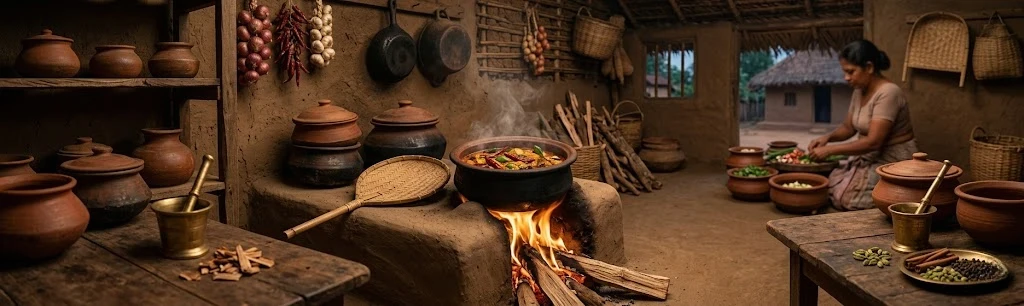
In the heart of Sri Lanka, where culinary traditions run as deep as its ancient rivers, lies a cooking method that has sustained communities for generations: earthenware pot cooking. This ancient practice, deeply woven into the fabric of Sri Lankan village life, offers a unique and profoundly flavorful way of preparing food. Far from being a relic of the past, traditional clay pot cooking continues to be cherished for its ability to imbue dishes with an unparalleled depth of flavor and a distinct texture that modern cooking methods often struggle to replicate.

The Science and Soul of Earthenware
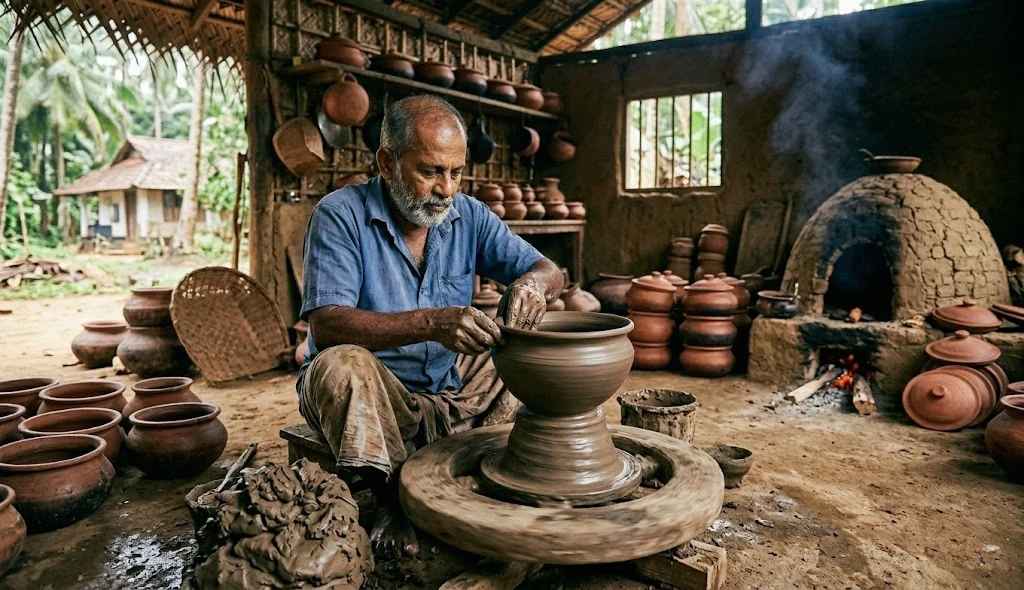
Clay pots, also known as earthenware or terracotta cookware, are more than just vessels; they are culinary tools that harness the natural properties of earth. The porous nature of clay allows for slow, even heat distribution. Unlike metal pots that can create hot spots and scorch food, clay pots absorb and radiate heat gently, creating a moist cooking environment. This controlled evaporation helps to retain the natural moisture and nutrients of the ingredients, resulting in tender meats, succulent vegetables, and deeply infused curries. The slow simmering process also allows flavors to meld and develop beautifully, creating complex taste profiles that are characteristic of authentic Sri Lankan food.
Versatility in Every Pot
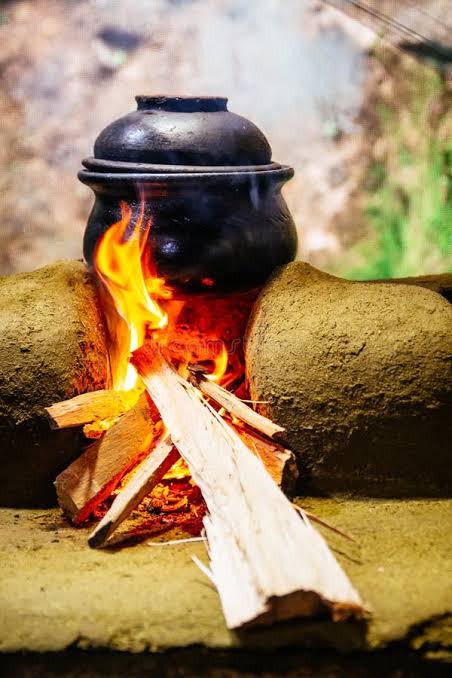
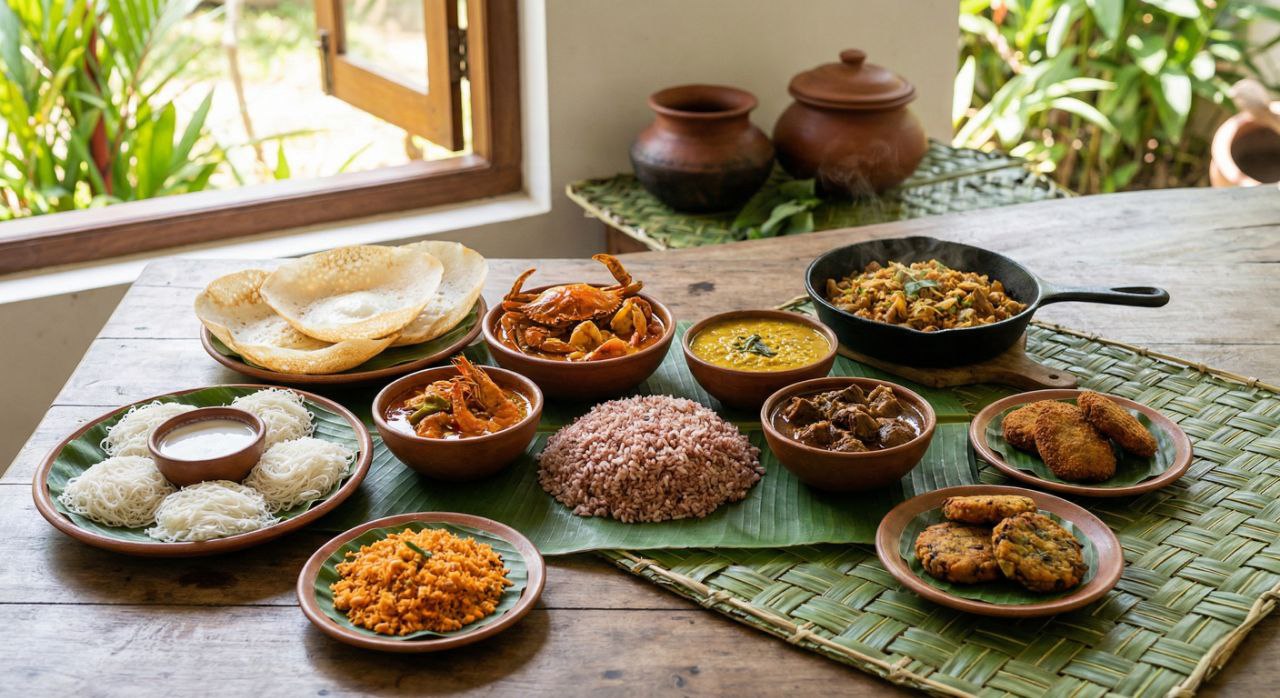
The versatility of Sri Lankan clay pots is remarkable. They are used for a wide array of dishes, from hearty rice and curry preparations to savory stews and even traditional sweets. The humble clay pot can be placed directly over an open flame, on a traditional wood-burning stove (hella), or even on modern stovetops with appropriate heat diffusers.
One of the most popular uses of clay pots is for cooking rice. Rice cooked in a clay pot absorbs a subtle earthy flavor and achieves a perfect, slightly sticky texture. Another staple is the slow-cooked curry. Meats, especially tougher cuts, become incredibly tender when simmered for hours in a clay pot, allowing the spices and aromatics to penetrate deeply. Vegetables also benefit from this gentle cooking, retaining their vibrant colors and nutrients.
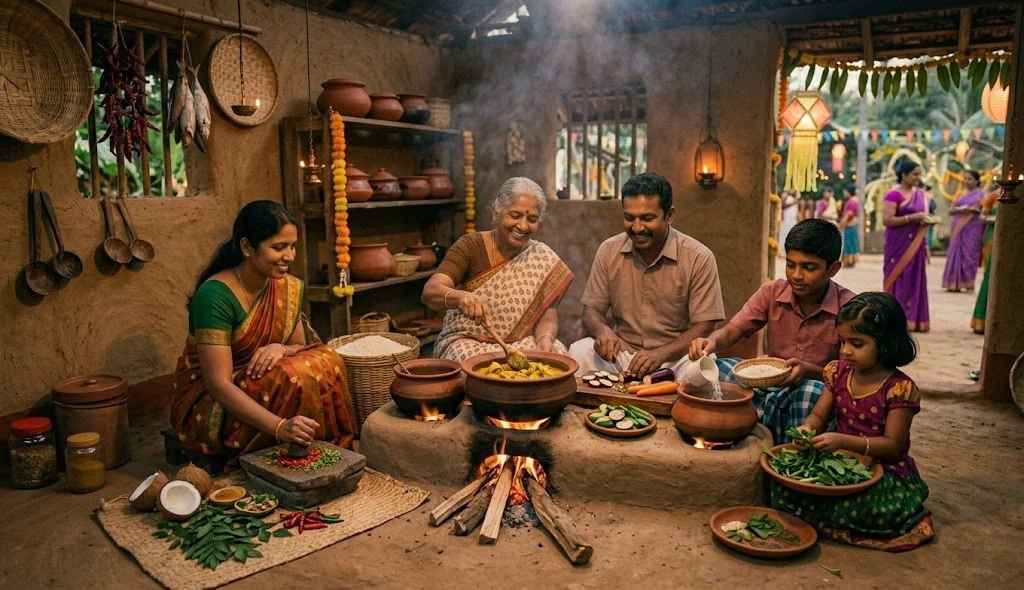
The specific types of clay used and the way the pots are seasoned also play a crucial role. In traditional Sri Lankan villages, pots are often seasoned with oil and allowed to cure over time, enhancing their nonstick properties and contributing to the unique flavor profile. The interaction of the food with the unglazed interior of the pot, particularly with acidic ingredients, can subtly alter the taste, adding to the dish's complexity and authenticity.
Cultural Significance
The practice of clay pot cooking extends beyond mere sustenance; it is deeply intertwined with Sri Lankan culture and heritage. It represents a connection to the land, a respect for natural resources, and a commitment to preserving age old culinary wisdom. In many rural households, the preparation of meals in clay pots is a communal activity, a time for families to gather and share stories. It embodies a slower pace of life, a deliberate approach to cooking that prioritizes quality and flavor over speed and convenience.
The Modern Relevance of Ancient Wisdom
In an era dominated by fast food and high tech kitchen gadgets, the resurgence of interest in traditional cooking methods like Sri Lankan clay pot cooking is a testament to its enduring appeal. It offers a healthier and more sustainable way to cook, reducing reliance on processed ingredients and energy intensive appliances. For those seeking an authentic taste of Sri Lanka, or simply looking to reconnect with a more natural way of preparing food, embracing clay pot cooking is a journey worth taking. It is an invitation to slow down, to savor the process, and to experience the profound flavors that only time and tradition can create.
Exploring Sri Lankan clay pot cooking is not just about understanding a culinary technique; it is about appreciating a way of life, a connection to the earth, and the simple yet profound pleasure of food prepared with heart and heritage. It is a delicious reminder that some of the best flavors are found in the simplest, most traditional methods.
Most Popular









Anaya
comment1