



Life can get pretty hectic, right? Between work deadlines, social commitments, and just the general buzz of modern living, it's easy to feel overwhelmed and stressed. While there are plenty of ways to unwind, sometimes the simplest solutions are the most effective. Enter the humble yet mighty herbal tea. Forget the caffeine jitters of black or green tea for a moment; we're talking about a world of soothing infusions designed to calm your mind and body, naturally. If you're looking for a gentle, delicious, and totally natural way to de stress, you've come to the right place. Let's dive into the wonderful world of herbal teas and discover which ones are your new best friends for relaxation.
Why Herbal Tea is Your New Relaxation Ritual
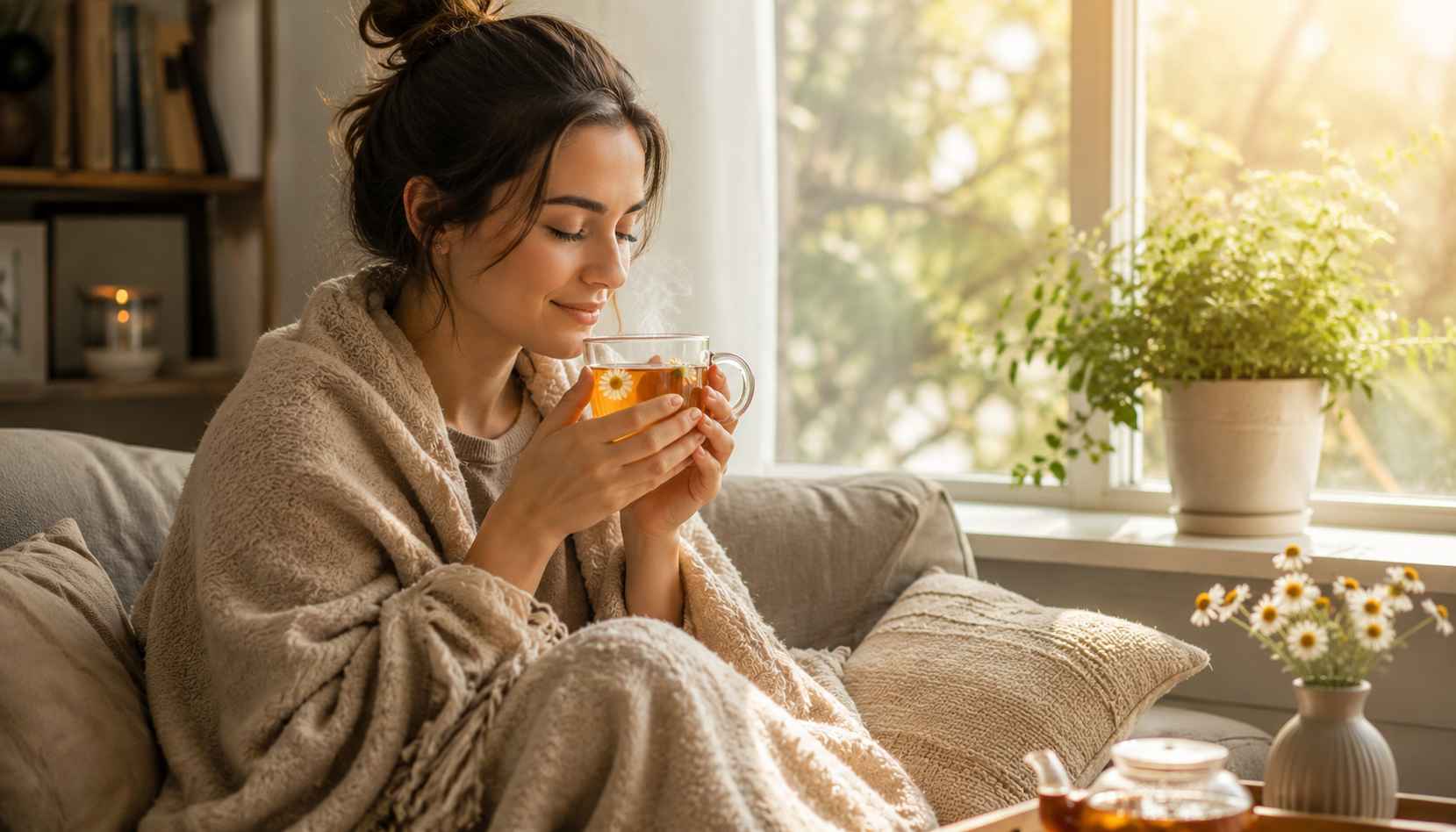
So, why is a warm cup of herbal tea such a powerful tool for relaxation? It's a combination of factors, really. Firstly, the act of preparing and sipping tea itself is inherently calming. It forces you to slow down, take a moment for yourself, and engage in a mindful practice. The warmth of the mug in your hands, the gentle aroma wafting upwards, and the act of savoring each sip all contribute to a sense of peace. Beyond the ritual, many herbs used in teas have been traditionally recognized for their calming and therapeutic properties. These aren't just pleasant flavors; they contain compounds that can interact with your body's systems to promote relaxation and reduce stress.
The Benefits of Herbal Tea for Relaxation are manifold. Unlike some other relaxation methods that might require more effort or specific circumstances, a cup of herbal tea is accessible to almost anyone, anywhere. It's a gentle nudge towards tranquility, working with your body rather than against it. It's a natural alternative to medications or more intense stress management techniques, offering a holistic approach to well being. It's also incredibly versatile, meaning you can find a flavor and an effect that perfectly suits your needs and preferences. So, let's explore some of the star players in the herbal tea lineup.
The Best Herbal Teas for Stress Relief
When it comes to unwinding, certain herbal teas stand out for their remarkable ability to soothe frazzled nerves and promote a sense of calm. Here are some of the top contenders:
Chamomile Tea The Classic Calmer
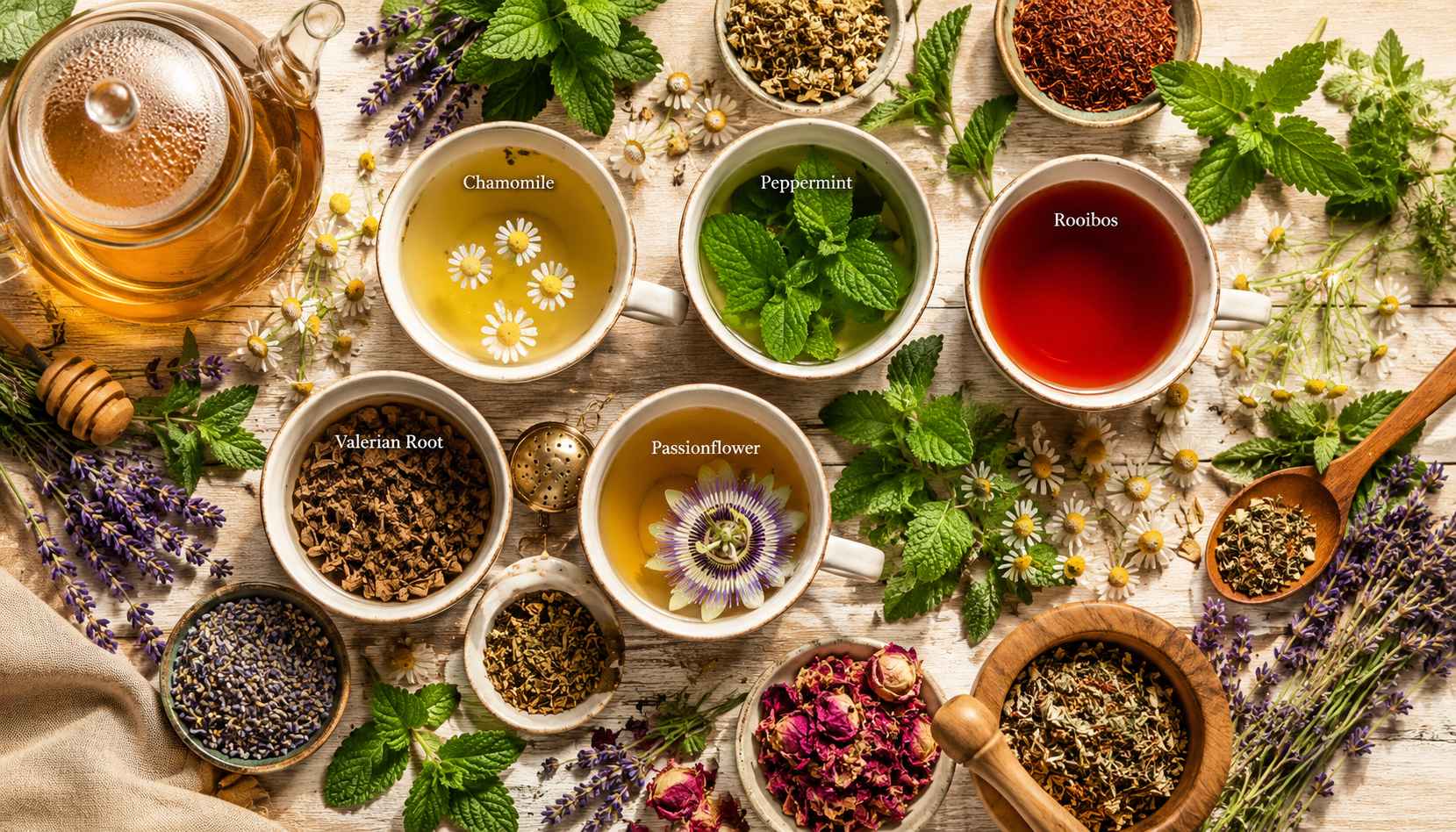
When you think of relaxing teas, chamomile is likely the first one that springs to mind, and for good reason. This delicate, floral tea has been used for centuries to promote sleep and ease anxiety. Chamomile contains apigenin, an antioxidant that may bind to certain receptors in your brain that decrease anxiety and initiate sleep. It's incredibly gentle and effective, making it a perfect choice for winding down before bed or any time you need a break from the chaos.
Lavender Tea Aromatic Bliss
Lavender is renowned for its calming aroma, and its tea form is no different. The scent alone is enough to evoke feelings of peace and tranquility. Drinking lavender tea can help to reduce stress and anxiety, and it's also known to improve sleep quality. The floral notes are subtle yet distinct, offering a unique and sophisticated taste that's both relaxing and enjoyable. If you find strong smells overwhelming, lavender tea is usually a milder option.
Lemon Balm Tea A Mood Booster
Part of the mint family, lemon balm has a delightful lemony aroma and flavor that's incredibly uplifting. More than just a tasty beverage, lemon balm has been shown to reduce stress and anxiety, improve mood, and even enhance cognitive function. It's a fantastic choice for those days when you need a little extra boost to shake off negativity and find your center. It's refreshing and calming all at once.
Valerian Root Tea The Sleep Inducer
If you're struggling with insomnia or general restlessness, valerian root tea might be your new best friend. Valerian root has been used as a sleep aid for centuries and is known for its sedative properties. It works by increasing levels of gamma aminobutyric acid (GABA) in the brain, a neurotransmitter that helps regulate nerve impulses and has a calming effect. Be aware that valerian root has a rather strong, earthy aroma and taste, which some people find acquired, but its effectiveness for sleep is undeniable.
Passionflower Tea for Anxiety Relief
Passionflower is another herb with a long history of use for anxiety and sleep issues. Studies suggest it may increase GABA levels in the brain, similar to valerian root, leading to a sense of calm. It has a mild, pleasant flavor that's easy to drink, making it a great option for a daily relaxation ritual. It’s often used to help manage symptoms of anxiety disorders.
Peppermint Tea for Digestion and Relaxation
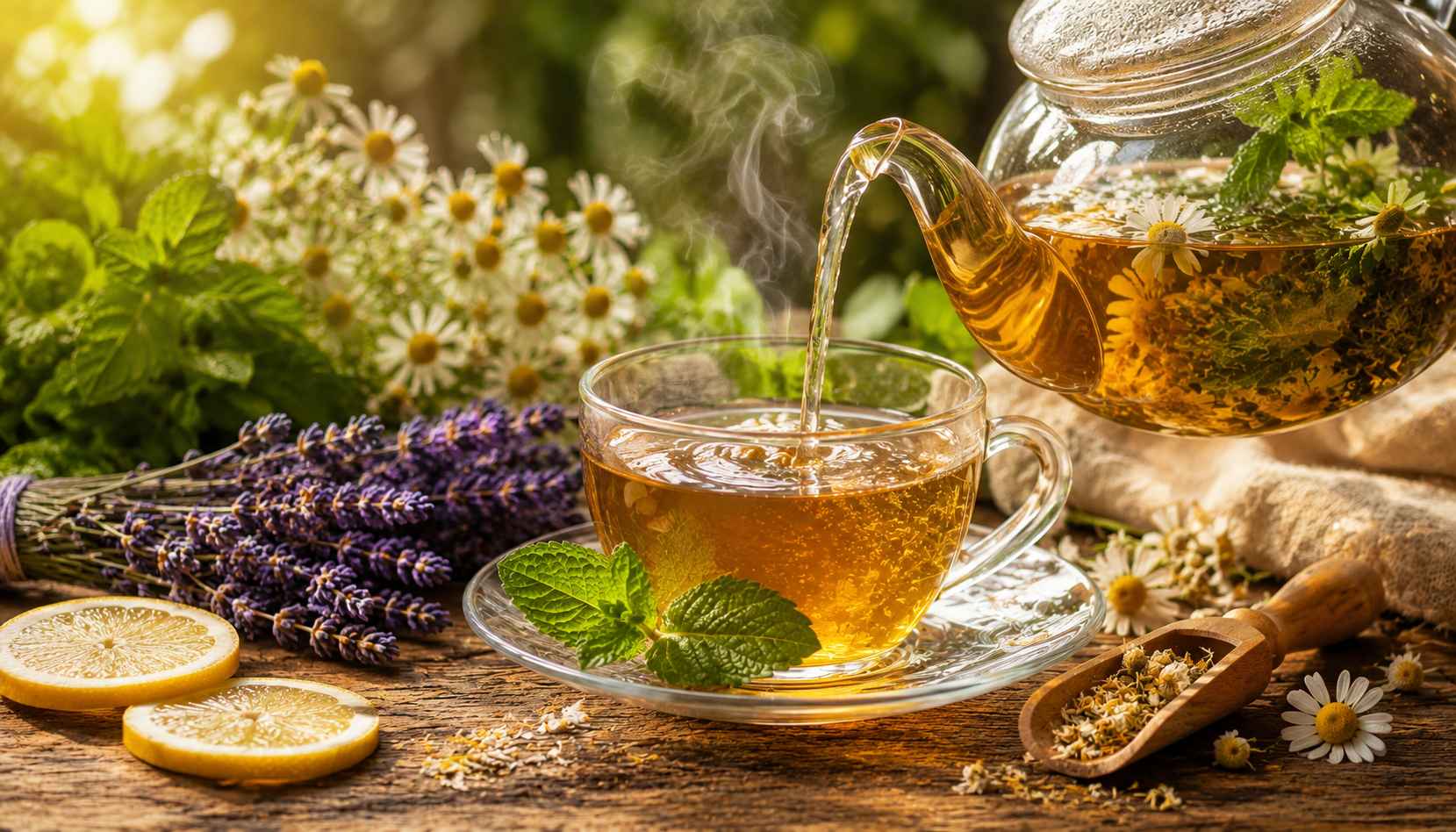
While peppermint is often thought of as invigorating, its ability to relax muscles can also contribute to a sense of calm, especially when stress causes digestive upset. Peppermint tea can help soothe an upset stomach, ease bloating, and relieve tension headaches, all of which can be triggered or exacerbated by stress. The refreshing minty flavor is also a pick-me-up without the caffeine.
Rooibos Tea A Caffeine-Free Delight
Hailing from South Africa, rooibos is a naturally caffeine-free herbal tea that's rich in antioxidants. It has a slightly sweet, nutty flavor that is incredibly comforting. While not as directly sedative as some other herbs, its calming properties and the ritual of drinking it can contribute to overall stress reduction and well being. It's also a great option for anyone sensitive to caffeine.
Tips for Making the Perfect Herbal Tea
To truly get the most out of your relaxing herbal tea experience, a little attention to detail can go a long way. Here are some tips for brewing the perfect cup:
Start with Quality Ingredients
The quality of your herbs makes a big difference. Opt for organic, loose-leaf teas whenever possible. Loose leaves tend to have more flavor and therapeutic compounds than those found in pre-packaged tea bags, which can sometimes contain lower quality or broken leaf material.
Use Fresh, Filtered Water
The taste of your tea is heavily influenced by the water you use. Always start with fresh, cold, filtered water. Avoid using water that has been boiled multiple times, as it can lose oxygen and affect the flavor. The ideal water temperature will vary depending on the herb, but generally, for most herbal teas, bringing the water to a boil and then letting it sit for a minute or two before pouring is a good practice.
Steep for the Right Amount of Time
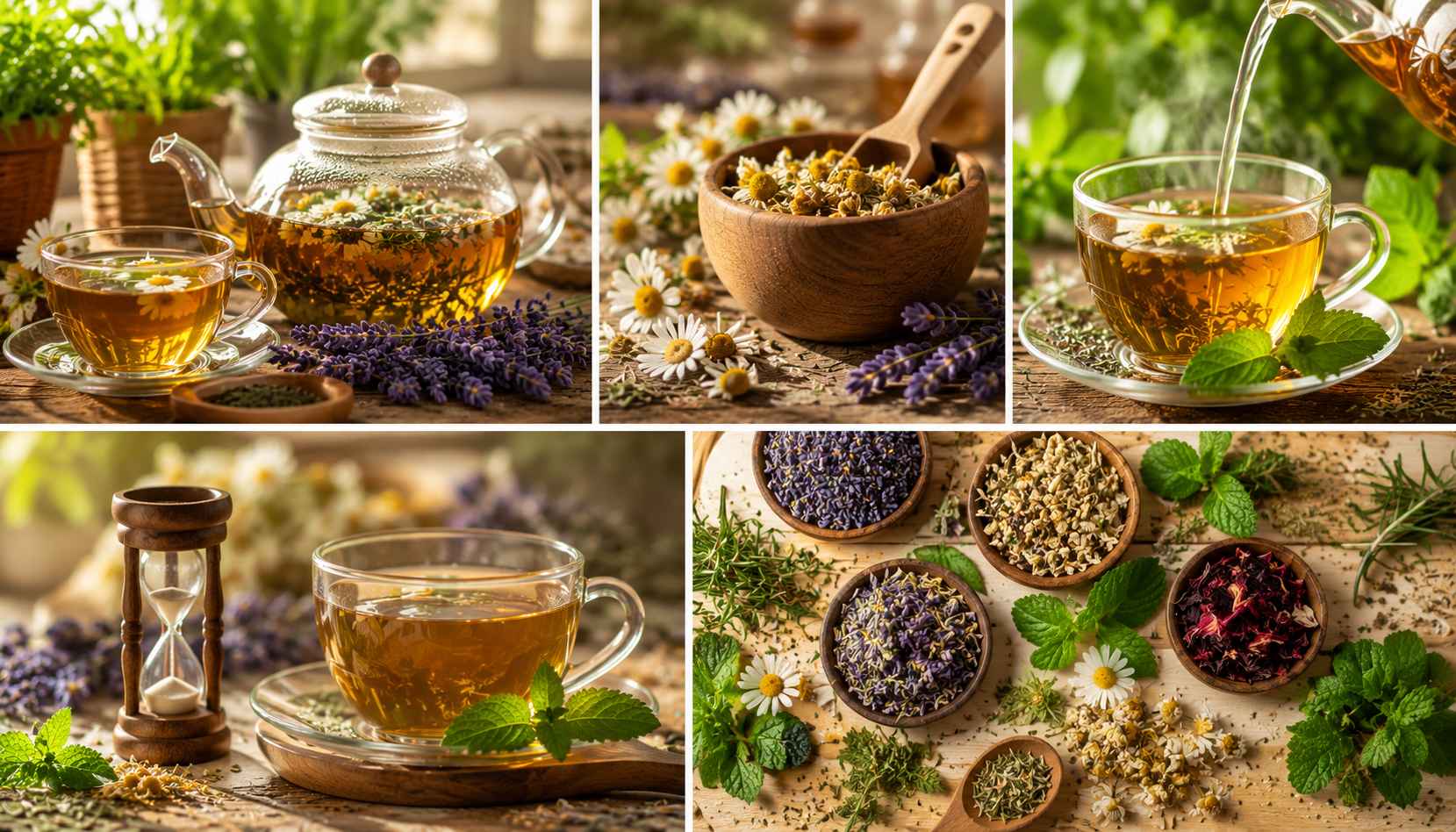
Each herb has its own ideal steeping time. Over steeping can sometimes lead to a bitter taste, while under steeping may not allow the full flavor and beneficial compounds to be released. Check the packaging for specific recommendations, but a general guideline for most herbal teas is 5-10 minutes.
Cover Your Cup While Steeping
Covering your cup or teapot while the tea is steeping helps to keep the water hot and, more importantly, traps the volatile oils and aromas released by the herbs. This ensures you get the full sensory experience and benefit from the aromatic compounds.
Listen to Your Body
While these teas are generally safe, everyone's body is different. Pay attention to how you feel after drinking a particular tea. If you have any underlying health conditions or are taking medications, it's always a good idea to consult with your doctor before incorporating new herbal remedies into your routine.
Incorporating herbal teas into your daily routine is a simple yet profound way to cultivate natural relaxation and manage stress. From the classic comfort of chamomile to the aromatic bliss of lavender, there's a perfect brew waiting to help you unwind. So, the next time you feel the pressures of life mounting, reach for your favorite kettle, select a soothing herbal blend, and take a moment to breathe, sip, and find your inner peace. Your mind and body will thank you for it.
Most Popular











Anaya
comment1