



The Alchemical Journey: From Nectar to Honey
We’ve all probably enjoyed honey at some point, drizzled on toast, stirred into tea, or as a sweet component in our favorite recipes. But have you ever stopped to think about the incredible journey this golden elixir takes before it lands in your spoon? It’s a marvel of nature, a testament to the tireless work of bees, and a process that transforms simple flower nectar into something truly extraordinary. It’s more than just a sweetener; it’s a complex, living food, brimming with natural goodness.
The story begins in the heart of flowers, where bees, those incredible tiny engineers, collect nectar. This sugary liquid, primarily composed of sucrose, is then transported back to the hive. Inside the bee’s honey stomach, an amazing transformation begins. Enzymes, like invertase, secreted by the bee’s glands, start breaking down the complex sucrose into simpler sugars: fructose and glucose. This is the first crucial step in making honey digestible and stable.
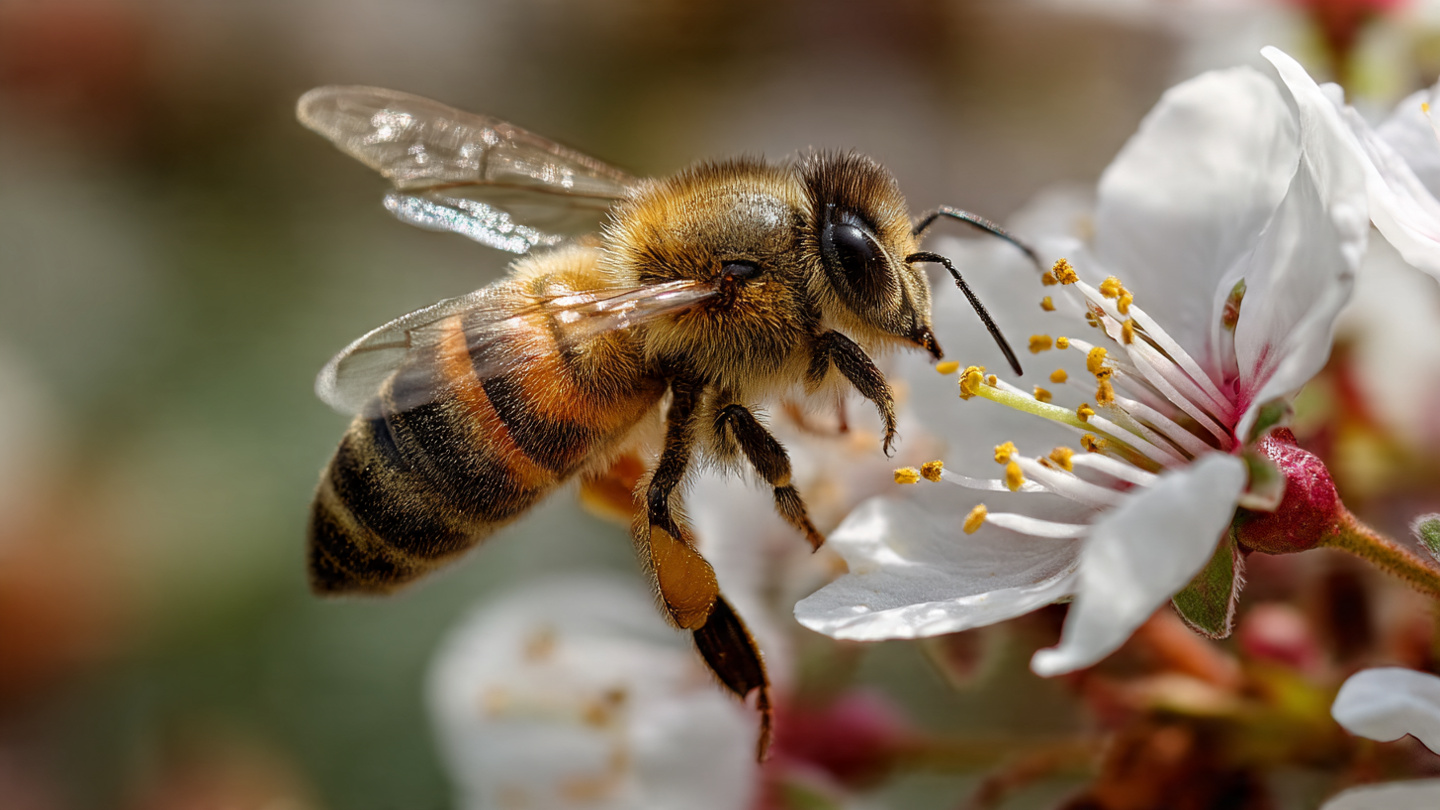
Once back at the hive, the bees don't just store the nectar as is. They work diligently to reduce its water content. This is vital for preservation; high water content would encourage fermentation and spoilage. The bees achieve this through a fascinating process of fanning their wings. By vigorously beating their wings, they create airflow within the hive, evaporating excess moisture from the nectar. This process continues until the water content is reduced to about 17-18%.
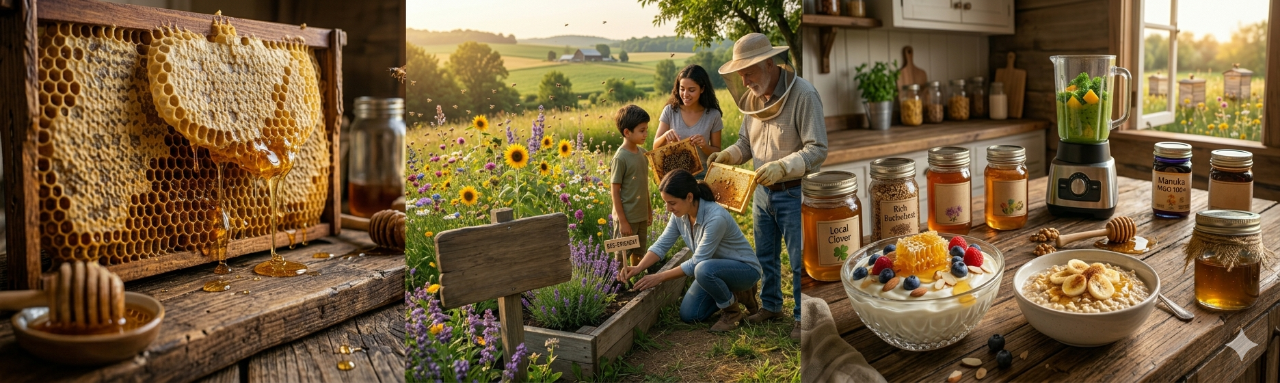
Finally, the thickened, transformed nectar is stored in hexagonal beeswax cells. The bees then cap these cells with more beeswax, creating a perfectly sealed, natural pantry. This carefully preserved nectar is what we come to know and love as honey. It’s a process that has been perfected over millions of years, a sophisticated natural pharmacy created by nature’s most diligent workers.
Why Raw Honey Reigns Supreme
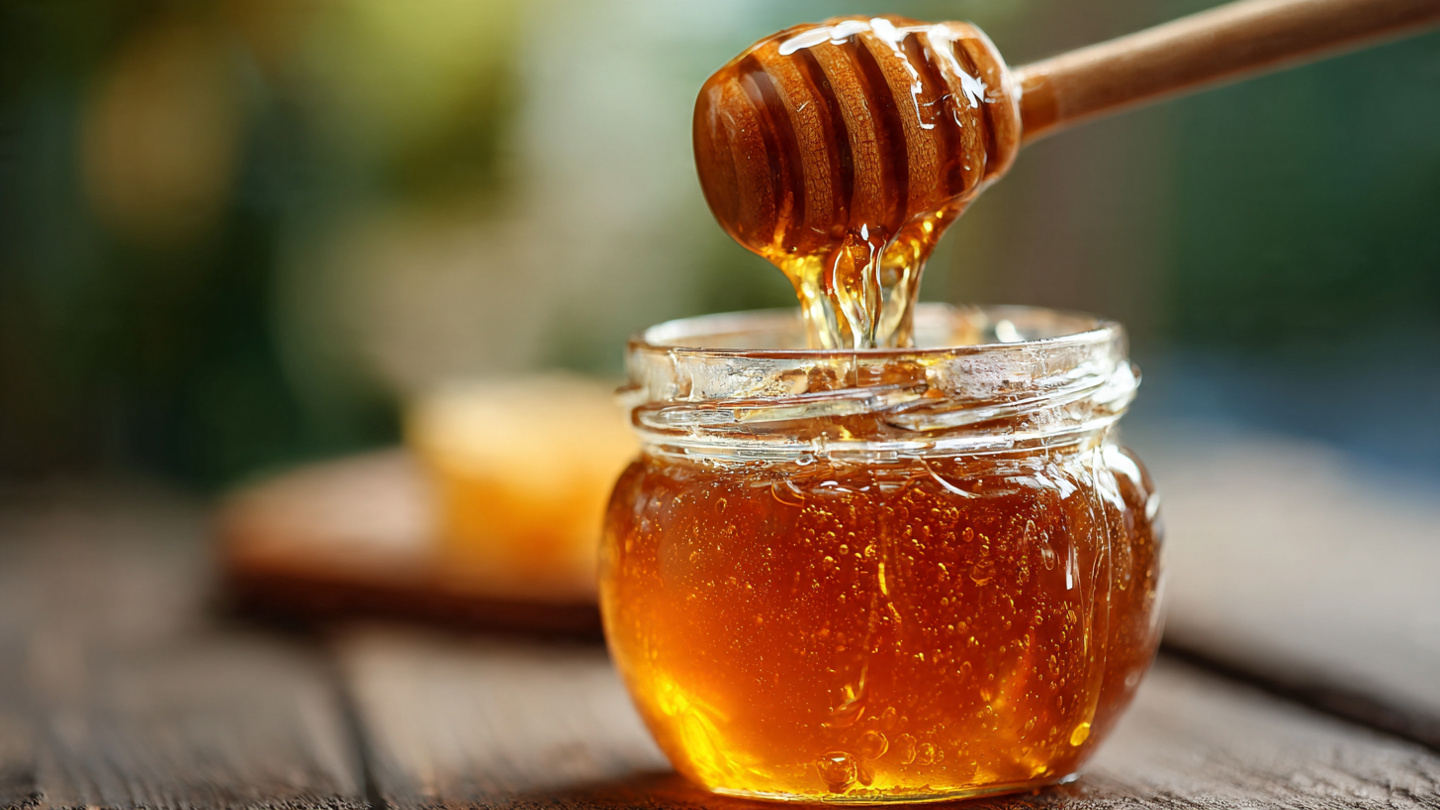
Now, when we talk about nature’s ultimate superfood, we're specifically referring to raw bee honey. You might be wondering, what’s the big deal? Isn't all honey the same? The answer is a resounding no. The difference between raw honey and the highly processed, filtered honey you often find in supermarkets is like night and day.
Pasteurization, a common process in commercial honey production, involves heating honey to high temperatures. While this kills off yeast and bacteria and extends shelf life, it also destroys the very elements that make honey a superfood. The delicate enzymes, beneficial antioxidants, and unique pollens are decimated by the heat.
Raw honey, on the other hand, is unheated and unfiltered (or minimally filtered to remove large debris like bee parts). This means it retains all of its natural goodness. Think of it as a living food. It’s packed with a diverse array of vitamins, minerals, amino acids, and crucially, **antioxidants**. These powerful compounds help protect your body’s cells from damage caused by free radicals, playing a role in preventing chronic diseases and supporting overall health.
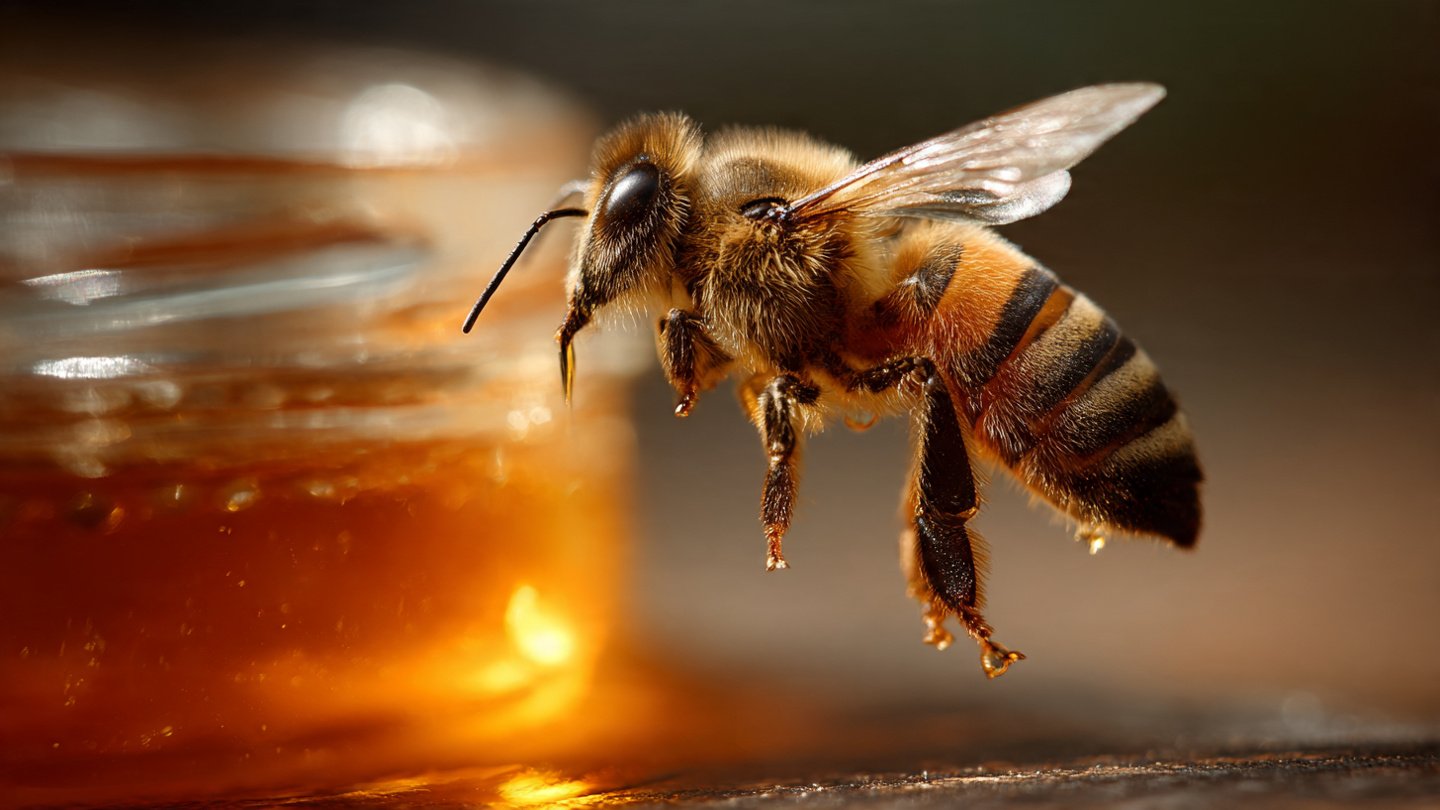
The enzymatic activity in raw honey is another significant benefit. Enzymes like amylase, invertase, and diastase contribute to its health-promoting properties. These enzymes can aid in digestion and may possess antimicrobial qualities. The natural antimicrobial properties of raw honey have been recognized for centuries, with historical uses in wound healing and treating infections.
Furthermore, raw honey contains **pollen**. While some people are allergic to pollen, for others, consuming local raw honey can act as a natural immunotherapy, potentially reducing seasonal allergies. The pollen in raw honey also contributes to its unique flavor profile, which can vary dramatically depending on the floral source.
The **glycemic index** of raw honey is also generally lower than that of refined sugars, meaning it causes a slower and more gradual rise in blood sugar levels. This makes it a slightly better choice for those mindful of their sugar intake, though moderation is always key.
Modern Uses for an Ancient Staple
While raw honey has been a cornerstone of traditional medicine and diet for millennia, its modern applications are just as diverse and valuable. Beyond its delicious taste, raw honey is a versatile ingredient that can enhance both our health and our kitchens.
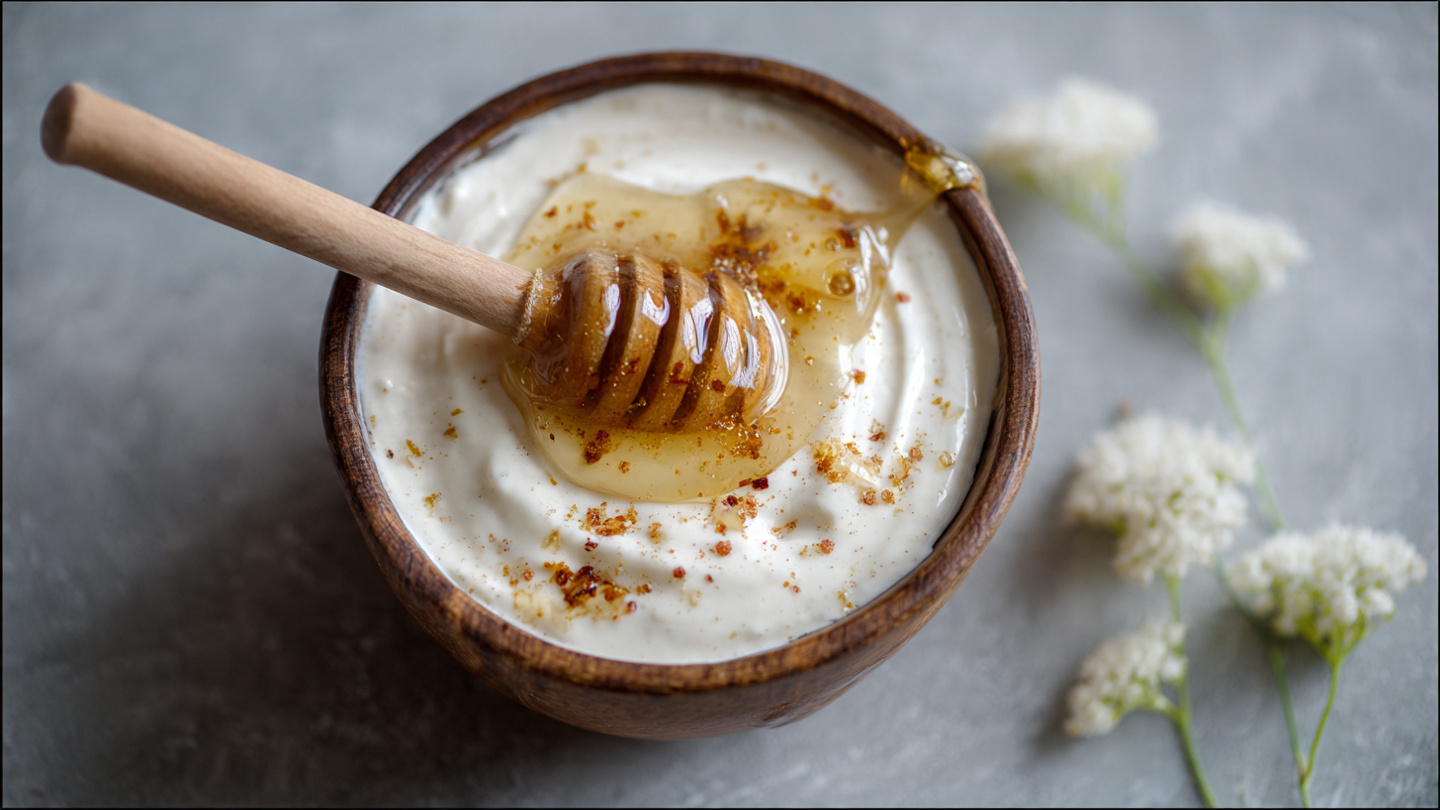
In the kitchen, the possibilities are endless. Drizzle it over Greek yogurt, add it to your morning oatmeal, use it as a natural sweetener in smoothies, or incorporate it into homemade salad dressings for a delightful sweet and tangy kick. Its unique flavor, influenced by the nectar source (think clover, buckwheat, manuka, and countless others), adds complexity to baked goods, marinades, and glazes.
But its benefits extend far beyond culinary delights. Raw honey is a fantastic natural remedy. For a sore throat, a spoonful of raw honey can provide soothing relief. Its thick consistency coats the throat, and its antimicrobial properties may help combat the infection.
Its topical applications are also impressive. As mentioned, its wound healing properties are well documented. Applying a thin layer of raw honey to minor cuts, scrapes, or burns can help keep the area clean, promote healing, and reduce scarring. The enzymes and antibacterial compounds work synergistically to fight off infection and encourage tissue regeneration.
For skincare enthusiasts, raw honey is a natural humectant, meaning it draws moisture to the skin. It can be used as a simple, natural face mask, leaving your skin feeling soft, hydrated, and glowing. Its antioxidant properties also help combat signs of aging.
Beyond personal use, the production of raw honey plays a crucial role in our ecosystem. Bees are vital pollinators, essential for the reproduction of a vast number of plants, including many of the fruits, vegetables, and nuts we rely on for our diet. Supporting beekeepers who produce raw honey directly supports these essential pollinators.
Supporting Our Pollinators
In a world increasingly aware of environmental challenges, it’s vital to recognize the role of bees and the importance of supporting their populations. The decline of bee colonies, often referred to as Colony Collapse Disorder, is a serious threat to our food security and the health of our planet. Factors such as pesticide use, habitat loss, and climate change are all contributing to this alarming trend.
When you choose to buy raw honey from local beekeepers, you are not just purchasing a delicious and healthy food product; you are actively contributing to the survival of these indispensable insects. Local beekeepers often practice sustainable beekeeping methods that prioritize the well-being of their bees. They understand the intricate needs of their colonies and work to provide healthy environments and diverse foraging opportunities.
By supporting local apiaries, you help fund research and conservation efforts aimed at protecting bee populations. You also reduce the carbon footprint associated with transporting honey long distances. It’s a choice that benefits your health, your community, and the environment.

Educating yourself and others about the importance of pollinators is another powerful way to make a difference. Planting bee friendly flowers in your garden, avoiding the use of harmful pesticides, and advocating for policies that protect pollinators are all actions that contribute to a healthier future for bees and for us.
So, the next time you reach for a jar of honey, consider the journey it took and the vital role of the bees that made it. Opt for raw, unadulterated honey, and savor the golden nectar that is truly one of nature’s most perfect gifts. It's a simple choice that can have a profound impact, bringing a touch of nature's magic and immense health benefits directly to your table.

Most Popular













Anaya
comment1