



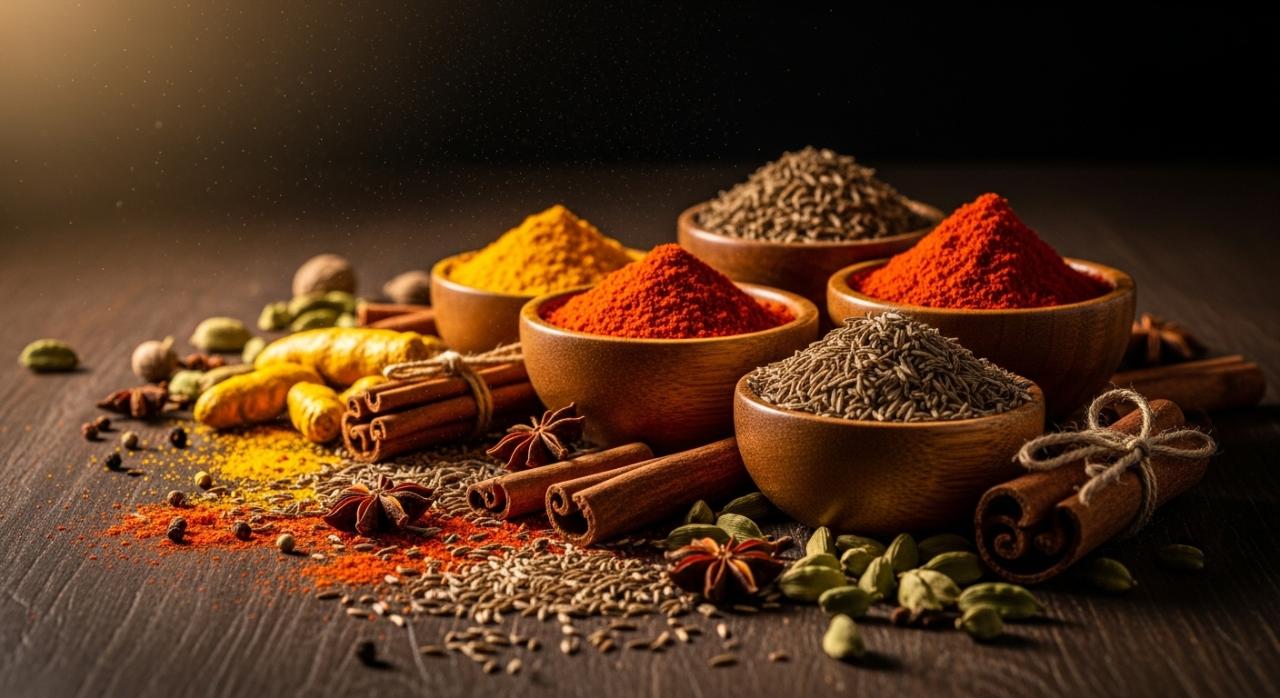
Asian spices have captivated the world for centuries. From ancient trade routes to modern kitchens, their rich aroma, bold flavors, and health benefits have made them essential ingredients across global cuisines. Today, Asian spices are not just culinary elements—they are cultural symbols, economic drivers, and wellness enhancers. Asian spices have shaped the way the world cooks, eats, and even heals. From ancient civilizations to modern kitchens, their influence has expanded across continents, making them some of the most sought-after ingredients globally. But what makes Asian spices so famous worldwide?
🌿 A Rich History That Built Global Demand

The global journey of Asian spices began centuries ago through the legendary Spice Trade. Traders traveled vast distances to obtain rare and valuable spices from Asia, particularly from regions like Sri Lanka, India, and Southeast Asia.
Spices such as Cinnamon, Black Pepper, and Cloves were once considered luxury goods, often reserved for royalty and the wealthy. Their rarity and unique properties made them more valuable than gold at certain points in history.
This strong historical foundation helped establish Asian spices as premium and desirable products—a perception that still exists today.
🌶️ Unmatched Flavor and Aroma
 One of the most powerful reasons Asian spices are globally famous is their complex and layered flavor profiles. Unlike simple seasonings, Asian spices bring depth, aroma, and character to dishes.
For example:
- Turmeric offers earthy warmth and vibrant color
- Cardamom delivers sweet and floral notes
- Cumin adds a rich, nutty depth
- Chili Pepper provides heat and excitement
These spices are often blended into unique combinations, such as curry powders and masalas, creating signature tastes that are hard to replicate with other ingredients.
This versatility allows Asian spices to be used in a wide range of cuisines—from traditional dishes to modern fusion creations.
🍛 Global Influence Through Cuisine
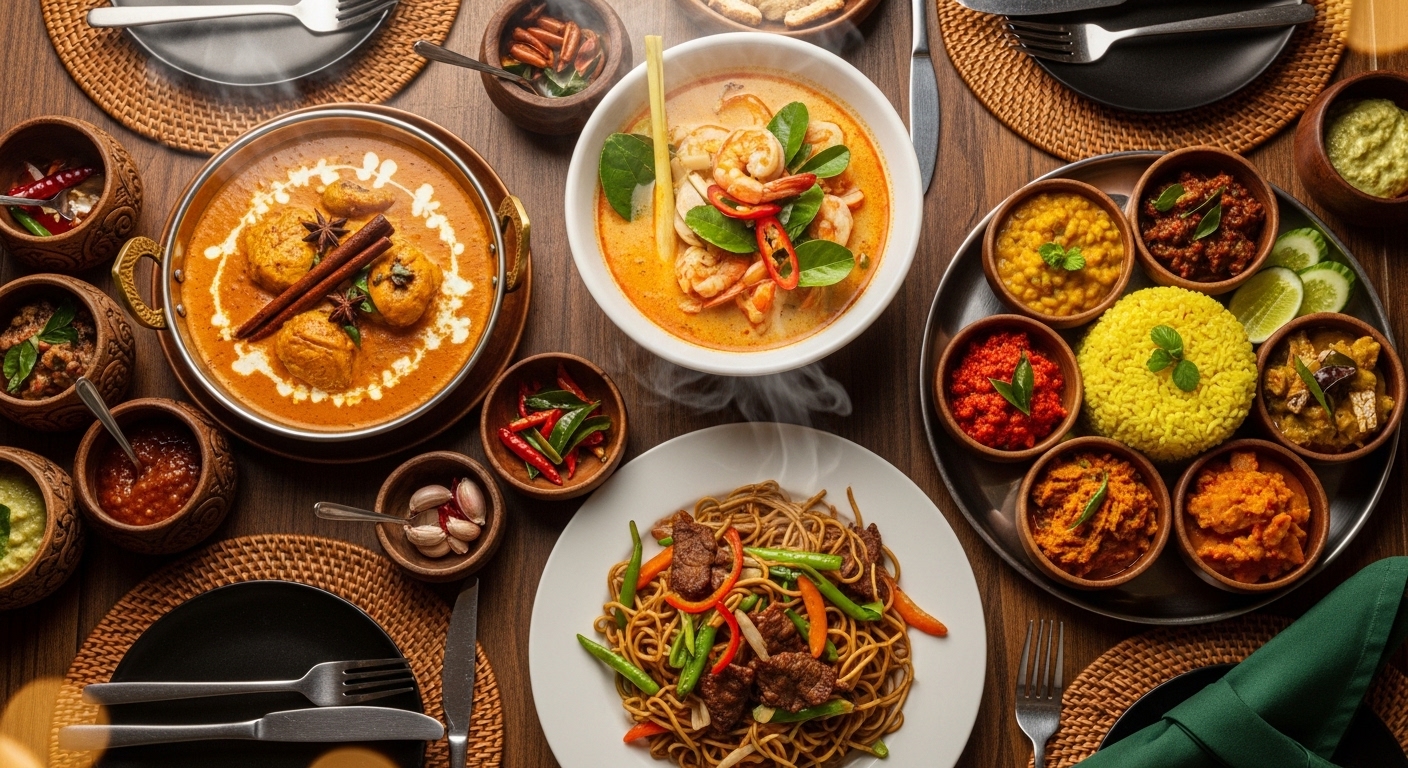
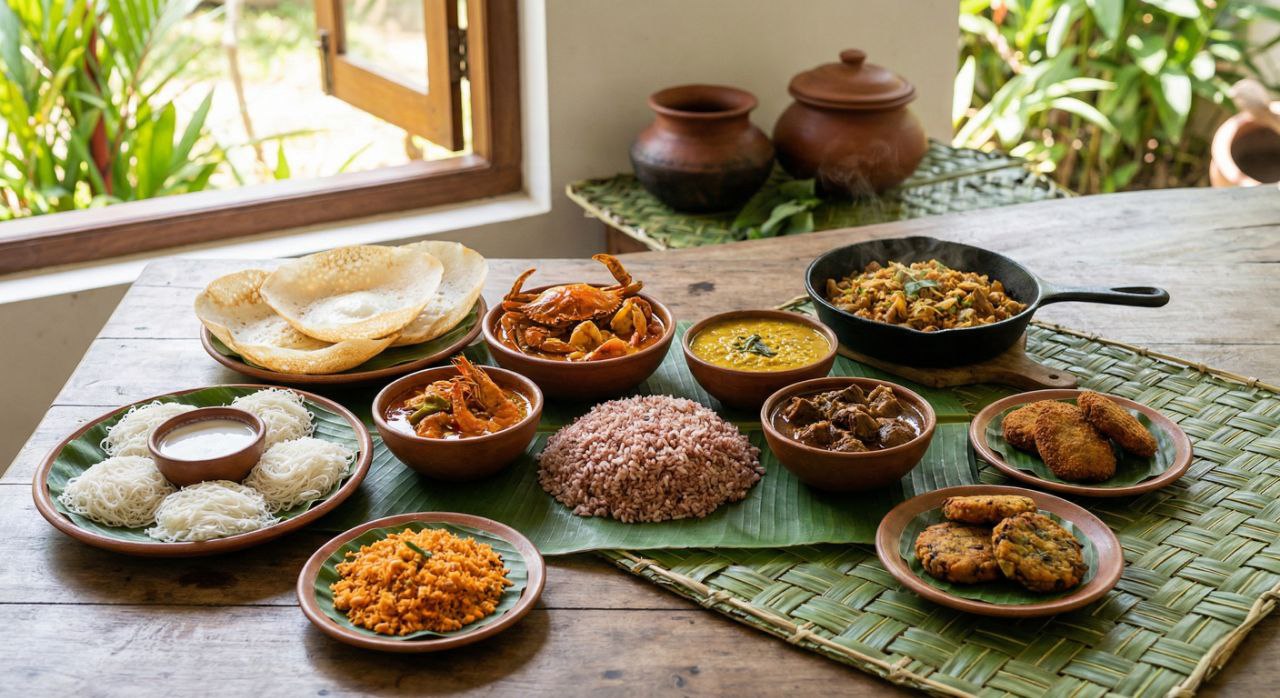
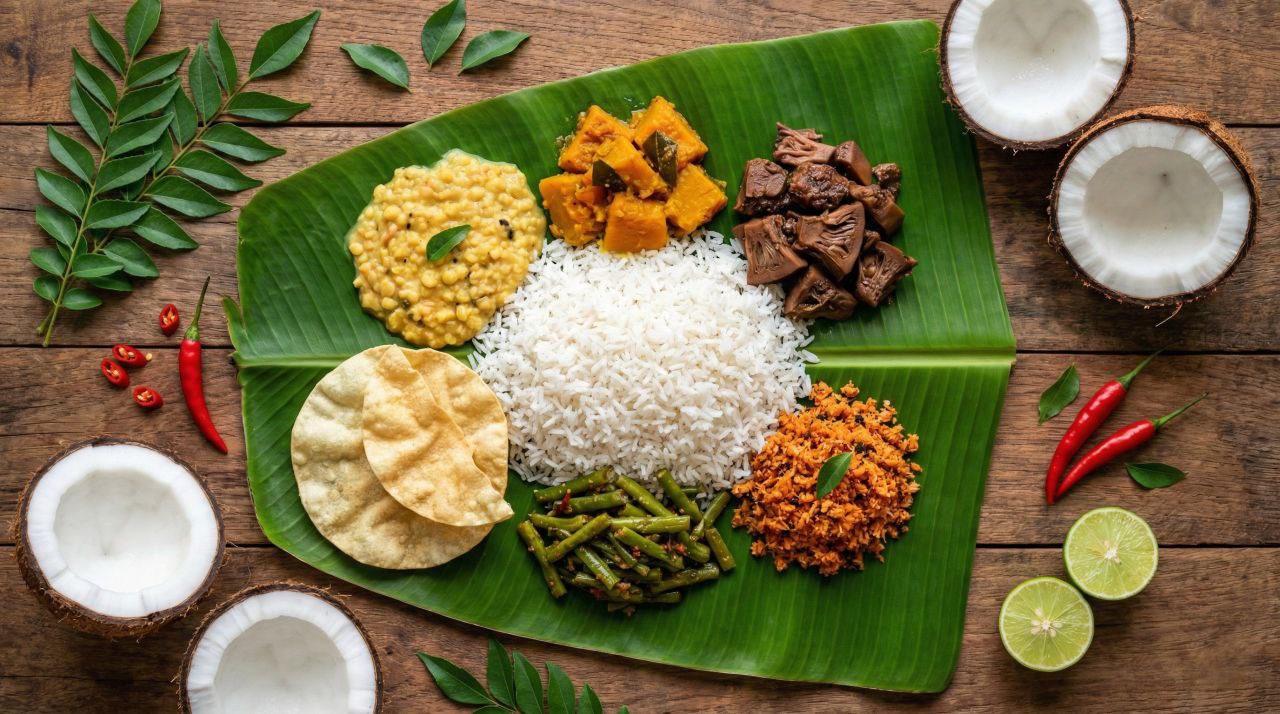
Asian cuisine is one of the most popular food categories worldwide, and spices are at the heart of it. Whether it’s Indian curries, Thai soups, Chinese stir-fries, or Sri Lankan rice and curry, spices define the identity of these dishes.
Restaurants serving Asian cuisine are now common in almost every major city around the world. This widespread availability has introduced millions of people to Asian flavors, increasing demand for authentic spices.
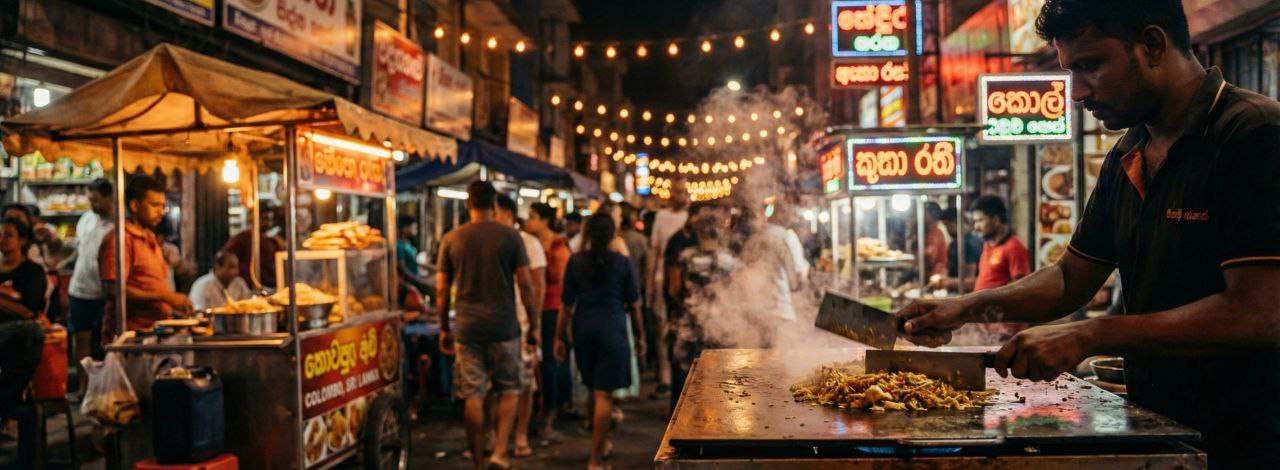
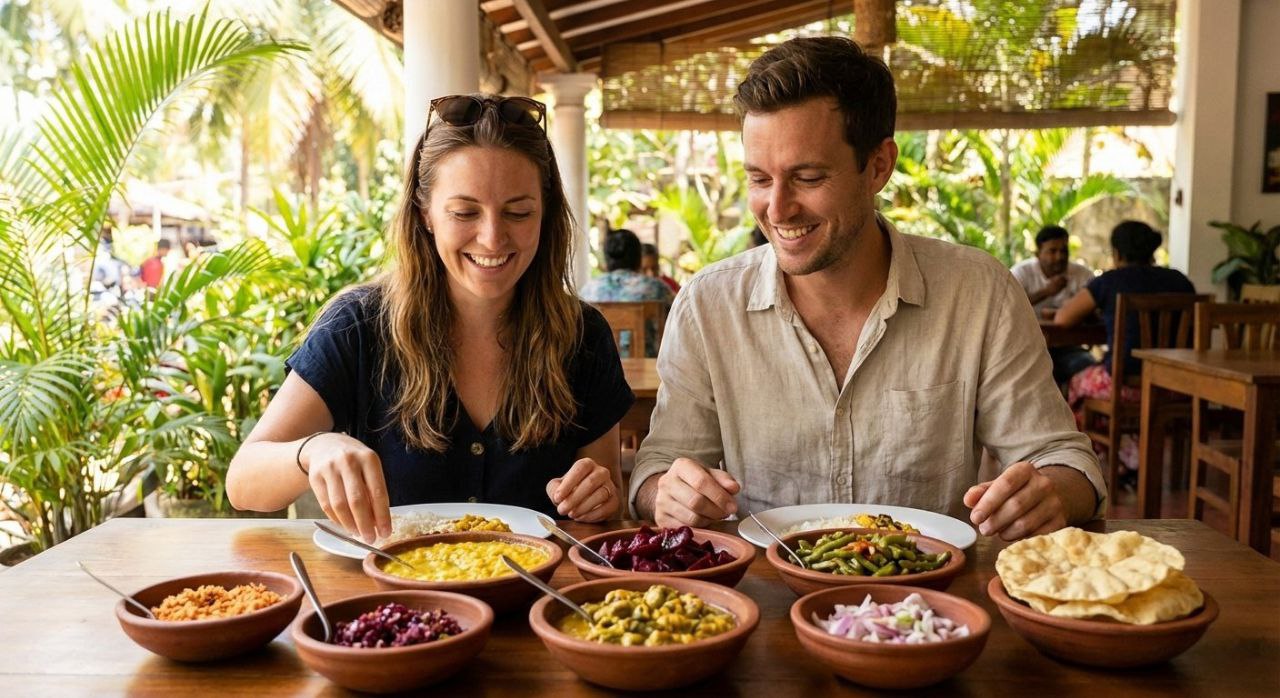
Moreover, food tourism has become a growing trend. Travelers visiting countries like Sri Lanka and Thailand often seek out local culinary experiences, further boosting the global popularity of spices.
🌱 Health Benefits Driving Modern Demand
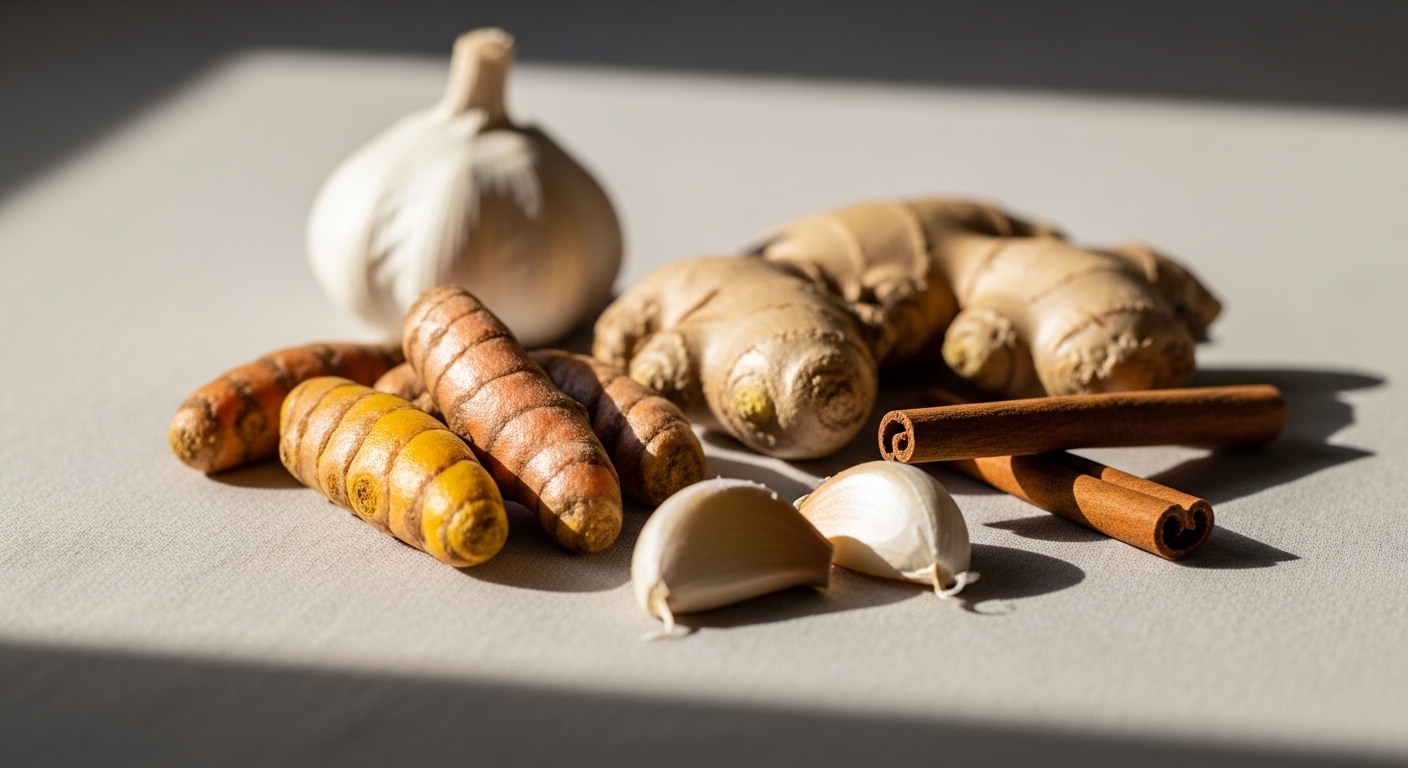
In today’s health-conscious world, Asian spices are gaining attention for their medicinal properties. Many of these spices have been used for centuries in traditional healing systems like Ayurveda.
Popular health benefits include:
- Turmeric – anti-inflammatory and antioxidant properties
- Ginger – aids digestion and reduces nausea
- Garlic – supports heart health and immunity
- Cinnamon – helps regulate blood sugar
These benefits align perfectly with current wellness trends, including natural remedies, organic food, and plant-based diets.
As a result, Asian spices are now widely used not only in cooking but also in teas, supplements, and wellness products.
🌍 Globalization and Digital Influence
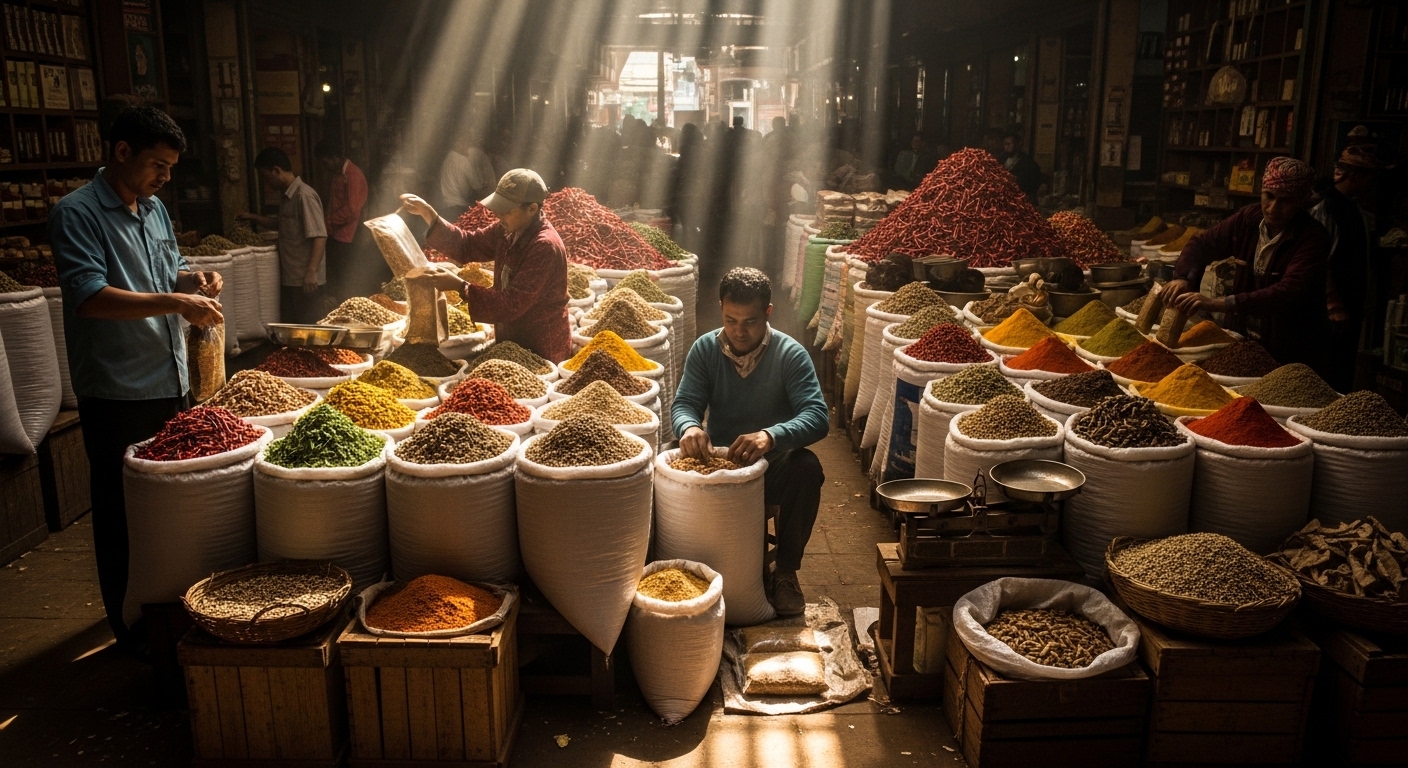
The rise of globalization has made Asian spices more accessible than ever. Supermarkets, online stores, and specialty shops now stock a wide variety of spices sourced directly from Asia.
Social media platforms and food influencers have also played a significant role. Recipes featuring spices like Star Anise and Fenugreek regularly go viral, inspiring people to try new dishes at home.
Cooking shows, YouTube channels, and food blogs have further amplified this trend, making Asian spices a staple in kitchens worldwide.
🛕 Cultural Significance and Tradition
Asian spices are deeply embedded in cultural traditions. They are used in religious ceremonies, festivals, and daily rituals across many Asian countries.
For example, spices are often part of traditional dishes prepared during celebrations, symbolizing prosperity, health, and unity. This cultural richness adds emotional and symbolic value to spices, making them more than just cooking ingredients.
💰 Strong Global Export Industry
Asian countries dominate the global spice market. Nations like India, Sri Lanka, Indonesia, and Vietnam are among the top exporters.
Spices such as Pepper, Nutmeg, and Clove generate billions in revenue annually. The industry supports millions of farmers and plays a crucial role in the economies of these countries.
With increasing demand for organic and sustainably sourced spices, the export market continues to grow rapidly.
🍽️ Versatility in Modern Cuisine

Asian spices are incredibly versatile, making them popular in both traditional and contemporary cooking. They are used in:
- Street food and fast casual dining
- Fine dining and gourmet cuisine
- Vegan and vegetarian dishes
- Fusion recipes combining global flavors
Chefs around the world are experimenting with Asian spices in desserts, beverages, and even cocktails—expanding their use beyond conventional cooking.
🔮 Why Demand Will Keep Growing
The future of Asian spices looks promising. Several trends are expected to drive continued growth:
- Increased focus on organic and natural ingredients
- Rising popularity of plant-based diets
- Expansion of global food culture and fusion cuisine
- Growth of e-commerce and direct-to-consumer spice brands
As consumers become more adventurous and health-conscious, the demand for authentic, high-quality spices will continue to rise.
Asian spices have earned their global fame through a powerful combination of history, flavor, culture, and health benefits. From the ancient Spice Trade to modern culinary trends, they have remained an essential part of human life.
Their ability to transform simple ingredients into extraordinary dishes, along with their proven health benefits and cultural significance, ensures their place in kitchens around the world.
As we move forward, Asian spices will not only continue to influence global cuisine but also play a key role in shaping the future of food, wellness, and sustainable living.
Most Popular








Anaya
comment1