



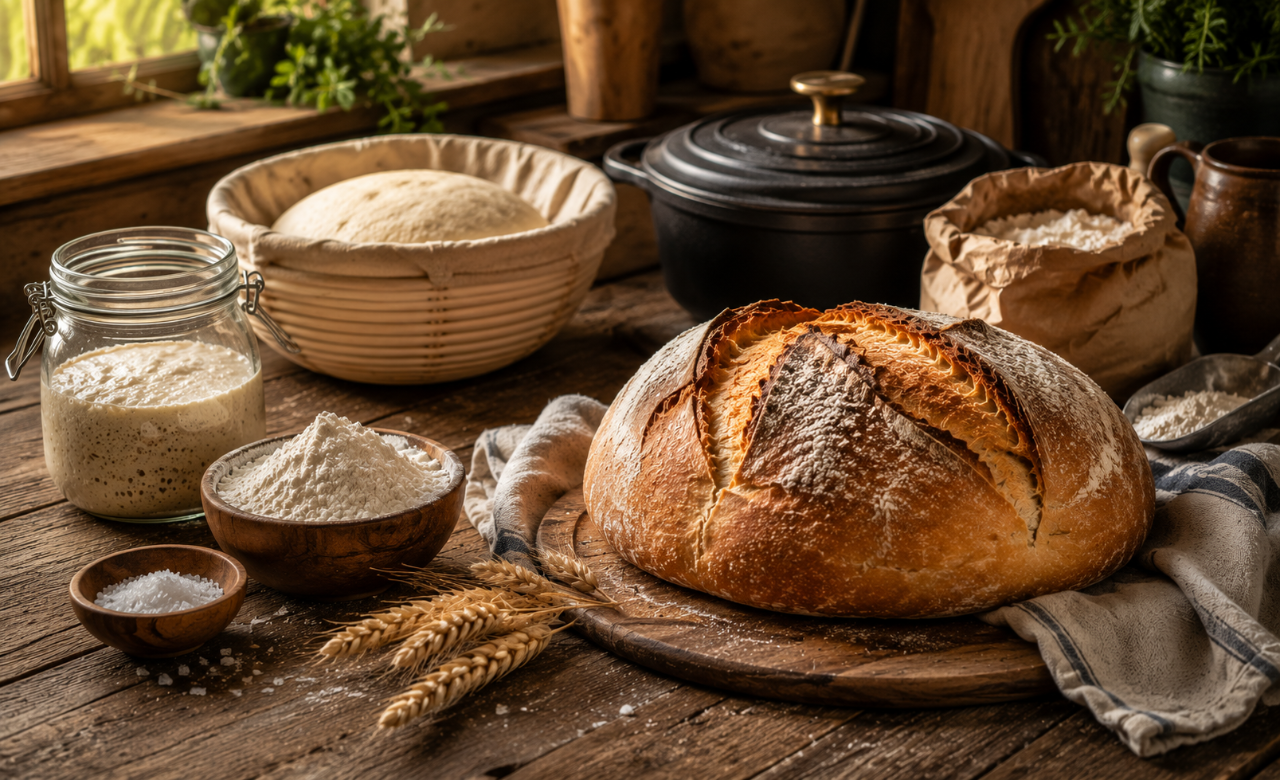
In a world increasingly dominated by convenience and automation, there's a profound satisfaction to be found in the creation of something tangible and delicious with one's own hands. Handmade bread stands as a timeless testament to this principle. More than just a culinary staple, the process of transforming simple ingredients into a fragrant, crusty loaf is an art form, a connection to tradition, and a deeply rewarding experience.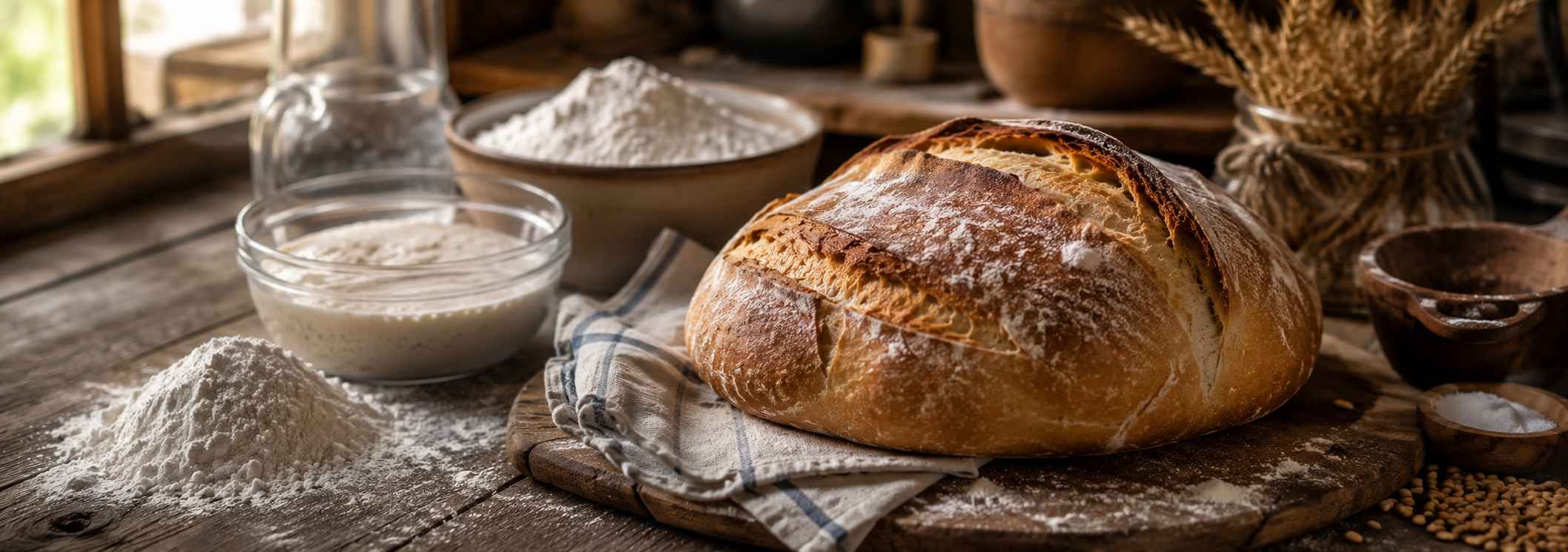
The Humble Beginnings
At its core, bread making is remarkably simple. It requires only a few fundamental ingredients: flour, water, yeast (or a natural starter), and salt. Yet, within this simplicity lies a universe of complexity and nuance. The type of flour used, the hydration levels, the fermentation time, and the baking method all contribute to the final character of the bread. Understanding these variables is the first step in mastering the art.
The Magic of Fermentation
The transformation that occurs during fermentation is nothing short of magical. Yeast, whether commercial or wild, consumes sugars in the flour and produces carbon dioxide gas and alcohol. This gas creates the airy crumb we associate with good bread, while the alcohol contributes to flavor development. Natural starters, cultivated over time, offer a unique microbial ecosystem that imparts complex, tangy notes often found in artisanal loaves. The slow, deliberate nature of fermentation is a cornerstone of traditional bread making, allowing flavors to deepen and the dough to develop its structure.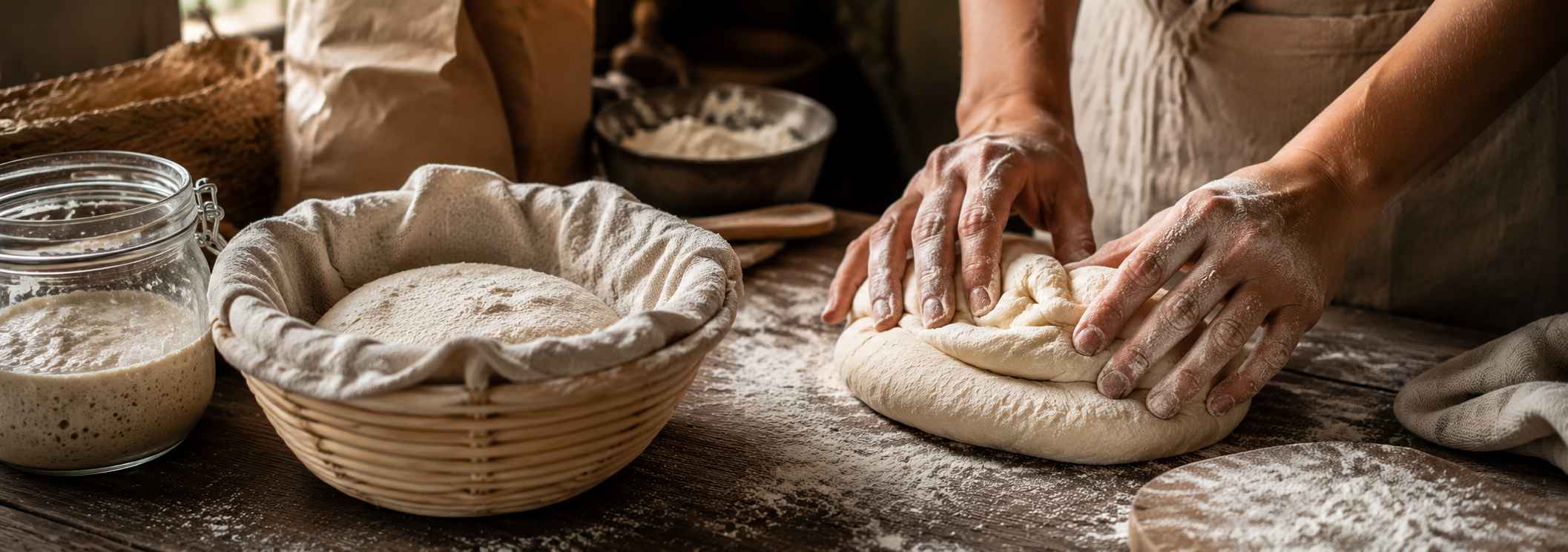
The Tactile Connection
Beyond the science, there's a deeply tactile element to making bread. The feel of the dough as it comes together, the gentle push and fold during kneading, and the anticipation as it rises – these sensory experiences are an integral part of the process. It's a chance to disconnect from digital distractions and engage with a fundamental human activity. The rhythmic nature of kneading can be almost meditative, fostering a sense of calm and focus.
From Simple Loaves to Culinary Masterpieces
While a basic country loaf is a beautiful achievement, the world of handmade bread extends far beyond. Consider the rich, eggy challah, the dense, hearty rye, or the airy, delicate focaccia. Each style requires a slightly different approach, a nuanced understanding of ingredients and technique. Exploring these variations allows bakers to expand their repertoire and discover new flavor profiles and textures.
The Role of the Oven
The final stage of bread making, baking, is equally crucial. The intense heat of the oven is what gives the crust its characteristic crispness and deep color. For those seeking the ultimate bakery-quality results at home, a home oven can be enhanced with techniques like using a Dutch oven, which traps steam to create a superior crust, or even investing in a dedicated bread oven. The crackling sound of a freshly baked loaf as it cools is one of the most satisfying noises for any baker.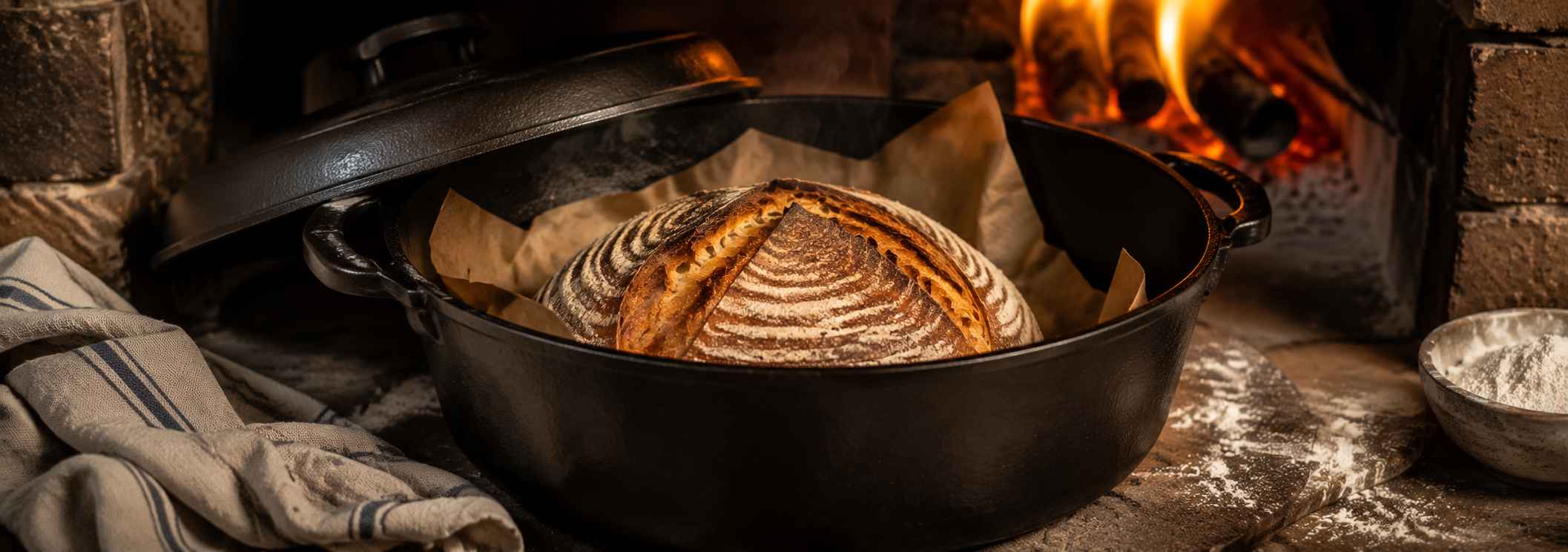
The Rewards of Handmade Bread
The benefits of embracing the art of handmade bread extend far beyond the kitchen. It's an opportunity for mindful engagement, a way to connect with food on a deeper level, and a method of producing a delicious, wholesome product that can be shared with loved ones. The aroma that fills your home as bread bakes is unparalleled, creating an inviting and comforting atmosphere. Furthermore, understanding the ingredients and process can lead to healthier eating habits, as you control exactly what goes into your food.
A Timeless Tradition Continues
In a fast-paced world, the deliberate pace of bread making offers a welcome respite. It's a craft that has been passed down through generations, and by learning to bake your own bread, you become a part of that enduring legacy. The journey from simple ingredients to a perfect loaf is a rewarding one, filled with sensory delight and the satisfaction of creating something truly special with your own hands. So, next time you crave a slice of exceptional bread, consider the art and reward of making it yourself.
Most Popular










Anaya
comment1