



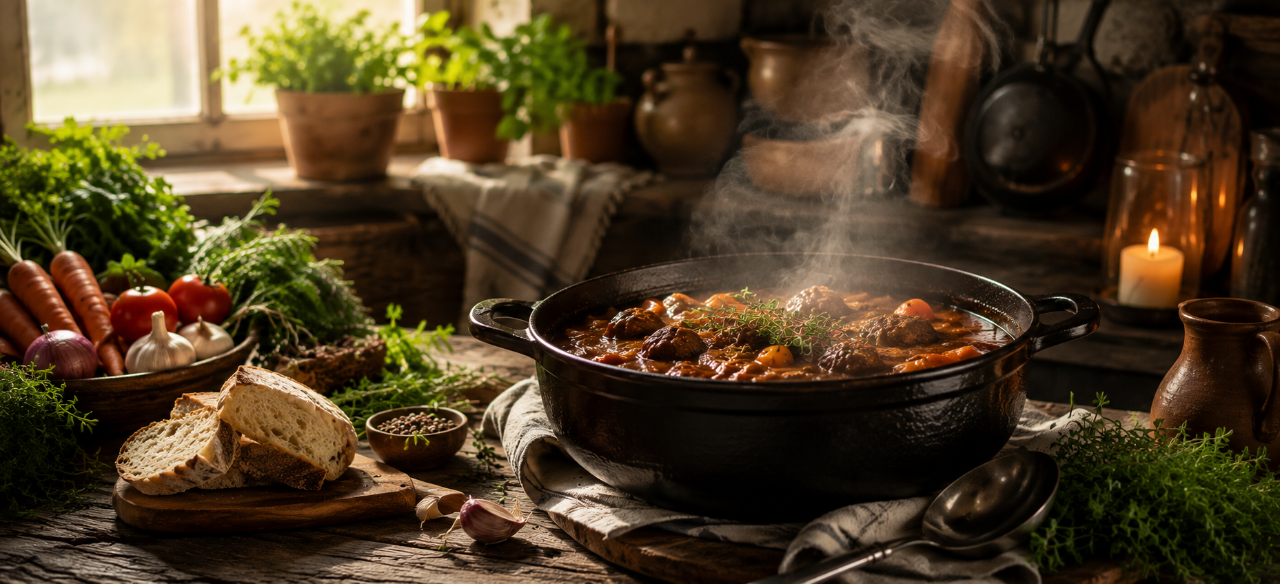
In a world that often celebrates speed and instant gratification, there's a profound and comforting beauty to be found in the traditions of slow cooking. These culinary practices, honed over generations, remind us of the value of patience, the richness of flavor developed through time, and the deep connection we forge with our food and those we share it with. Slow cooking is more than just a method of preparation; it's a philosophy that embraces heritage, community, and the art of mindful nourishment.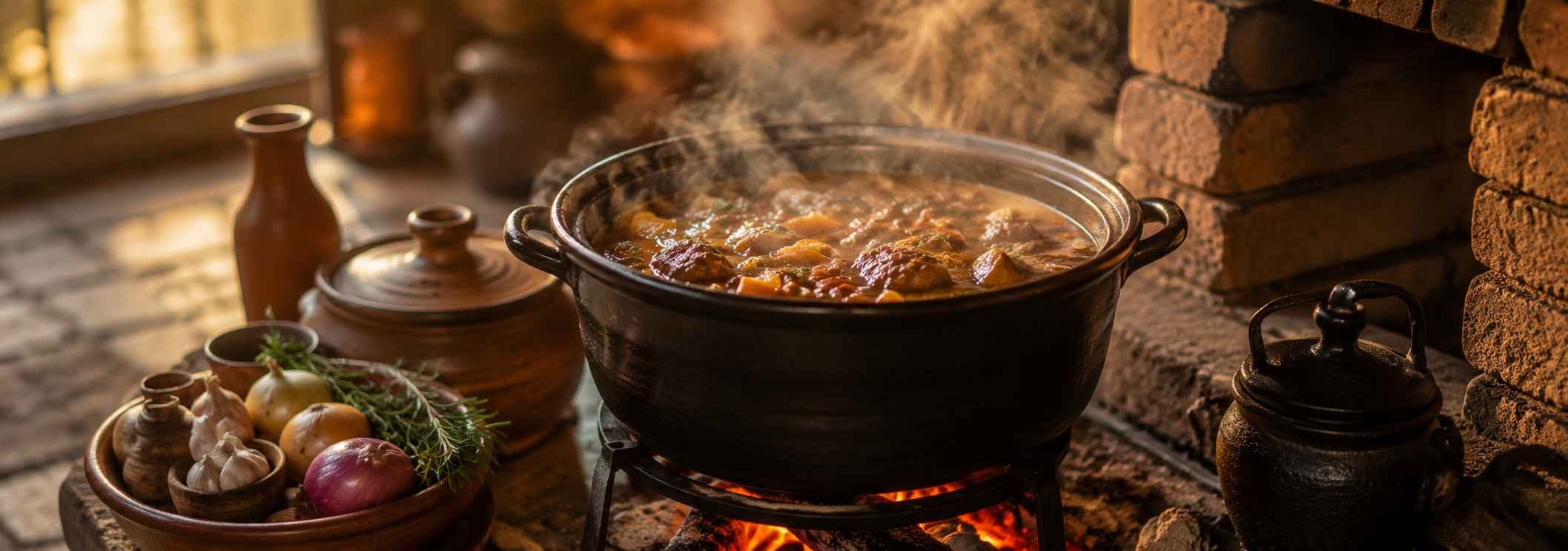
The Alchemy of Time and Ingredients
At its heart, slow cooking is an alchemical process. It involves transforming humble ingredients into something extraordinary through the gentle, prolonged application of heat. Whether it's a hearty stew simmering for hours, a tender roast slowly braising, or dough leavening naturally over a day, the key element is time. This extended cooking period allows flavors to meld and deepen, tough cuts of meat to become incredibly tender, and complex aromas to develop. Unlike quick cooking methods that often lock in flavors, slow cooking encourages them to intermingle, creating a symphony of tastes that is both nuanced and deeply satisfying.
Preserving Culinary Heritage
Many slow cooking traditions are intrinsically linked to the history and culture of a region. Think of the rich, slow cooked ragu in Italy, perfected over centuries, or the savory, long braised meats found in various European cuisines. These dishes are not merely recipes; they are edible stories, carrying the legacy of families, communities, and agricultural practices. They represent a continuity, a way of preserving and passing down not just food, but also a sense of identity and belonging. The act of preparing and sharing these traditional slow cooked meals can evoke powerful memories and strengthen intergenerational bonds.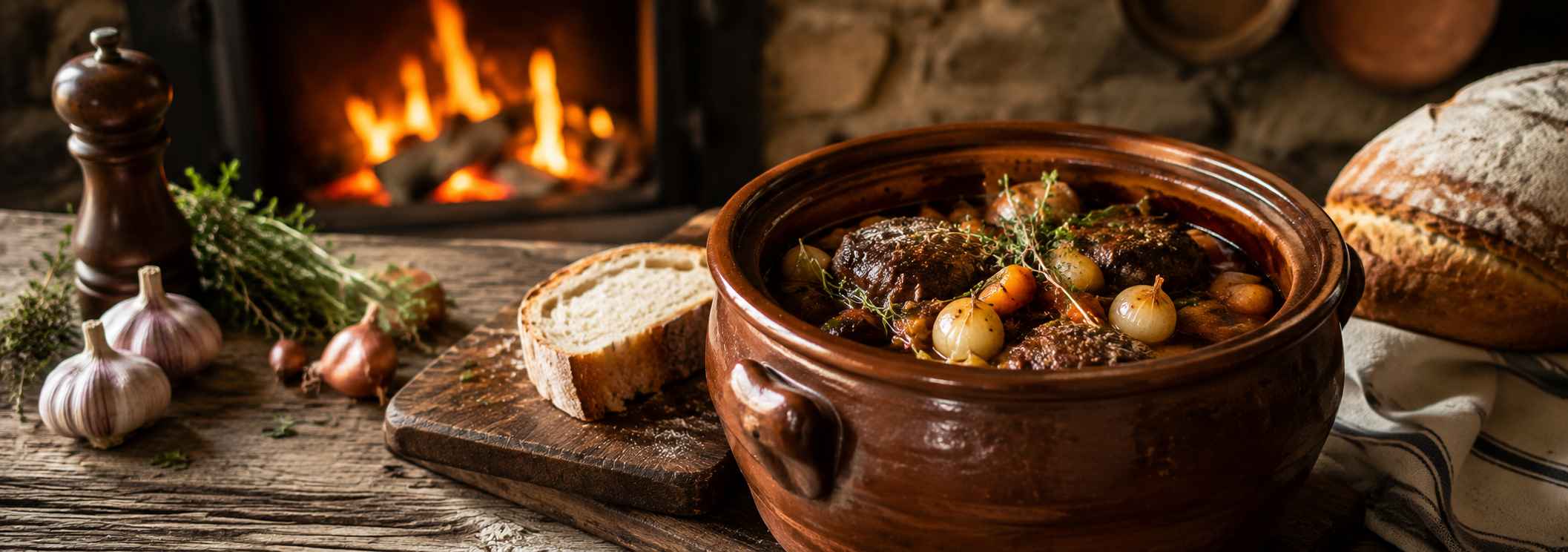
The Sensory Experience of Slow Cooking
The journey of slow cooking is as much a sensory experience as the final meal. The aromas that begin to waft from the kitchen hours before serving are a promise of the deliciousness to come. They fill the home with warmth and anticipation, creating an inviting atmosphere. The visual transformation of ingredients from raw to perfectly cooked, the comforting sounds of a gentle simmer, and the tactile pleasure of stirring a rich sauce all contribute to the holistic enjoyment of this culinary art form. It encourages a slower pace in the kitchen, allowing cooks to engage more fully with the process.
Slow Cooking and Well being
Beyond the deliciousness and cultural significance, slow cooking can also contribute to a sense of well being. The act of preparing a meal from scratch, with care and attention, can be incredibly therapeutic and grounding. It offers an antidote to the hurried pace of modern life, providing an opportunity for mindfulness and a connection to the natural rhythms of food preparation. Furthermore, many slow cooked dishes are rich in nutrients, as the gentle cooking process helps to retain vitamins and minerals. They are often hearty and wholesome, providing sustained energy and a feeling of deep contentment.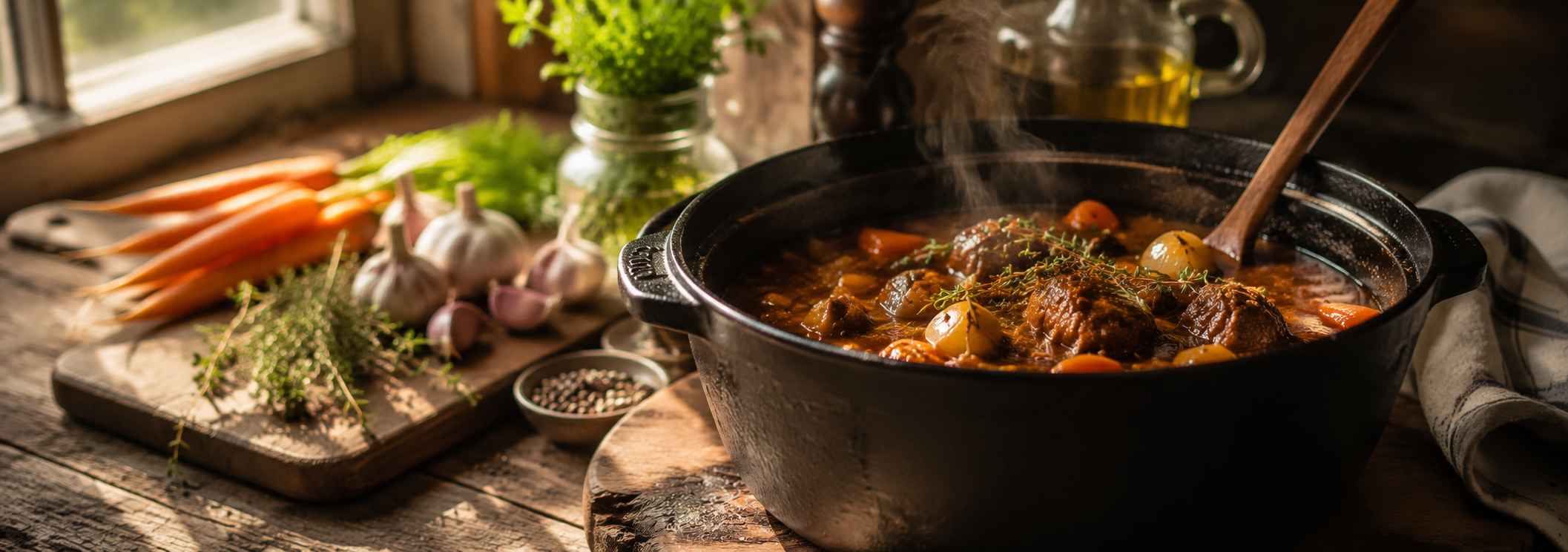
In embracing slow cooking traditions, we not only savor incredible food but also connect with a timeless aspect of human culture. It's an invitation to slow down, appreciate the process, and create dishes that nourish not just the body, but also the soul. Whether you're recreating a family heirloom recipe or exploring a new slow cooked delight, the beauty of taking your time in the kitchen offers rewards that are truly immeasurable.
Most Popular







Anaya
comment1