



In a world saturated with meticulously crafted recipes and step-by-step video tutorials, one might assume that the path to great cooking is paved with precise measurements and strict adherence to instructions. While recipes serve as valuable blueprints, the true magic of outstanding cuisine often lies in something far more intangible, a secret that transcends the written word and transforms a meal from merely edible to truly memorable.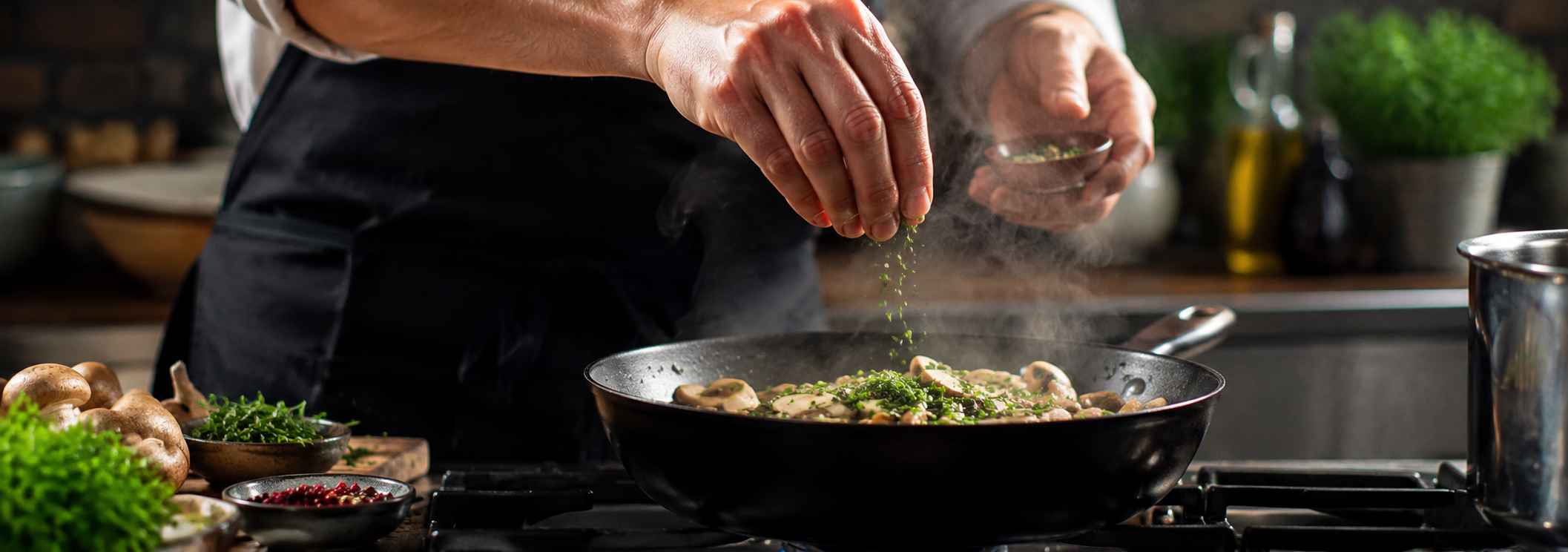
The Art of Intuition
The most accomplished home cooks and professional chefs alike possess a profound sense of intuition. This isn't about guesswork; it's a cultivated understanding that comes with experience. It’s the ability to feel the texture of dough, to smell the subtle changes in a simmering sauce, or to taste a dish and instinctively know what it needs – a pinch more salt, a squeeze of citrus, or a whisper of fresh herbs. This intuitive approach allows for flexibility, enabling cooks to adapt recipes to the ingredients at hand, the season, or even their own mood.
Quality Ingredients and Technique
While intuition is key, it’s built upon a solid foundation. The quality of your ingredients plays an undeniable role. Fresh, seasonal produce, ethically sourced meats and fish, and good quality fats are the building blocks of exceptional flavor. Equally important is mastering fundamental cooking techniques. Understanding how to properly sauté, roast, braise, or emulsify allows you to coax the best possible flavor and texture out of those quality ingredients. A perfectly seared piece of fish, for instance, is not just about the recipe; it’s about the heat of the pan, the oil used, and the timing – all elements honed through practice and an understanding of technique.
The Role of Sensory Experience and Mindfulness
Great cooking is a full sensory experience. It’s about engaging all your senses throughout the process. Listen to the sizzle of onions in a pan, watch the browning of meat, feel the warmth of the steam rising, smell the evolving aromas, and, of course, taste at every stage. Practicing mindfulness in the kitchen, being fully present in the moment, allows you to connect with the food you are preparing. This connection can lead to a deeper appreciation for the ingredients and a more nuanced understanding of how flavors develop and meld together.
Embracing Imperfection and Personal Expression
The pursuit of culinary perfection can be daunting. However, the secret to great cooking also lies in embracing imperfection and allowing for personal expression. Not every dish will turn out exactly as planned, and that’s perfectly alright. These moments are learning opportunities. More importantly, great cooking often reflects the personality of the cook. It’s about putting your own stamp on a dish, whether it’s adding a unique spice blend, a regional twist, or simply cooking with love and intention. This personal touch is what makes food truly special and brings joy to both the maker and the eater.
 The Human Element in the Kitchen
Ultimately, the secret behind great cooking isn’t a hidden ingredient or a complex technique found only in Michelin-starred kitchens. It’s a blend of practiced intuition, a deep respect for quality ingredients and fundamental techniques, mindful engagement of the senses, and the courage to express oneself. It’s the human element, infused with passion and experience, that elevates cooking from a chore to an art form, creating dishes that nourish not just the body, but the soul.
Most Popular









Anaya
comment1