



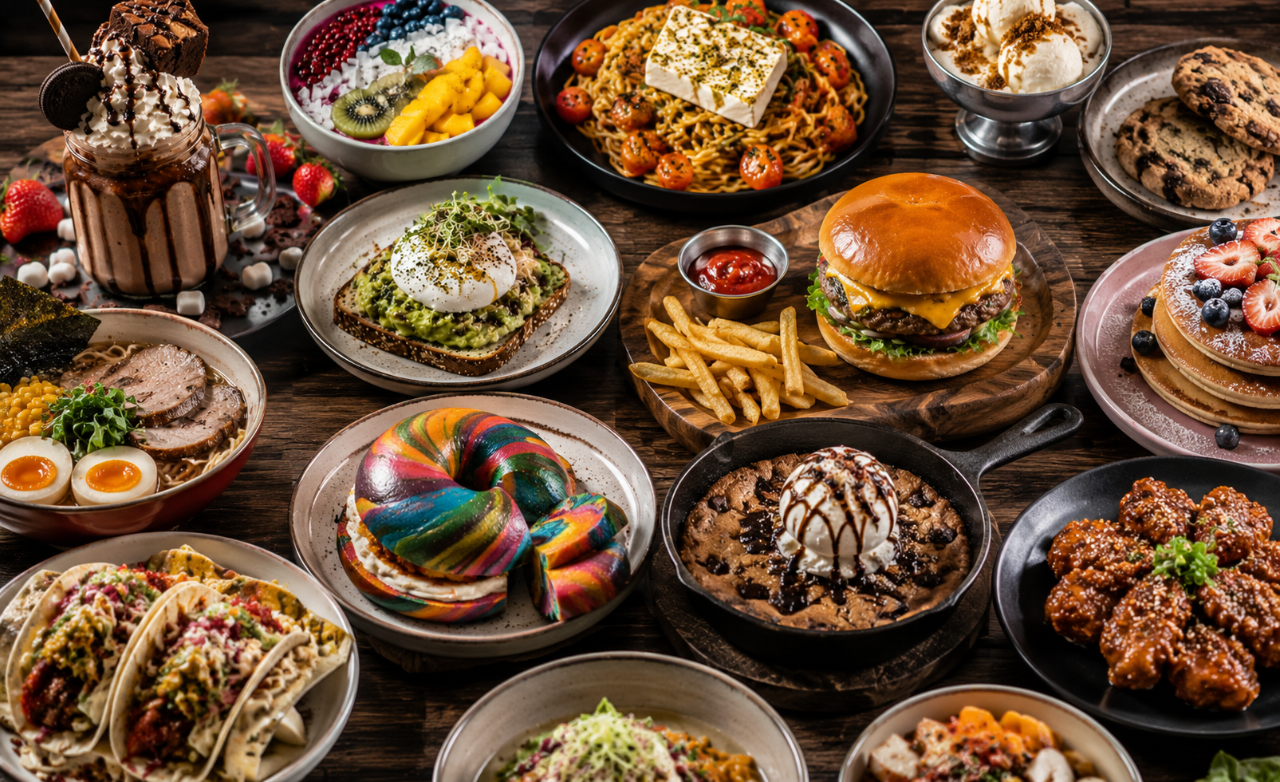
In the fast paced digital age, the internet has become a powerful catalyst for cultural phenomena, and the culinary world is no exception. Food trends, once driven by seasonal availability and regional specialties, now explode onto the global scene overnight, fueled by social media, viral videos, and influencer endorsements. This phenomenon, while exciting and accessible, also points to a peculiar lifecycle: the rapid rise and often equally swift fall of internet food trends. This post will explore the dynamics behind these fleeting culinary crazes, examining their origins, their peak popularity, and the reasons behind their eventual decline.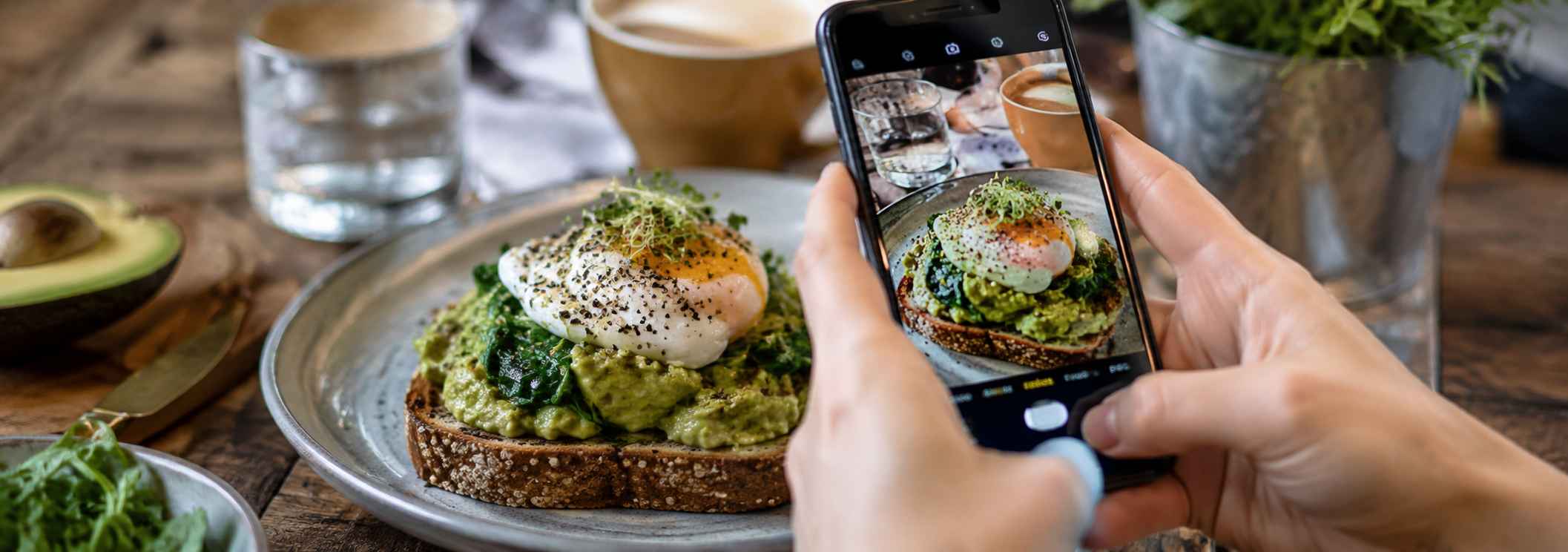
The Genesis of a Viral Dish
The birth of an internet food trend is rarely a deliberate, orchestrated event. More often, it stems from a combination of creativity, novelty, and serendipity. A visually striking dish, a unique preparation method, or an unexpected flavor combination can capture the attention of a few influential individuals or go viral organically. Platforms like TikTok, Instagram, and YouTube serve as fertile ground for these trends to germinate. Short, engaging videos showcasing the food's creation or consumption are easily shareable, allowing them to reach millions in a matter of hours. Think of the early days of the "cronut," the "avocado toast" craze, or the rainbow bagels. These weren't born from a marketing department's decree, but from a spark of innovation that resonated with the online community.
Saturation and Scrutiny
Once a trend gains traction, it enters its peak phase. Suddenly, every restaurant wants to feature it, every food blogger is reviewing it, and every home cook is attempting to recreate it. This period is characterized by widespread adoption and a certain level of saturation. While initially exciting, this ubiquity can also lead to a dilution of the trend's novelty. The original appeal might be lost as variations emerge, some more successful than others. Moreover, as a trend becomes mainstream, it also becomes subject to greater scrutiny. The initial wonder can give way to critical analysis, with discussions about health implications, sustainability, or even the trend's inherent silliness. The sheer volume of content and opinion surrounding a popular food item can, paradoxically, lead to fatigue.
Oversaturation and the Next Big Thing
The fall of an internet food trend is typically as rapid as its ascent. Several factors contribute to this decline. Firstly, oversaturation is a major culprit. When a trend becomes ubiquitous, it loses its exclusivity and allure. Consumers, always on the hunt for the next novel experience, begin to move on. Secondly, the relentless pursuit of the "next big thing" inherent in internet culture pushes new trends forward. The digital landscape is constantly evolving, and what is popular today is often forgotten tomorrow. Finally, the novelty factor itself wanes. Once the initial excitement of trying a trendy dish subsides, consumers may revert to more familiar or practical choices.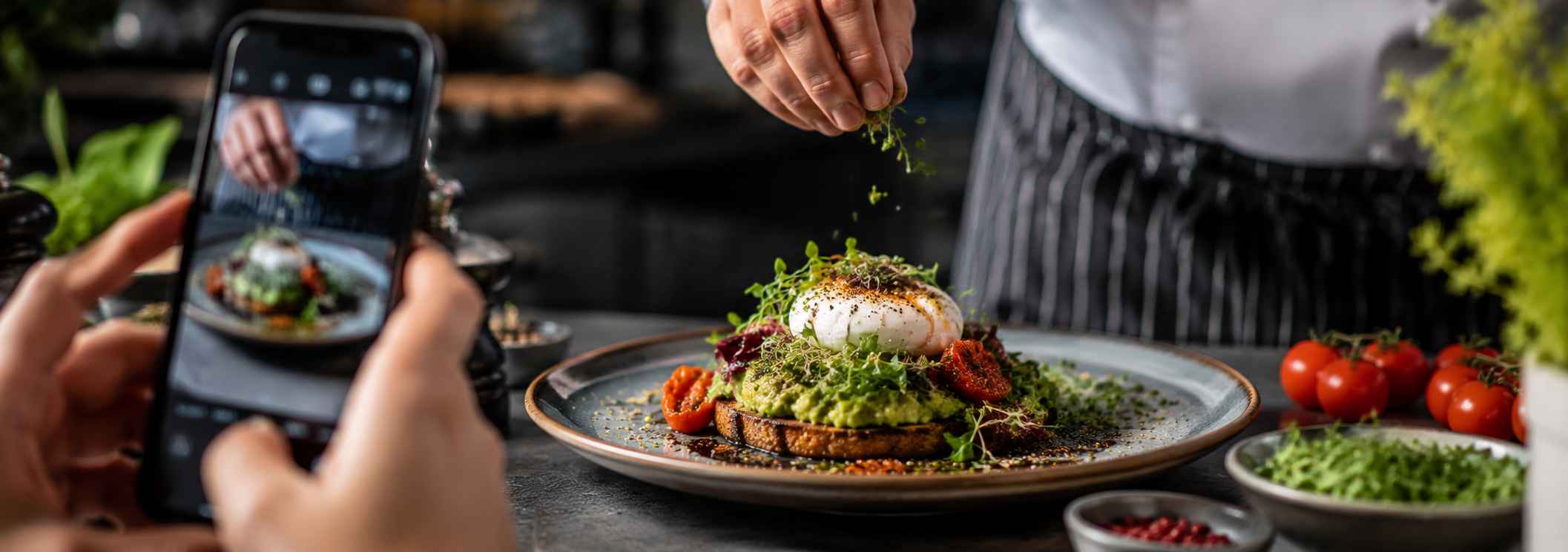
Lessons from the Culinary Carousel
The rise and fall of internet food trends offer valuable insights for both consumers and businesses. For consumers, it highlights the ephemeral nature of digital fads and encourages a more discerning approach to culinary exploration, perhaps focusing on quality and personal preference over fleeting virality. For food businesses, these trends present both opportunities and challenges. While they can drive significant traffic and buzz, relying too heavily on a single trend can be a risky strategy. The key lies in understanding the lifecycle of these trends, adapting quickly, and maintaining a focus on core culinary values. Ultimately, the internet food trend cycle is a fascinating reflection of our digitally connected, rapidly evolving world, where even our plates are subject to the whims of online popularity.

Most Popular








Anaya
comment1