



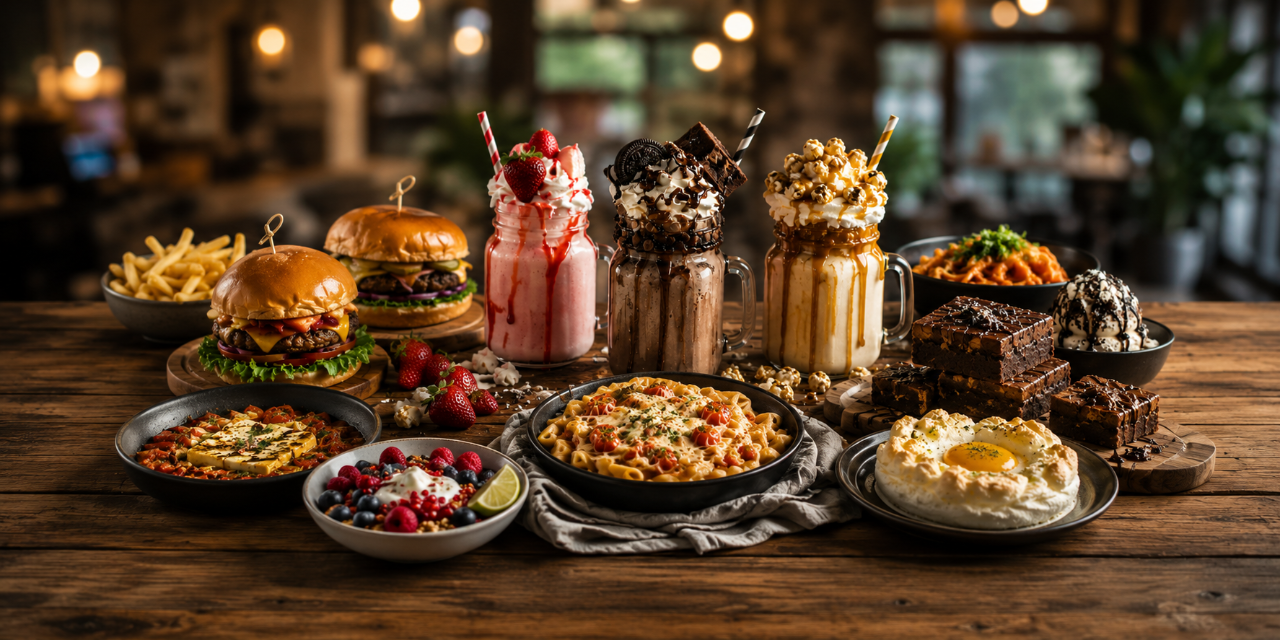
In the ever-evolving landscape of culinary trends, certain dishes or food concepts manage to capture the collective imagination, exploding across social media platforms and becoming overnight sensations. These are the viral foods, phenomena that briefly dominate our digital feeds and dining conversations. From whimsical creations to comfort food elevated, their ascent is rapid, their reign often short, but their impact on how we discover and consume food is undeniable.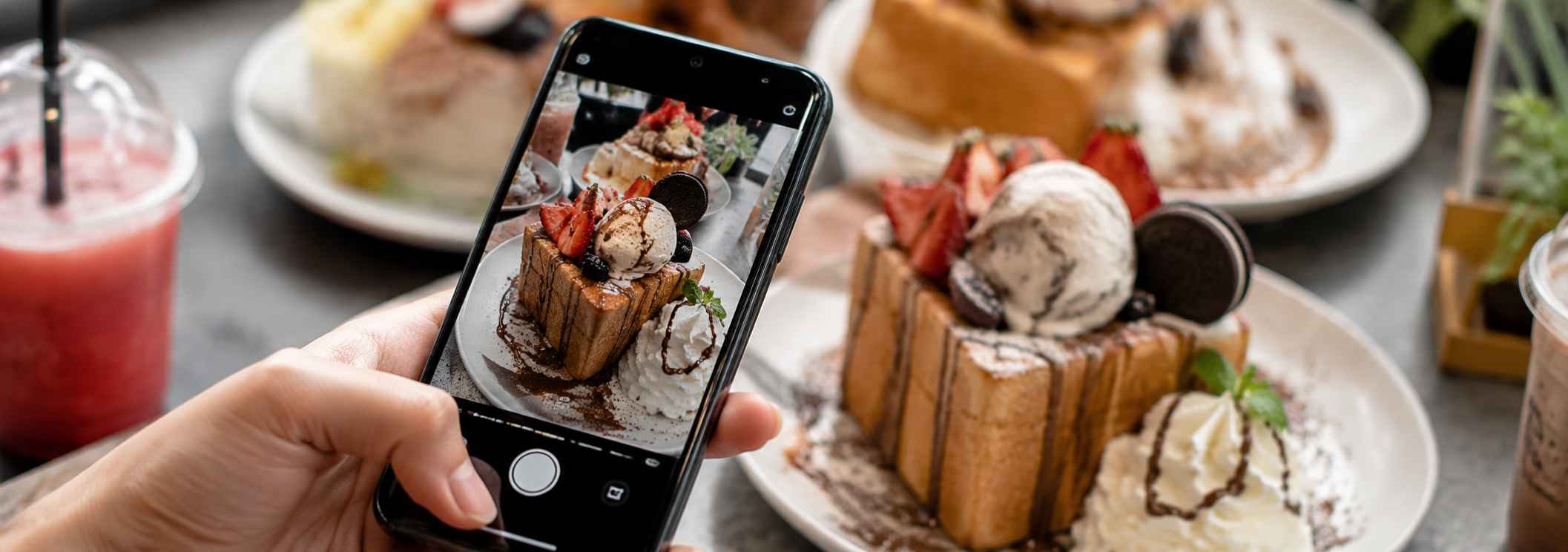
Understanding the Viral Phenomenon
What propels a food item from obscurity to global recognition? Several factors converge. Visual appeal is paramount; a photogenic dish is a prerequisite for Instagram and TikTok stardom. Simplicity and novelty often play key roles. Does it offer a unique twist on a familiar favorite, or is it an entirely new, intriguing concept? Accessibility is another driver. If a dish can be replicated at home with readily available ingredients or is offered at accessible price points, its virality is amplified.
The influence of social media algorithms cannot be overstated. Platforms are designed to surface content that garners high engagement: likes, shares, comments, and saves. A dish that sparks conversation or elicits strong emotional responses – be it delight, curiosity, or even skepticism – is more likely to be pushed to a wider audience. Food bloggers, influencers, and everyday users sharing their experiences create a snowball effect, rapidly disseminating the trend.
A Look at Recent Viral Sensations
The past few years have witnessed a fascinating array of viral foods. We've seen the rise of cloud bread, a surprisingly light and airy baked good made with egg whites and cream cheese, lauded for its low carb count. The 'baked feta pasta' took the internet by storm, a simple yet decadent dish that promised minimal effort for maximum flavor, requiring just a block of feta, cherry tomatoes, olive oil, and pasta.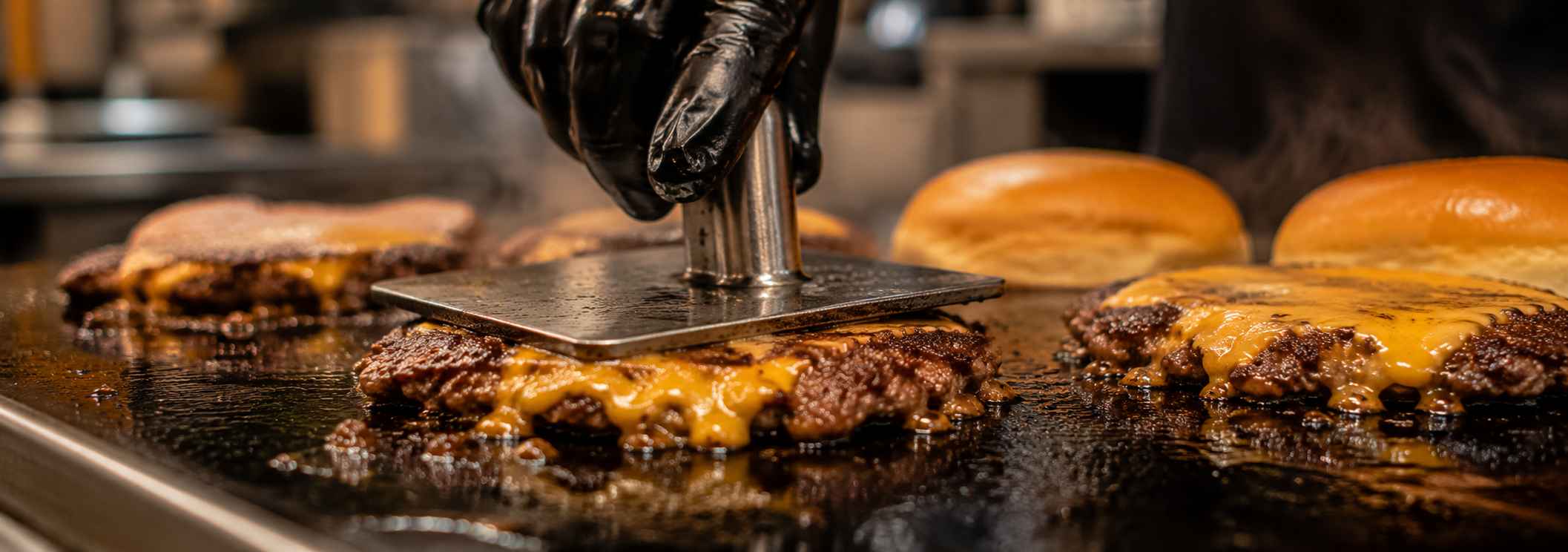
More recently, 'nature's cereal' gained traction, a seemingly healthy breakfast bowl composed of mixed berries, pomegranate seeds, and served with a slice of lemon or lime. This trend highlighted a desire for natural, unprocessed ingredients. On the more indulgent side, elaborate milkshakes topped with entire cakes, cookies, and other confections have become a staple of viral food content, showcasing extreme decadence and visual spectacle.
The 'smash burger' also experienced a surge in popularity, featuring thin patties intentionally 'smashed' onto a hot griddle to create a superior crust and maximize Maillard reaction. This trend emphasized texture and flavor over traditional burger thickness.
The Lifecycle and Legacy of Viral Foods
The lifecycle of a viral food is often a rollercoaster. What begins as an exciting discovery can, with overexposure, become almost passé. As more people attempt to recreate or consume the viral item, its novelty can wane. Furthermore, the internet's insatiable appetite for the *next big thing* means that viral trends are frequently superseded by newer, even more eye-catching or intriguing culinary concepts.
However, the legacy of viral foods extends beyond their fleeting fame. They often introduce new techniques, ingredients, or combinations to a broader audience, influencing home cooks and even professional chefs. The 'baked feta pasta,' for instance, might have introduced many to the magic of oven roasting tomatoes for sauce. Cloud bread might have inspired further exploration into alternative baking methods.
Navigating the Viral Landscape
For consumers, embracing viral foods can be a fun way to experiment with new flavors and cooking methods. It’s an opportunity to participate in a shared cultural moment and discover hidden gems. However, it's also wise to approach these trends with a balanced perspective. Not every viral sensation is a culinary revelation, and personal taste remains the ultimate arbiter of deliciousness.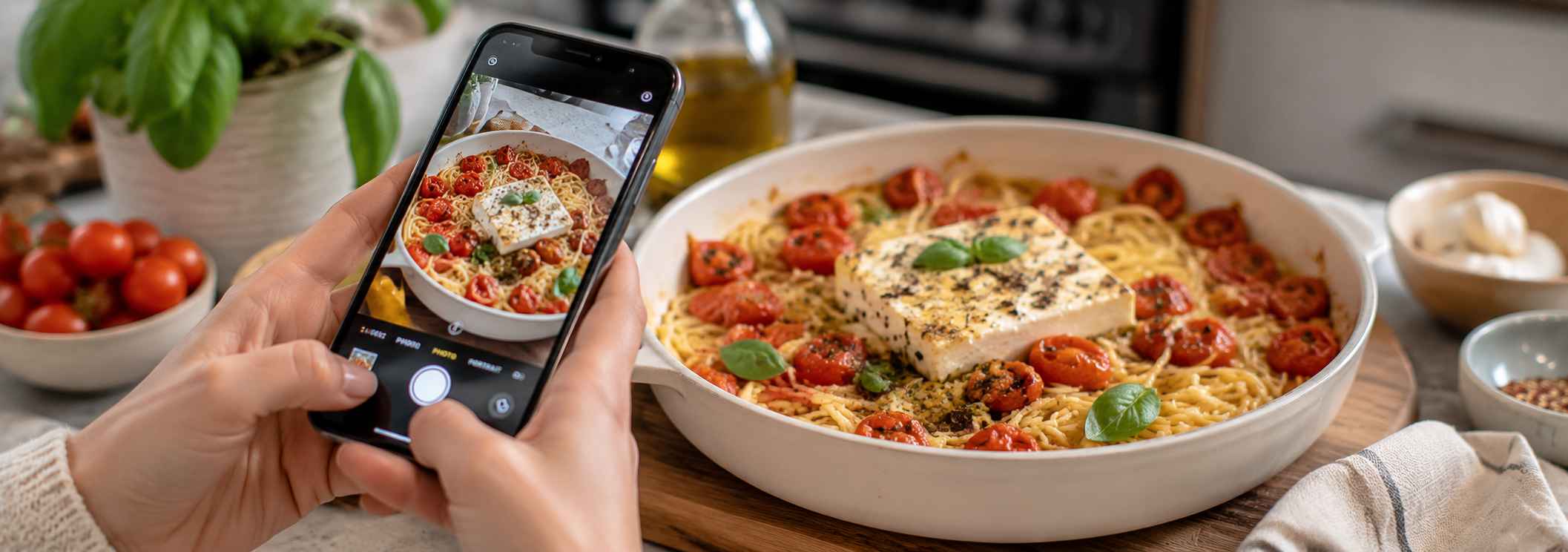
For food businesses, identifying and capitalizing on viral trends can offer significant marketing advantages. However, it requires agility and authenticity. Trying to force a trend or capitalize on something that doesn't align with a brand's identity can backfire. The most successful integrations of viral foods often feel organic and innovative.
Viral foods are a fascinating reflection of our interconnected digital age and our enduring love affair with food. They demonstrate the power of social media to shape consumer behavior and introduce us to culinary curiosities. While their time in the spotlight may be brief, their influence on our kitchens and dining experiences is a testament to the dynamic and ever-changing nature of food trends.
Most Popular









Anaya
comment1