



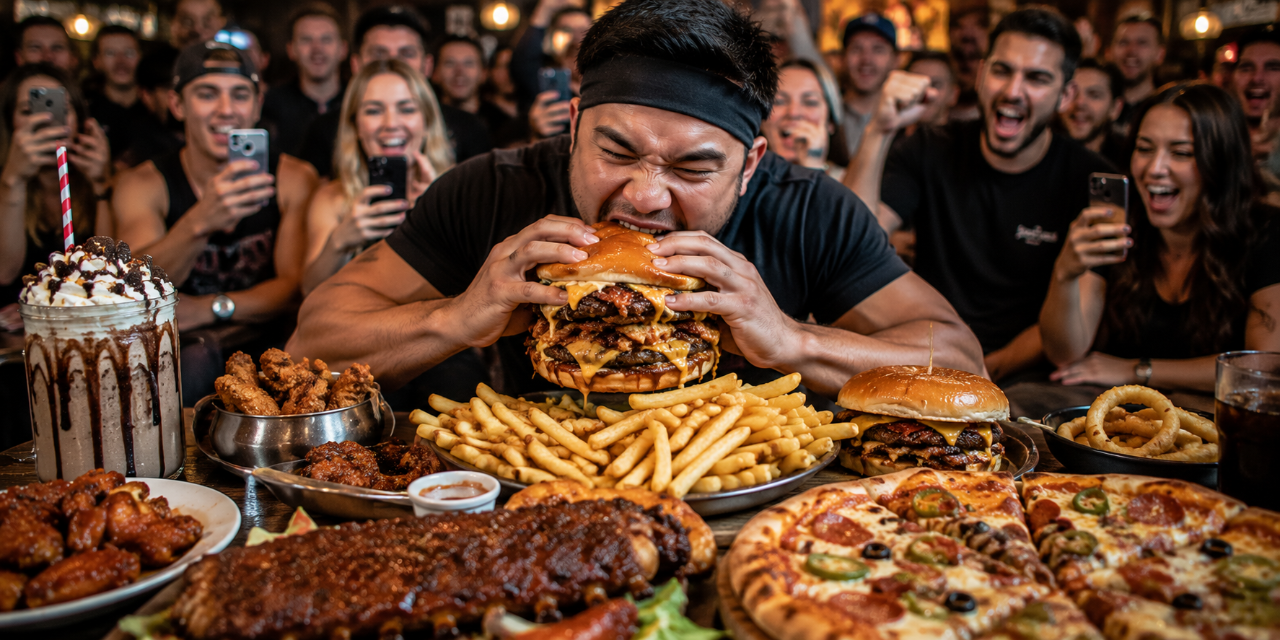
In recent years, food challenges have exploded in popularity, transitioning from niche events for the exceptionally brave or hungry to a global phenomenon fueled by social media and the desire for unique experiences. These challenges, ranging from consuming impossibly spicy dishes to devouring massive portions, have captured the attention of millions, sparking conversations and influencing dining trends. But beyond the spectacle, what is the true impact of these culinary gauntlets on the food industry and the way we perceive food?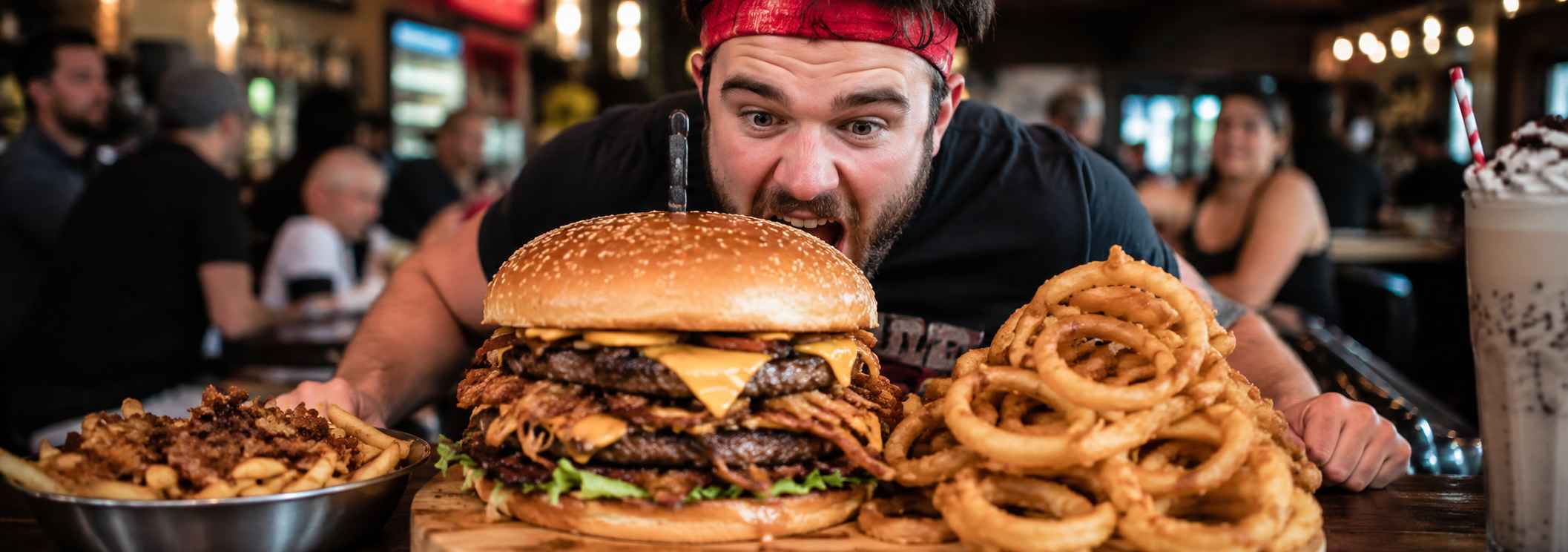
The Psychology Behind Food Challenges
At their core, food challenges tap into a primal human drive: the desire to push boundaries and achieve something extraordinary. For participants, it's a test of physical and mental endurance, a chance to gain recognition, and often, a social activity. The shared experience of attempting a difficult dish, whether in person or by watching online, creates a sense of community and shared accomplishment. For viewers, these challenges offer entertainment, vicarious thrills, and a glimpse into extreme aspects of gastronomy. The visual nature of these feats, especially when amplified by platforms like YouTube and TikTok, makes them inherently shareable and addictive.
Impact on Restaurants and the Food Industry
Restaurants have increasingly embraced food challenges as a marketing tool. A well-designed challenge can generate significant buzz, attracting adventurous eaters and curious patrons alike. These events can drive foot traffic, boost sales, and create memorable brand experiences. For some establishments, a signature food challenge has become a defining element of their identity. However, this trend is not without its critics. Concerns have been raised about the potential health risks associated with extreme eating challenges, particularly those involving high levels of spice or enormous quantities of food. Responsible restaurateurs are mindful of these concerns, often implementing safety measures and ensuring participants are aware of the risks involved. The focus can also shift from the quality and artistry of food to sheer volume or heat, potentially devaluing the culinary experience for some.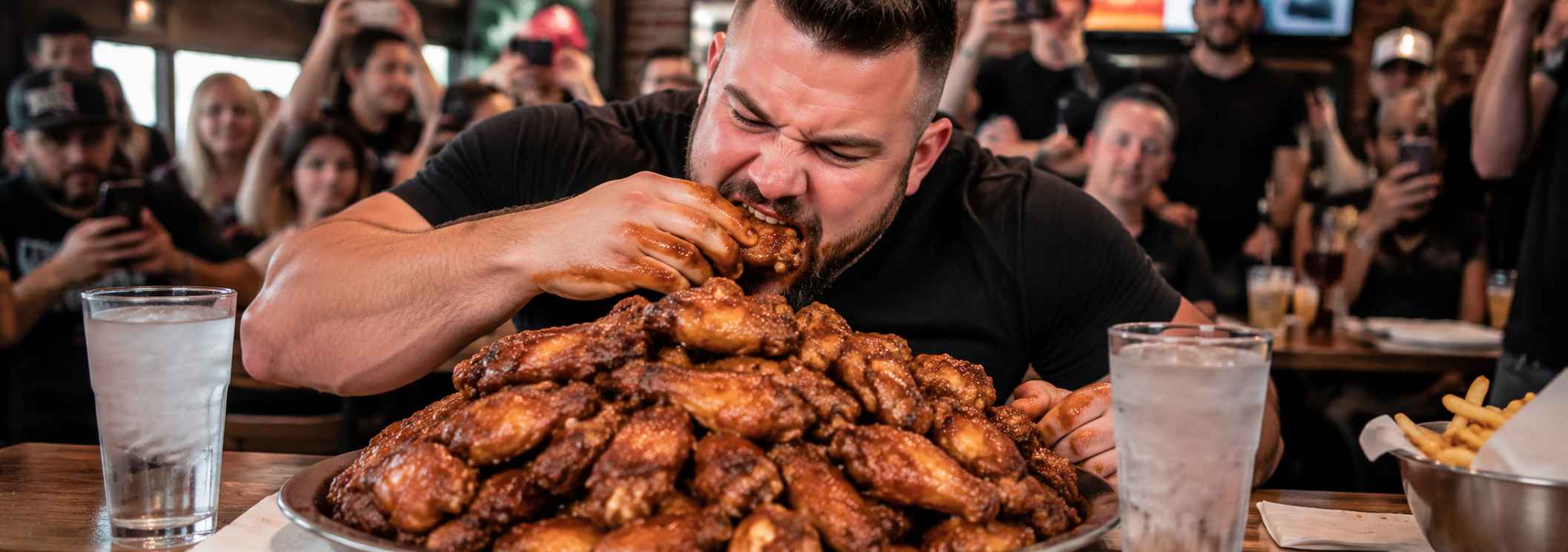
The Culinary Evolution
While some challenges focus on extremity, others inspire genuine culinary innovation. The quest to create dishes that are both formidable and palatable pushes chefs to be creative with ingredients, flavor profiles, and presentation. The demand for unique and shareable food experiences also encourages restaurants to experiment with more adventurous menu items, even outside of formal challenges. This can lead to the development of new signature dishes and a more dynamic dining scene. Furthermore, the viral nature of food challenges can introduce diverse cuisines and ingredients to a wider audience, fostering a greater appreciation for global flavors.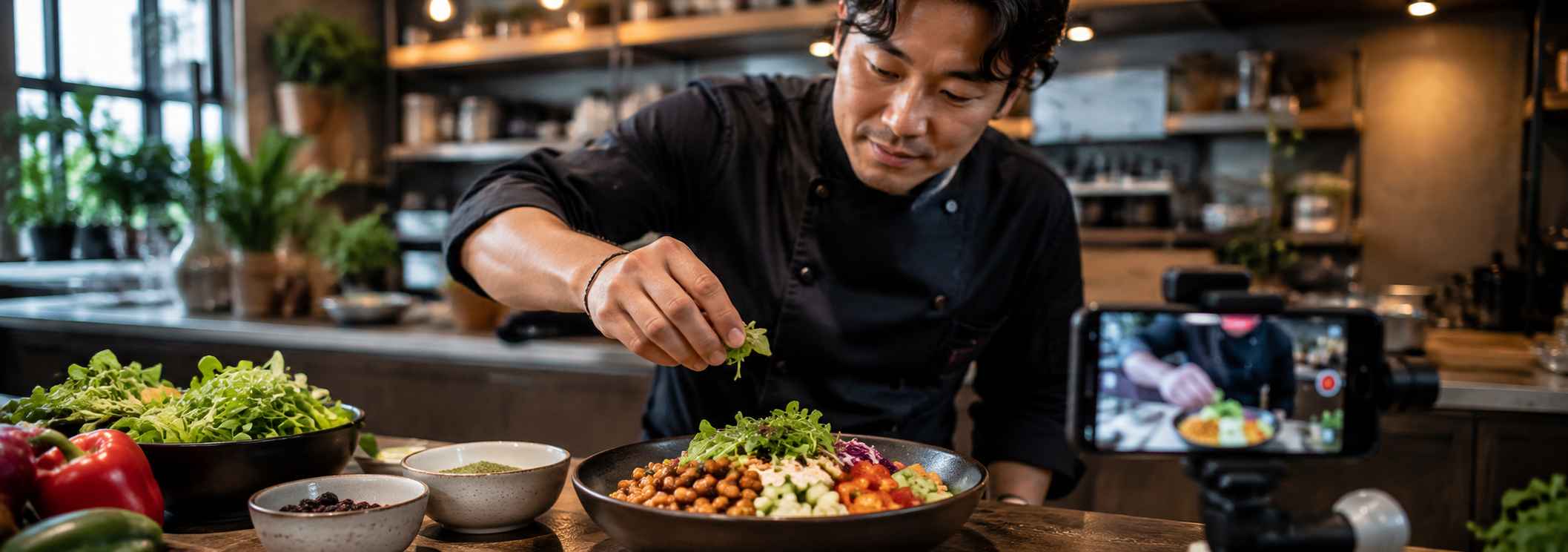
Navigating the Future of Food Challenges
As food challenges continue to evolve, the focus may shift towards more sustainable and health-conscious approaches. We might see a rise in challenges that emphasize nutrient density, mindful eating, or the consumption of unusual but healthy ingredients. The key will be to balance the entertainment value and the desire for novelty with responsible practices and a genuine appreciation for food. Ultimately, food challenges, when approached thoughtfully, can be a powerful force for engagement, innovation, and community within the vast and ever changing world of food.

Most Popular









Anaya
comment1