



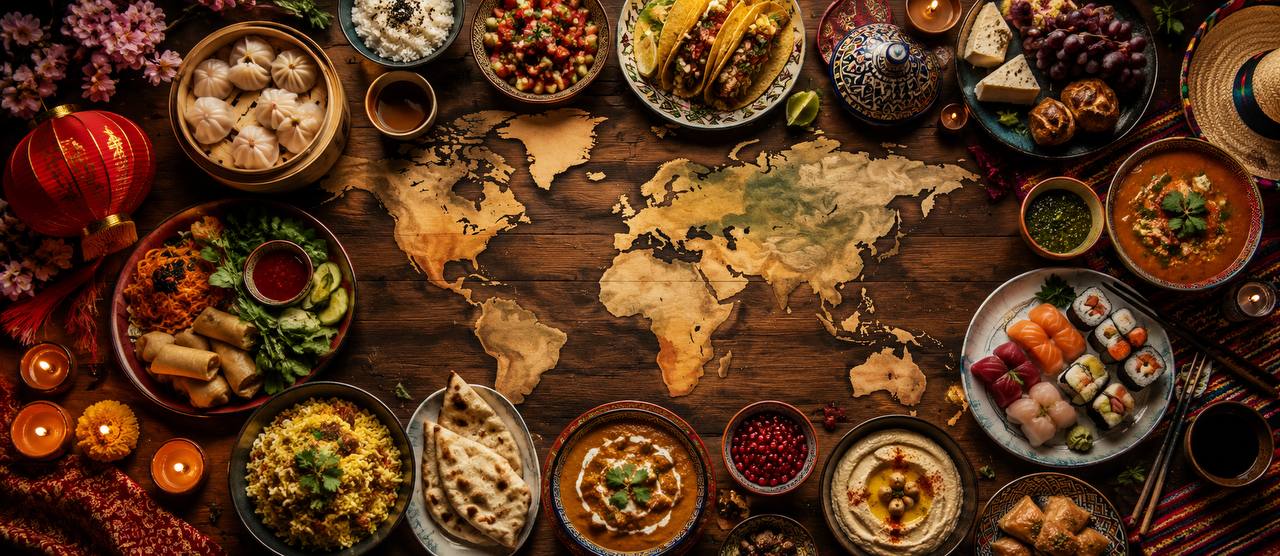
Food. It's more than just sustenance; it's a vibrant thread woven into the fabric of every culture. From ancient rituals to modern festivities, the way we celebrate often revolves around the sharing of delicious meals. Think about it – what comes to mind when you picture a holiday or a special occasion? Chances are, a specific dish or a communal feast is right there. This is because food is a universal language, a powerful way for us to connect with our heritage, our loved ones, and the very essence of our identity. In this post, we're going to embark on a culinary journey around the globe, exploring how different cultures express their joy, commemorate significant events, and honor their traditions through the magic of food.
The Comfort of Home
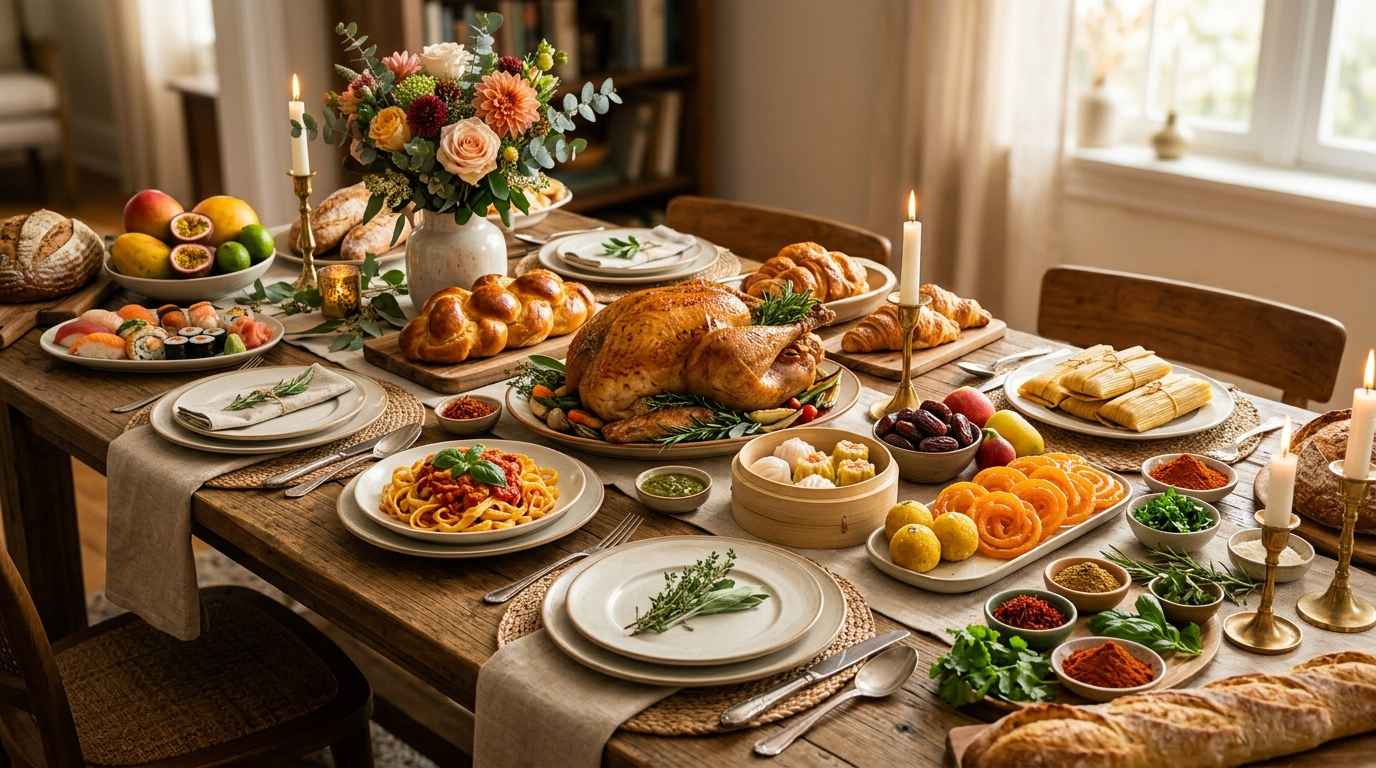
For many of us, the most cherished food celebrations are those rooted in our own families and communities. Think of Thanksgiving in the United States, where the centerpiece is undeniably the roasted turkey, surrounded by an array of comforting side dishes like mashed potatoes, stuffing, and cranberry sauce. It's a meal that evokes warmth, gratitude, and togetherness. Similarly, in Italy, family is paramount, and Sundays are often dedicated to elaborate, multi-course meals featuring homemade pasta, rich sauces, and regional specialties. These aren't just meals; they are carefully crafted experiences that reinforce family bonds and pass down culinary traditions from one generation to the next. The act of preparing and sharing these familiar foods becomes a ritual in itself, a tangible link to our past and a promise for the future.
Festivals of Faith
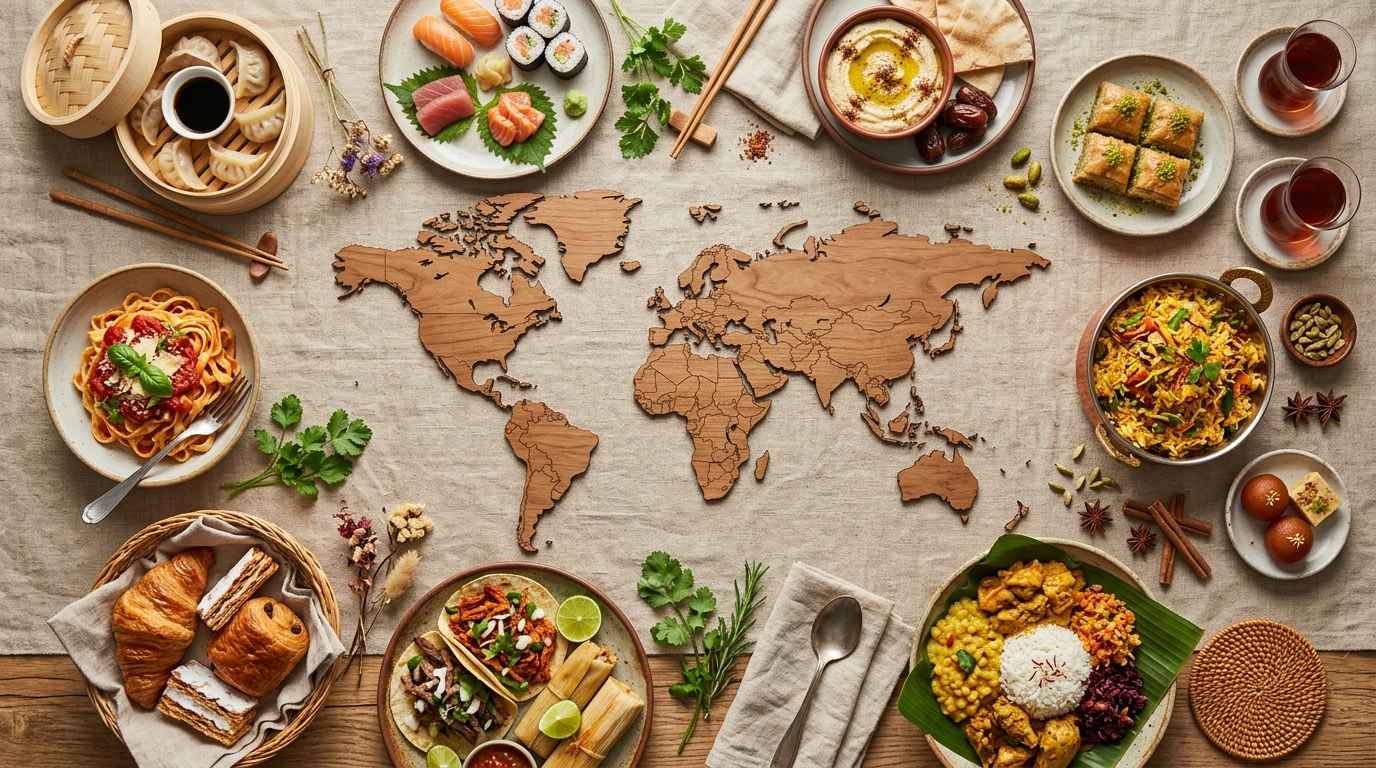
Religion plays a profound role in shaping cultural food traditions. During Ramadan, Muslims fast from dawn till dusk, breaking their fast with Iftar meals that are often communal and feature dates, rich pastries, and hearty stews. These meals are not just about satisfying hunger but also about spiritual reflection and community support. In Judaism, the Sabbath meal is a time for family to gather and enjoy traditional dishes like challah bread and gefilte fish, symbolizing rest and spiritual renewal. Likewise, Hindu festivals like Diwali are celebrated with an abundance of sweets and savory snacks, each with its own symbolic meaning, often prepared collectively by family members. These religiously significant foods are more than just ingredients; they are imbued with spiritual meaning and connect adherents to their faith in a deeply personal way.
Milestones & memories
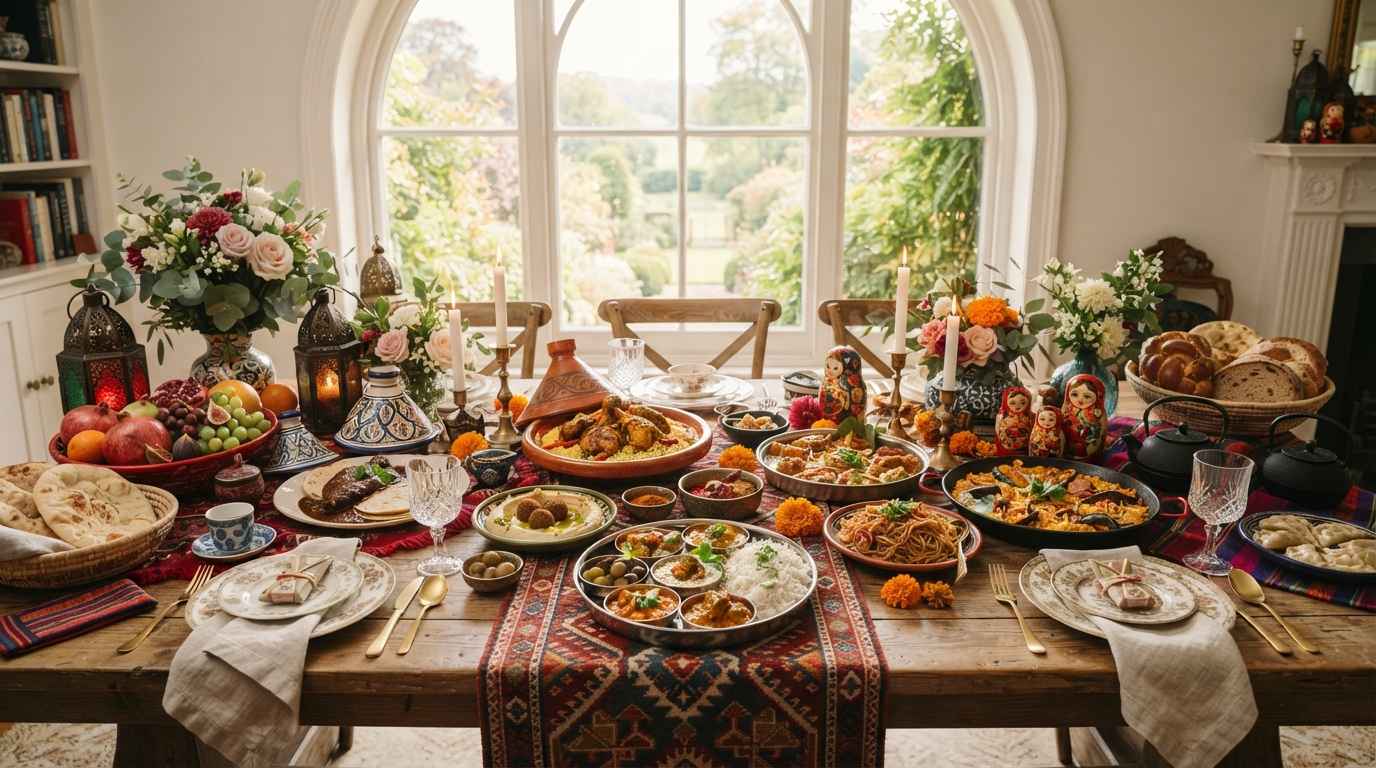
Life's major milestones are almost universally marked with food. Weddings are a prime example. In many cultures, the wedding cake is a central symbol, its cutting signifying the couple's first shared act as a married unit. From the elaborate multi-tiered cakes of Western weddings to the sweet, symbolic treats found in Indian or Chinese ceremonies, the wedding feast is an integral part of the celebration, offering guests a taste of the couple's heritage and a joyous communal experience. Similarly, birthdays, anniversaries, and even graduations are often accompanied by special meals, whether it's a lively backyard barbecue or an elegant restaurant dinner. These events become etched in our memories, and the accompanying food often plays a significant role in that recollection.
Global Flavors, Universal Joy
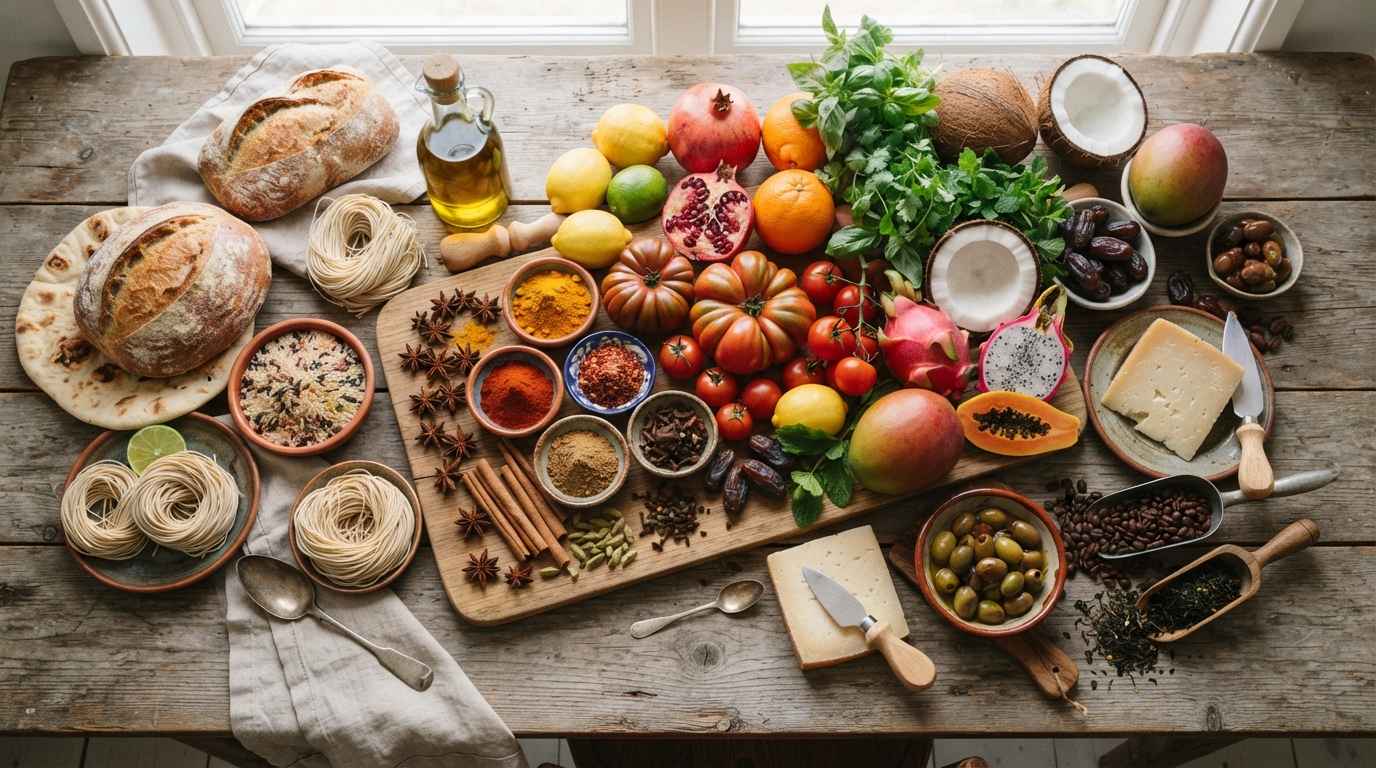
Beyond our immediate circles, the world offers an incredible tapestry of food celebrations. Lunar New Year in China, for instance, is a time for lavish banquets featuring dishes like dumplings (symbolizing wealth) and fish (symbolizing abundance). In Mexico, Day of the Dead celebrations are incomplete without pan de muerto (bread of the dead) and vibrant papel picado decorating tables laden with traditional mole and tamales. Even seemingly simple holidays can have unique culinary traditions. In Scotland, Hogmanay (New Year's Eve) is often celebrated with a hearty supper, and the tradition of 'first footing' might involve bringing food or drink to a neighbor's home. These diverse celebrations showcase the incredible ingenuity and creativity that cultures bring to their culinary traditions, all united by the common thread of shared joy and connection.
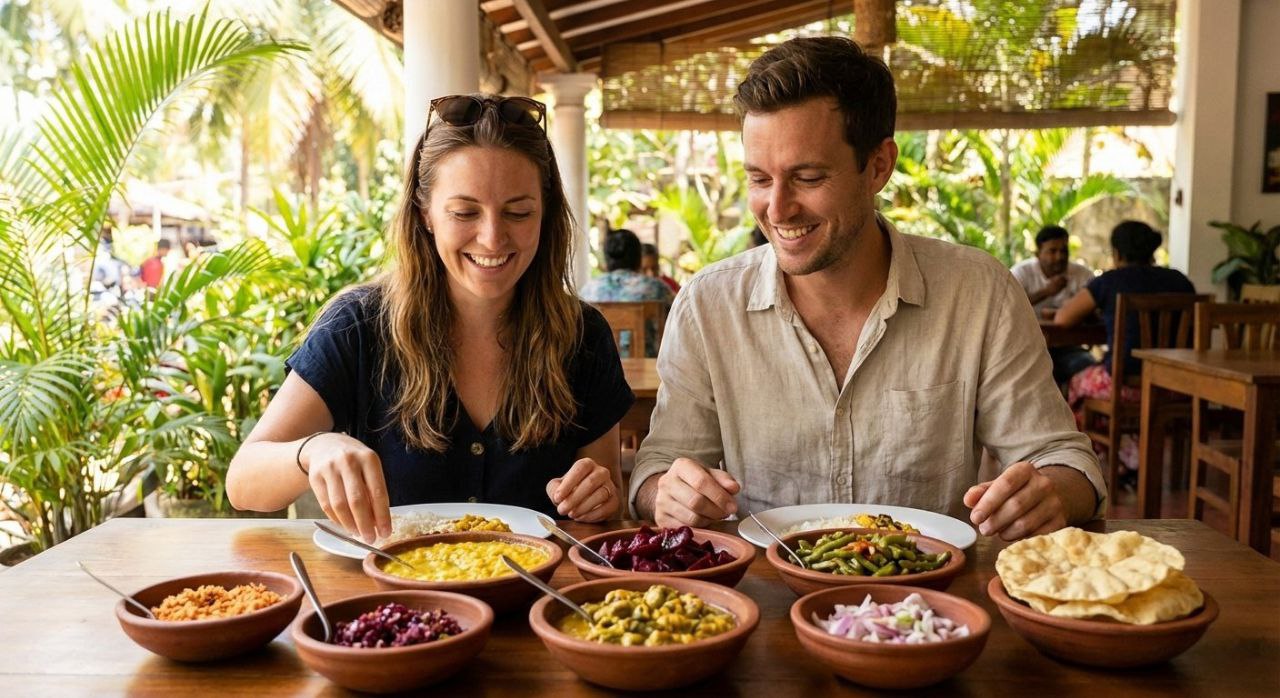
A Conclusions we've seen, food is a powerful connector. It's a way to honor our ancestors, strengthen our family ties, express our faith, and mark the passage of time. Whether it's a humble home-cooked meal shared with loved ones or an elaborate feast at a grand celebration, the act of eating together fosters a sense of belonging and shared experience. The next time you sit down to a meal that marks a special occasion, take a moment to appreciate the rich cultural history and the heartfelt traditions that have brought that food to your table. It's a reminder that in a world that can often feel divided, food has the remarkable ability to bring us all together, one delicious bite at a time.
Most Popular








Anaya
comment1