



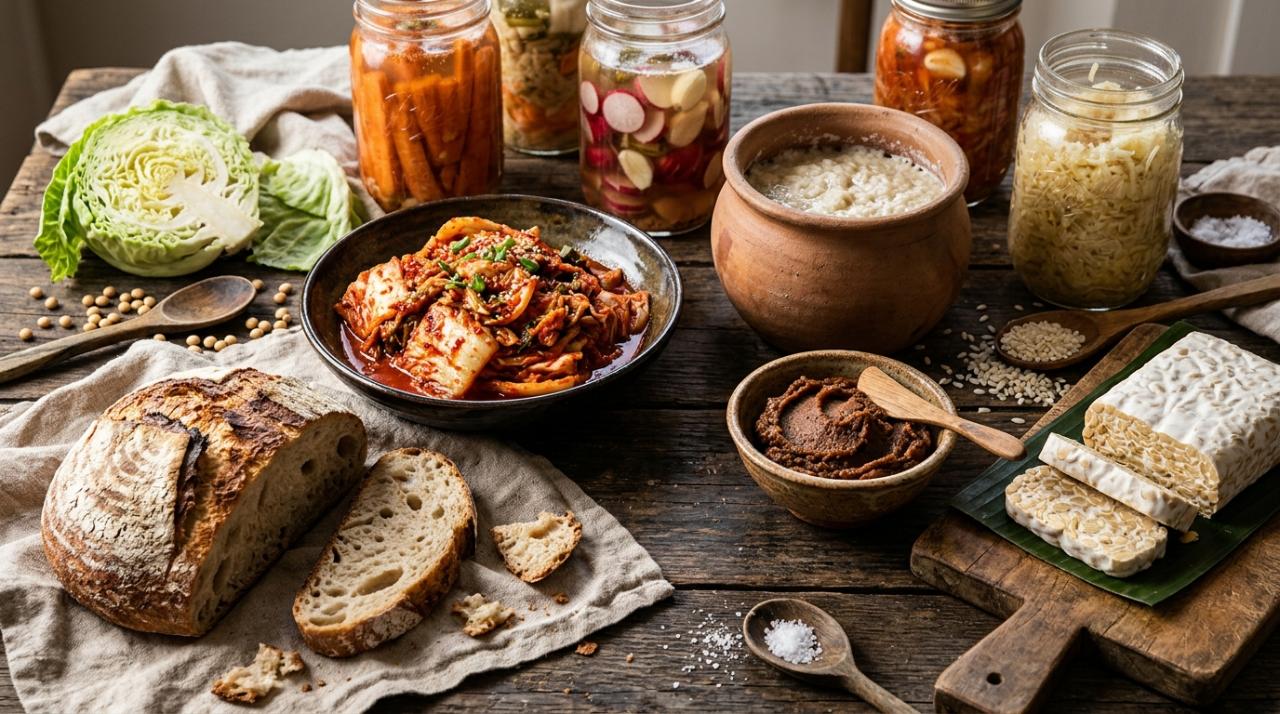
Fermentation is one of the oldest food traditions in the world, transforming everyday ingredients into foods with distinctive flavours, aromas, and textures. Long before refrigerators, supermarkets, and modern food-processing technologies became common, people used fermentation to preserve seasonal ingredients and make food last longer.
Today, traditional fermented foods are attracting renewed interest among home cooks, chefs, and food lovers looking for authentic flavours and time-honoured cooking techniques. From tangy fermented vegetables to sourdough bread and traditional rice-based preparations, fermentation connects modern kitchens with centuries of culinary knowledge.
But what makes fermented foods so fascinating? The secret lies in the invisible activity of microorganisms that transform sugars and other compounds into acids, gases, and aromatic substances. The result can be surprisingly complex, creating flavours that are difficult to reproduce through ordinary cooking alone.
Let's explore ten traditional fermented foods and discover why these ancient favourites deserve a place at the modern table.
1. Kimchi: Korea's Bold and Tangy Treasure
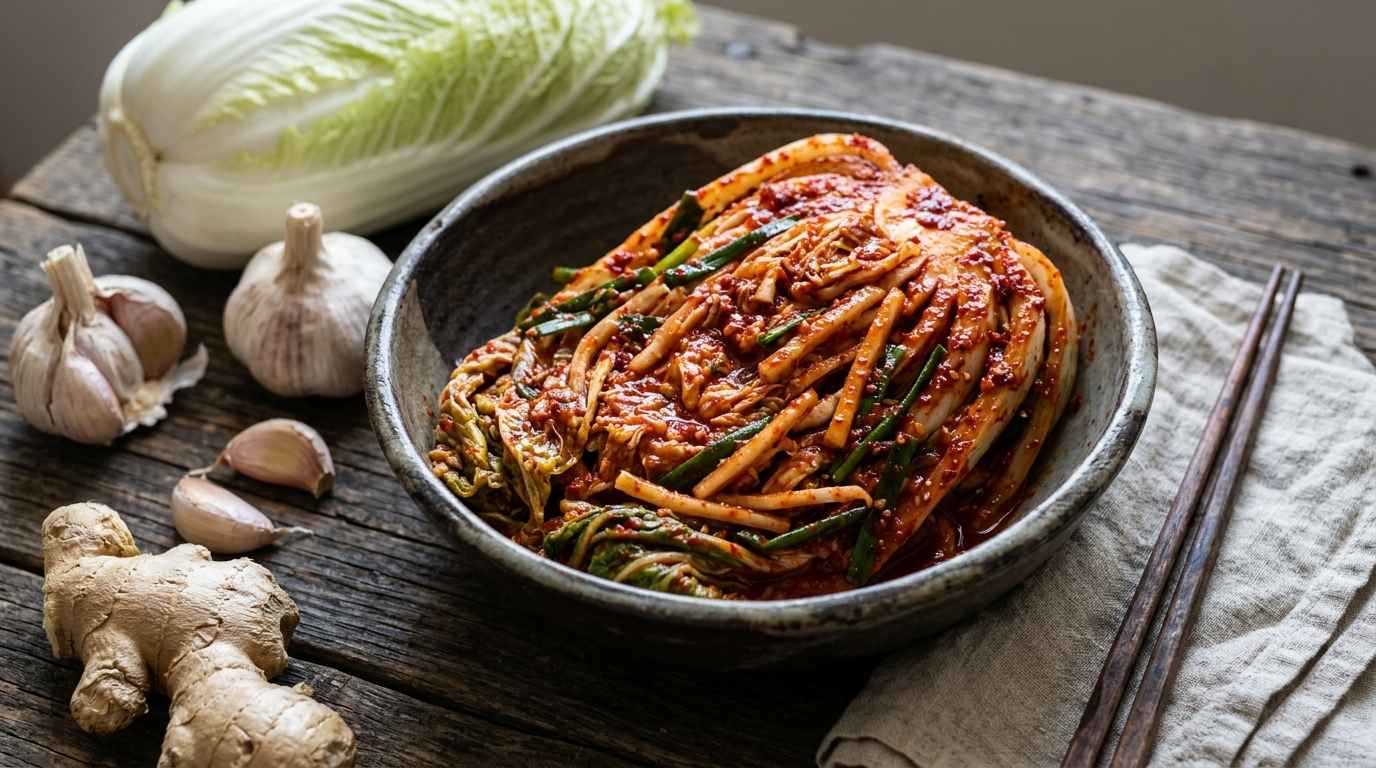
Kimchi is one of the world's best-known fermented foods. Originating in Korea, it is commonly prepared using napa cabbage or radishes combined with salt, garlic, ginger, chilli, and other seasonings.
During fermentation, naturally occurring lactic acid bacteria convert available sugars into lactic acid. This process creates kimchi's characteristic sourness while helping develop its distinctive aroma and complex flavour.
Kimchi can be eaten as a side dish or added to fried rice, noodles, soups, pancakes, and sandwiches. Its combination of heat, acidity, and savoury depth makes it a versatile ingredient.
Why it deserves attention: Kimchi demonstrates how fermentation can transform simple vegetables into a bold, flavour-packed food.
2. Sauerkraut: The European Art of Fermented Cabbage
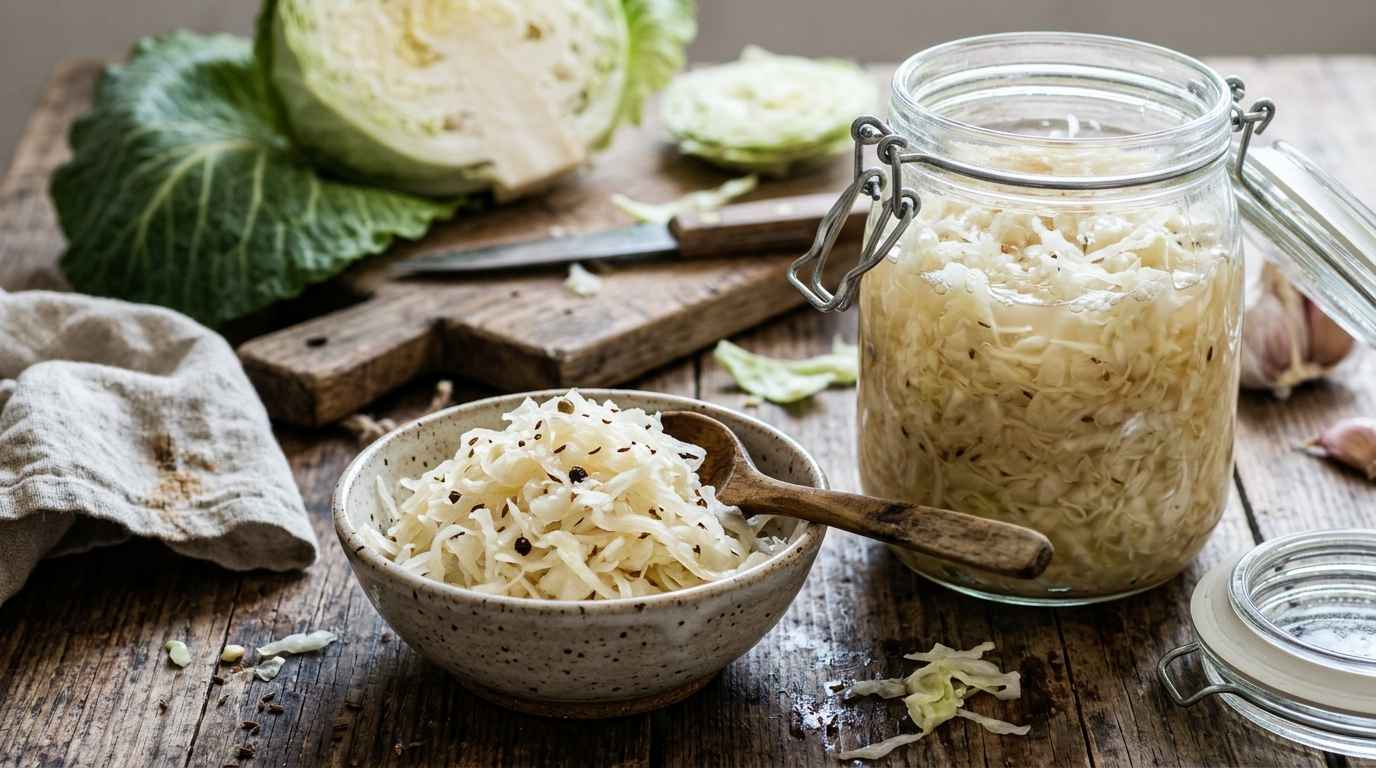
Sauerkraut is traditionally made by fermenting finely shredded cabbage with salt. Associated particularly with Central and Eastern European food traditions, it has been valued for its distinctive tang and usefulness in the kitchen.
As fermentation progresses, lactic acid bacteria produce acids that give sauerkraut its familiar sharp taste. The cabbage softens slightly while retaining some crunch when prepared and stored appropriately.
Sauerkraut pairs well with roasted vegetables, potatoes, sandwiches, sausages, and grain bowls. It can also provide a refreshing contrast to rich or fatty dishes.
Why it deserves attention: This simple preparation shows how a single vegetable can develop a new flavour profile through a carefully managed fermentation process.
3. Sourdough Bread: The Magic of Wild Yeast
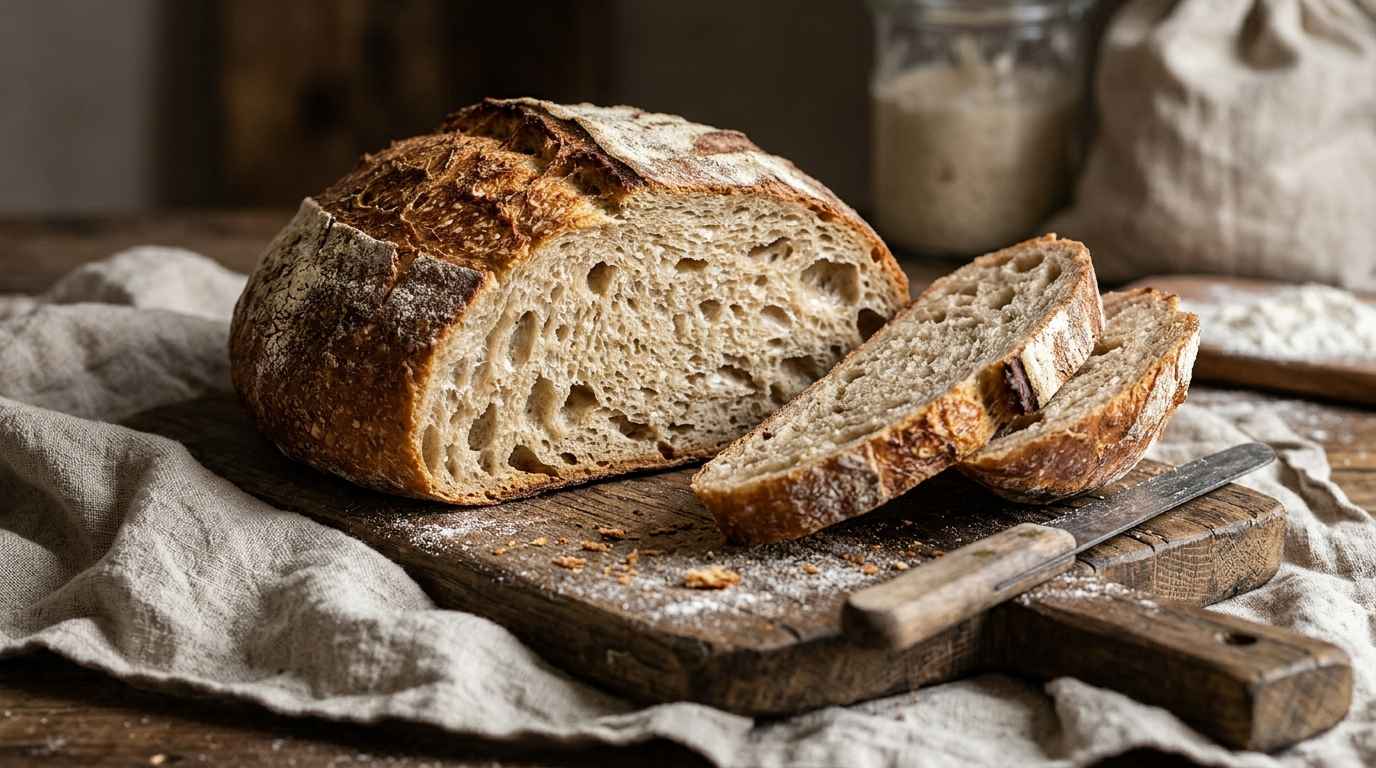
Sourdough bread is made using a starter containing wild yeasts and lactic acid bacteria. Instead of depending entirely on commercial baker's yeast, bakers maintain a living culture of flour and water.
The yeasts produce carbon dioxide, helping the dough rise, while bacteria contribute organic acids and other flavour compounds. Together, these microorganisms help create sourdough's characteristic tang, open crumb, and crisp crust.
Fermentation time, flour type, temperature, and starter activity all influence the finished loaf. This makes sourdough both a traditional craft and a fascinating area of experimentation for home bakers.
It can be enjoyed fresh, toasted, or served alongside soups, salads, and savoury spreads.
Why it deserves attention: Sourdough turns two basic ingredients into bread with remarkable depth and character.
4. Idli and Dosa Batter: South India's Fermented Kitchen Tradition
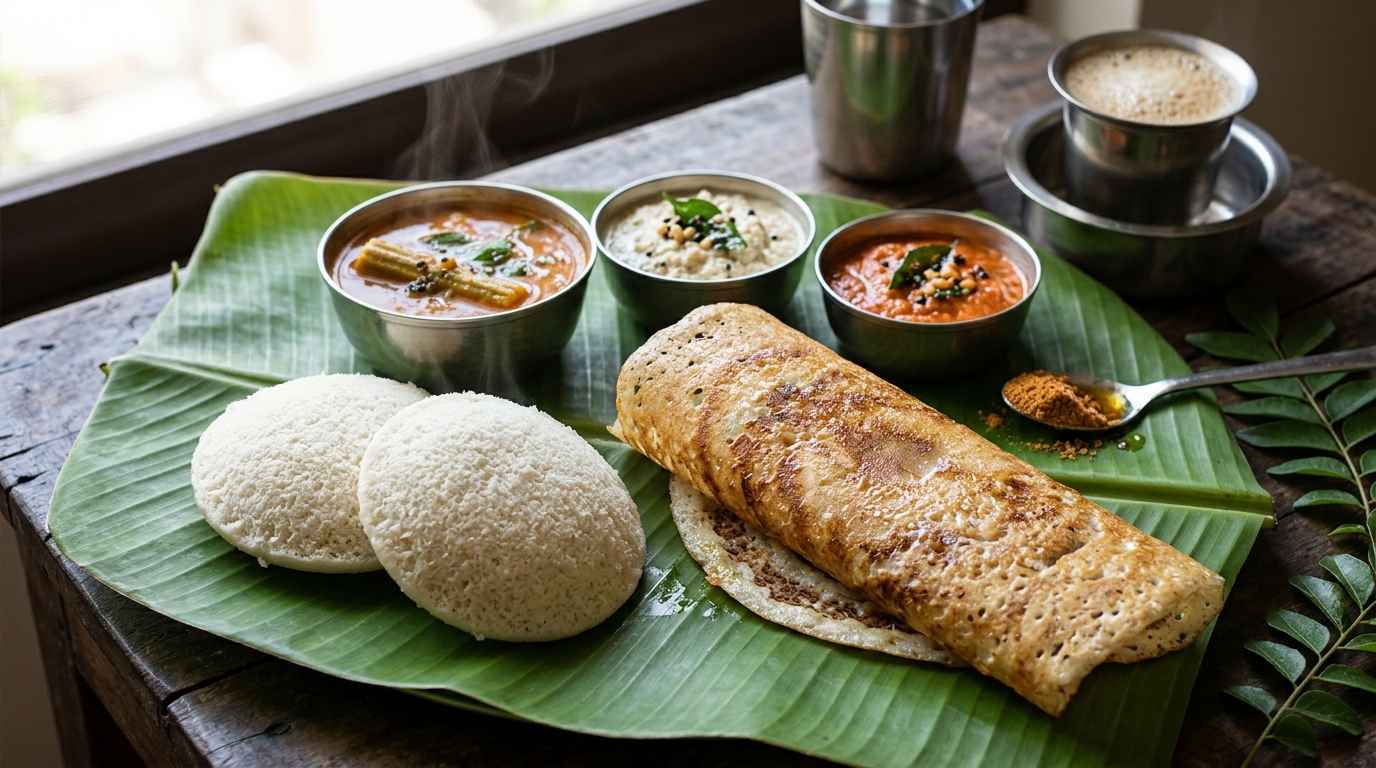
Idli and dosa are beloved South Indian foods prepared from batters commonly made with rice and urad dal, or split black gram. Traditional preparation involves soaking the ingredients, grinding them with water, and allowing the batter to ferment.
During fermentation, microorganisms help develop acidity and change the batter's properties. The resulting batter can be steamed into soft idlis or spread across a hot griddle to make thin, crisp dosas.
These foods are commonly served with coconut chutney, sambar, and other accompaniments. Their flavours and textures vary depending on the proportions of ingredients, climate, and fermentation conditions.
Why it deserves attention: Idli and dosa illustrate how fermentation plays an important role in everyday meals, not just speciality foods.
5. Tempeh: Indonesia's Protein-Rich Fermented Food
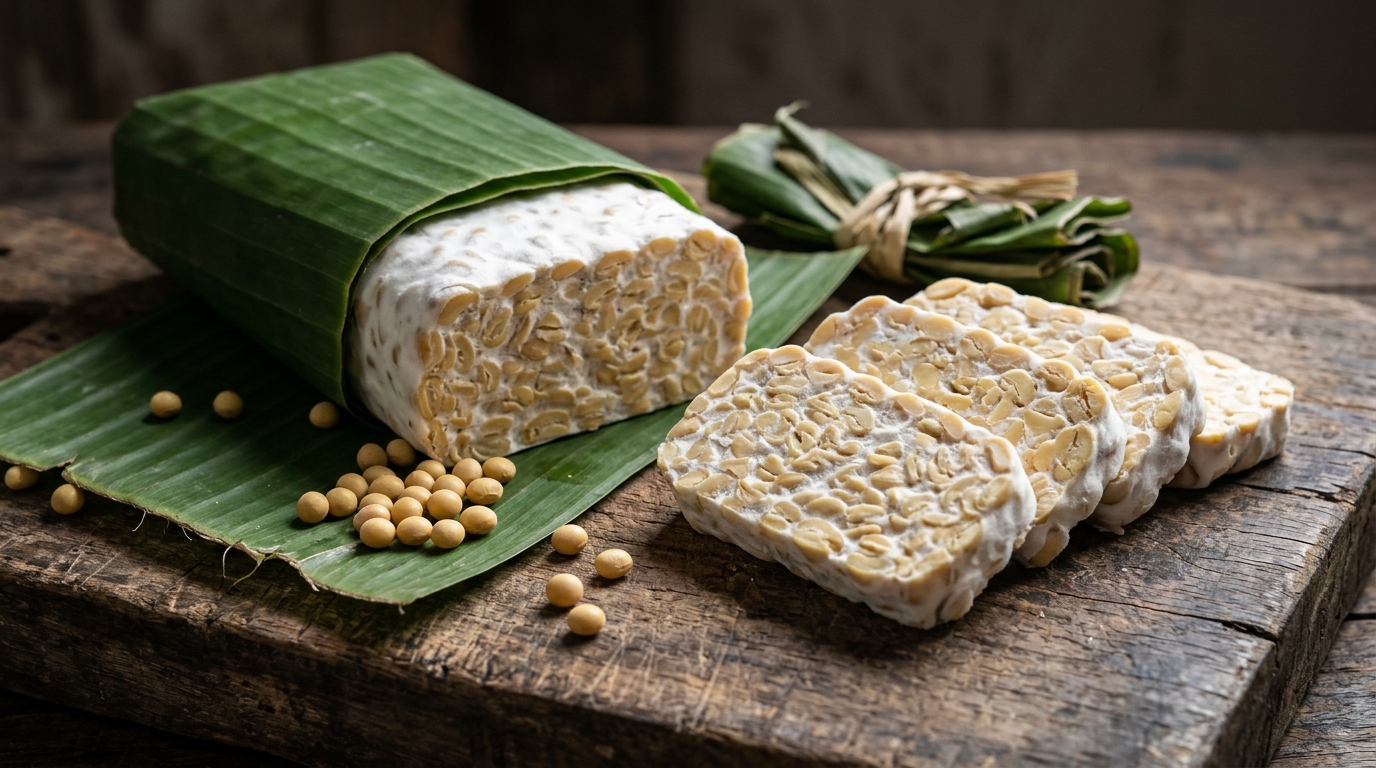
Tempeh originates from Indonesia and is traditionally produced by fermenting soybeans with a specific mould culture, commonly a species of Rhizopus.
During fermentation, the mould forms a network that binds the soybeans into a firm cake. The finished food has a nutty flavour and dense texture that works well in stir-fries, curries, salads, sandwiches, and grilled dishes.
Tempeh has become popular internationally, particularly in plant-based cooking, because it offers a versatile alternative to meat in many recipes.
Unlike kimchi or sauerkraut, which depend primarily on lactic acid bacteria, tempeh relies on a different type of fermentation involving mould.
Why it deserves attention: Tempeh highlights the diversity of fermentation techniques and how they can create entirely different textures from familiar ingredients.
6. Miso: Japan's Deeply Savoury Fermented Paste
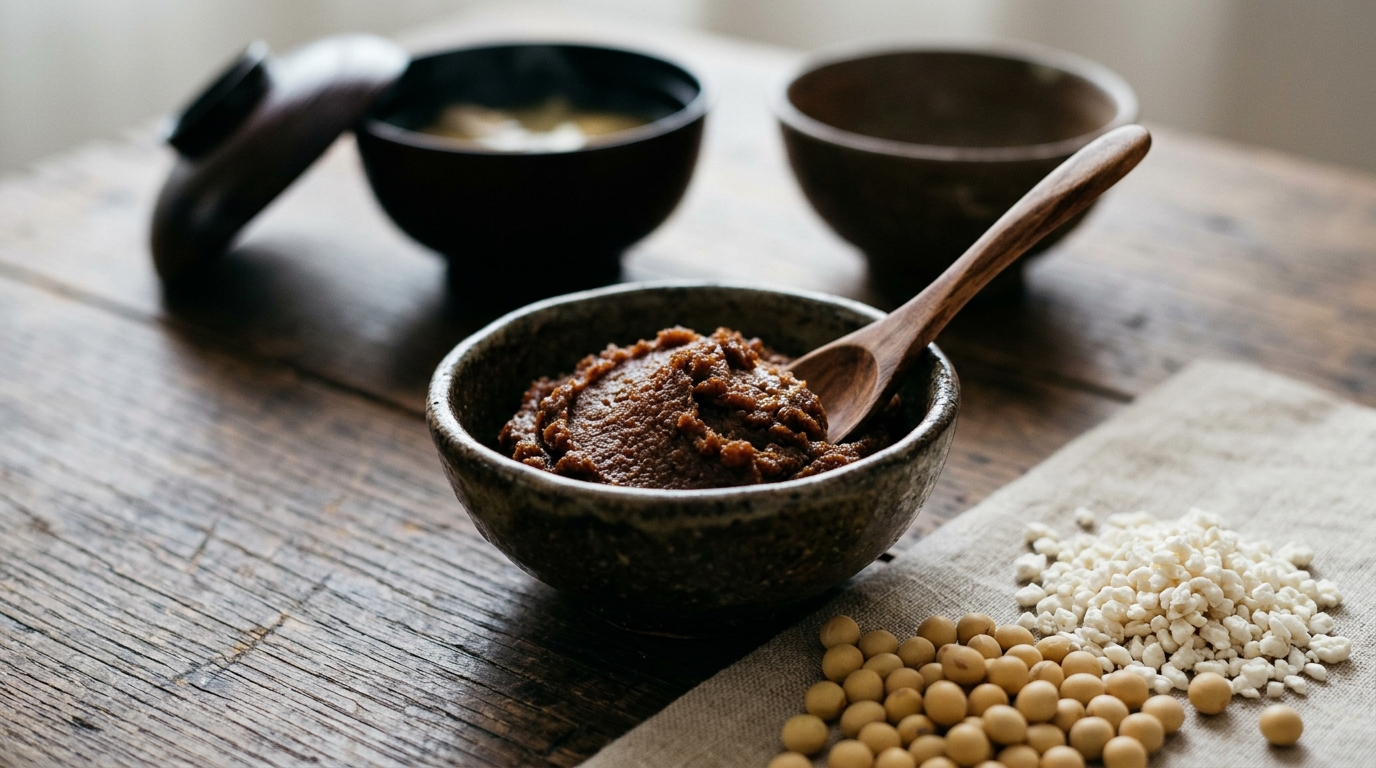
Miso is a traditional Japanese seasoning commonly made from soybeans, salt, and koji, a culture prepared using Aspergillus oryzae. Rice or barley may also be included, depending on the variety.
Koji enzymes break down proteins and carbohydrates, helping develop miso's distinctive savoury, salty, and sometimes sweet flavour. Different ingredients and maturation periods produce a wide range of colours and tastes.
Miso is widely used in soups, marinades, dressings, glazes, and sauces. A small amount can add depth to roasted vegetables, noodles, and broths.
Why it deserves attention: Miso shows how fermentation can create remarkable savoury complexity from relatively simple ingredients.
7. Traditional Fermented Rice: A Heritage Worth Exploring
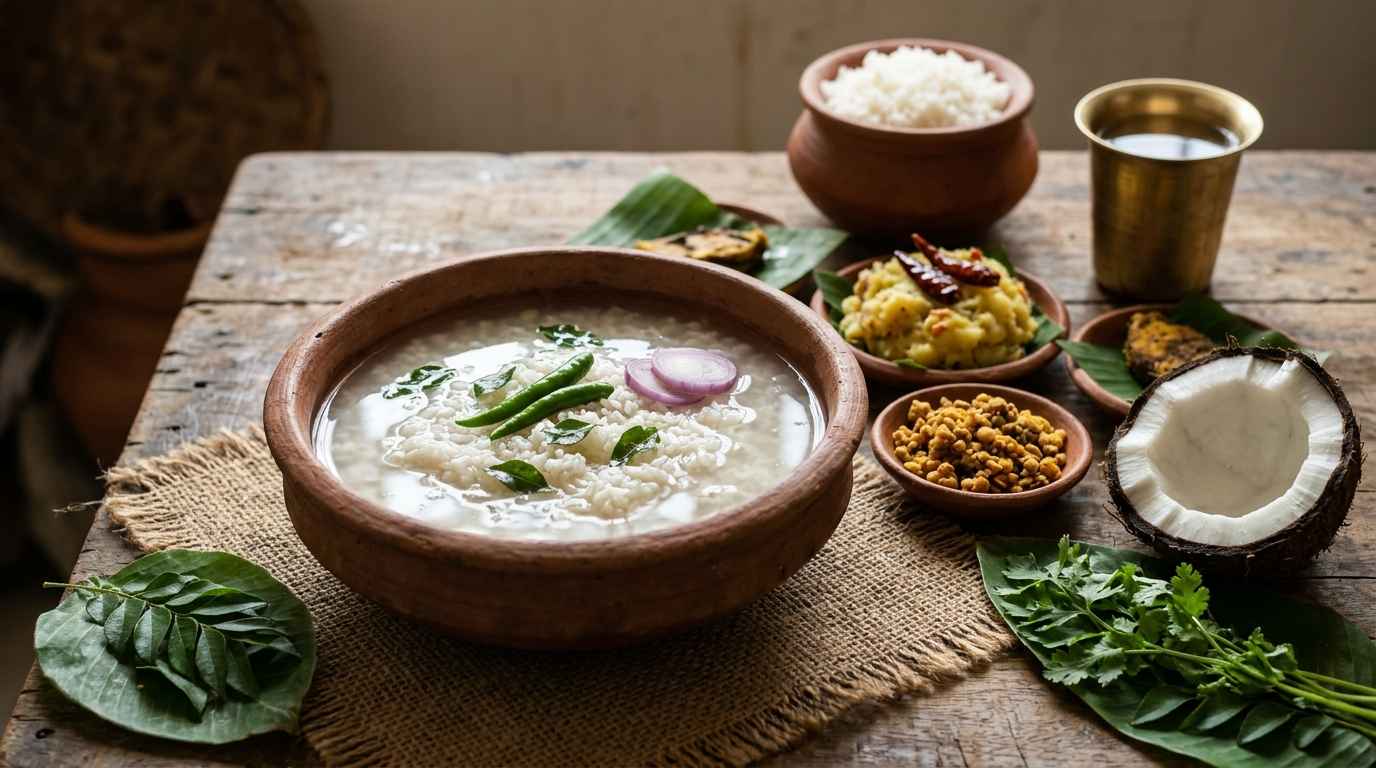
Fermented rice preparations appear in food traditions across South and Southeast Asia. Recipes vary considerably, with some communities soaking cooked rice overnight and others using more controlled fermentation methods.
In parts of India, preparations such as pazhaya soru are associated with leftover rice that is soaked and consumed the following day. Other regional rice ferments may use different ingredients and methods.
These foods can have a mild sourness and a soft texture, depending on how they are prepared. They also reflect a long-standing practice of making use of cooked rice rather than automatically discarding it.
However, rice requires particular care because cooked rice can support the growth of harmful bacteria if held at unsafe temperatures. Traditional soaking at room temperature is not automatically safe, and sourness alone cannot establish that a preparation is safe to eat. Follow a reliable, food-safe recipe and appropriate refrigeration guidance.
Why it deserves attention: Fermented rice traditions reveal the creativity of regional cooking and the importance of understanding both heritage and food safety.
8. Fermented Fish: A Powerful Flavour in Coastal Food Cultures
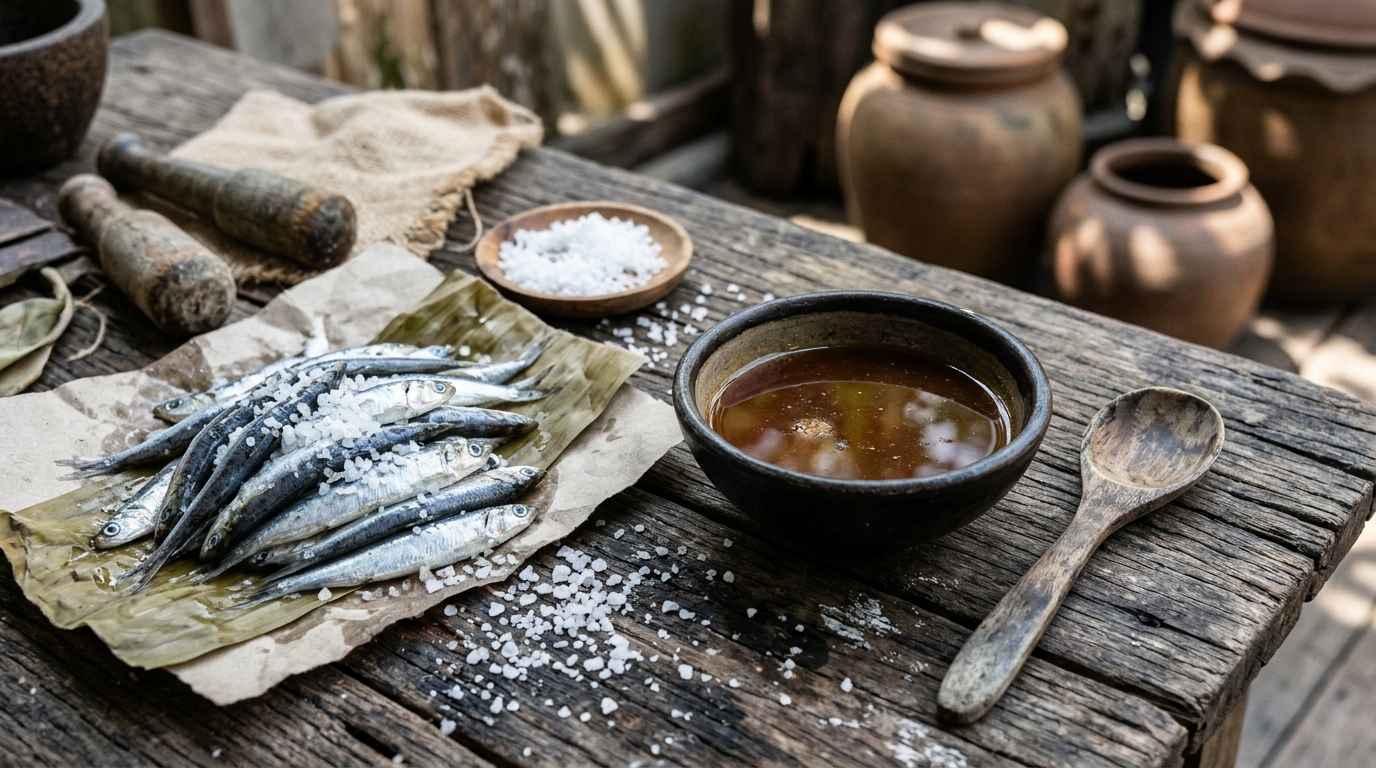
Fermented fish has a long history in many coastal regions, where communities developed methods to preserve fish and create distinctive seasonings.
Depending on the tradition, fish may be fermented with salt or processed into a concentrated sauce or paste. Examples include fish sauce in Southeast Asia and other regional fermented seafood preparations.
During fermentation, enzymes and microorganisms contribute to the development of savoury compounds, producing the deep umami flavour associated with many of these foods.
Small quantities can add complexity to soups, sauces, curries, marinades, and vegetable dishes. Recipes and production techniques differ widely, so products should be obtained from reliable producers.
Why it deserves attention: Fermented fish illustrates how local food traditions can turn seafood into concentrated ingredients with lasting culinary influence.
9. Fermented Coconut Sap: The Story Behind Traditional Palm Products
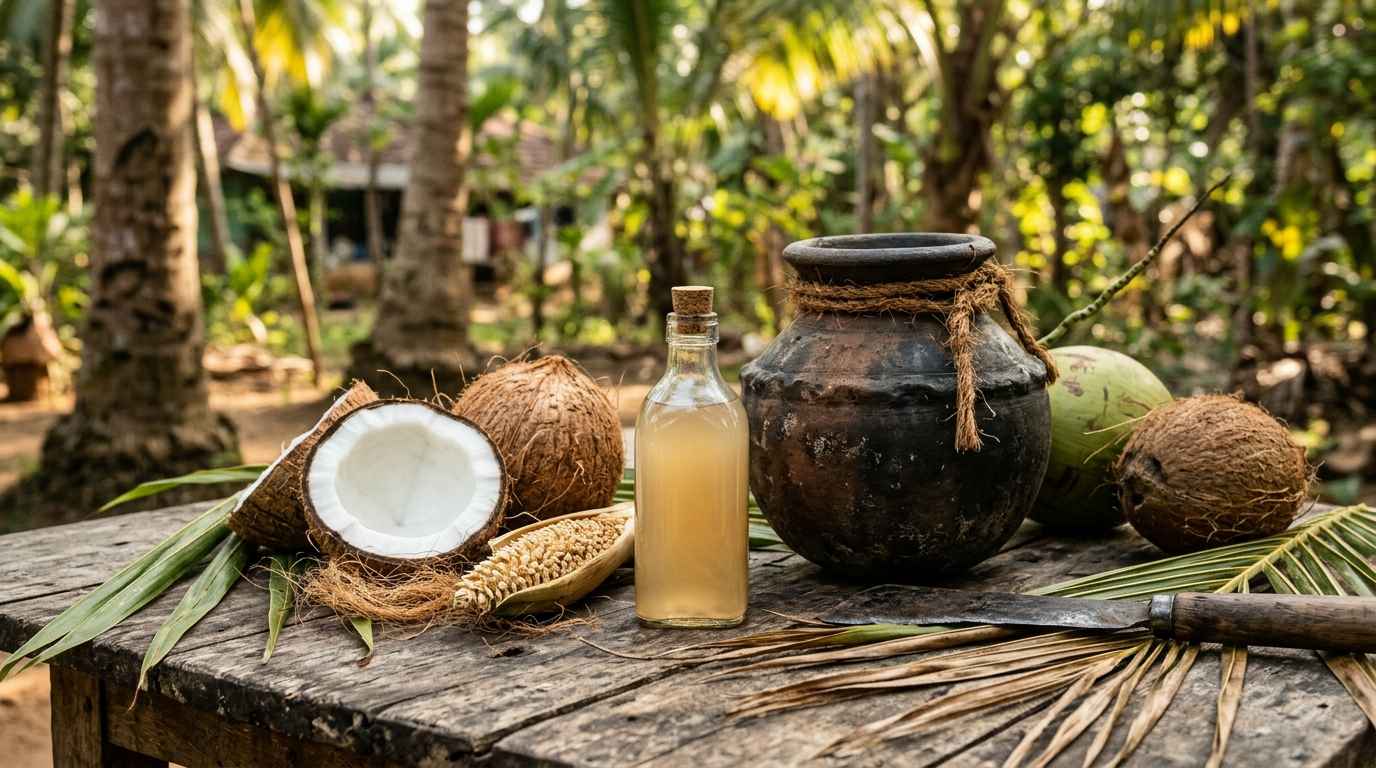
In tropical regions, the sap collected from certain palm flowers has traditionally been used to make a range of products. Depending on the palm species and local practices, sap may be processed into sweeteners, vinegars, or alcoholic beverages.
Sri Lanka has a long history of products made from coconut and other palm saps. Fermentation can convert sugars in collected sap into different compounds, while further processing determines whether the result becomes vinegar or another product.
Palm vinegar can contribute a tangy flavour to dressings, marinades, pickles, and traditional dishes. Its taste varies according to the raw material, fermentation process, and maturation.
Why it deserves attention: Fermented palm products connect tropical agriculture with traditional preservation and seasoning techniques.
10. Fermented Vegetables: The Creative World of Pickling
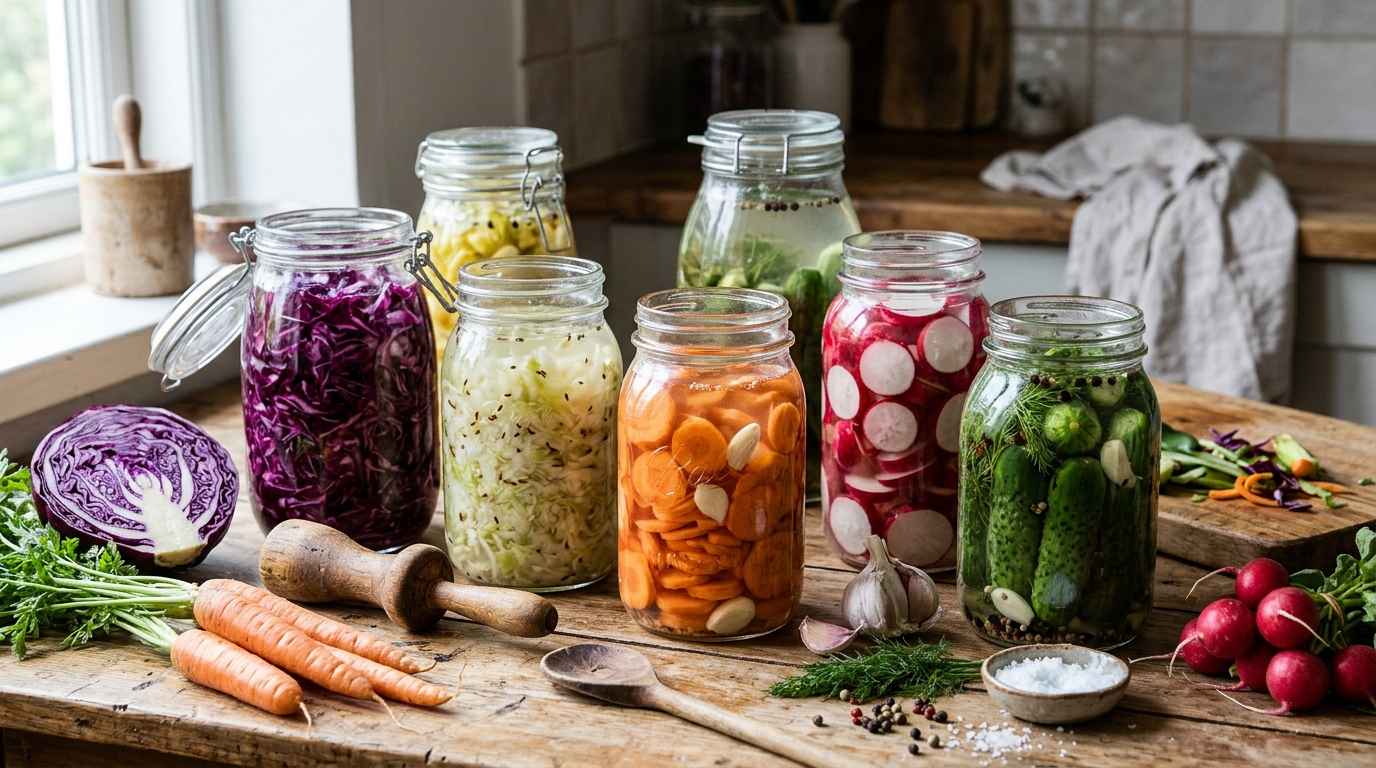
Fermented vegetables are found in many food cultures, from traditional Asian preparations to European pickled vegetables. Ingredients may include cucumbers, carrots, radishes, cabbage, and seasonal produce.
In lactic acid fermentation, vegetables are prepared with an appropriate salt concentration and kept under suitable conditions so beneficial lactic acid bacteria can develop. These bacteria produce acids that create a tangy flavour and help preserve the food.
Fermented vegetables can add crunch and acidity to rice bowls, sandwiches, salads, and grilled meals. They also offer a practical way to explore seasonal ingredients.
It is important to distinguish genuine fermentation from quick pickling in vinegar. Both methods can produce delicious results, but they rely on different processes and require different preparation methods.
Why it deserves attention: Fermented vegetables make it possible to explore fermentation at home while experimenting with seasonal flavours.
Why Are Traditional Fermented Foods Becoming Popular Again?
Interest in traditional fermented foods is growing as people explore global cuisines, artisanal cooking, and heritage ingredients. Restaurants increasingly use fermented ingredients to add complexity to sauces, vegetables, breads, and plant-based dishes.
Home cooks are also discovering that fermentation can be a rewarding culinary skill. Maintaining a sourdough starter, preparing fermented cabbage, or learning to make dosa batter provides an opportunity to understand how time, temperature, ingredients, and microorganisms influence flavour.
Fermentation should not automatically be treated as a health remedy, however. The nutritional properties of fermented foods differ, and some products contain substantial amounts of salt or sugar. Fermented foods are not all probiotic, and cooking or pasteurisation can eliminate live microorganisms in certain products.
Food safety remains essential. Use tested recipes, clean equipment, suitable ingredients, and recommended storage conditions. Never rely on smell or taste alone to determine whether a fermented food is safe.
Final Thoughts
From Korean kimchi and European sauerkraut to South Indian dosa batter and Japanese miso, traditional fermented foods demonstrate how people across the world have transformed ordinary ingredients into distinctive culinary creations.
Their importance extends beyond preservation. Fermentation creates new flavours, supports traditional food knowledge, and offers endless possibilities for modern cooking.
Whether you are a curious traveller, an adventurous home cook, or a food lover interested in cultural traditions, exploring fermented foods can introduce you to a fascinating world of taste and technique.
Sometimes, the most extraordinary flavours do not come from adding more ingredients. They emerge when simple ingredients are given the right conditions, a little time, and the opportunity to transform.
Most Popular










Anaya
comment1