



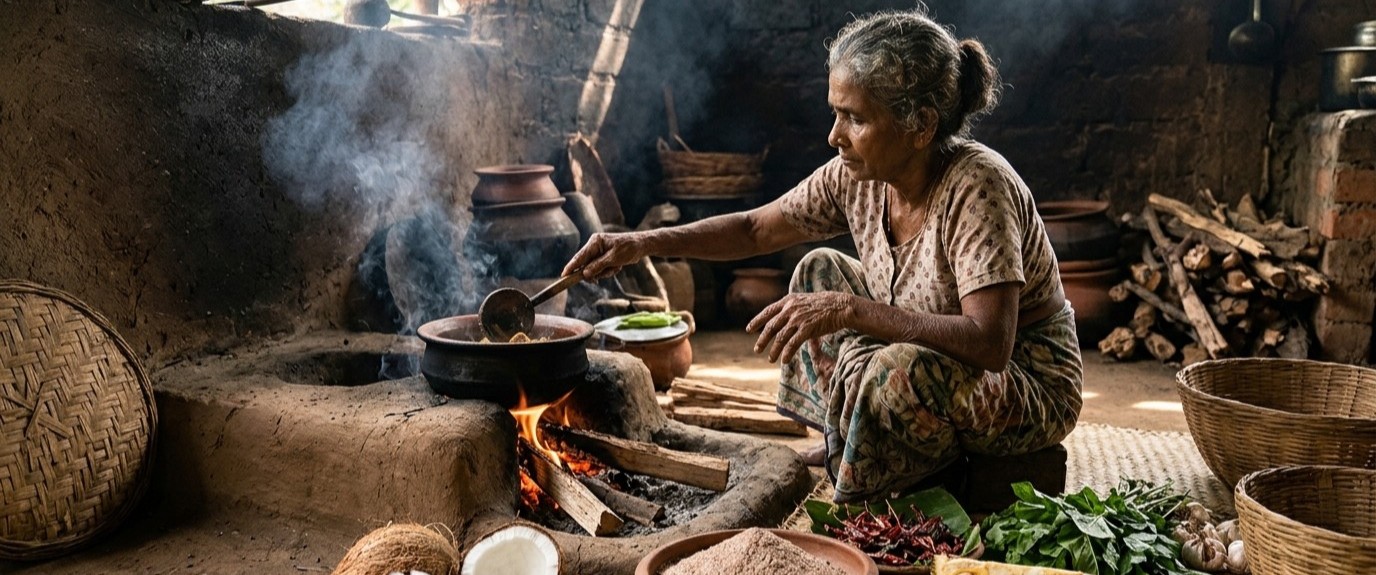
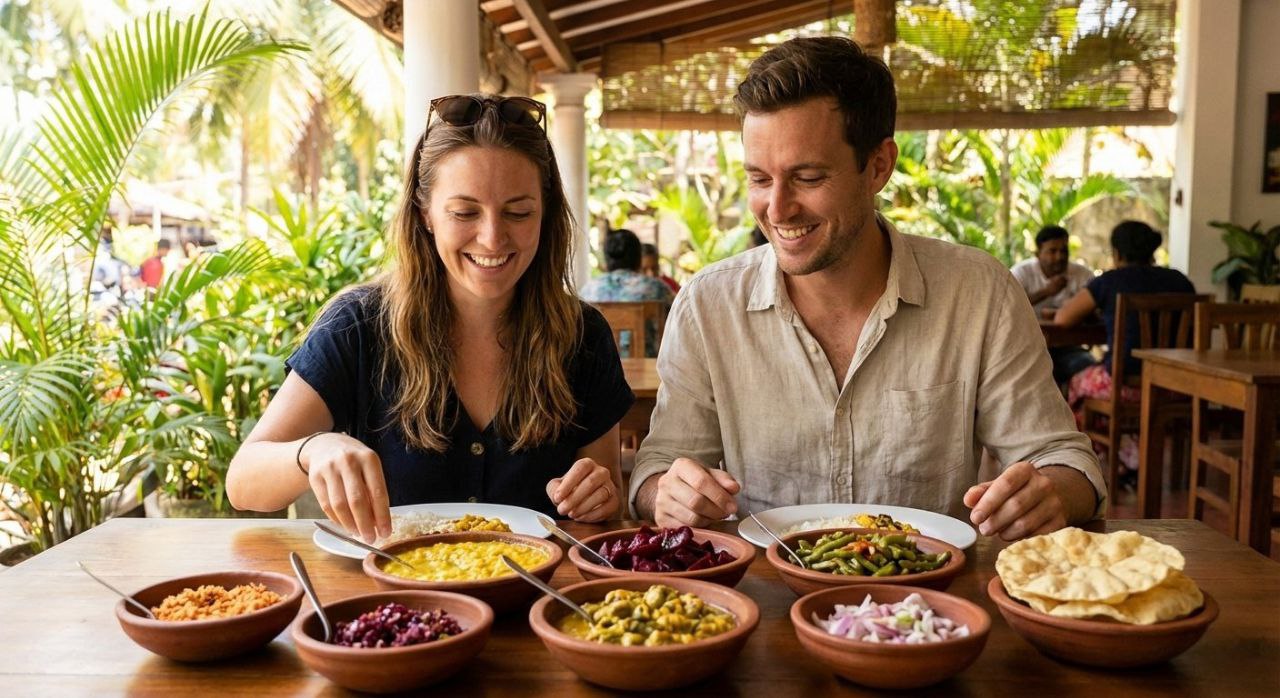
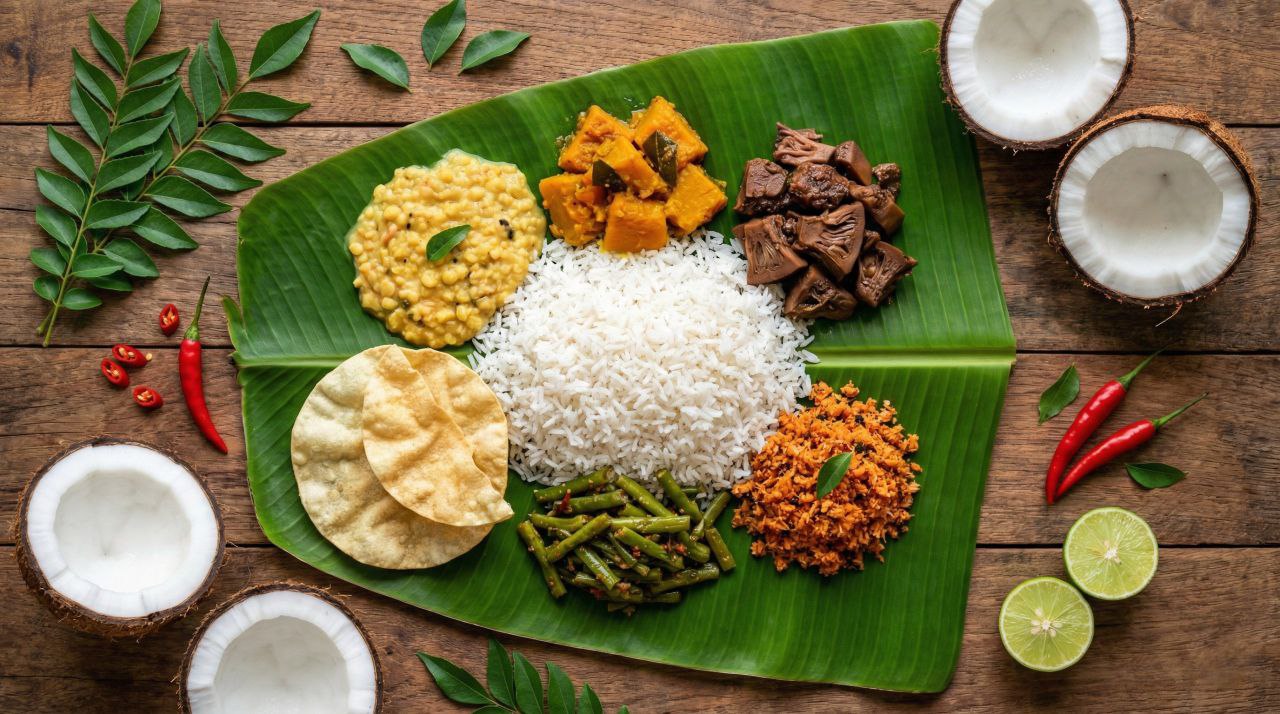
Sri Lanka is famous for its fragrant rice and curry, spicy street food, crispy hoppers, and delicious coconut-based dishes. However, beyond the popular menus of restaurants and hotels lies another world of traditional cooking: the humble village foods that have been passed down through generations.
From meals prepared in clay pots to sweet treats made with freshly grated coconut, Sri Lankan village foods tell stories of family traditions, seasonal ingredients, farming communities, and a deep connection with nature. Many of these dishes are still enjoyed in rural households, while others are becoming less familiar to younger generations.
Rediscovering these traditional foods is more than a culinary adventure. It is a way to preserve Sri Lanka’s food heritage, celebrate local ingredients, and experience the authentic flavours of village life.
1. Kurakkan Thalapa: The Rustic Taste of Finger Millet
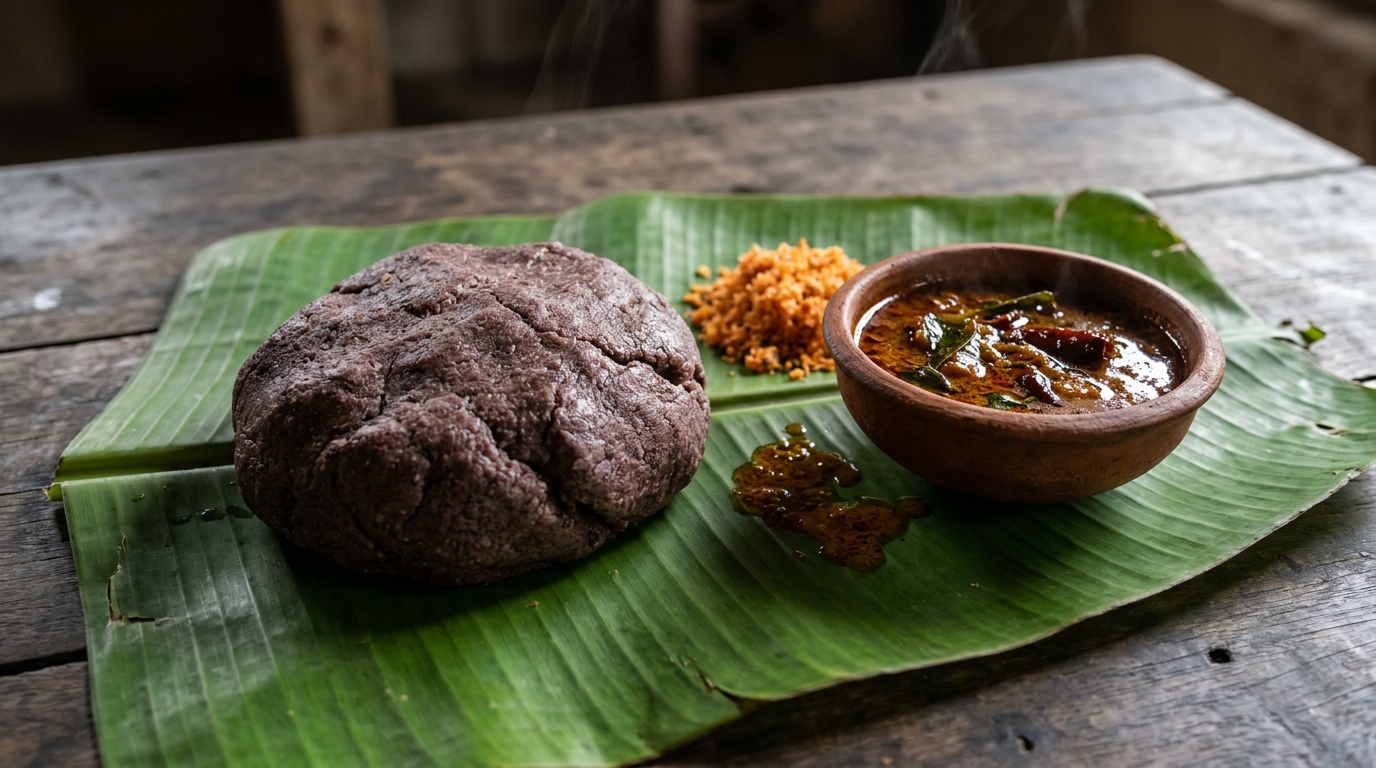
Kurakkan thalapa is a traditional Sri Lankan dish made with kurakkan flour, also known as finger millet flour. It has a firm texture and earthy flavour that make it a distinctive part of traditional village cooking.
Prepared by mixing kurakkan flour with hot water and cooking it into a thick dough, thalapa is often shaped into portions and served with spicy fish curry, meat curry, or a flavourful local gravy. Some households prepare it with slightly different techniques depending on family traditions.
In farming communities, kurakkan has long been valued as a versatile grain that can be stored and used in different meals. Today, this traditional food offers an interesting alternative to familiar rice-based dishes.
Why rediscover it? Kurakkan thalapa introduces food lovers to the rich flavours of traditional grains and the resourcefulness of rural Sri Lankan cooking.
2. Kola Kenda: A Traditional Green Herbal Porridge
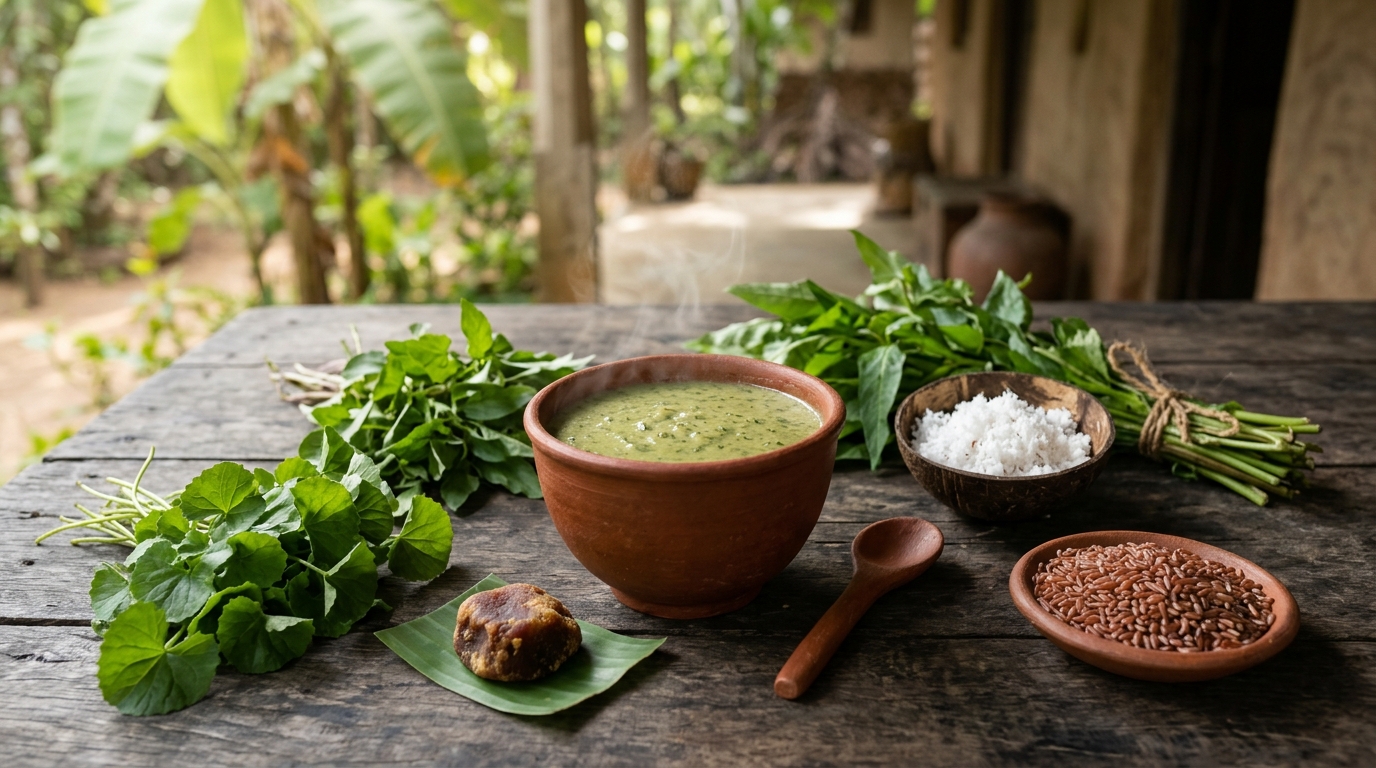
Kola kenda is a traditional green porridge prepared using rice, fresh leafy greens, coconut milk, and other ingredients that vary by household. Gotukola, hathawariya, and other locally available leaves may be used according to regional and family preferences.
The leaves are prepared to extract their green juice, which is combined with rice and cooked into a smooth, nourishing porridge. Coconut milk adds a gentle creaminess, while the herbs contribute a distinctive fresh flavour.
Often enjoyed in the morning, kola kenda remains familiar in many Sri Lankan homes. However, modern breakfast routines can sometimes leave traditional preparations behind.
Why rediscover it? Kola kenda celebrates the use of fresh local greens and provides a glimpse into Sri Lanka’s long-standing food traditions.
3. Elawalu Roti: A Simple Village Flatbread
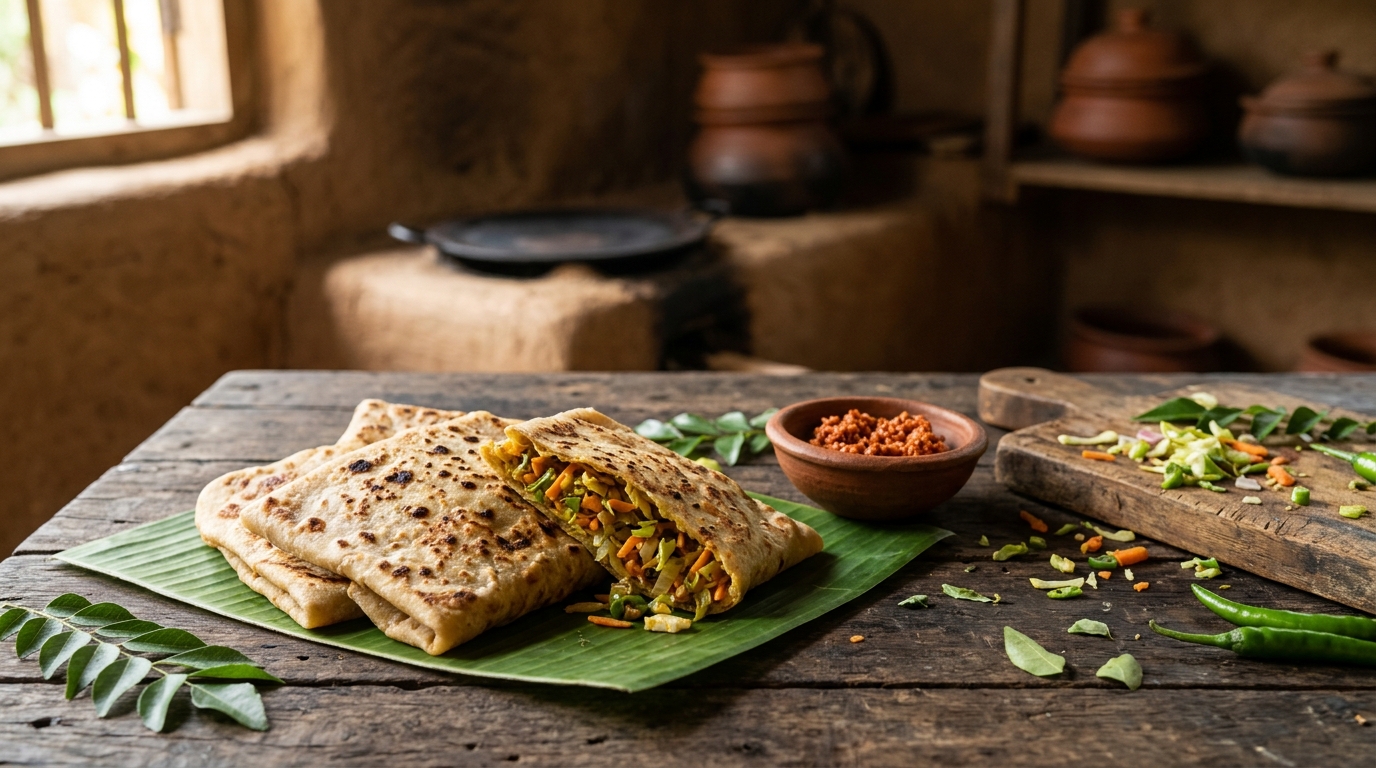
Sri Lankan village cooking frequently transforms basic ingredients into satisfying meals. Elawalu roti, or vegetable roti, is a delicious example of this creativity.
A soft dough is filled with a mixture of vegetables, onions, green chillies, and spices before being folded and cooked on a hot pan. Depending on the household, the filling may include carrots, leeks, cabbage, potatoes, or other available vegetables.
Although vegetable roti is now widely sold in bakeries and roadside shops, homemade versions can have a special character. The filling, spice level, dough texture, and cooking method often reflect the preferences of the person preparing it.
Why rediscover it? This familiar favourite demonstrates how everyday vegetables can become a satisfying snack using simple cooking techniques.
4. Pol Pani Aggala: A Sweet Taste of Coconut and Jaggery
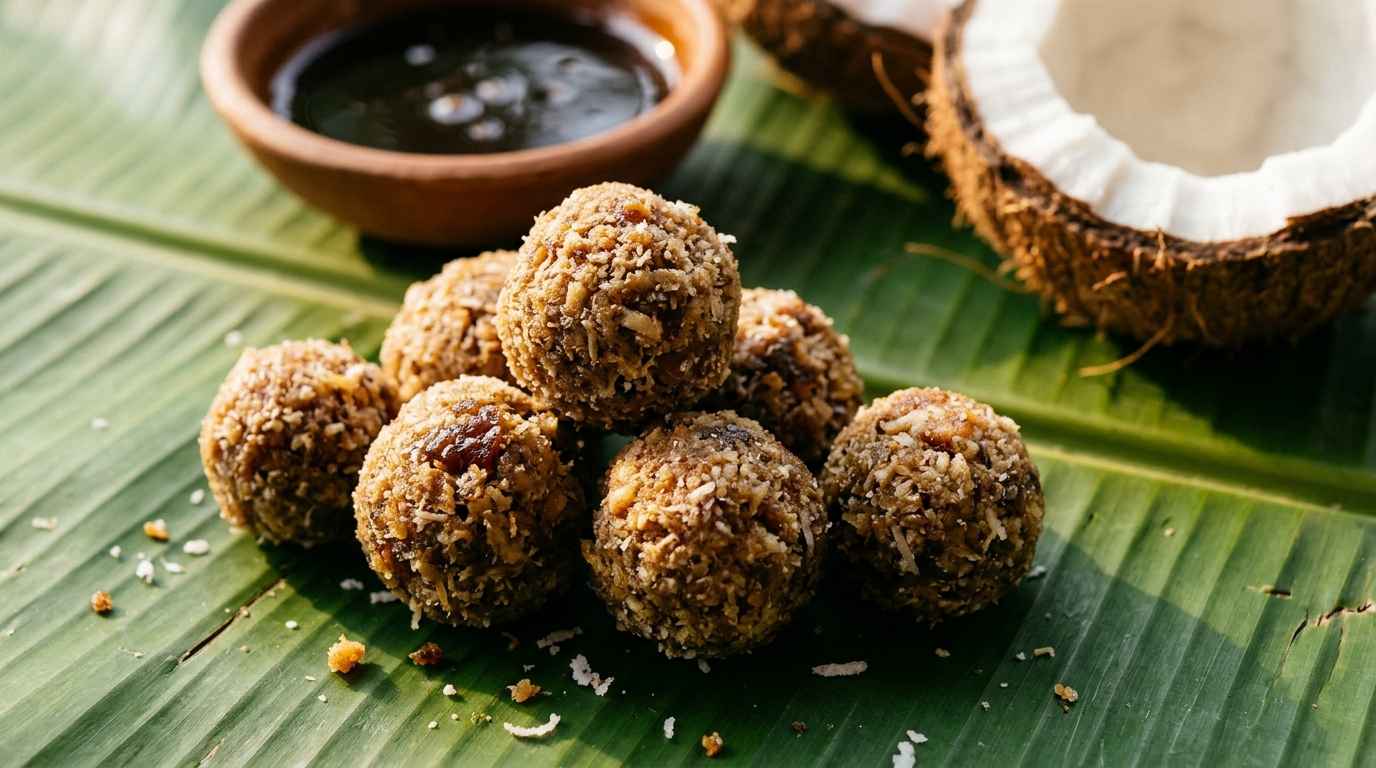
Traditional Sri Lankan sweets often depend on ingredients found close to home. Pol pani aggala combines grated coconut, sweetener, and other simple ingredients to create a compact, flavourful treat.
Depending on the recipe, the mixture may include kithul treacle or jaggery, while roasted rice flour or other ingredients help create the desired texture. The mixture is shaped into small balls and served as a snack with tea.
These sweets are closely connected with home cooking, family gatherings, and the practice of preparing treats from available ingredients rather than relying on packaged products.
Why rediscover it? Pol pani aggala showcases the combination of coconut and traditional sweeteners that gives many Sri Lankan desserts their distinctive identity.
5. Jackfruit Curry: The Village Kitchen's Versatile Ingredient
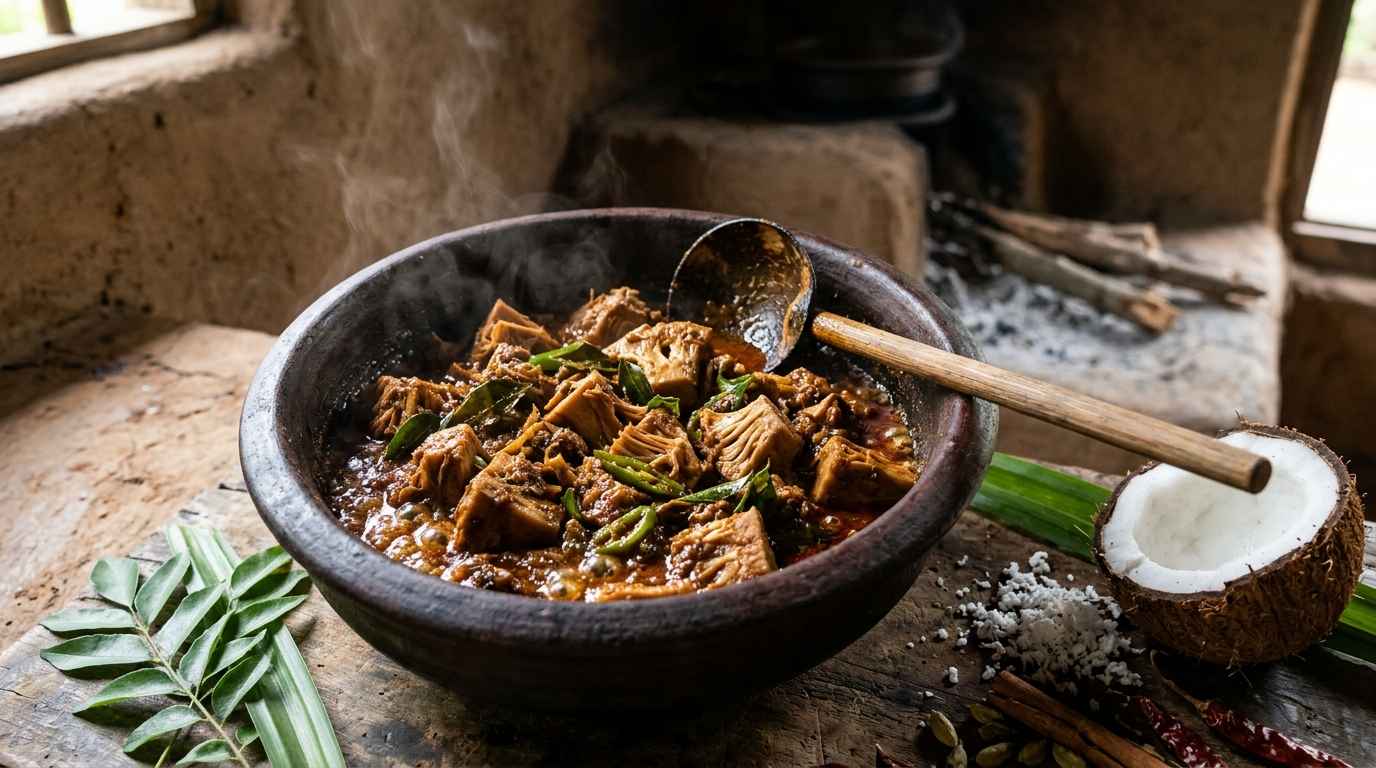
Jackfruit has an important place in Sri Lankan food culture. When the fruit is young and unripe, its firm flesh can be cooked into a rich curry that absorbs spices and coconut milk beautifully.
The preparation commonly involves cutting the young jackfruit into pieces, then simmering it with ingredients such as onion, garlic, curry leaves, pandan, chilli, turmeric, and roasted spices. Coconut milk may be added to create a creamy sauce.
In some households, jackfruit is cooked slowly in an earthenware pot, allowing the flavours to develop. Recipes differ between regions, and some versions are prepared with darker roasted spices.
Why rediscover it? Young jackfruit demonstrates how a local plant ingredient can form the centrepiece of a satisfying traditional meal.
6. Lunu Miris with Traditional Kiribath
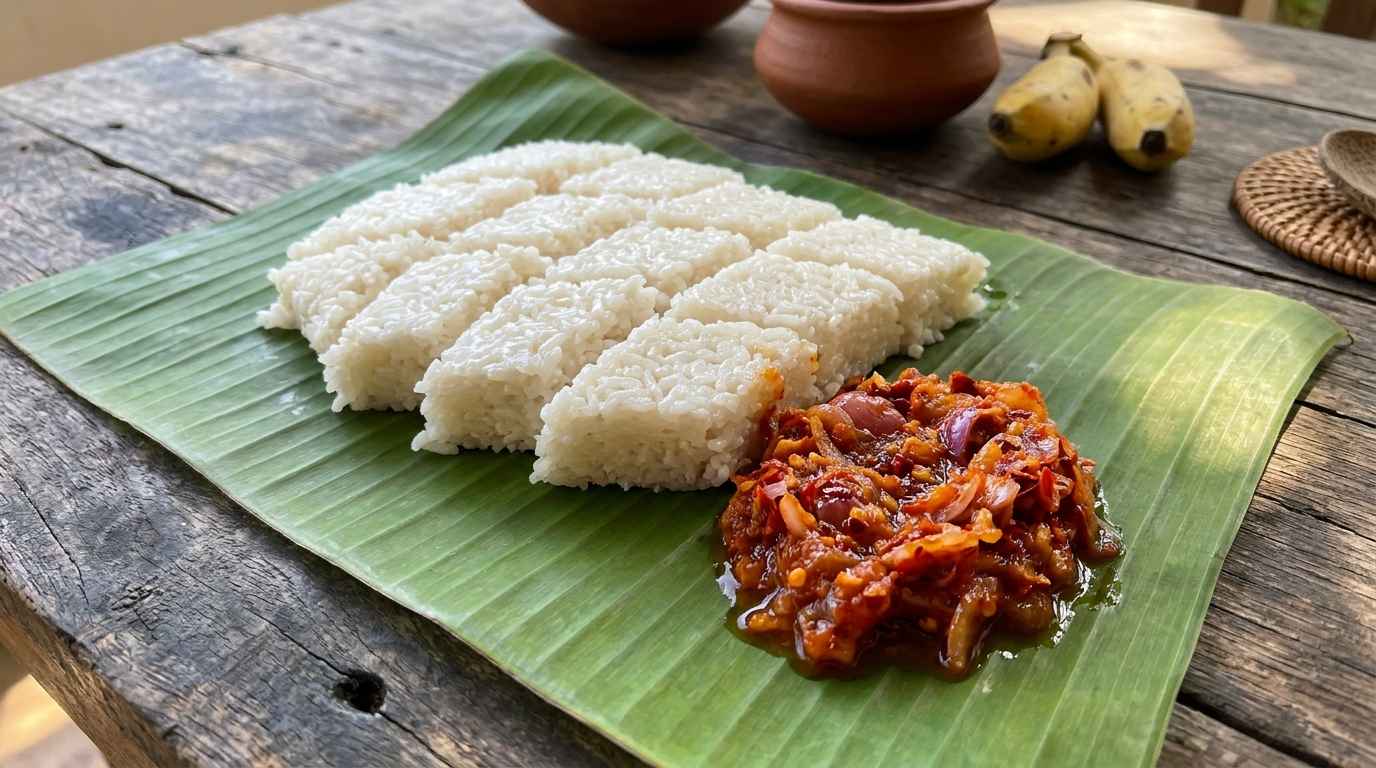
Kiribath, or milk rice, is one of Sri Lanka’s best-known traditional foods. Yet its simplest combinations can reveal the beauty of village-style cooking.
Rice is cooked with coconut milk until tender and cohesive, then shaped and cut into pieces. It is commonly served with lunu miris, a spicy sambol made from ingredients such as red onion, chilli, salt, and lime.
The contrast between the mild, creamy rice and the sharp, spicy sambol makes this pairing memorable. It is particularly associated with celebrations, special mornings, and family occasions.
While kiribath is far from forgotten, traditional preparation methods and regional variations deserve continued attention.
Why rediscover it? This pairing proves that memorable food does not always require elaborate ingredients or complicated techniques.
7. Halapa: A Traditional Sweet Wrapped in Leaves
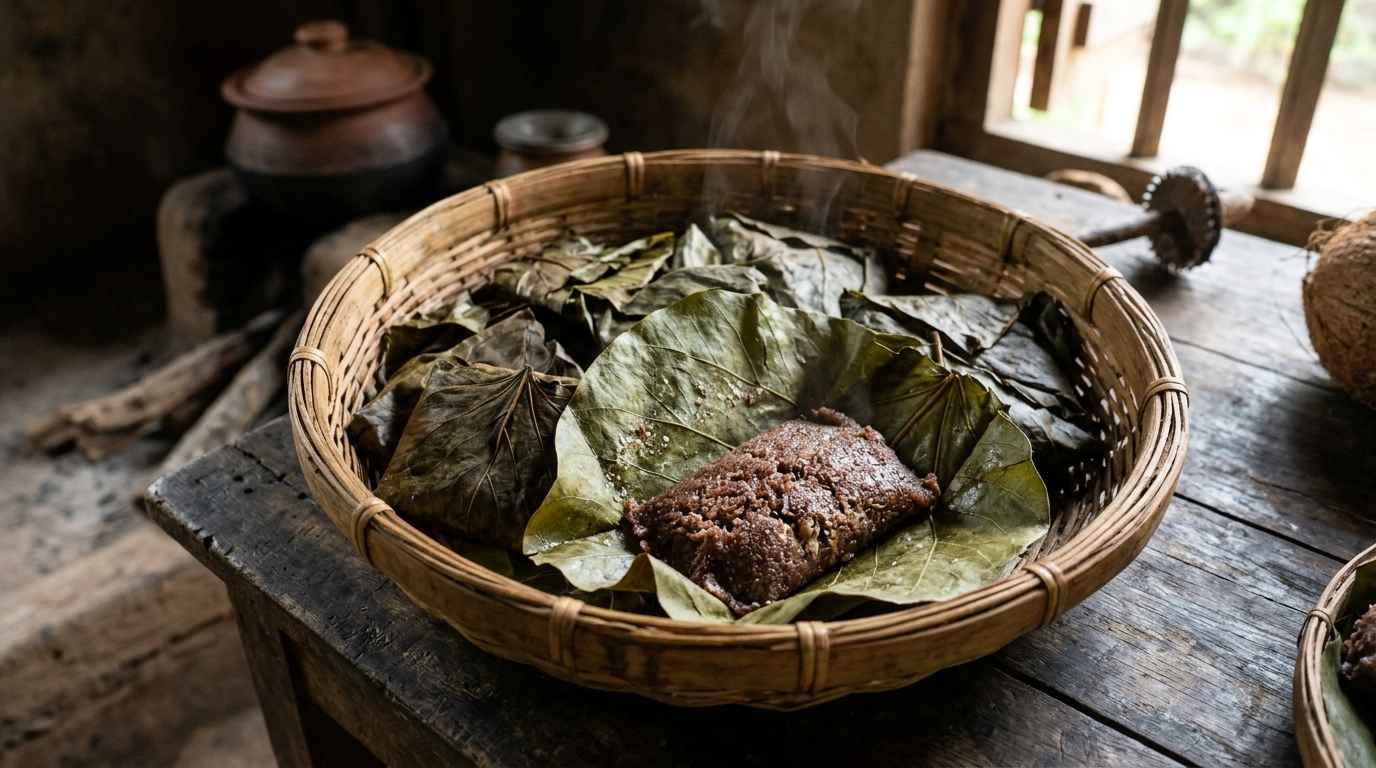
Halapa is a traditional Sri Lankan sweet that highlights the relationship between food preparation and nature. It is commonly made using kurakkan flour, grated coconut, and a sweetener such as jaggery or treacle.
The mixture is placed inside a leaf, often a kenda leaf where available, then folded and steamed until cooked. The leaf gives the sweet its characteristic appearance and may contribute a subtle aroma.
Preparing halapa requires care to achieve the right consistency. The flour mixture must be moist enough to hold together without becoming overly sticky, while steaming helps develop its soft texture.
Although halapa can still be found in some traditional food shops and households, it is less visible in many modern cafés and bakeries.
Why rediscover it? Halapa offers a taste of traditional steaming techniques and the creative use of natural leaf wrapping.
8. Jak Seed Curry: Making the Most of the Whole Fruit
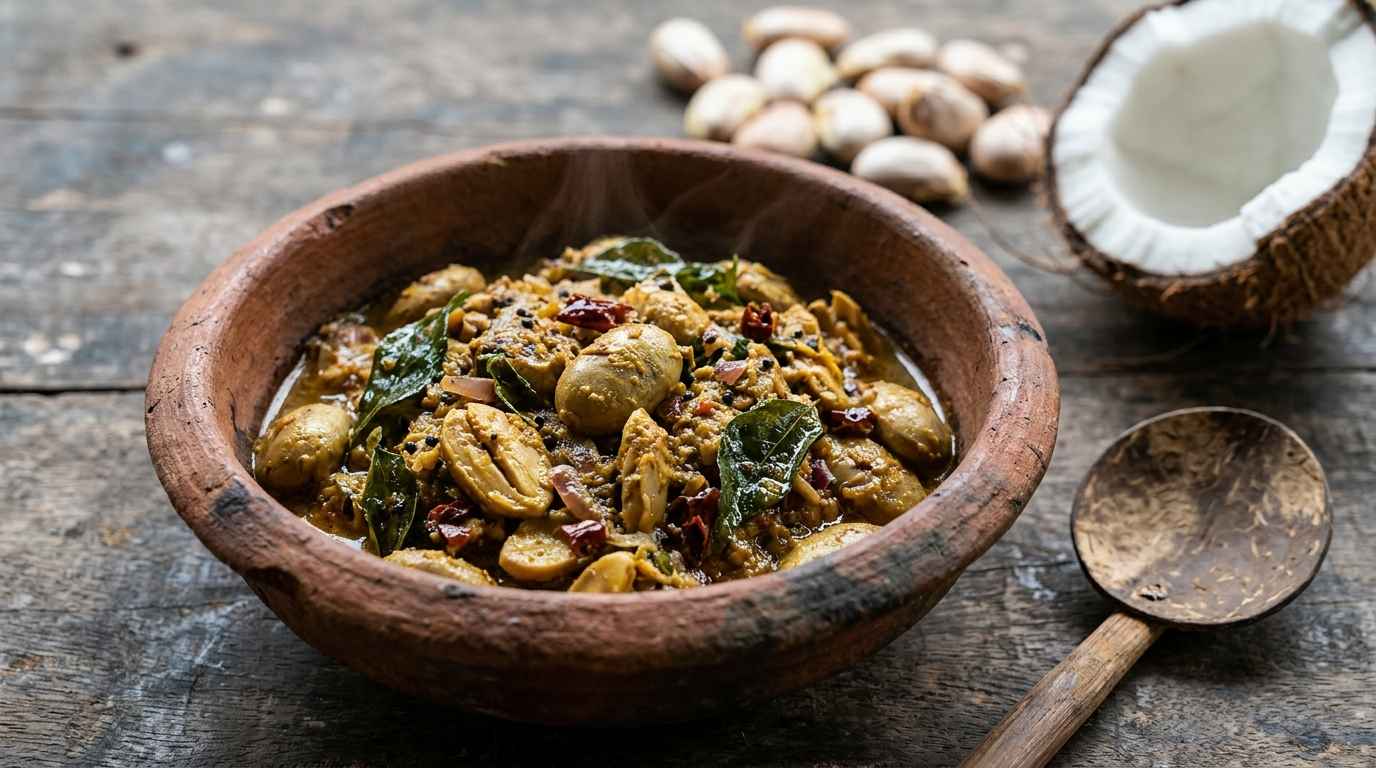
Sri Lankan food traditions often demonstrate how to use ingredients efficiently. Jackfruit seeds, which are frequently discarded or overlooked, can be turned into a delicious curry.
The seeds are cleaned, boiled until tender, and cooked with spices, onions, curry leaves, and coconut milk or other seasonings depending on the recipe. Their texture becomes soft and slightly nutty, making them an interesting addition to a traditional meal.
Preparation is important: the seeds should be thoroughly cooked before eating, and their tough outer coverings need to be removed as appropriate.
This dish reflects a practical approach to cooking in which different parts of a seasonal ingredient are used instead of being wasted.
Why rediscover it? Jak seed curry offers an opportunity to explore traditional cooking while making better use of locally available produce.
9. Undu Walalu: A Sweet from Sri Lanka's Culinary Heritage
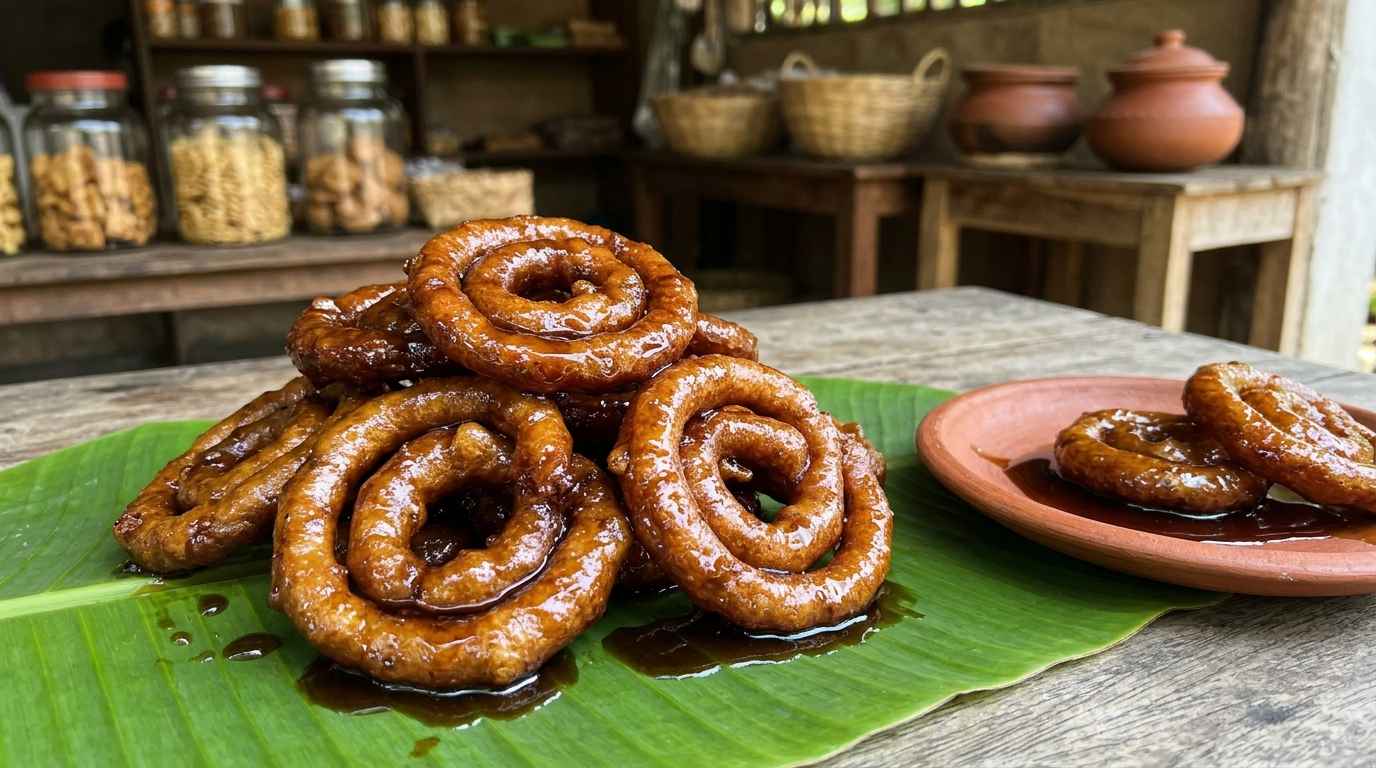
Undu walalu, also known in some contexts as pani walalu, is a traditional Sri Lankan sweet associated with festive food and sweet shops.
The sweet is commonly made from a batter containing ingredients such as urad dal and rice flour. The batter is shaped into distinctive circular patterns, fried, and soaked in a sweet syrup. The result is a crisp exterior with a sweet, syrupy texture.
Preparing undu walalu requires practice because the batter must have the right consistency to form the characteristic shape. The frying temperature and syrup preparation also influence the final result.
Although this sweet remains available in some places, traditional methods are worth preserving as convenient modern snacks become more common.
Why rediscover it? Undu walalu combines distinctive craftsmanship, texture, and sweetness in a dessert that reflects Sri Lanka’s rich culinary traditions.
Why Sri Lankan Village Foods Deserve More Attention
Traditional village foods offer more than flavour. They reveal how communities use seasonal crops, preserve ingredients, share knowledge, and adapt recipes to local environments.
Many dishes rely on ingredients such as finger millet, coconut, leafy greens, jackfruit, rice, and jaggery. These foods reflect regional agriculture and the creativity of home cooks who learned through observation and practice.
However, traditional recipes can vary significantly between families and districts. Some dishes are becoming less familiar as lifestyles change, convenience foods become more accessible, and younger generations spend less time learning traditional cooking techniques.
Documenting these recipes can help preserve valuable knowledge. Visiting village markets, speaking with experienced home cooks, and learning the stories behind regional dishes can also create meaningful food tourism experiences.
Travellers should remember that a dish described as traditional in one community may be prepared differently elsewhere. Asking local cooks about their ingredients and methods is one of the best ways to understand the diversity of Sri Lankan food culture.
How to Experience Authentic Sri Lankan Village Food
If you want to discover traditional Sri Lankan village foods, consider exploring local markets, rural food stalls, community-based tourism experiences, and family-run restaurants.
Look for dishes prepared with seasonal ingredients and ask about the cooking methods used. Where possible, try foods made fresh rather than relying only on familiar restaurant menus.
You can also recreate traditional recipes at home. Start with simple dishes such as kola kenda, kurakkan thalapa, or young jackfruit curry. Use reliable recipes, prepare ingredients carefully, and learn how regional variations influence flavour.
Most importantly, approach these dishes with curiosity. Every recipe has a story, and the person preparing it may have valuable knowledge about ingredients, traditions, and the history of the meal.
Final Thoughts
Sri Lanka's culinary identity extends far beyond its most famous dishes. From earthy kurakkan thalapa and creamy kola kenda to leaf-wrapped halapa and flavourful jackfruit curry, Sri Lankan village foods offer a fascinating journey into the island’s traditional kitchens.
Rediscovering these dishes helps celebrate local ingredients, support traditional food businesses, and preserve the knowledge passed down through generations. Whether you are a traveller seeking authentic flavours or a food lover exploring recipes at home, these village favourites offer a meaningful connection to Sri Lanka’s cultural heritage.
Sometimes, the most memorable food experiences are not found on a sophisticated restaurant menu. They are found in a village kitchen, beside a steaming clay pot, where generations of cooking knowledge continue to shape every meal.
Most Popular









Anaya
comment1