



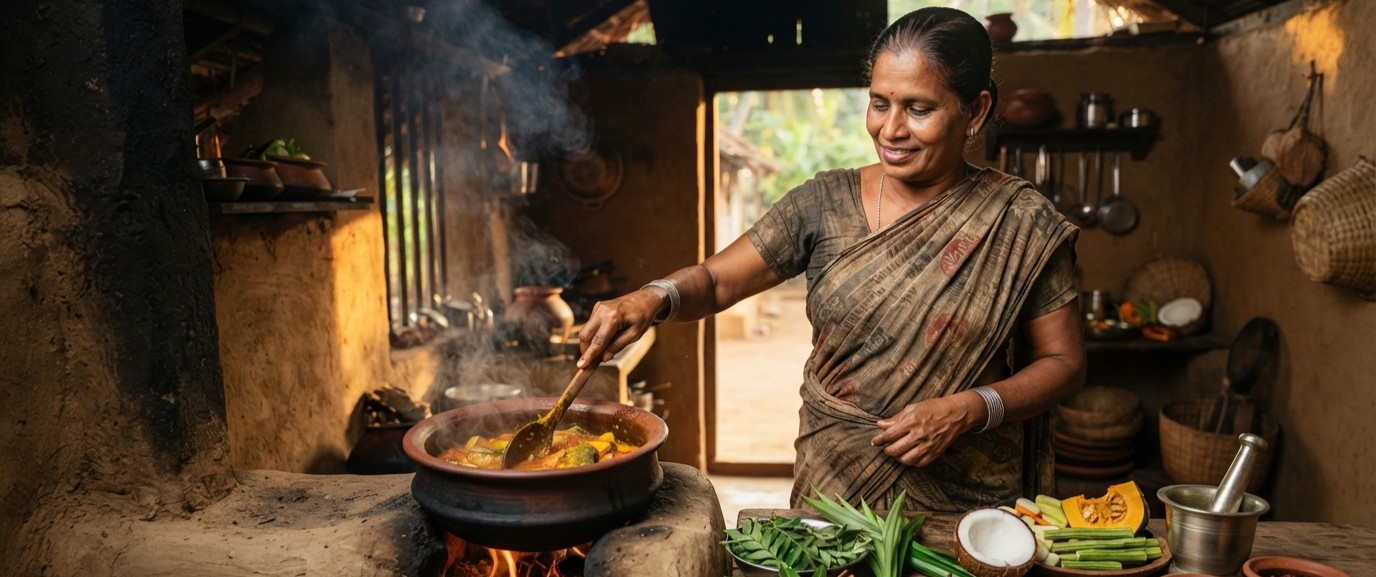
Before modern gas stoves, electric cookers, and smart kitchen appliances transformed the way we prepare meals, firewood was at the heart of many traditional kitchens. The gentle crackling of burning wood, the rising smoke from a clay pot, and the aroma of spices simmering over an open flame created a cooking experience that connected food with nature.
Today, traditional firewood cooking is attracting renewed attention among food lovers, chefs, and travellers seeking authentic culinary experiences. From rustic village kitchens in Sri Lanka to wood-fired ovens in Italy, cooking with fire remains an important part of food culture around the world.
But what makes food cooked over firewood so memorable? The answer lies in a combination of heat, smoke, cooking vessels, ingredients, and traditional techniques developed over generations.
1. The Magic of Cooking Over a Wood Fire
Traditional firewood cooking is more than simply placing a pot over a flame. It involves understanding how fire behaves, how different types of wood burn, and how heat changes throughout the cooking process.
Unlike modern stovetops, an open wood fire can produce uneven and changing temperatures. Experienced cooks learn to position pots, adjust the distance from the flames, add wood gradually, and move embers to control the heat.
This hands-on approach creates opportunities for slow simmering, gentle roasting, and high-heat cooking. A curry can bubble slowly while vegetables roast nearby, allowing several dishes to be prepared using one fire.
The process also encourages patience. Instead of relying on a precise temperature setting, cooks observe the flame, listen to the pot, and judge when a dish is ready through experience.
Why it matters: Traditional firewood cooking preserves practical knowledge about heat management and creates a distinctive connection between the cook and the food.
2. Clay Pots: The Secret Behind Rustic Flavours
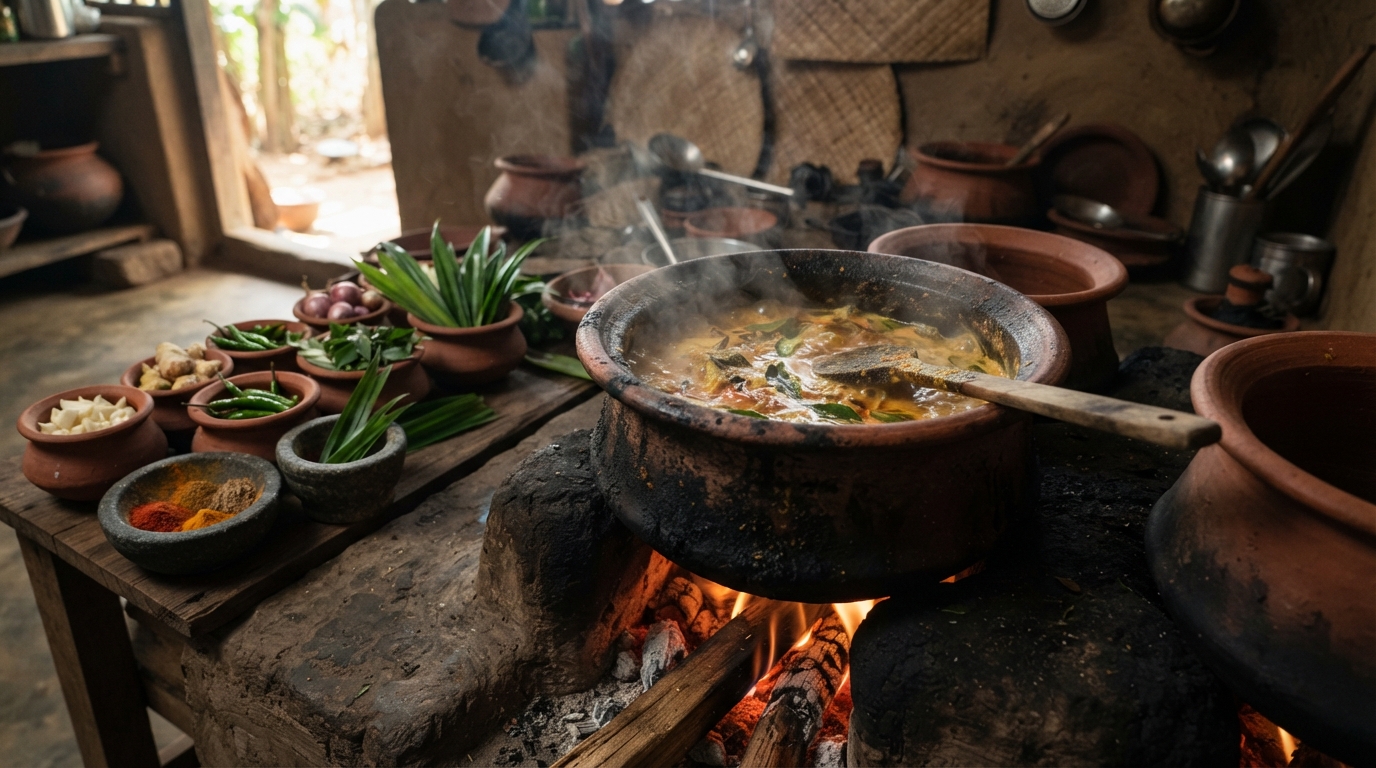
One of the most recognisable features of traditional village cooking is the clay pot. Used in many cultures, earthenware vessels are particularly valued for their ability to hold heat and support gentle cooking when properly designed and used.
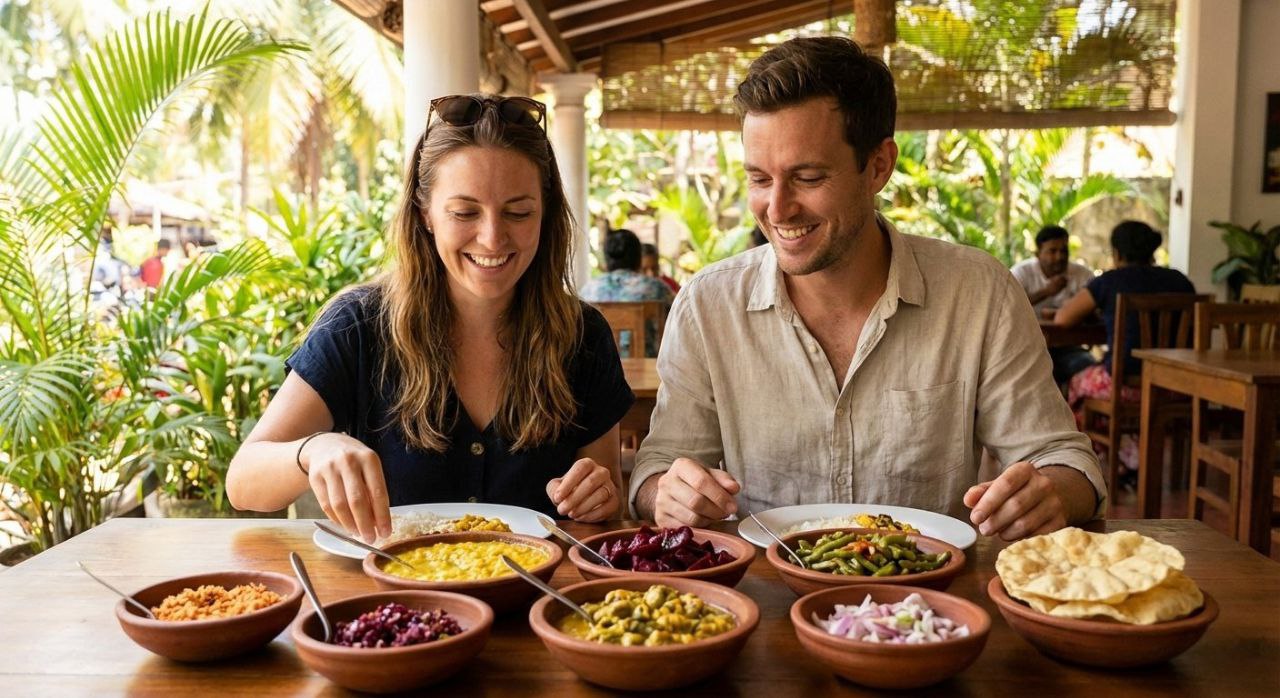
In Sri Lankan kitchens, clay pots are often used to prepare curries, lentils, vegetables, and coconut-based dishes. Their shape and material influence how heat reaches the ingredients, while a well-managed simmer allows spices to blend gradually.
Consider a traditional coconut milk curry. On a carefully controlled fire, the ingredients can simmer together while the aroma of curry leaves, garlic, chilli, and spices develops. The result depends on the recipe and technique rather than the cooking vessel alone, but the experience of preparing it in an earthenware pot adds a strong sense of culinary tradition.
Clay pots also require care. Sudden temperature changes can cause some vessels to crack, and only cookware intended for direct heat should be placed over a fire.
Why it matters: Clay-pot cooking brings traditional materials, practical cooking skills, and regional food culture together.
3. How Smoke Changes the Flavour of Food
Smoke is one of the most distinctive elements of firewood cooking. When wood burns, it releases gases and tiny particles that can interact with the surface of food, producing characteristic smoky aromas.
The flavour depends on several factors, including the type of wood, the moisture content, the combustion conditions, and how close the food is to the smoke. Some foods develop a gentle woody aroma, while others acquire a deeper roasted character.
In traditional kitchens, smoke may naturally reach dishes cooked near the fire. In other preparations, ingredients are deliberately grilled or smoked to achieve a stronger flavour.
However, more smoke does not automatically mean better food. Thick, dirty smoke from incomplete combustion can create unpleasant flavours and increase exposure to harmful pollutants. Clean-burning fires and good ventilation are essential.
Why it matters: Smoke can contribute complexity to food, but the best results depend on controlled cooking rather than excessive exposure.
4. Sri Lankan Village Curries Cooked Over Firewood
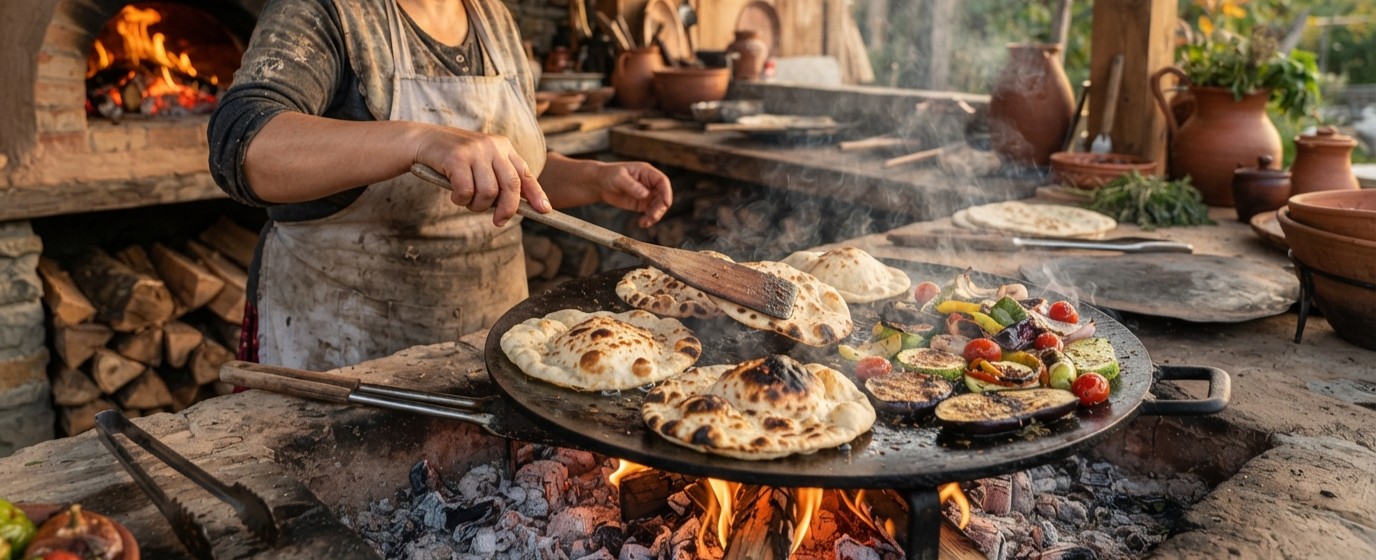
Sri Lankan cuisine offers an excellent example of how traditional firewood cooking shapes everyday meals. In some rural households, curries are still prepared using wood fires, clay pots, fresh coconut, and locally grown spices.
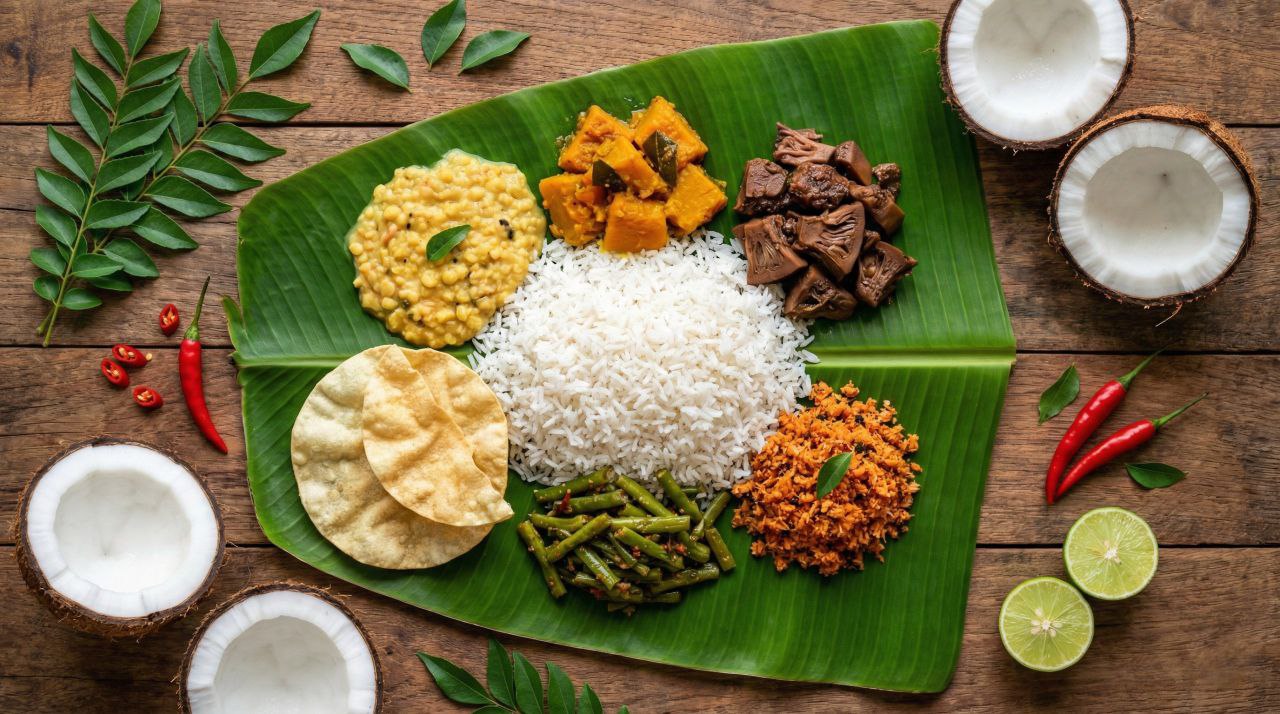
A typical meal may include rice, dhal curry, leafy greens, jackfruit curry, sambol, and a seasonal vegetable dish. Each preparation has its own requirements. Dhal needs sufficient time to soften, leafy greens benefit from careful cooking, and some curries develop their flavour through gradual simmering.
Ingredients such as pandan leaves, curry leaves, cinnamon, black pepper, turmeric, and chilli contribute to the distinctive character of Sri Lankan food.
The cooking process is often influenced by what is available locally. A household may prepare a jackfruit curry during the appropriate season or use freshly harvested vegetables from a home garden.
Although recipes vary between districts and families, the underlying principle remains similar: local ingredients and practical knowledge guide the preparation of satisfying meals.
Why it matters: Firewood cooking helps tell the story of Sri Lankan food traditions, seasonal agriculture, and home-based culinary knowledge.
5. Wood-Fired Baking: A Tradition Around the World
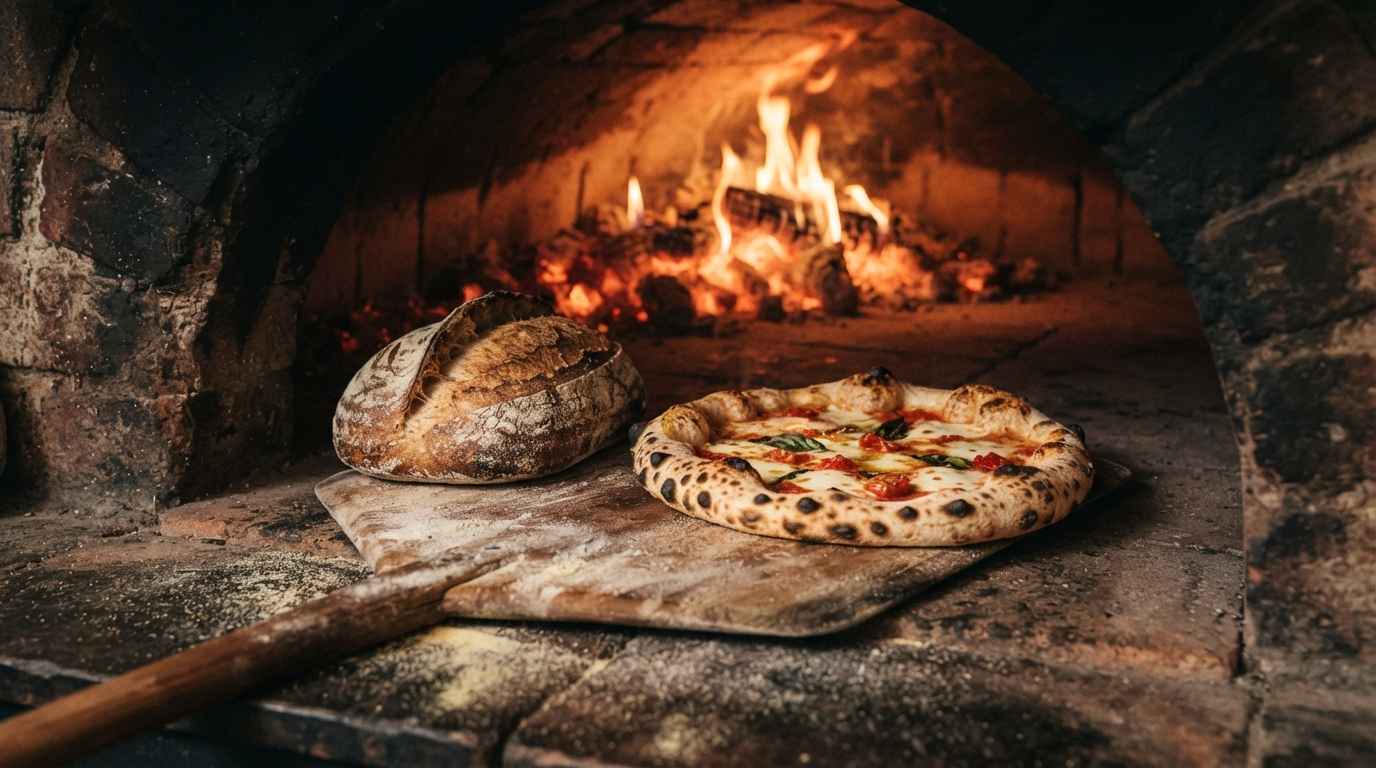
Firewood cooking is not limited to curries and stews. Wood-fired ovens have shaped bread and baking traditions in many parts of the world.
In Italy, wood-fired ovens are associated with pizzas featuring crisp crusts and lightly charred edges. In other regions, traditional ovens are used to bake flatbreads, loaves, pastries, and roasted dishes.
The oven's retained heat is especially important. Once the fire has heated the oven walls and cooking surface, the stored heat helps cook food even after the flames have reduced.
High temperatures can produce rapid crust formation and attractive browning, while the oven's design influences heat circulation and cooking time.
Wood-fired baking also requires experience. Bakers must understand where the oven is hottest, how to rotate food, and when the cooking surface is ready.
Why it matters: Wood-fired ovens demonstrate how traditional heating methods can influence texture, appearance, and flavour in baked foods.
6. Choosing the Right Firewood for Cooking
The choice of firewood can influence how a cooking fire behaves. Different woods vary in density, moisture content, burning duration, and the heat they produce.
Well-seasoned, untreated hardwoods are commonly preferred where suitable and legally available because they can provide steady heat. The most appropriate wood depends on the local environment and cooking method.
Wood should be clean and free from paint, chemical treatments, glue, and other contaminants. Treated construction timber, painted wood, rubbish, and unknown materials should never be used for cooking fires.
Wet wood can create excessive smoke and burn inefficiently. Properly dried wood generally produces a more controllable fire, although ventilation and stove design also make a significant difference.
Sustainable sourcing matters, too. Using responsibly collected or legally supplied wood helps reduce pressure on forests and local ecosystems.
Why it matters: Selecting suitable fuel improves cooking control and helps protect food quality, household safety, and the environment.
7. The Art of Slow Cooking Over Embers
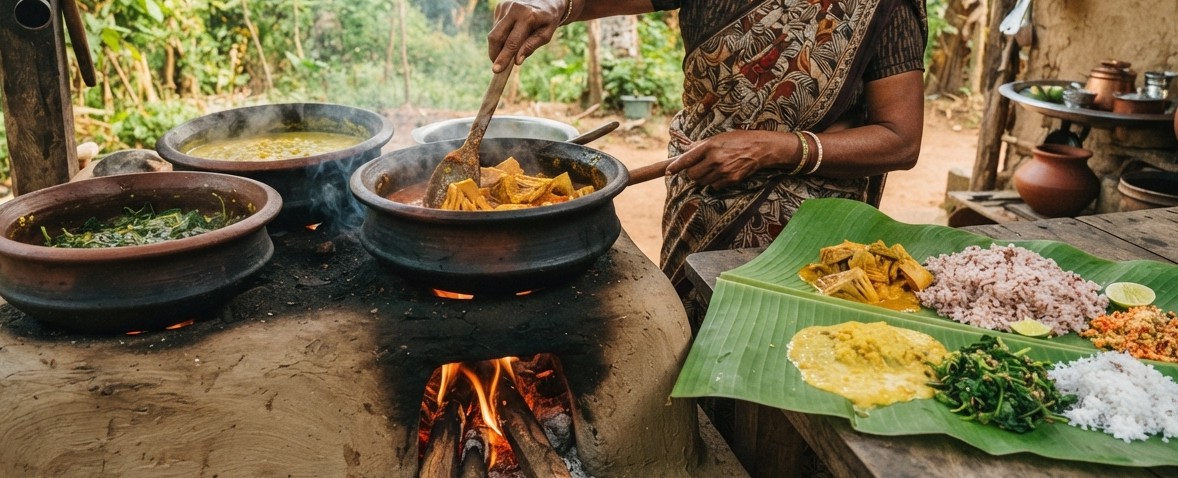
Some of the most satisfying firewood dishes are prepared slowly. Once the initial flames have settled, glowing embers can provide steady heat for simmering curries, cooking grains, and roasting vegetables.
Slow cooking allows ingredients to soften and flavours to combine. Tougher vegetables may become tender, while spices release aromatic compounds into sauces and gravies.
In traditional kitchens, cooks often move a pot away from the strongest part of the fire to maintain a gentle simmer. They may add a small amount of wood when more heat is needed or allow embers to settle before continuing.
This method rewards observation and timing. A dish that needs a gentle simmer should not be exposed to fierce flames throughout the cooking process.
Nevertheless, slow cooking over wood does not guarantee better flavour in every recipe. Ingredients, seasoning, cooking time, and the cook's technique remain equally important.
Why it matters: Ember cooking demonstrates the value of patience and careful heat control in creating deeply satisfying meals.
8. Traditional Cooking and Modern Food Experiences
Firewood cooking is increasingly appreciated as part of food tourism and cultural storytelling. Travellers often want to experience more than a destination's famous restaurants. They want to discover how local people prepare their food, where ingredients come from, and why certain techniques remain important.
In Sri Lanka, village cooking demonstrations, traditional meal experiences, and visits to local food producers can help visitors understand the relationship between cuisine and everyday life.
A meal prepared in a rural setting may introduce travellers to unfamiliar vegetables, traditional sweets, homemade sambols, or cooking methods rarely seen in contemporary restaurants.
For local communities, these experiences can also create opportunities to share knowledge and support food-related tourism businesses.
Traditional techniques should be presented respectfully, recognising that practices differ between regions and households rather than treating every village kitchen as identical.
Why it matters: Firewood cooking can become a meaningful cultural experience that connects travellers with local ingredients, people, and traditions.
9. Firewood Cooking, Sustainability, and Safety
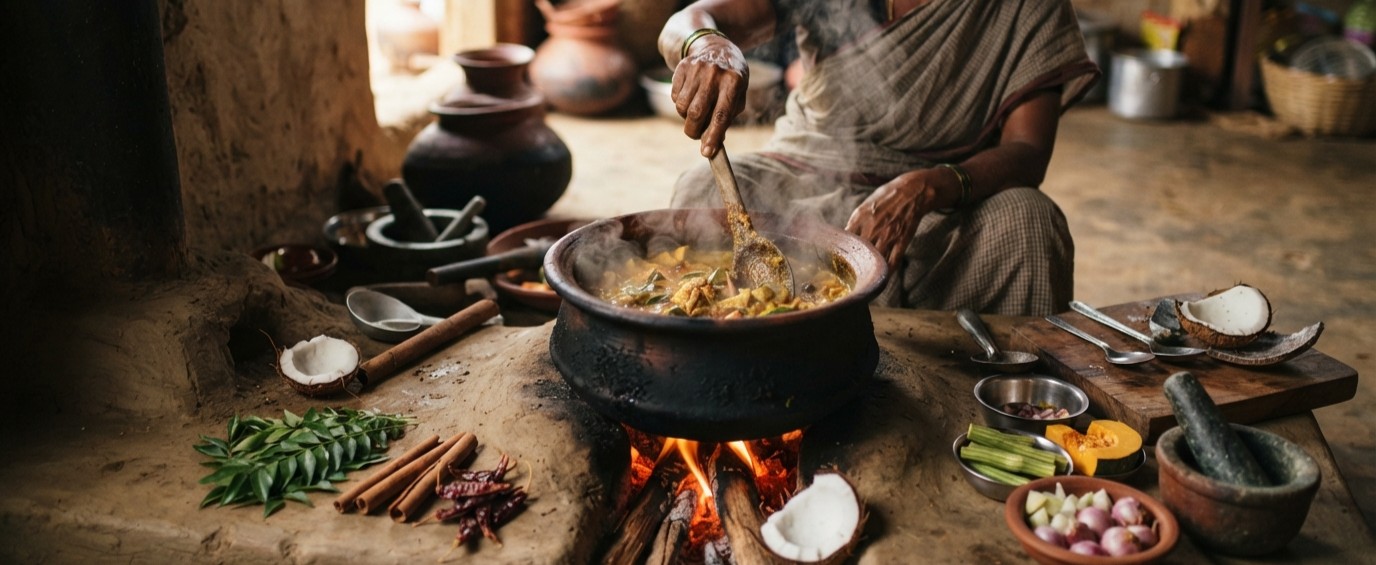
Although traditional firewood cooking has cultural value, it is important to consider its environmental and health effects.
Open fires can release fine particles and harmful gases, especially when combustion is incomplete or ventilation is poor. Long-term exposure to household smoke can cause serious respiratory and cardiovascular harm.
Safer approaches include using an efficient stove designed for the fuel, ensuring adequate ventilation or an appropriate chimney, keeping children away from flames, and avoiding cooking in enclosed spaces without proper exhaust.
Sustainability also deserves attention. Unsustainable fuelwood collection can contribute to forest degradation, while efficient stoves and responsibly sourced wood can help reduce some environmental impacts.
For households that depend on firewood, practical improvements to stove design, kitchen ventilation, and fuel preparation can make a meaningful difference. Modern cooking methods may be preferable in some situations, and traditional food culture does not require people to accept avoidable health risks.
Why it matters: Preserving culinary heritage should go hand in hand with protecting the people who prepare and enjoy these meals.
10. Bringing Traditional Firewood Flavours Into Your Kitchen
You do not need a traditional village kitchen to appreciate the flavours associated with firewood cooking. Several techniques can help recreate parts of the experience using safer, modern equipment.
Try cooking a Sri Lankan curry slowly in a suitable heavy pot, roasting vegetables until their edges caramelise, or using a properly designed outdoor grill to develop a gentle smoky flavour.
Fresh ingredients make a difference. Curry leaves, pandan, coconut milk, cinnamon, garlic, and locally available vegetables can bring depth to traditional recipes.
If you use a wood-fired oven or outdoor cooking equipment, follow the manufacturer's instructions and cook only in a safe, well-ventilated location. Never use charcoal or wood-burning appliances indoors unless they are specifically designed and professionally installed for that purpose.
The goal is not to reproduce every aspect of an old kitchen. It is to appreciate the techniques, ingredients, and care that make traditional dishes special.
Final Thoughts
The lost art of traditional firewood cooking is not simply about preparing food over an open flame. It is about understanding heat, respecting ingredients, learning from previous generations, and recognising the cultural stories hidden in everyday meals.
From Sri Lankan clay-pot curries to Italian wood-fired bread, these techniques show how cooking methods shape the foods people remember and share.
As modern kitchens continue to evolve, traditional firewood cooking remains valuable as a source of culinary knowledge and inspiration. By documenting family recipes, supporting local food traditions, and applying safer cooking practices, we can keep these flavours and stories alive for future generations.
Sometimes, the secret to unforgettable food is not an expensive ingredient or a complicated recipe. It is the careful balance of fire, time, technique, and tradition.
Most Popular








Anaya
comment1