



Introduction to Turmeric and Ginger
In the realm of natural health remedies, few pairings are as potent and widely celebrated as turmeric and ginger. These humble roots, with their distinct aromas and vibrant colors, have been staples in traditional medicine and cuisine for centuries. Their remarkable health benefits are not merely anecdotal; they are increasingly supported by scientific research, making them essential additions to a modern wellness routine. This post will delve into the incredible health advantages offered by turmeric and ginger, explore why they work so effectively together, and provide a simple guide on how to harness their power through a warming cup of turmeric and ginger tea.
Nutritional Value of Turmeric and Ginger
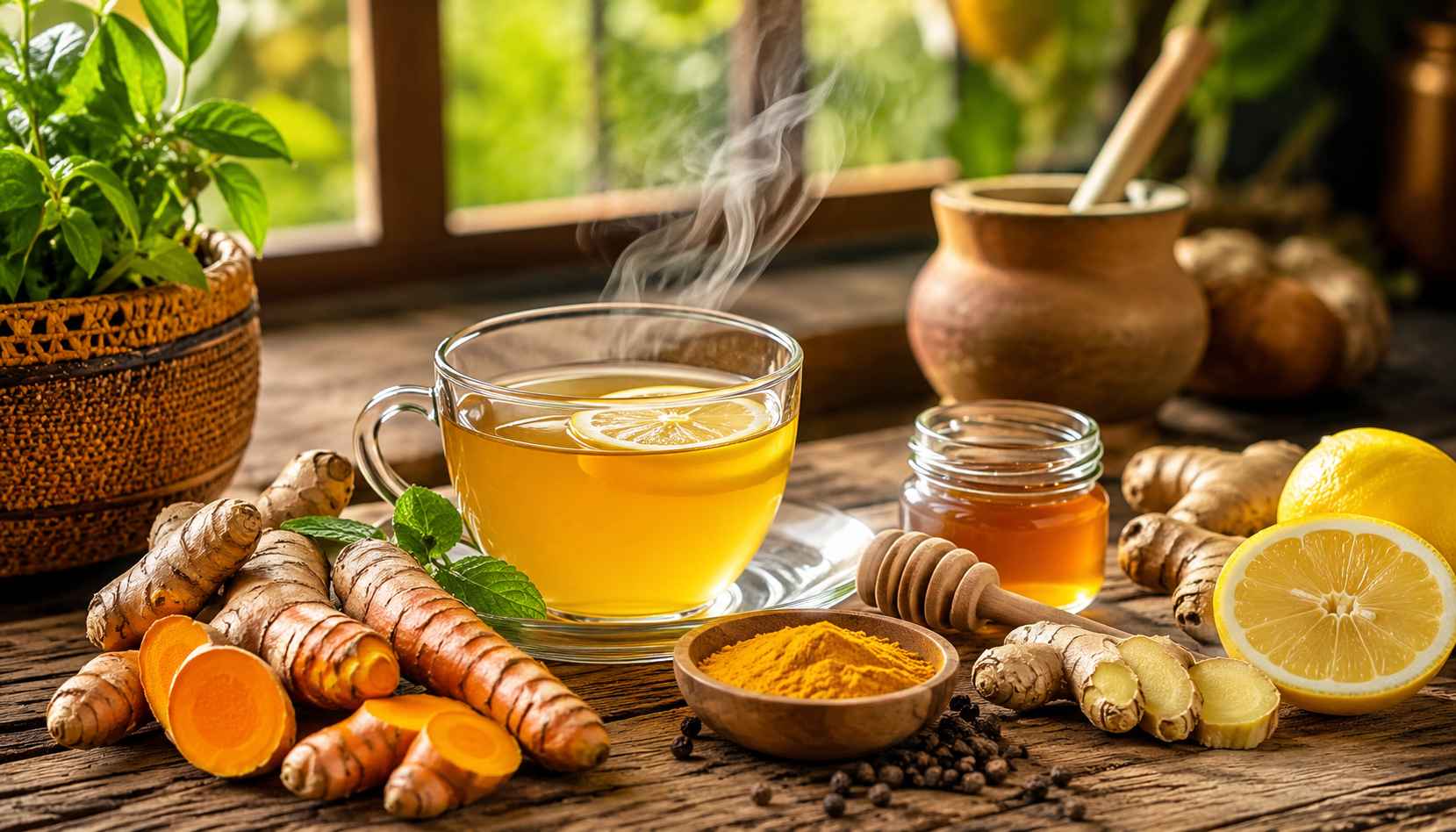
Both turmeric and ginger are nutritional powerhouses, packed with compounds that contribute to their therapeutic properties. Turmeric's star ingredient is curcumin, a polyphenol renowned for its powerful anti-inflammatory and antioxidant effects. Curcumin is responsible for turmeric's characteristic golden hue. Beyond curcumin, turmeric contains various vitamins and minerals, including vitamin C, vitamin E, potassium, calcium, iron, and zinc, though in smaller amounts. It also boasts beneficial volatile oils like turmerone and atlantone.
Ginger, on the other hand, is celebrated for its gingerol, a bioactive compound that gives ginger its pungent flavor and significant medicinal qualities. Gingerol possesses anti-inflammatory and antioxidant properties, but it also plays a key role in ginger's ability to alleviate nausea and aid digestion. Ginger is also a source of vitamins and minerals such as vitamin B6, magnesium, potassium, and manganese. The synergistic action of these compounds in both roots creates a formidable force for promoting health and well-being.

Why Turmeric and Ginger Work Well Together
The potent synergy between turmeric and ginger is a remarkable example of how nature's ingredients can amplify each other's benefits. Curcumin, while incredibly beneficial, has low bioavailability, meaning the body doesn't absorb it very efficiently on its own. This is where ginger steps in. Piperine, a compound found in black pepper, is known to significantly enhance curcumin absorption. While not directly in ginger, some studies suggest that compounds in ginger may also aid in the absorption of curcumin. More importantly, ginger's anti-inflammatory properties complement turmeric's, creating a broader spectrum of relief for inflammatory conditions.
Furthermore, their combined effects on digestion are noteworthy. Ginger is a well-established digestive aid, capable of soothing an upset stomach and reducing bloating. Turmeric, with its anti-inflammatory action, can also contribute to a healthier gut by reducing inflammation in the digestive tract. Together, they offer a comprehensive approach to digestive wellness, tackling issues from nausea to chronic inflammation. This dual action makes them a go-to natural remedy for a variety of ailments.
Health Benefits of Turmeric and Ginger
The health benefits derived from the regular consumption of turmeric and ginger are extensive and impact various systems within the body.
Anti-inflammatory Powerhouse
The most widely recognized benefit of both turmeric and ginger is their potent anti-inflammatory action. Chronic inflammation is linked to a multitude of serious diseases, including heart disease, cancer, metabolic syndrome, Alzheimer's disease, and various degenerative conditions. Curcumin in turmeric and gingerol in ginger work by blocking molecules known to play major roles in inflammation, offering a natural way to combat this underlying health threat.
Antioxidant Rich
Both spices are rich in antioxidants, which protect your body from damage caused by free radicals. Free radicals are unstable molecules that can damage cells and contribute to aging and diseases like cancer. By neutralizing these harmful compounds, turmeric and ginger help to protect your cells and tissues, promoting cellular health and potentially slowing down the aging process.
Digestive Health Support
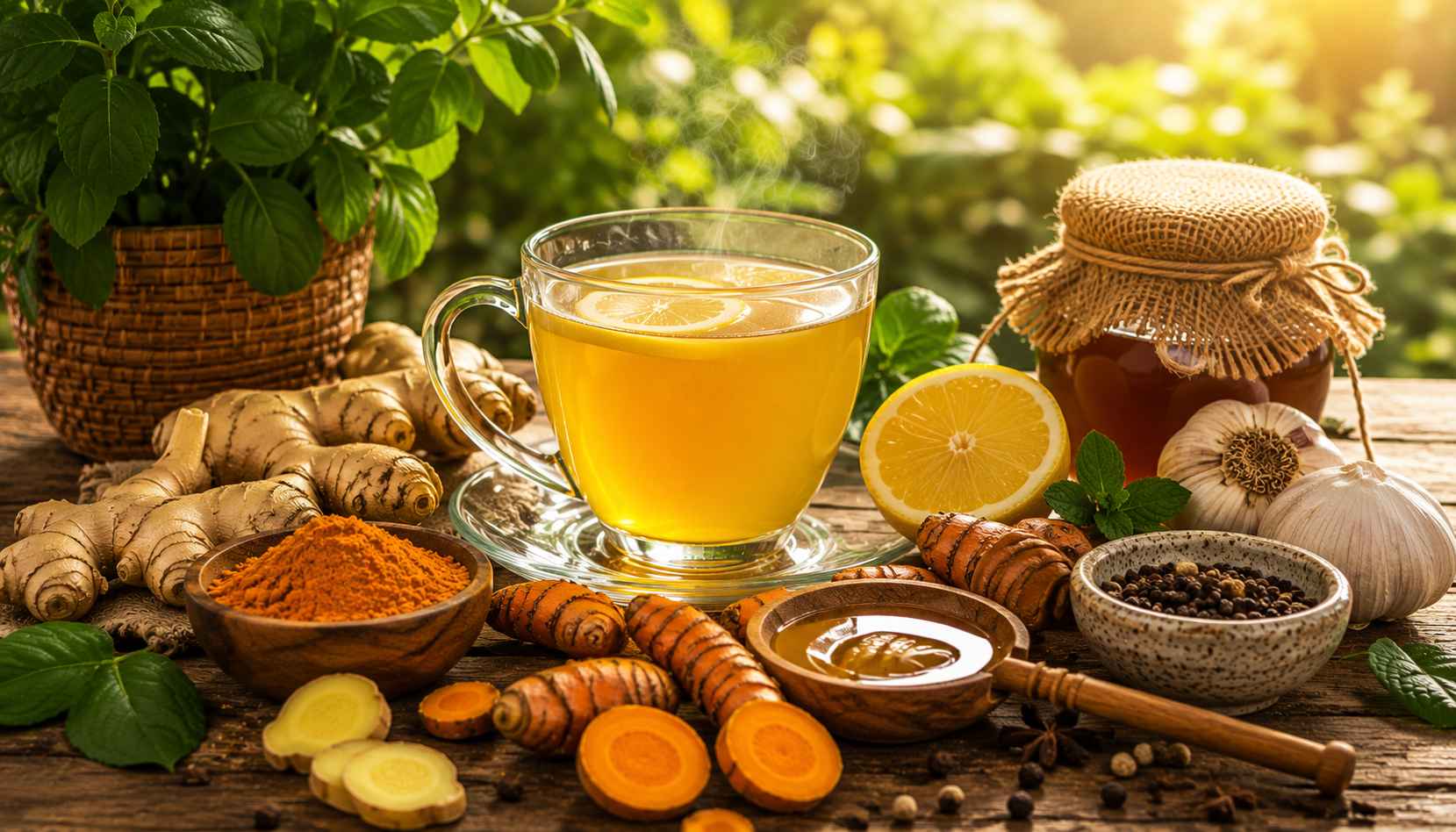
As mentioned, ginger is a renowned remedy for digestive upset, effectively easing nausea, vomiting, and indigestion. Turmeric, with its anti-inflammatory properties, can also support gut health by reducing inflammation in the digestive lining and promoting a healthy gut microbiome. Their combined use can offer significant relief for those suffering from irritable bowel syndrome (IBS) or other digestive discomforts.
Boosts Immune System
The antioxidant and anti-inflammatory properties of turmeric and ginger contribute to a stronger immune system. By reducing inflammation and protecting cells from damage, they help the body to better defend itself against infections and illnesses. Their natural antimicrobial qualities further enhance their ability to support immune function.

May Improve Heart Health
Emerging research suggests that turmeric and ginger may play a role in improving cardiovascular health. Their anti-inflammatory and antioxidant effects can help to protect against heart disease by improving factors like cholesterol levels and blood pressure. Curcumin's ability to improve the function of the endothelium, the lining of blood vessels, is particularly promising.
Pain Relief
The anti-inflammatory properties of turmeric and ginger make them effective natural pain relievers. Studies have shown that curcumin can be as effective as some anti-inflammatory drugs for managing osteoarthritis pain. Ginger can also help to alleviate muscle soreness and pain.

How to Make Turmeric and Ginger Tea
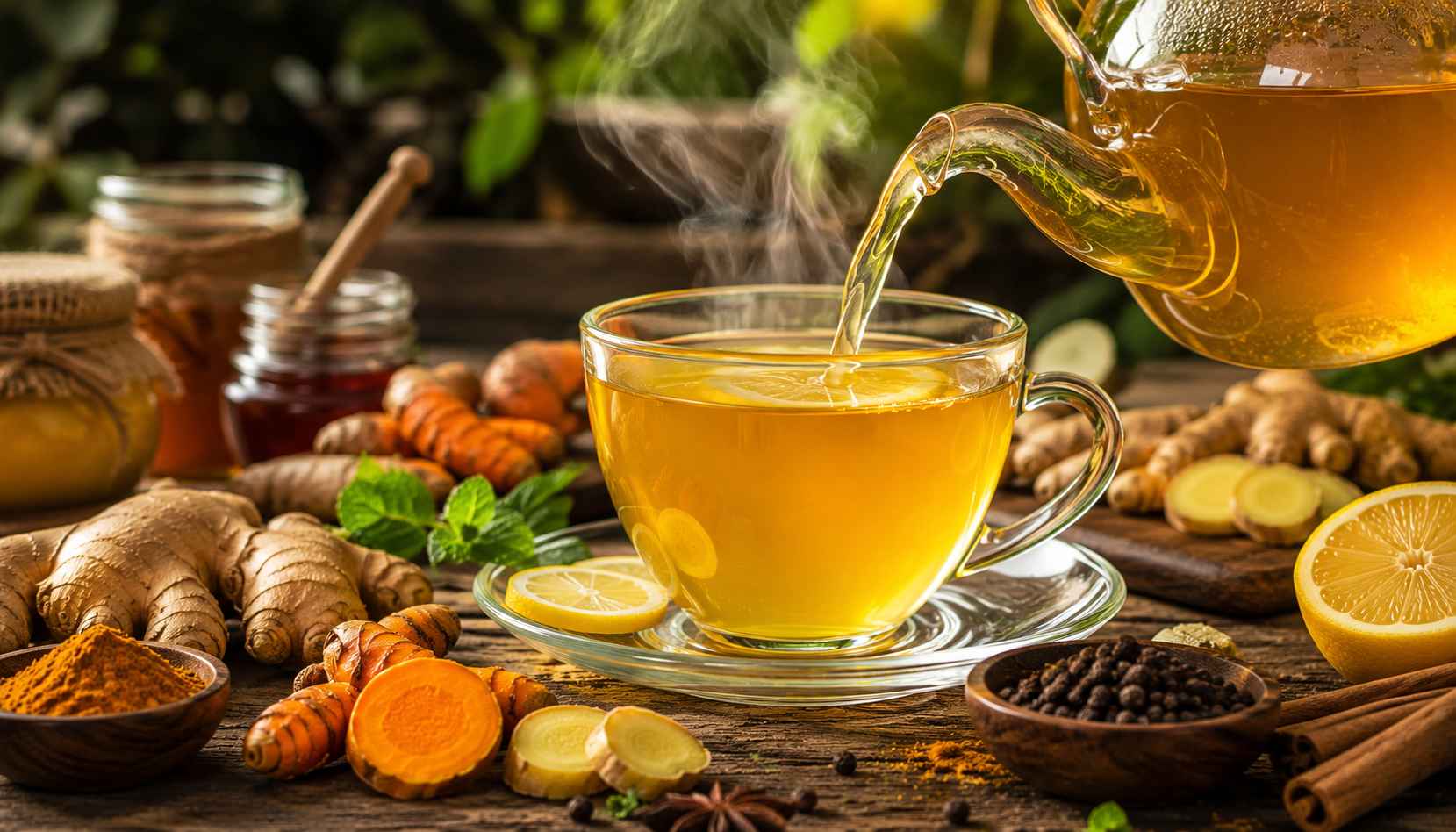
Creating your own turmeric and ginger tea is a simple and rewarding way to incorporate these beneficial roots into your daily routine. Here’s a basic recipe:
Ingredients:
- 1 inch fresh ginger, peeled and thinly sliced or grated
- 1 inch fresh turmeric, peeled and thinly sliced or grated (or 1/2 teaspoon ground turmeric)
- 2 cups water
- Optional: A squeeze of lemon juice, a drizzle of honey, or a pinch of black pepper
Instructions:
- Combine the sliced ginger and turmeric (or ground turmeric) with water in a small saucepan.
- Bring the mixture to a boil, then reduce heat and simmer for 5-10 minutes.
- Strain the tea into a mug.
- Add optional ingredients like lemon juice for vitamin C and flavor, honey for sweetness and its own health benefits, or black pepper to enhance curcumin absorption.
This warming beverage is perfect for a morning pick-me-up, an afternoon revitalizer, or a soothing evening drink. Adjust the amounts of ginger and turmeric to your preference.

Turmeric and ginger are far more than just culinary spices; they are potent natural healers with a broad spectrum of health benefits. From their powerful anti-inflammatory and antioxidant properties to their ability to support digestion and boost immunity, these roots offer a natural pathway to improved well-being. By understanding their individual strengths and their remarkable synergy, you can easily incorporate them into your diet, with a simple cup of turmeric and ginger tea being an excellent starting point. Embrace the power of these ancient remedies and unlock a healthier, more vibrant you.

Most Popular













Anaya
comment1