



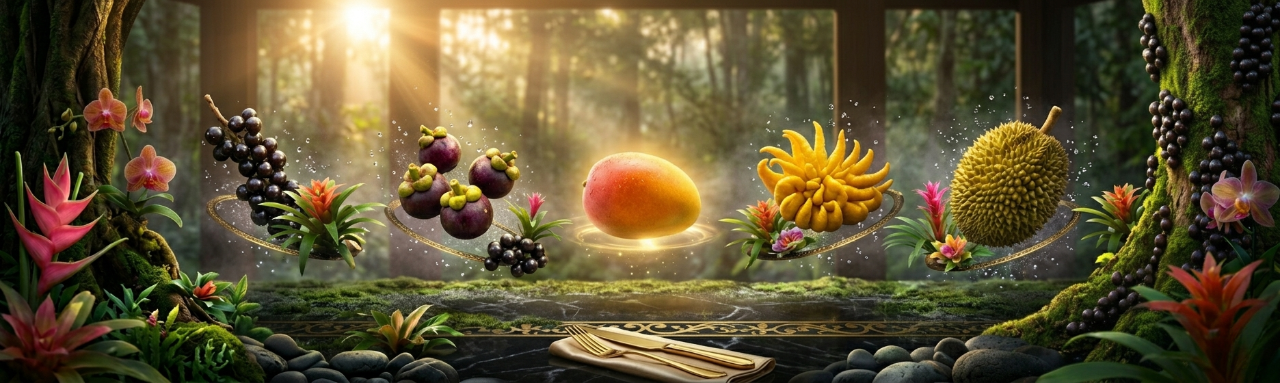
Imagine walking through a tropical rainforest or a remote mountain village and discovering a fruit you've never seen before. While apples, bananas, and oranges are available almost everywhere, some fruits are so rare that only a handful of people ever get the chance to taste them.
These extraordinary fruits grow in isolated regions, have extremely short harvest seasons, or require very specific climates to survive. Some are protected because of their rarity, while others are nearly impossible to export due to their delicate nature.
But what makes these fruits so special? Is it their incredible flavor, their fascinating history, or simply the fact that they're so difficult to find?
Let's explore some of the world's rarest fruits that most people may never have the opportunity to taste.
1. Miyazaki Mango – Japan
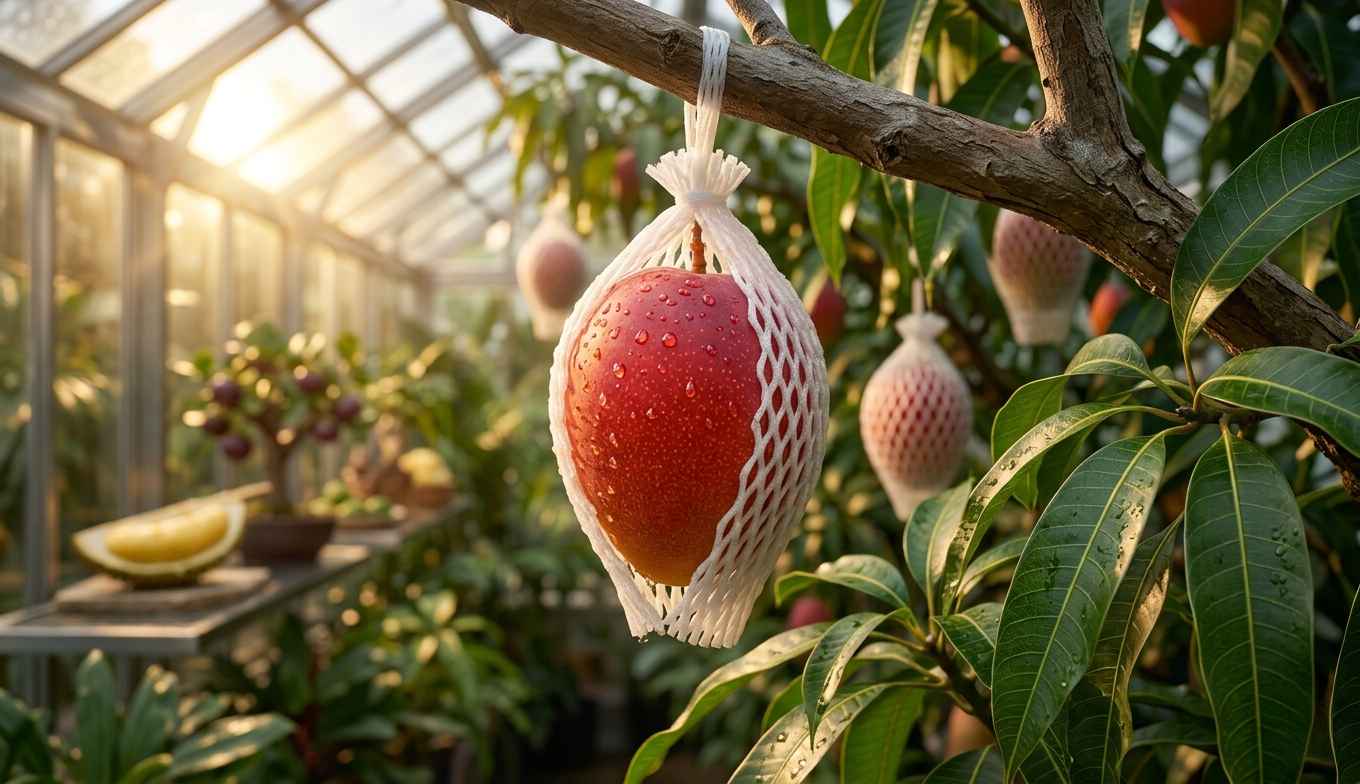
Known as the "Egg of the Sun," the Miyazaki Mango is one of the most luxurious fruits in the world. Carefully cultivated in Japan's Miyazaki Prefecture, each mango receives exceptional care to ensure perfect sweetness, color, and texture.
Why It's Rare
- Grown under strict quality standards
- Limited annual harvest
- Premium hand-selection process
Estimated Price
$100–$500 per pair
Its rich sweetness, vibrant ruby-red skin, and buttery texture have made it one of the world's most sought-after fruits.
2. Mangosteen – Southeast Asia
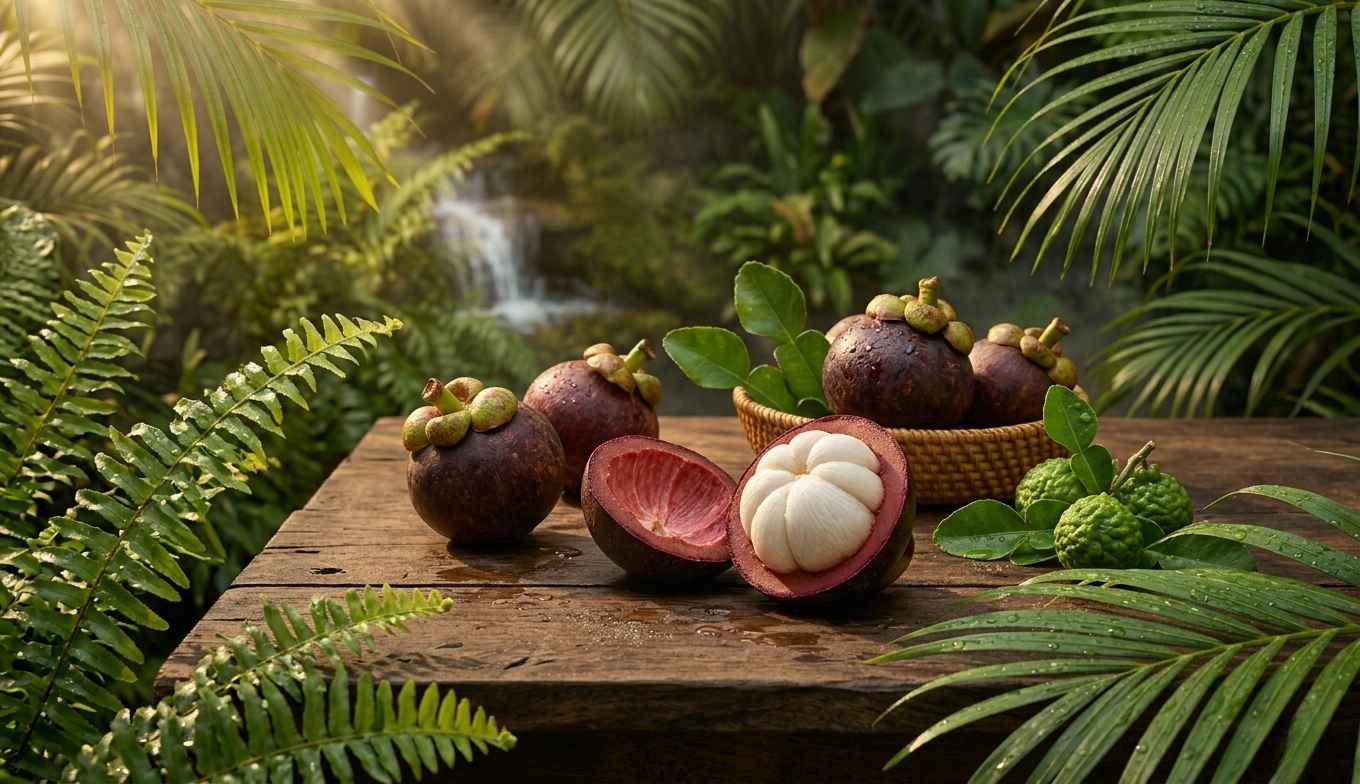
Often called the "Queen of Fruits," mangosteen features a thick purple shell that hides soft, snow-white segments with a delicate balance of sweetness and tangy flavor.
Why It's Rare
- Short harvesting season
- Sensitive to transportation
- Grows only in tropical climates
Estimated Price
$15–$40 per kilogram (outside growing regions)
Many fruit lovers describe mangosteen as one of the most refreshing and unique fruits they have ever tasted.
3. Jabuticaba – Brazil
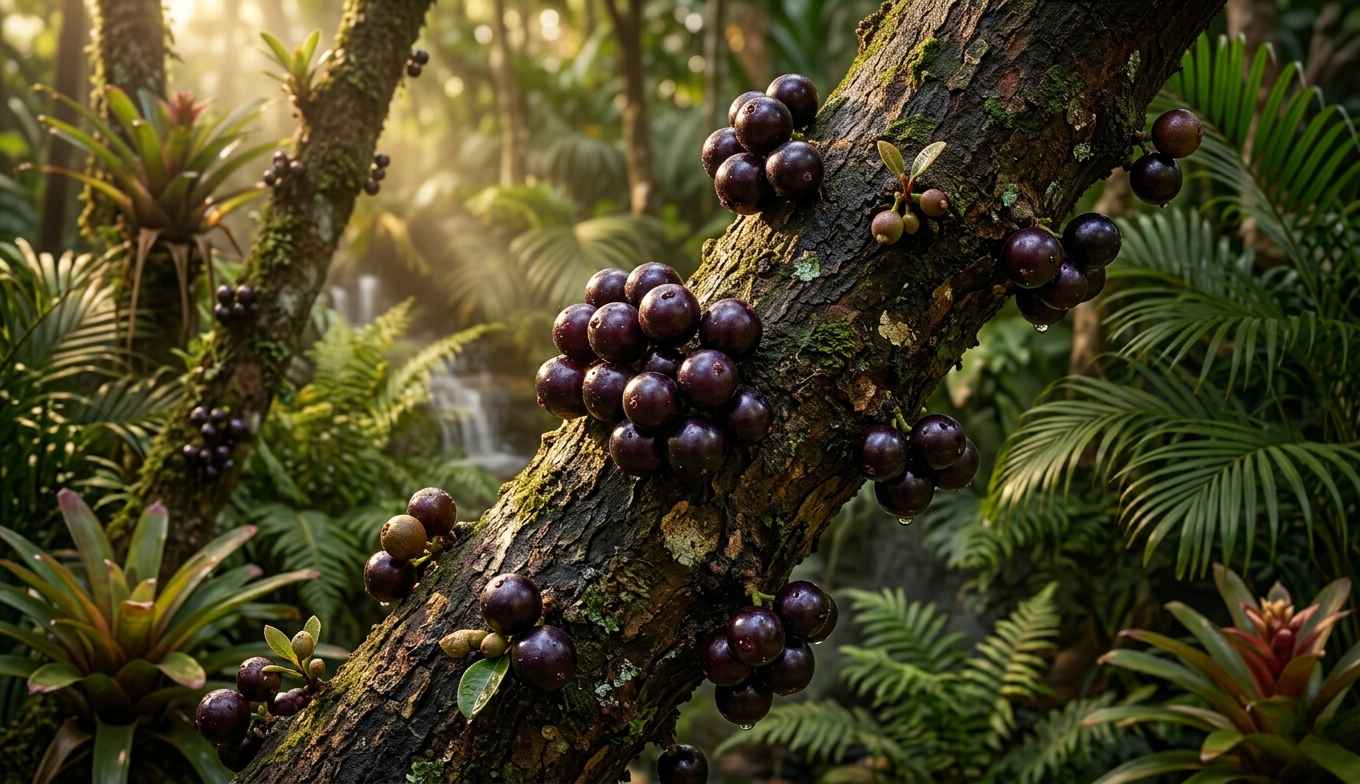
One of nature's most unusual fruits, jabuticaba grows directly on the trunk and branches of the tree instead of hanging from stems. Its dark purple skin surrounds a juicy, grape-like interior.
Why It's Rare
- Extremely short shelf life
- Difficult to export fresh
- Mostly found in Brazil
Estimated Price
$20–$50 per kilogram
Its sweet, floral flavor makes it a favorite among locals, but very few people outside South America ever get to enjoy it fresh.
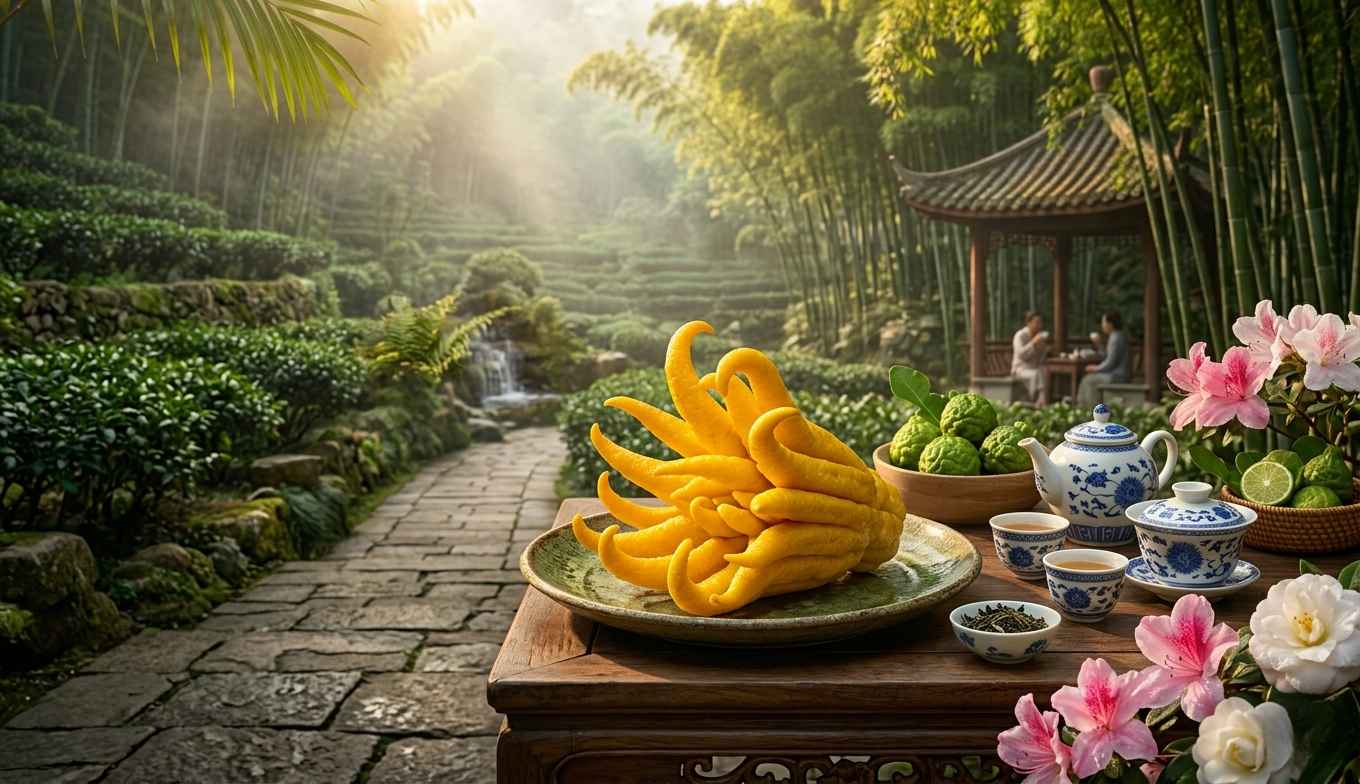
4. Buddha's Hand – China
Unlike most citrus fruits, Buddha's Hand contains almost no pulp or juice. Instead, it is prized for its intensely fragrant peel, which is commonly used in desserts, teas, perfumes, and gourmet cooking.
Why It's Rare
- Limited cultivation
- Primarily grown for fragrance
- Seasonal availability
Estimated Price
$20–$80 per fruit
Its striking finger-like shape makes it one of the most recognizable and fascinating fruits in the world.
5. Durian – Southeast Asia
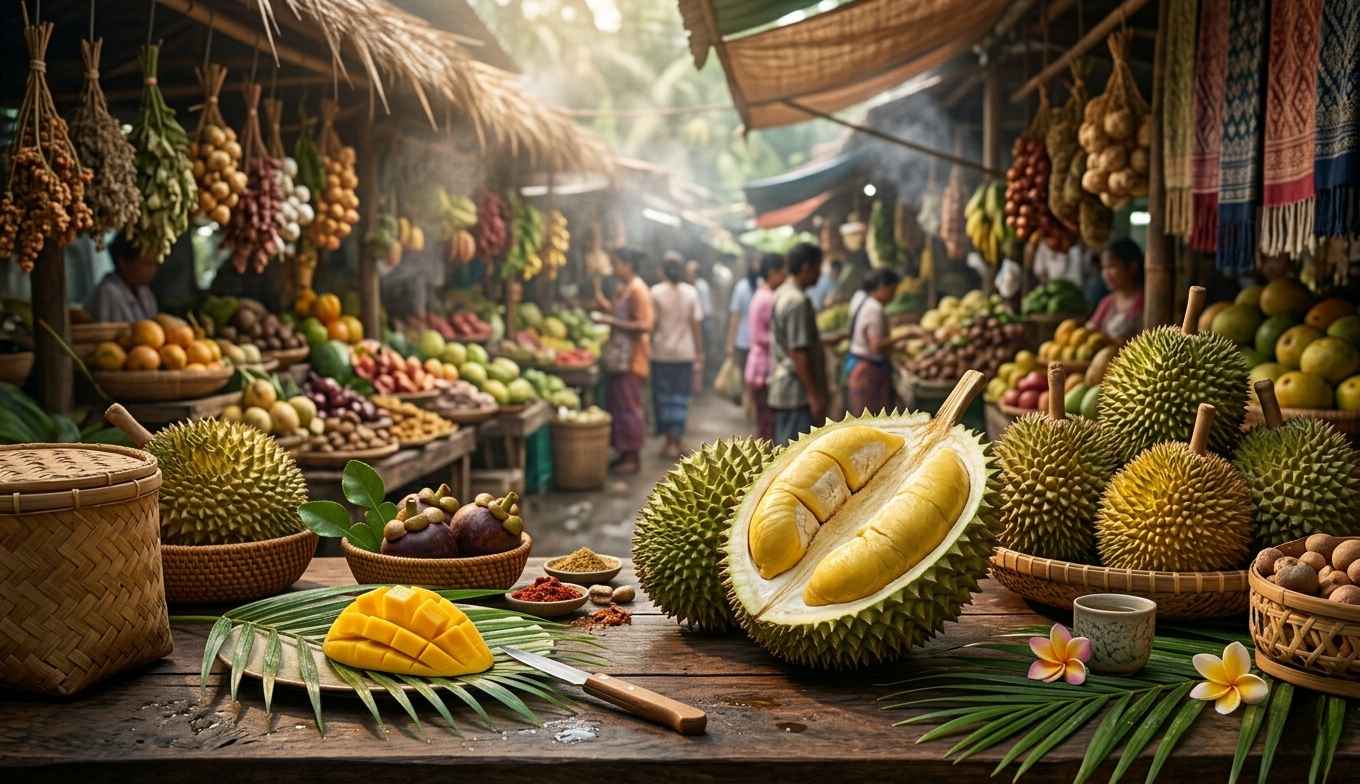
Often called the "King of Fruits," durian is famous for its powerful aroma and rich, creamy flesh. While its smell divides opinion, many people consider its flavor unforgettable.
Why It's Rare
- Seasonal production
- Difficult to transport internationally
- Strict import restrictions in some places
Estimated Price
$30–$200 depending on variety
For adventurous food lovers, tasting premium durian is considered a once-in-a-lifetime culinary experience.
Are Rare Fruits Really Worth Searching For?
The answer depends on what kind of food experience you're looking for.
If you're curious about discovering flavors unlike anything found in ordinary supermarkets, rare fruits offer an exciting journey into nature's diversity. Each fruit reflects the climate, culture, and traditions of the region where it grows.
While some rare fruits command high prices because of limited supply and careful cultivation, others are treasured simply because they can only be enjoyed fresh in their native homeland.
For many travelers, tasting one of these extraordinary fruits becomes one of the most memorable parts of exploring a new destination.
Rare fruits remind us that the natural world still holds countless hidden treasures waiting to be discovered. From Japan's luxurious Miyazaki Mango to Brazil's unusual Jabuticaba and Southeast Asia's legendary Durian, every fruit offers a unique story, remarkable flavor, and a glimpse into local culture.
Whether you're a passionate foodie, an adventurous traveler, or simply curious about nature's most extraordinary creations, these rare fruits deserve a place on your culinary bucket list. You may never encounter all of them, but learning about them is enough to inspire your next food adventure.
Most Popular









Anaya
comment1